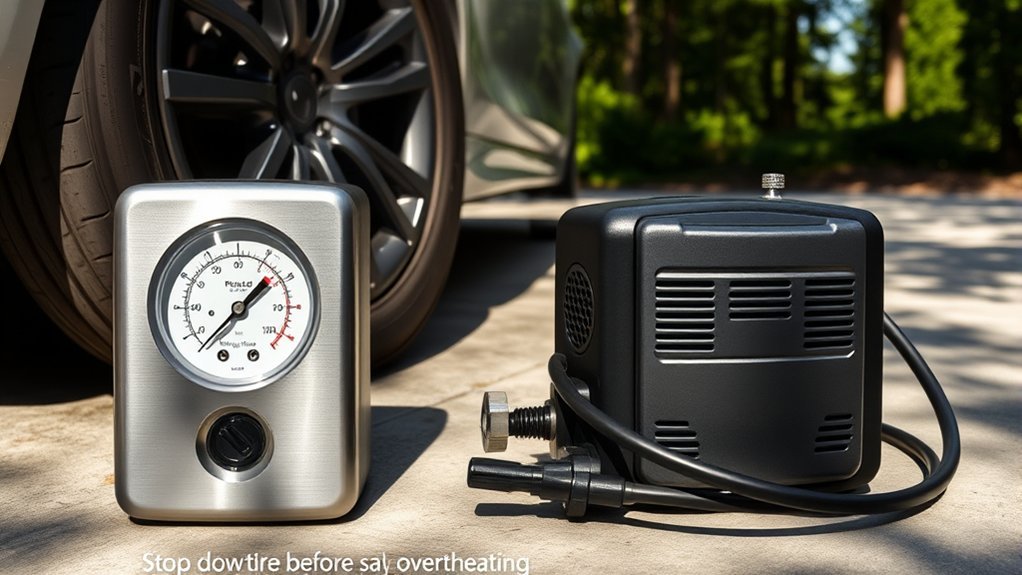
Tire Inflator Won’t Turn On? Troubleshooting Steps and Fixes
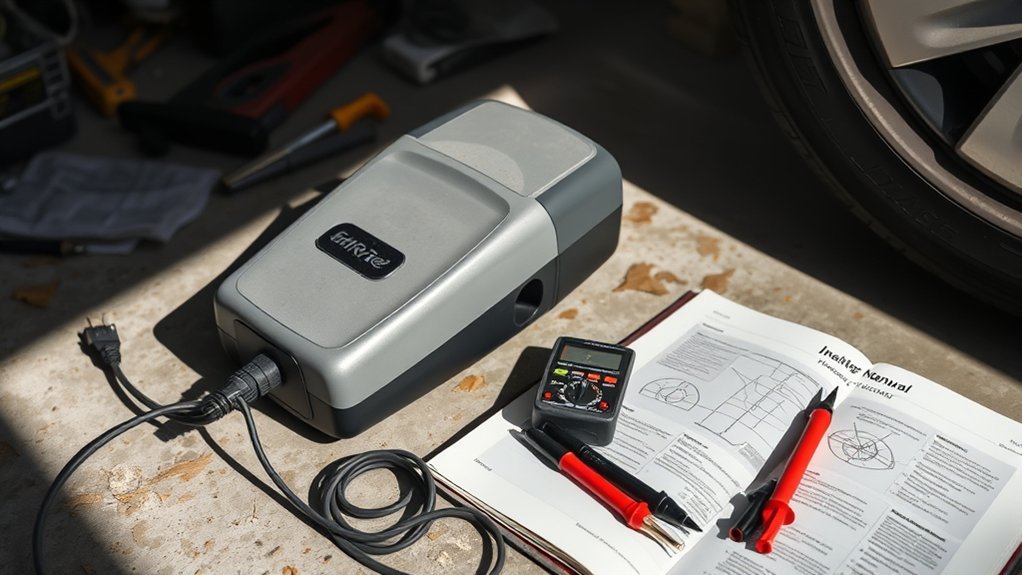
If your tire inflator won’t turn on, start with power. Plug it into a known-good outlet or 12V cigarette lighter, check the cord and battery, and inspect fuses or breakers. Then test the switch and internal wiring with a multimeter and listen for motor noise. If it overheated, let it cool and reset the thermal protection if your model has it. If repairs look expensive, compare repair vs replacement and check the warranty.
Quick Answer
- Confirm the power source works (try a different outlet or 12V socket).
- Inspect the cord, plug, and connections for damage, looseness, or corrosion.
- Check and replace any blown fuses (in the inflator plug, the unit, or the vehicle circuit) with the specified type.
- For cordless models, charge the battery fully and make sure it’s seated correctly.
- Let the unit cool for 15-30 minutes if it may have overheated, then try again and reset if your model has a button.
- If power checks out but it still won’t start, test the switch and wiring with a multimeter, then consider warranty, repair cost, or replacement.
Quick Fixes If Your Tire Inflator Won’t Turn On
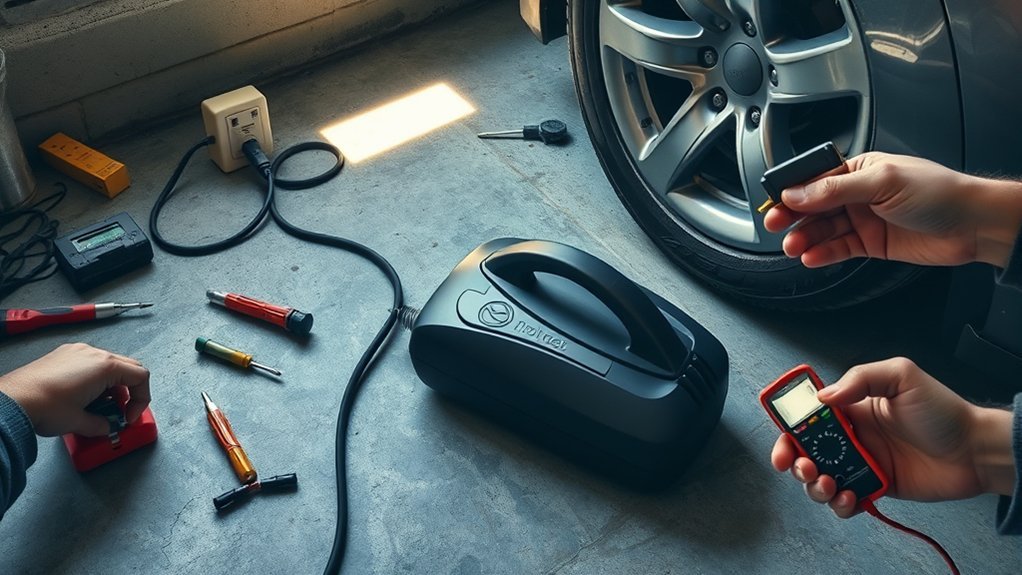
If your tire inflator won’t turn on, confirm it’s getting power first. Plug it into a known-working outlet or cigarette lighter, then test that same power source with another device. After that, work through the basics in order: power source, cord, fuses, battery (if cordless), and then the switch.
Inspect the power cord for visible damage, like frays, cuts, or crushed spots that can break the circuit. If the cord looks fine, check for blown fuses in the inflator or the vehicle circuit and replace them according to the manual. For cordless units, confirm the battery is charged, seated properly, and free of corrosion.
If the unit still won’t respond, test the power switch for continuity. A failed switch can stop operation completely and usually needs replacement. Also check whether thermal overload protection has tripped. Let the unit cool for 15-30 minutes before retrying.
Keep these tools handy: a multimeter, spare fuses, and a replacement switch or cord if necessary.
Test Power and Electrical Connections (Cords, Fuses, Battery)
After you’ve confirmed the outlet or 12V socket works, test the rest of the power path step by step to find where electricity is being lost. Start with a close look at the power cord and plug. Frayed insulation, kinks, or cuts can stop the inflator completely.
Next, check for tripped breakers or blown fuses and reset or replace them as needed. Many inflators also have a fuse in the 12V plug or inside the unit.
Use a multimeter to test voltage and continuity on the cord, internal fuse, and leads. If you’re rusty on continuity testing, this guide to continuity testing with a multimeter is a clear refresher. For cordless models, inspect the battery for swelling, corrosion, poor contact, and low charge. Replace a damaged battery. If an internal fuse fails the test, replace it with the specified type.
This approach removes guesswork and helps you zero in on the real fault.
- Inspect cords for frayed wires or cuts
- Test outlet with another device
- Check fuse box for blown fuses
- Use multimeter on internal fuse and leads
- Inspect and replace damaged battery
- Allow 15-30 minutes cooling if overheated
Check Thermal Overload and Reset Protection
Many modern tire inflators have built-in thermal overload protection that shuts off the motor when it overheats. If your inflator was running for a long time or in hot conditions, this safety feature may have triggered.
Unplug the unit and let it cool fully for 15-30 minutes. On many models, that ends up being closer to 30 minutes. Some manuals spell this out clearly. For example, the VIAIR 450P user manual notes that the thermal overload protector can reset after the unit cools for about 30 minutes.
Some models also have a reset button (often red or black) near the power cord or on the motor housing. If yours does, press it after the unit has cooled. Check your user manual for the exact reset procedure. If the inflator repeatedly shuts off after short use, the motor may be failing or there may be a blockage that’s making it run too hot.
Inspect Switches, Motor, and Pump: Common Internal Faults
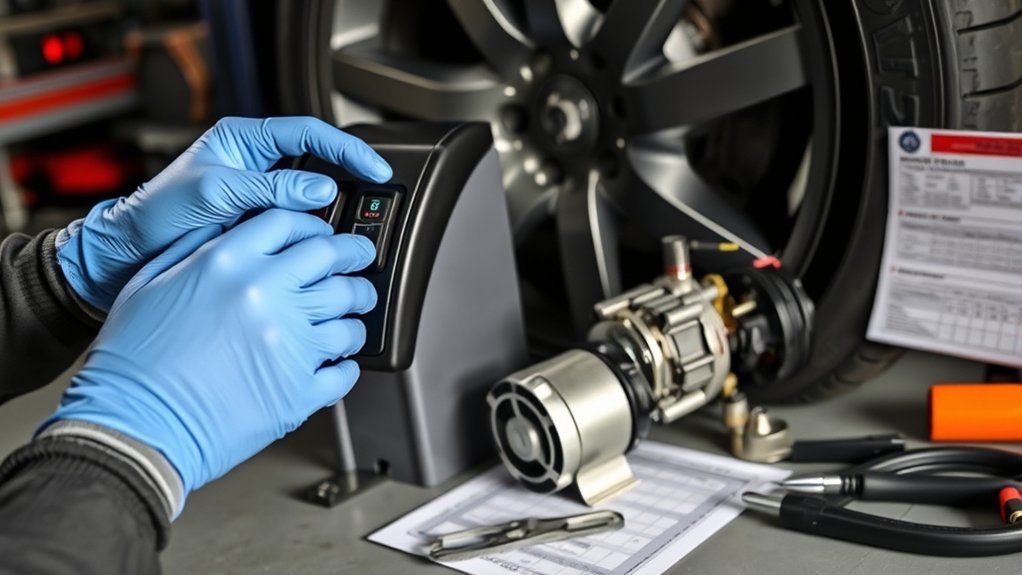
An internal check can save time. Look for obvious faults before you dig deeper. If you open the case, unplug the unit first and work carefully.
Inspect the power switch closely. If it’s cracked, loose, or feels inconsistent, it may not be making contact. Listen for any sound when you try to start the unit. A hum, buzz, or brief movement often points to motor or pump trouble. Also check for blockages in the air intake and exhaust that can strain the motor.
Look over wiring and the circuit board for loose connectors, burnt spots, or damaged traces. Finally, confirm the pump isn’t jammed or damaged.
- Look for cracked or loose switch parts
- Note humming, buzzing, or stalled motor noise
- Clear debris from intake and exhaust
- Tighten loose wires and inspect boards
- Confirm pump components for damage or obstruction
Systematic inspection helps you find the specific fix and avoid replacing parts you don’t need.
Repair vs Replace: Costs, Warranty Steps, and Next Actions
Once you’ve ruled out simple switch, motor, or pump faults, weigh repair versus replacement based on cost, warranty status, and reliability. Typical repair costs:
- Fuse replacement: $2-5
- Power cord: $10-20
- Battery (cordless): $15-30
- Switch: $8-15
- Motor: $40-70 (often not worth it)
- New inflators: $25-150
If a repair is more than about half the price of a new unit, replacement is usually the better call. If the inflator has a history of repeated issues, replacement also tends to be the more reliable option.
Check your warranty. Many inflators come with a one to two-year limited warranty. Have the purchase date, model number, and receipt ready before contacting customer support. They can tell you whether the issue qualifies for repair or replacement and what steps to follow.
If you’re out of warranty, get a repair estimate and compare it to the current price of a similar new inflator. Include shipping and labor if they apply. Choose the option that gets you back to a reliable, safe unit.
Frequently Asked Questions
How to Reset a Portable Tire Inflator?
Unplug the inflator and wait 15-30 minutes for it to cool completely. Look for a reset button (usually red or black) near the power cord or motor housing and press it firmly. Reconnect the power and try starting the unit. If there’s no reset button, letting it cool and checking the fuse often resolves the issue. Consult your user manual for model-specific reset procedures.
Why Won’t My Portable Air Compressor Turn On?
The most common causes are: faulty power connection (40%), blown fuse (25%), dead or improperly seated battery (20%), tripped thermal overload protection (10%), or damaged power switch (5%). Start by testing the power source with another device, then inspect the cord, check fuses, verify battery condition, allow cooling time, and test the switch with a multimeter.
Is There a Reset Button on an Air Compressor?
Many portable tire inflators have a thermal overload reset button, typically red or black, located near the power cord entry or on the motor housing. Not all models have an external reset button; some reset automatically after cooling. Check your user manual or look for a small button labeled “RESET” or with a circular arrow symbol. Press it after the unit has cooled for at least 15 minutes.
What Would Cause an Air Compressor to Not Turn On?
Common causes include: no power to the outlet, damaged power cord, blown internal or external fuse, dead or corroded battery (cordless models), tripped thermal overload protection, faulty power switch, damaged motor, or loose internal wiring. Test each component systematically starting with the power source and working through to internal components.
Conclusion
If your tire inflator won’t turn on, start with the basics: the power source, cords, and fuses, then check thermal overload protection. If electrical checks pass, inspect the switch, motor, and pump for wear, blockages, or loose connections. Small repairs like a fuse or switch replacement are usually quick and inexpensive. Major motor or control-board faults often mean replacement makes more sense.
Work through the steps one at a time, note what you find, and choose repair only when the cost and warranty situation make it worthwhile.