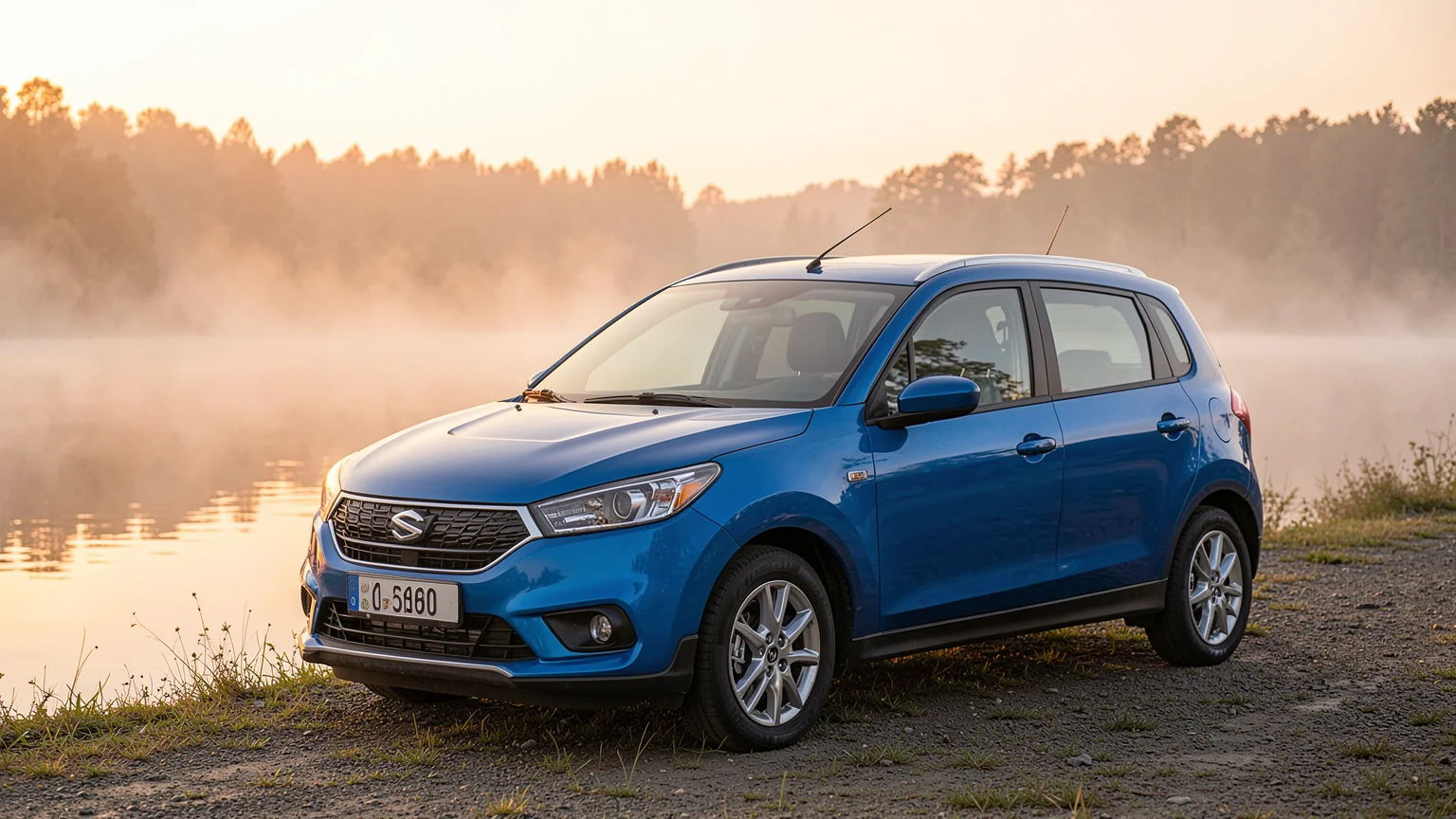
The best years for Toyota RAV4 shoppers are 2016 to 2018 for a low-cost gas model, 2021 for a newer gas model and 2022 or later for a hybrid. Those years pair proven engines and transmissions with strong safety tech and fair used prices.
A few other years carry known issues, from oil use to software glitches. This guide ranks the best used Toyota RAV4 picks by generation, lists what to check on each and shows what you should expect to pay.
Key Takeaways
- The 2017 RAV4 is the best-balanced single year, based on owner and expert ratings.
- Among the best years for Toyota RAV4 buyers, the fourth generation (2013 to 2018) is the sweet spot, and 2016 to 2018 is its strongest stretch.
- For a newer RAV4, buy a 2021 gas model or a 2022 hybrid.
- Check the 2006 to 2008 oil use, the 2019 gas transmission software and the 2019 to 2022 hybrid cable recall before you buy.
- Service records matter more than the odometer.
In this guide:
- Best years for Toyota RAV4 at a glance
- RAV4 years by generation
- Years to avoid or check carefully
- Gas, hybrid or V6
- Used RAV4 buying checklist
- FAQ
Best Years for Toyota RAV4 at a Glance
Used RAV4 prices run high because the SUV holds its value. SlashGear cites an estimate that a RAV4 keeps more than 72 percent of its original value after five years. These picks aim to give you the most car for the money.
| Goal | Best year | Why it stands out | Typical price |
|---|---|---|---|
| Lowest cost, proven gas model | 2016 to 2018 | Mature 2.5-liter engine and six-speed automatic | About $10,000 to $18,000 |
| Best single year | 2017 | Toyota Safety Sense standard, strong owner and expert scores | About $16,350 (LE) to $18,250 (Platinum) |
| Newer gas model | 2021 | Fifth generation with strong reliability scores | About $22,800 to $29,400 |
| Best used hybrid | 2022 | Ties 2017 for the top Consumer Reports hybrid reliability score | About $26,700 to $33,400 |
| Newest | 2026 | Hybrid on every trim, Toyota Safety Sense 4.0 | From $31,900 plus delivery |
Price ranges come from Autotrader listings and Kelley Blue Book fair purchase prices reported by SlashGear. Your local market will differ.
Best Years for Toyota RAV4 by Generation
Third generation (2006 to 2012)
The 2009 to 2012 models are the best of this group, according to CarGurus. The V6 was available in these years and gives you strong towing power. Skip the earliest ones unless you can verify the oil level and service history.
Fourth generation (2013 to 2018)
Autotrader calls this generation the sweet spot for a used RAV4. Toyota added a six-speed automatic and a 176-horsepower four-cylinder in 2013 and dropped the V6. A hybrid joined the lineup for 2016, and Toyota Safety Sense became standard on every RAV4 in 2017.
The main downside is tech. Apple CarPlay and Android Auto did not arrive until the 2019 model year. Autotrader found an average of about 110,000 miles on these SUVs, and prices of roughly $10,000 to $18,000 depending on mileage.
Fifth generation (2019 to 2025)
The 2019 redesign brought a 203-horsepower gas engine, a 219-horsepower hybrid and an eight-speed automatic. Toyota added the RAV4 Prime plug-in hybrid for 2021 and wireless CarPlay and Android Auto for 2023.
Autotrader reports that a base 2024 LE that sold for $30,025 now averages $28,884 used. A 2022 XLE Sport averages $27,194. Listings ran from about $25,000 for 50,000-mile examples to $36,000 for average-mile ones.
Sixth generation (2026)
The 2026 RAV4 is hybrid-only. Toyota rates the hybrid at 226 horsepower with front-wheel drive and 236 with AWD, and up to 43 mpg combined. It adds Toyota Safety Sense 4.0 and new SE, Woodland and XSE grades. Few used examples exist yet, and new ones start at $31,900 plus a $1,595 delivery fee.
Toyota RAV4 Years to Avoid or Check Carefully
Most RAV4 years from the last decade earn good scores, and many are among the best years for Toyota RAV4 buyers. In practice, “avoid” really means “verify first.” Here are the issues that come up most often.
| Years | Issue | What to do |
|---|---|---|
| 2006 to 2008 (2.4-liter) | Excessive oil consumption | Check the dipstick and ask about oil top-offs |
| 2009 to 2012 V6 | Water pump wear and oil leaks past 100,000 miles; a rear suspension arm bracket recall | Confirm the recall repair and the water pump history |
| 2006 to 2015 | Clunk or bind in the intermediate steering shaft | Test at low speed and near full lock |
| 2019 gas | Lurching from a stop with the eight-speed automatic | Ask if the Toyota software update was applied |
| 2019 to 2021 | Software fault that could drain the 12-volt battery | Confirm the software fix |
| 2019 to 2022 hybrid and Prime | Corrosion on the rear motor high-voltage cable connector | Check the VIN for open service campaigns |
Note: Any recall or service campaign should be completed before you buy. Run the VIN through the National Highway Traffic Safety Administration lookup and ask the dealer for proof of the repair.
Our guide to common RAV4 hybrid problems covers owner reports in more detail. You can also read how a RAV4 transmission holds up over time.
Gas, Hybrid or V6: Which Lasts Longest?
Your powertrain choice shapes ownership more than anything else. CarGurus rates the 2.5-liter four-cylinder as the place to start, and says it holds up well past 200,000 miles. Its best years are 2016 to 2018.
The hybrid uses an electronically controlled CVT with no clutch packs or torque converter, which removes common failure points. CarGurus rates hybrids from 2016 onward as highly reliable. You can read more in our look at RAV4 hybrid reliability.
RepairPal puts average annual repair costs at $429, against $521 for the compact SUV class. Keep up with oil changes, because CarGurus calls stretched change intervals the most common cause of early engine wear. It recommends full synthetic every 5,000 to 10,000 miles, and our guide to RAV4 oil lists grades by engine. Hybrid owners should also clean the battery filter about every 20,000 miles.
Used RAV4 Buying Checklist
Even the best years for Toyota RAV4 shoppers need a quick check, so follow these steps before you hand over money.
- Run the VIN for recalls and open service campaigns.
- Ask for service records. A 100,000-mile RAV4 with full records beats a 60,000-mile one with none.
- Check the oil level on a 2006 to 2008 model.
- Drive it long enough to test smooth starts from a stop and steering at full lock.
- Confirm the hybrid cable repair on any 2019 to 2022 hybrid or Prime.
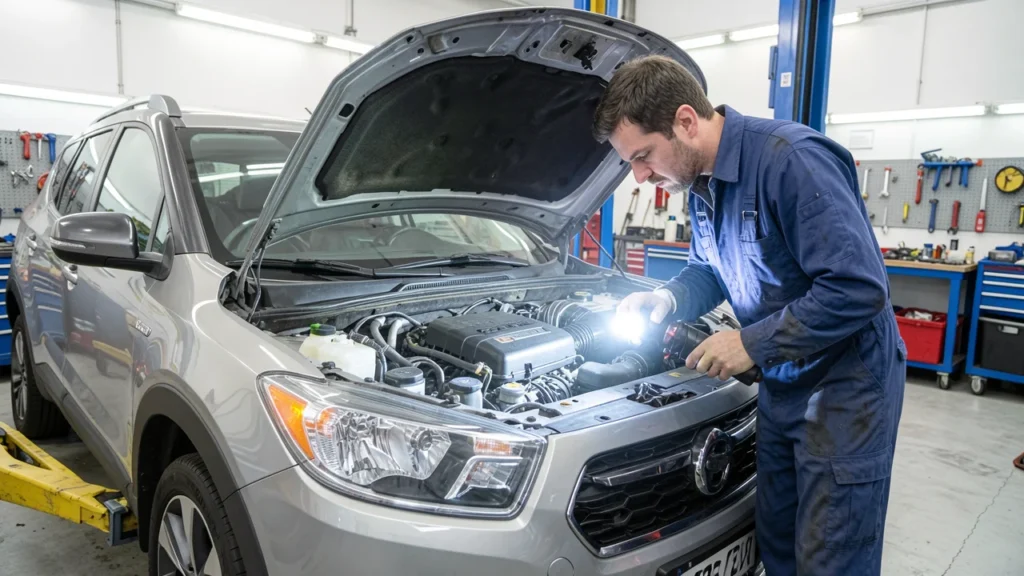
- Book a pre-purchase inspection with an independent mechanic.
Mileage still matters. See our guide on how many miles is too many for a used RAV4 before you set a limit.
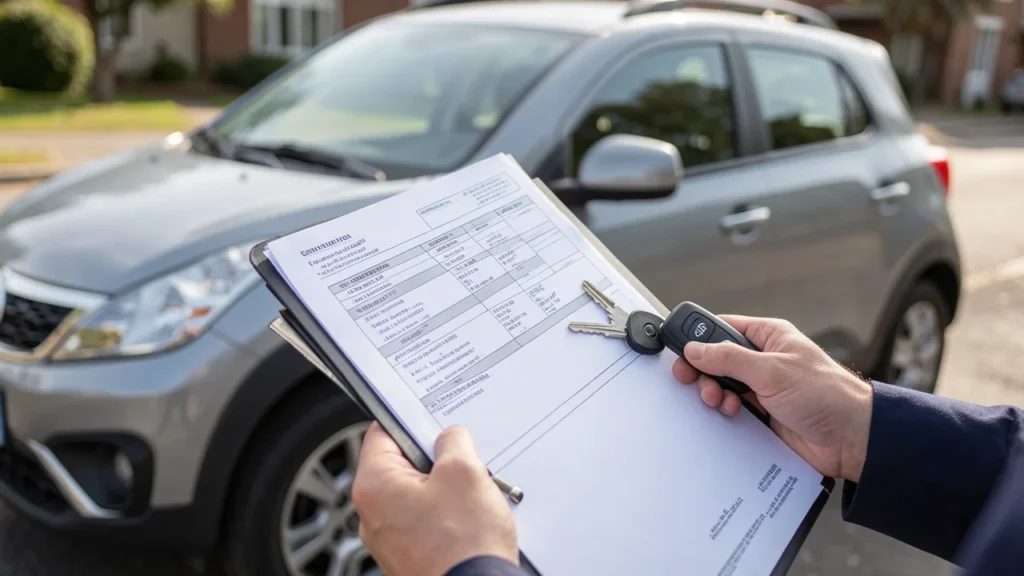
Pro Tip: If a seller cannot show records, price the SUV as if it needs fluids, spark plugs and a transmission service. Those are the items CarGurus flags most often.
Frequently Asked Questions
What are the best years for Toyota RAV4 models on the used market?
The 2017 model is the best-balanced single year for a gas RAV4, based on owner and expert ratings. The 2016 to 2018 range is the strongest stretch of the fourth generation. For something newer, choose a 2021 gas model or a 2022 hybrid.
Which Toyota RAV4 years should you avoid?
Be careful with 2006 to 2008 models that use oil, 2019 gas models with transmission software complaints and 2019 to 2022 hybrids with the cable connector issue. Early V6 models also need water pump checks. Verify each repair with the VIN.
Is a 2017 Toyota RAV4 reliable?
Yes, it scores well. J.D. Power rated it 83 out of 100 overall, with 87 for quality and reliability. Toyota Safety Sense became standard that year. Still, check service records and look for leaks, since it is nearly a decade old.
What is the best used RAV4 hybrid year?
The hybrid joined the lineup for 2016, and CarGurus rates hybrids from that year highly. The 2022 hybrid ties the 2017 hybrid for the top Consumer Reports reliability score. Avoid 2019 to 2022 hybrids unless the cable repair is complete.
How long does a Toyota RAV4 last?
The 2.5-liter four-cylinder engine holds up well past 200,000 miles with regular oil changes, according to CarGurus. Service history tells you more about a RAV4 than the odometer does. A well-kept example with records is safer than a low-mile one with none.
Why are used RAV4 prices so high?
Toyota is known for resale value, and the RAV4 sells in huge numbers, so demand stays strong. One estimate says the SUV keeps over 72 percent of its value after five years. A 2017 model still costs roughly $16,000 to $18,000.
Final Thoughts
The best years for Toyota RAV4 buyers are 2016 to 2018 for value, 2021 for a newer gas model and 2022 for a hybrid. If you want one pick, the 2017 is hard to beat for ratings and price.
Verify recalls, ask for service records and pay for an inspection. Those three steps matter more than any single model year.