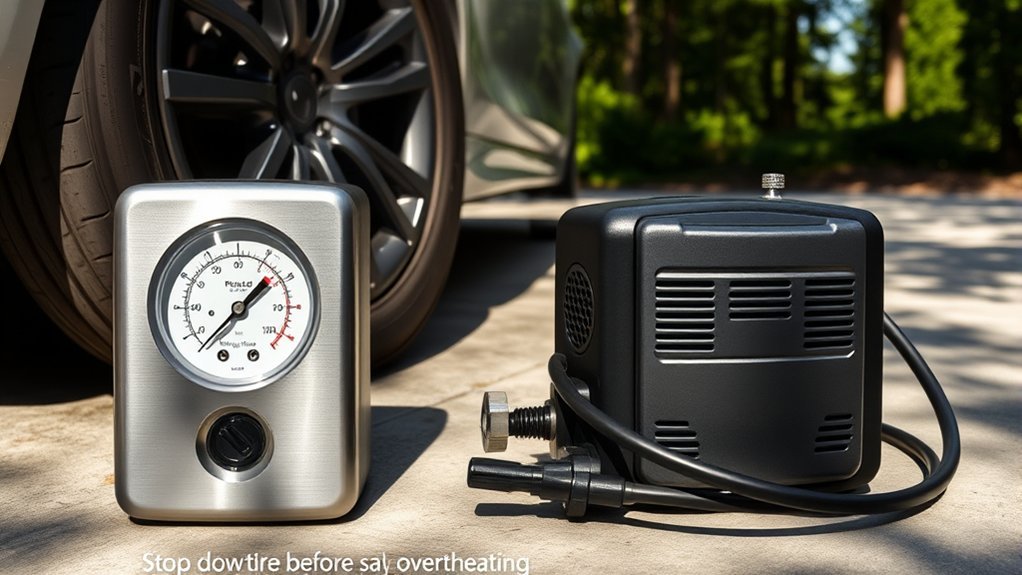
Tire Inflator Parts Explained: A Quick Guide to Key Pieces
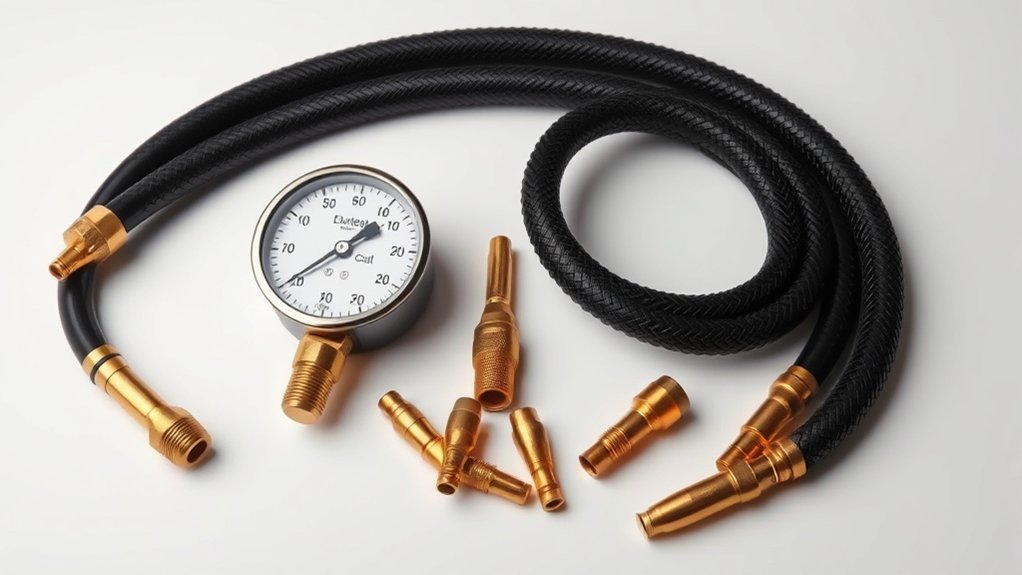
A tire inflator can save a trip, but only if its small parts work together. The motor, pump, valves, hose, chuck, gauge, and cooling system all control how air moves into your tire. This guide explains each part in plain language, so you can use and service your inflator with more confidence.
Quick Answer
A tire inflator uses an electric motor to drive a small pump. The pump draws air in, compresses it, and sends it through a hose and chuck into the valve stem. A gauge shows pressure in pounds per square inch (PSI), while an auto shut-off feature stops the motor at your set pressure on supported models.
Key Takeaways
- Use the tire pressure listed on your door placard or owner’s manual.
- Let small inflators cool between longer runs to protect the motor.
- Check hoses, chucks, and seals first when inflation feels slow.
- Trust a gauge only after you confirm it with a known accurate gauge.
How a Tire Inflator Works: Main Parts at a Glance
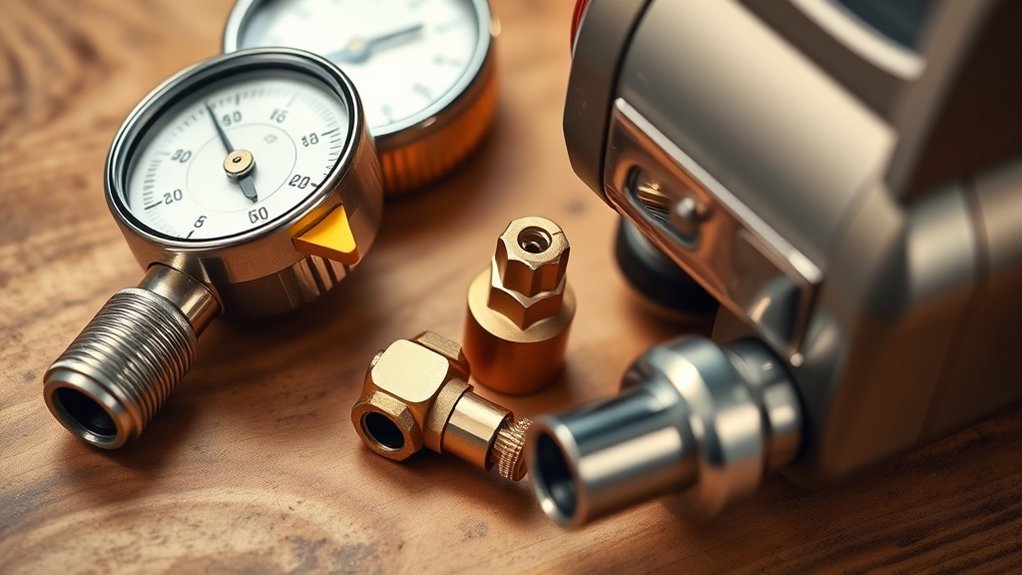
Think of a tire inflator as a small air compressor made for short, controlled bursts. An electric motor turns the pump, and the pump creates a pressure difference that pulls air in and pushes compressed air out. The hose and chuck carry that air into the tire valve, while a one-way valve helps stop backflow.
The pressure gauge or digital sensor helps you reach the right PSI. The National Highway Traffic Safety Administration says Tire Pressure Monitoring System (TPMS) warnings do not replace monthly pressure checks. Use the tire placard or owner’s manual for the correct cold pressure, not the maximum number on the tire sidewall.
Core Mechanical Parts: Motor, Piston, Cylinder, Valves
You’ll see the electric motor as the inflator’s main power source. It changes electrical energy into motion that drives a piston or rotary pump. Intake, discharge, and safety valves then guide airflow so compressed air moves toward the tire.
Electric Motor Function
The electric motor spins or drives a crank that moves the pump. In a piston-style inflator, that motion makes the piston travel inside the cylinder. The motor must stay cool and stable, because heat, weak wiring, or worn brushes can slow the compression process.
Piston Cylinder Dynamics
The piston draws air through the intake valve on one stroke. On the next stroke, it squeezes that air and sends it through the discharge valve. Tight seals, clean valves, and light lubrication help the pump build pressure without wasting power.
Pressure Control: Gauges, Sensors, and Auto Shut-Off
Safe inflation starts with the right target pressure. Bridgestone advises drivers to use the recommended cold tire PSI from the driver’s door jamb or owner’s manual. A gauge gives you the reading, and a digital sensor may let you set a target pressure before the pump starts.
Many inflators with preset pressure stop automatically when they reach the chosen PSI. A Ryobi inflator manual, for example, explains that its preset mode stops the unit at the set pressure. Still, confirm the final pressure with a separate gauge when accuracy matters.
| Feature | Benefit |
|---|---|
| Pressure gauge | Shows current tire pressure |
| Digital pressure sensor | Supports precise target settings |
| Auto shut-off | Stops inflation at the set PSI |
| Programmable settings | Helps repeat the same pressure |
Hoses, Fittings, and Chucks for an Airtight Seal
Check the hose material before you start. Durable rubber or reinforced blends give you the pressure resistance and flexibility you need for safe handling. Inspect fittings and chucks for cracks, weak springs, and worn seals because small leaks slow inflation.
Hose Materials and Flexibility
A sturdy hose helps air reach the tire with less loss. Choose a hose that bends easily, resists kinks, and matches the pressure rating of your inflator. Longer hoses help you reach all tires, but very long hoses can add clutter and pressure drop.
Valve Chucks and Seals
The valve chuck clamps onto the valve stem and keeps air from escaping. Screw-on chucks usually give the tightest hold, while quick-connect chucks make routine top-ups faster. Most car tires use Schrader valves, while many bikes use Presta valves, so choose the right adapter.
| Type | Benefit |
|---|---|
| Screw-on chucks | Give a secure attachment |
| Quick-connect chucks | Speed up routine use |
| Internal seals | Reduce air leakage |
| Chuck-side gauges | Show pressure near the valve |
| High-pressure fittings | Support rated inflator pressure |
Power, Cooling, and Duty Cycle Basics for Reliable Use
Power source affects runtime and convenience. A 12-volt (12V) corded inflator draws power from your vehicle, while a cordless model trades longer continuous runtime for portability. Battery models work well for top-ups, but you need a charged pack before a roadside emergency.
Duty cycle tells you how long a compressor can run within a set period before it needs rest. Compressor makers define duty cycle as run time compared with total cycle time. Follow your manual, use short runs, and let the motor cool when inflation takes longer.
Before You Service a Tire Inflator Safely
Unplug the inflator or remove the battery before you inspect it. Let the motor and hose cool, then release trapped pressure before you loosen fittings. Stop using the unit if you see melted plastic, damaged wiring, a swollen battery pack, or a cracked pressure hose.
Warning: Never exceed the tire pressure on your vehicle placard, and never run an inflator beyond its manual’s duty cycle.
Common Failures and Simple Parts You Can Service
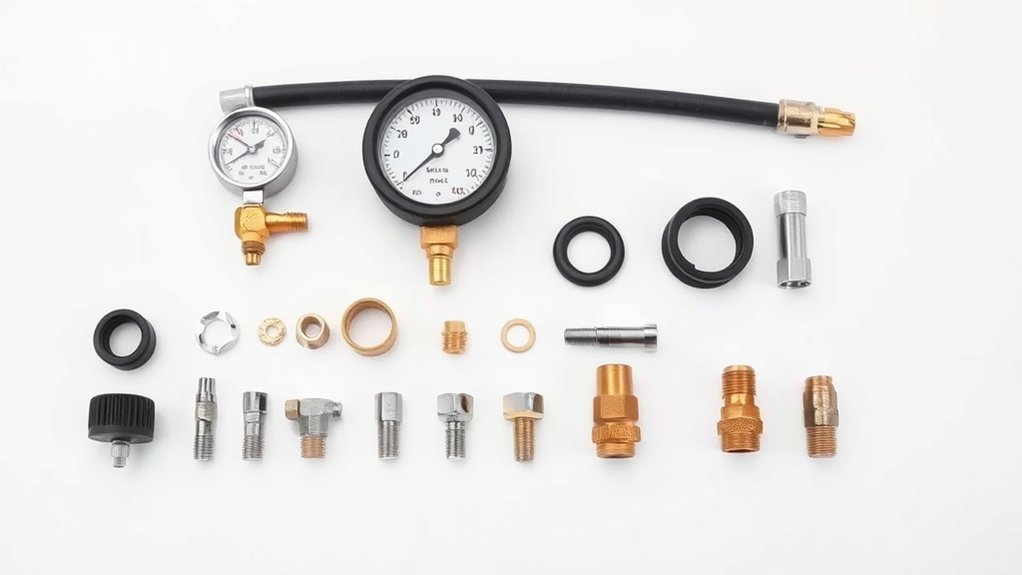
Most inflator problems come from heat, leaks, weak power, or dirty valves. Inspect the electric motor for a burnt smell, blocked vents, or loose wiring. Check the pressure gauge against a known accurate gauge if readings seem high or low.
Examine hoses for cracks, abrasions, and loose fittings. Replace worn hoses, damaged seals, and weak chucks before you blame the motor. Clean sticky valves, check lubrication if your model allows it, and keep small servicing parts in your vehicle kit.
Frequently Asked Questions
What are the different types of tire inflators?
You’ll find 12V corded inflators, cordless battery inflators, wall-powered compressors, and manual pumps. Choose based on your tire size, power access, storage space, and how often you need to inflate more than one tire.
How do you read a tire inflator gauge?
Connect the chuck firmly to the valve stem, then read the PSI on the dial or screen. For the most accurate reading, pause inflation and let the pressure settle before you check the gauge.
How do you use a tire inflator pump safely?
Set the target PSI from your door placard or owner’s manual. Attach the chuck, start the pump, watch the reading, and stop at the target pressure. Recheck the tire with a separate gauge when possible.
What is the tire piece called where you pump air?
You pump air through the valve stem. Most car tires use a Schrader valve, which has a small spring-loaded core inside the stem. Keep the valve cap on to help block dirt and moisture.
When should you replace a tire inflator instead of repairing it?
Replace it if the housing cracks, the power cord overheats, the battery swells, or the motor struggles after simple leak checks. A damaged pressure hose or electrical fault can create more risk than the tool is worth.
Safety Disclaimer: This article is for informational purposes only and does not replace professional vehicle or tool advice. Consult a qualified technician if you find tire damage, electrical faults, or unsafe pressure readings.
Conclusion
A tire inflator works best when its motor, pump, valves, hose, chuck, and gauge all stay in good condition. Use the correct cold tire pressure, watch the duty cycle, and fix leaks before they strain the motor. Keep your inflator clean, cool, and ready, and you’ll handle tire top-ups with less stress on the road.
References
- Tire Safety Ratings and Awareness, TireWise, National Highway Traffic Safety Administration
- How to Check Tire Pressure with a Tire Pressure Gauge, Bridgestone
- P737D Operator’s Manual, Ryobi, via The Home Depot
- What Is Duty Cycle and Why It Matters, ABAC Air Compressors