Electronic Parking Brake Vs Manual Handbrake: Everything You Need to Know
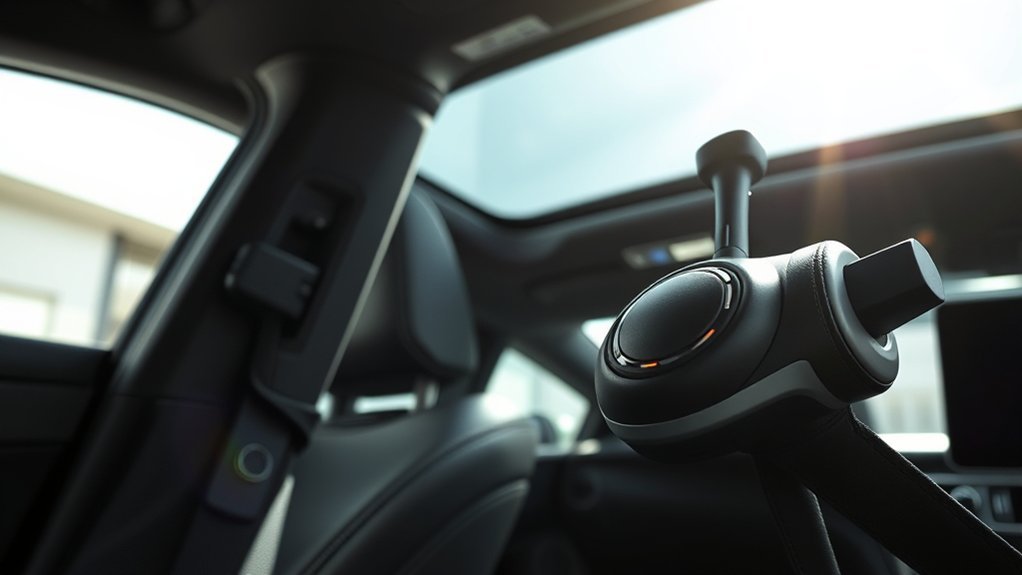
When considering electronic parking brakes (EPB) versus manual handbrakes, it’s essential to weigh their functionality and reliability. EPBs are engaging with a button, offering convenience, especially in urban areas, but they may face electrical issues. Manual handbrakes provide tactile feedback and don’t rely on power, ensuring dependable performance even during failures. Each type has distinct advantages, and your choice might depend on your driving habits and preferences. Discover more about these systems’ nuances to make the best decision for your vehicle.
How Do Electronic Parking Brakes Work?
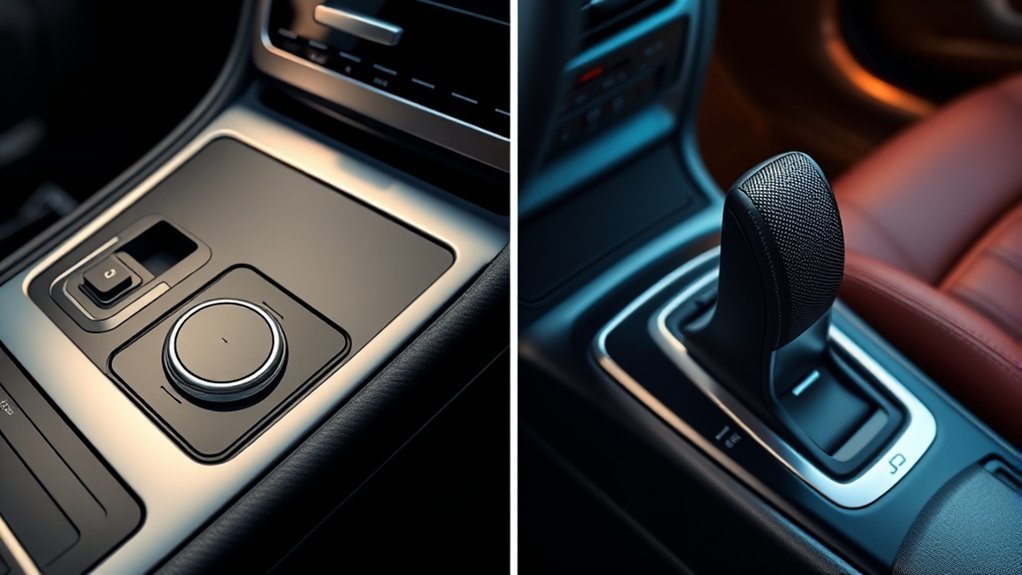
When you press the button to engage an electronic parking brake (EPB), electric motors spring into action, applying pressure to the rear brake pads and effectively locking your vehicle in place. This modern solution replaces the traditional handbrake lever, allowing for a more streamlined driving experience. With the push of a button, you can secure your vehicle without the need for manual effort.
One major advantage of EPBs is their automatic disengagement feature. When you accelerate, they release seamlessly, enhancing convenience. Some models even offer an anti-roll function, preventing movement on inclines, which boosts safety considerably.
However, in emergencies, having a manual release option is essential. If the electronic system fails, you’ll want the freedom to disengage your rear brakes manually. This hybrid approach combines the benefits of technology while ensuring you remain in control when it matters most, liberating you from potential frustrations.
What Are the Advantages of Manual Handbrakes?
Manual handbrakes offer a straightforward and reliable way to secure your vehicle, thanks to their simple mechanical operation. You’ll likely find them easier and cheaper to repair since they don’t involve complex electronic components. Plus, the tactile feedback and familiarity of using a lever can give you a greater sense of control while driving.
Simplicity and Reliability
While many modern vehicles feature advanced technology, there’s something to be said for the simplicity and reliability of a manual handbrake. This classic option provides several advantages that enhance your driving experience:
- Mechanical Design: The straightforward lever and cable system minimizes electronic failures.
- Intuitive Operation: The physical feedback fosters a reassuring sense of control, making it easier for you to engage or disengage the brake.
- No Power Dependency: Manual handbrakes function without a power source, ensuring reliability even if your battery is dead.
Cost-Effective Repairs
Although modern technology offers many advantages, the cost-effectiveness of repairs associated with manual handbrakes can’t be overlooked. Manual handbrakes rely on simple cable mechanics, making repairs straightforward and affordable. Typically, replacing a manual handbrake cable costs between $100 and $200, while repairs for an electronic handbrake can skyrocket due to specialized parts. Additionally, manual handbrakes are less prone to electrical failures, resulting in less frequent maintenance and increased reliability over time. They even function without a vehicle’s battery, saving you money in emergencies. Plus, the straightforward operation of manual handbrakes often leads to fewer accidental engagements, further reducing potential repair costs. When it comes to cost-effective repairs, manual handbrakes clearly have the edge.
Familiar Operation Experience
When considering the advantages of manual handbrakes, the familiar operation experience stands out as a significant benefit. You’ll appreciate how engaging the manual handbrake gives you tactile feedback, allowing you to feel the biting point when applying the rear brakes. This connection enhances your confidence, especially in urgent situations.
Here are some key advantages:
- Simplicity: Manual handbrakes have straightforward mechanical components, reducing the risk of malfunctions.
- Versatility: You can execute driving techniques like handbrake turns, which aren’t possible with electronic systems.
- Ease of Repair: Manual handbrakes typically require less maintenance, making repairs simpler and often more cost-effective.
Choosing a manual handbrake means embracing a driving experience that feels intuitive and empowering.
Comparing Reliability: Electric vs. Manual Handbrakes
As you weigh the reliability of electric parking brakes (EPBs) against manual handbrakes, it is crucial to reflect on the inherent complexities of each system. EPBs may offer modern convenience, but their reliance on intricate electronic components can lead to potential reliability issues. While failures are rare, troubleshooting often requires consulting the owner’s manual, unlike the straightforward mechanical solutions of manual handbrakes.
Manual handbrakes are generally easier and cheaper to repair, utilizing basic cable systems that you can typically fix with minimal effort. Additionally, in the unfortunate event of a flat battery, manual handbrakes can be released without electronic assistance, ensuring you won’t be stranded. Many drivers appreciate the tactile feedback of manual handbrakes, providing a reassuring sense of control that electric variants may lack. In this fundamental aspect, the reliability of manual handbrakes often stands out.
Common Problems With Electronic Handbrakes and Solutions
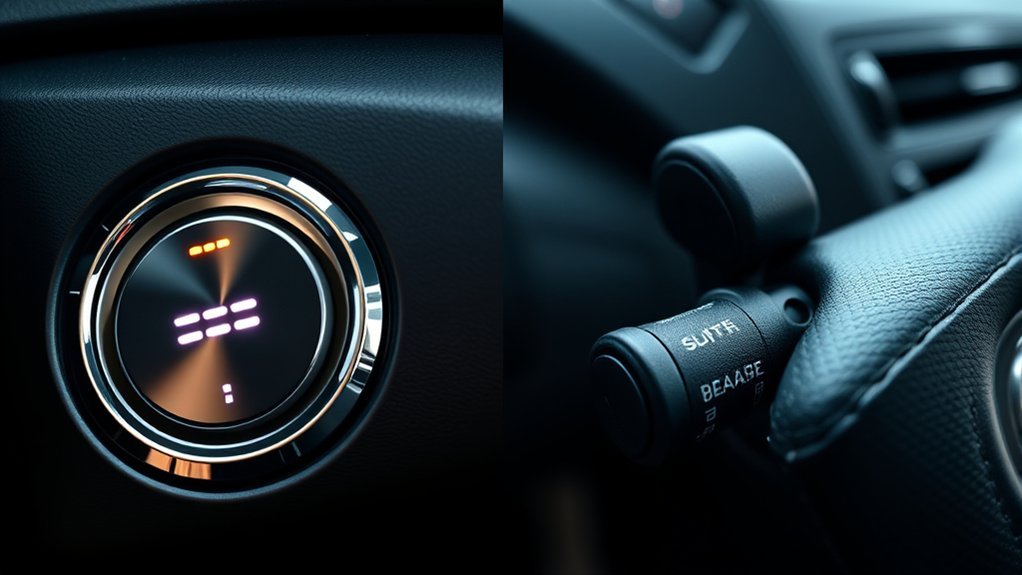
When it comes to electronic handbrakes, you might encounter a few common problems that can disrupt your driving experience. Sticking brakes, battery issues, and disengagement failures are just some of the challenges you could face, but knowing the manual release procedures and staying on top of maintenance can save you headaches. Understanding these potential malfunctions and their solutions is essential for keeping your vehicle running smoothly.
Common Electronic Malfunctions
While electronic parking brakes (EPBs) offer convenience, they can also present a range of common malfunctions that drivers should be aware of. Understanding these issues can save you time and money. Here are some frequent problems:
- Failure to engage or disengage due to electrical faults, often requiring a manual release.
- A flat vehicle battery can lock the EPB, preventing movement, underscoring the need for battery care.
- Wear in motors or wiring over time can lead to inconsistent performance, potentially leading to costly repairs.
When you spot a warning light on your dashboard, don’t ignore it. Regular diagnostics and maintenance can help mitigate these common electronic malfunctions, ensuring your electronic handbrake operates reliably.
Manual Release Procedures
Understanding the common electronic malfunctions of electronic handbrakes sets the stage for addressing manual release procedures. If your electronic handbrake gets stuck, consult your owner’s manual for specific manual release instructions tailored to your vehicle model. In the event of a flat battery, don’t panic—many electronic handbrakes can still be manually released, keeping your vehicle from being immobilized. Before towing a vehicle, verify the handbrake is disengaged to prevent potential damage; this is where knowing the manual release process becomes vital. Familiarize yourself with this procedure, as the mechanism varies across models. By preparing for these scenarios, you can confidently navigate any electronic handbrake issues and reclaim your driving freedom when necessary.
Maintenance and Repairs Needed
Maintaining your electronic parking brake (EPB) is vital to confirm it functions reliably and efficiently. The complexity of EPBs can lead to higher maintenance costs and challenges with DIY repairs. Here are some common issues and solutions:
- Failure to disengage: Check for electrical malfunctions or a flat battery; consult your manual for manual release steps.
- Electrical system checks: Regularly inspect the integrity of your EPB’s electrical components to prevent unexpected failures.
- Stuck EPB: If it becomes stuck, seek professional assistance to avoid damage during towing.
While manual handbrakes are simpler and less prone to electrical failures, regular maintenance is important for both systems to maintain longevity and reliability.
What to Do If Your Electronic Handbrake Fails During an Emergency?
When your electronic handbrake fails during an emergency, staying calm is vital to regain control of the situation. Here’s what you should do:
| Action | Description | Tips |
|---|---|---|
| Apply the Brake Pedal | Firmly press down to come to a complete stop. | Don’t rely solely on the electronic handbrake. |
| Check Owner’s Manual | Look for instructions on manual release. | Familiarize yourself with features beforehand. |
| Call for Assistance | If the handbrake remains engaged, call a tow truck. | Avoid damage by not driving the vehicle. |
It’s important to avoid using the handbrake while moving, as this could lead to loss of control. Knowing how to manually release the electronic handbrake can be significant in such scenarios. Stay informed and prepared to guarantee your safety on the road.
Key Factors in Choosing Between Electronic and Manual Handbrakes
Choosing between an electronic parking brake and a manual handbrake involves weighing several important factors that can impact your driving experience. You’ll want to contemplate your personal preferences and driving habits:
- Ease of Use: The electronic handbrake requires just a button press, perfect for urban environments where convenience matters.
- Tactile Connection: A manual handbrake offers a direct, reassuring feel, which many drivers appreciate for its mechanical simplicity.
- Reliability and Maintenance: Manual handbrakes are generally easier and cheaper to repair, while electronic systems may face malfunctions due to their complexity.
Additionally, electronic handbrakes can save space in your cabin and automatically engage when you turn off the vehicle, adding safety for those who might forget. Ultimately, think about whether you prioritize modern convenience or a classic driving feel with your rear brakes and brake pedal. Your choice reflects your unique driving style and needs.
Frequently Asked Questions
What Are the Disadvantages of Electric Parking Brake?
Electric parking brakes can pose failure risks during emergencies, leading to potential lock-ups. They often incur higher maintenance costs and may not provide the tactile feedback you prefer, impacting your overall user experience considerably.
What Is the Difference Between a Handbrake and an Electronic Parking Brake?
The main difference between handbrake types lies in operation; a manual handbrake uses a lever, while an electronic parking brake relies on buttons. Each impacts vehicle safety and parking mechanisms, offering distinct advantages and preferences for drivers.
What Are the Advantages of an Electronic Parking Brake?
Electronic parking brakes offer efficiency benefits through user convenience, requiring just a button press. They save space in your vehicle’s interior and seamlessly integrate with advanced technology, enhancing safety and performance while simplifying your driving experience.
What Happens if You Pull an Electronic Parking Brake While Driving?
If you pull an electronic parking brake while driving, the vehicle may respond abruptly, raising safety concerns. A system malfunction could occur, so maintaining driver awareness is essential to avoid dangerous situations on the road.
Conclusion
In the battle between electronic parking brakes and manual handbrakes, the choice often comes down to personal preference and driving habits. Are you more comfortable with the traditional feel of a manual handbrake, or do you appreciate the convenience of modern technology? Each system has its pros and cons, but understanding their differences can help you make an informed decision. Ultimately, it’s about what fits your driving style and guarantees your safety on the road.