Mk3: Complete Toyota Supra Guide
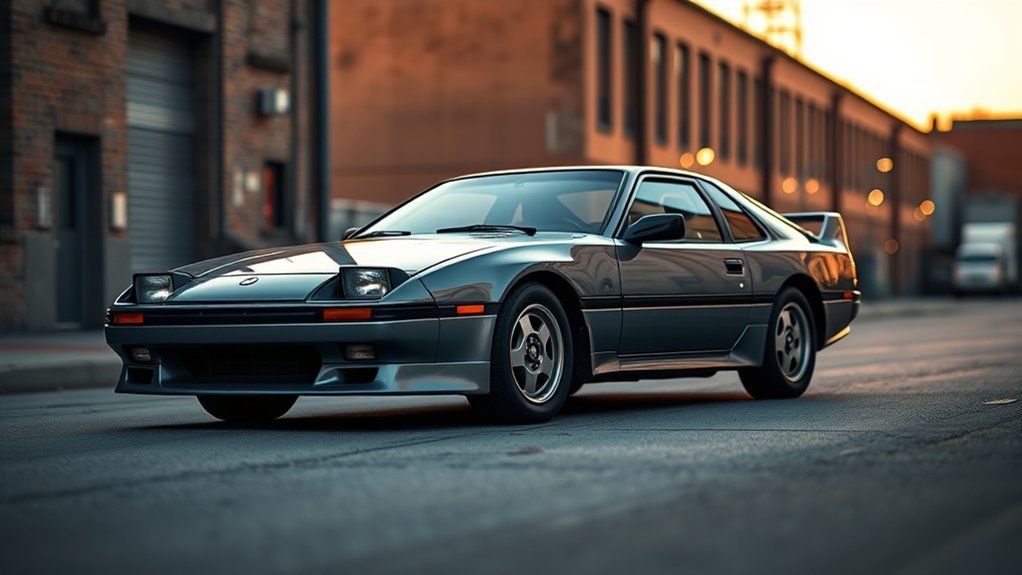
The Mk3 Toyota Supra is a classic that combines impressive performance with a rich enthusiast culture. With its straight-six engines, you can enjoy spirited drives and a sleek design. However, keep an eye out for common rust issues and verify seals are in good condition for reliability. Plus, understanding your engine and transmission choices is key. Want to know more about maintenance tips and community support? There’s plenty more to explore!
Why the Mk3 Supra Remains a Classic: Overview and Features

The Mk3 Supra is often hailed as a classic for good reason. Produced from 1986 to 1992, this Mk3 Toyota sports car features a range of impressive straight-six engines, including the 3.0-liter 7M-GE and turbocharged 7M-GTE, delivering between 200 and 250 horsepower. Its advanced four-seat coupe design combines a rear-drive layout with double wishbone suspension, ensuring enhanced handling and comfort. You’ll appreciate the Mk3’s ability to accelerate from 0 to 60 mph in just 6.1 seconds with the 7M-GTE, perfectly balancing performance with grand touring capabilities. The nostalgia surrounding the Mk3 Supra, coupled with its reputation as a performance icon, has made it a sought-after classic among car enthusiasts and collectors. Production revisions over the years, including updated safety features and design elements, contribute to its lasting charm and desirability, proving that this sports car remains relevant in today’s market.
Key Specs: What Makes the Mk3 Supra Perform?
While many sports cars boast impressive specs, the Mk3 Supra stands out due to its powerful engine options and refined engineering. With its rear-wheel-drive layout, you’ll enjoy a balanced driving experience that enhances handling during high-speed cornering. Here’s what makes the Mk3 Supra a performance icon:
The Mk3 Supra excels with its powerful engines and balanced rear-wheel-drive, offering an unmatched driving experience.
- Engine Options: Choose between the 7M-GE straight-six, producing 200-220 horsepower, or the turbocharged 7M-GTE, delivering an exhilarating 230-250 horsepower and 240-260 lb-ft of torque.
- Acceleration: The turbocharged variant can rocket from 0 to 60 mph in about 6.1 seconds, showcasing its impressive performance capabilities.
- Suspension Design: Thanks to the independent double-wishbone rear suspension and MacPherson struts, the Mk3 guarantees superior stability and smooth ride quality.
These elements combine to make the Mk3 Supra a thrilling experience on every drive, embodying the essence of performance and freedom.
Common Rust and Body Issues
Rust can be a significant concern for Mk3 Supra owners, as certain areas tend to be more prone to corrosion. You’ll want to pay close attention to the spare tire well, trunk drop-off, and inner wheel wells, where rust often hides. The windshield and targa areas can also show paint bubbles, indicating potential issues underneath. Don’t overlook the rear bumper support; its bolts can break due to rust when you try to remove them.
High moisture levels in the cabin can lead to rust, so check for leaking gaskets and any water accumulation in hidden spots. Inspect the plastic mud flaps in front of the rear wheels, as they can trap moisture. Minor issues, like missing rubber cups for body trim clips, may allow water ingress, worsening rust problems over time. Regular inspection and maintenance can help you preserve your Supra’s body and keep it looking sharp.
Essential Gasket and Seal Checks for Reliability
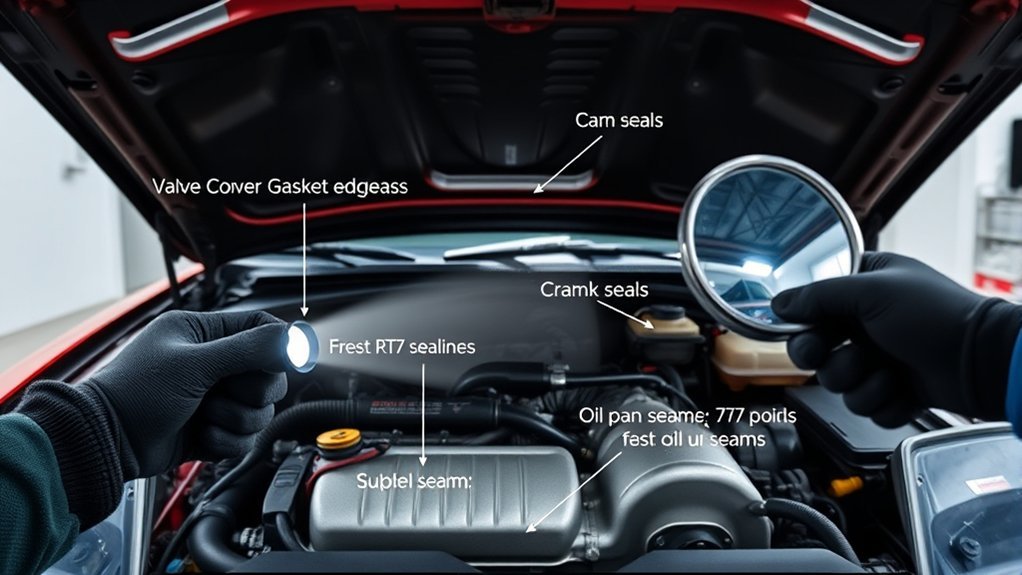
When it comes to your Toyota Supra, keeping an eye on gaskets and seals is essential for preventing water leaks. Check areas like tail light gaskets and lower hatch trim seals regularly, as they’re prone to deterioration and can lead to unwanted moisture in the trunk. Addressing these issues promptly not only safeguards your car from rust but also guarantees a reliable driving experience.
Common Gasket Failure Areas
To keep your Mk3 Toyota Supra in top shape, it’s essential to pay attention to common gasket failure areas that can lead to serious issues. Ignoring these spots can result in water damage, so regularly inspect the following:
- Tail Light Gaskets & Lower Hatch Trim Seals: Check for leaks that may cause water to pool in the trunk.
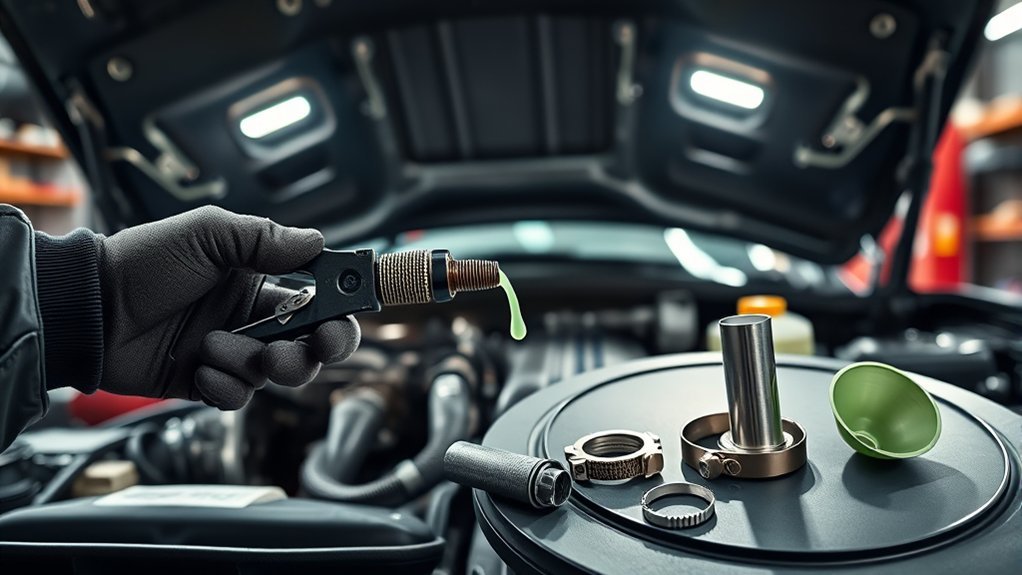
- Window Trim Clips: These can be sources of leaks; applying window sealant can help prevent further issues.
- Rear-Wiper & Power-Antenna Seals: Often overlooked, these can contribute to hidden rust problems.
Preventing Water Leaks
While enjoying your Mk3 Toyota Supra, it’s essential to keep an eye on potential water leaks that can compromise your vehicle’s integrity. Start by inspecting tail light gaskets and lower hatch trim seals regularly, as they often fail, leading to water pooling in the trunk. Check for water behind plastic interior panels; this can signal leaks from window trim clips or other areas. After pinpointing leak sources, use window sealant on problematic clips to stop water ingress into the cabin and trunk. Don’t forget to document any leaks from the hatch or rear lights to prevent rust issues. Finally, regularly evaluate and replace weatherstripping around the Targa top to maintain its effectiveness and keep your Supra dry.
What You Need to Know About Engine and Transmission Choices?
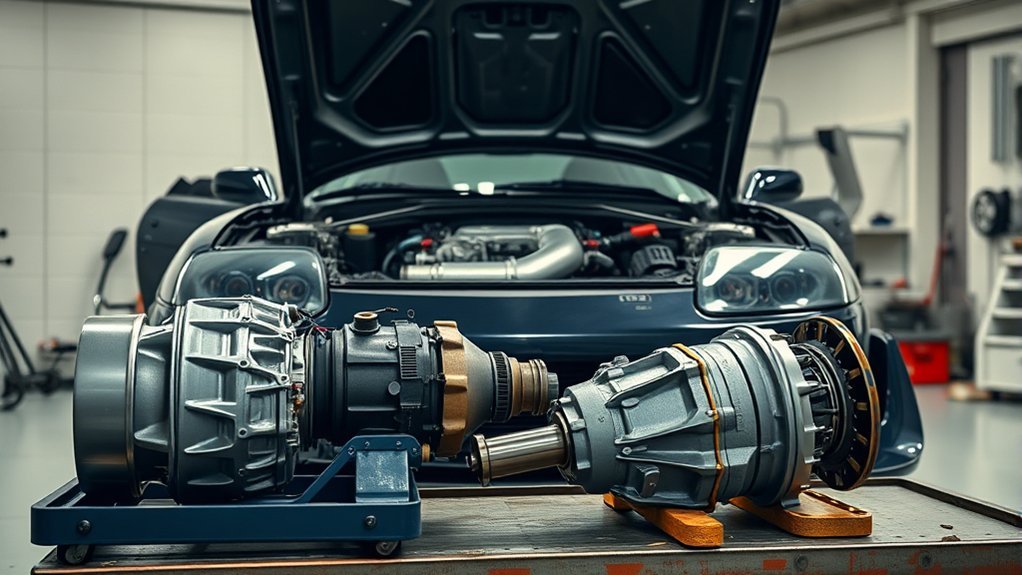
When choosing a Mk3 Toyota Supra, understanding your engine and transmission options is key to optimizing performance. You can opt for the naturally aspirated 7M-GE or the turbocharged 7M-GTE, each offering distinct power levels and driving experiences. Combine that with the choice between the smooth-shifting W58 manual or the robust R154, and you’re set to tailor your Supra to your specific needs.
Engine Options Overview
Understanding the engine options and transmission choices for the Mk3 Toyota Supra is essential if you’re looking to maximize your driving experience. The Supra offers two standout engine options that cater to different preferences.
- 7M-GE: A naturally aspirated engine generating 200-220 horsepower.
- 7M-GTE: A turbocharged variant that delivers 230-250 horsepower, perfect for performance enthusiasts.
- Transmission Options: Choose between a 5-speed manual (W58 for the 7M-GE and R154 for the 7M-GTE) or a robust 4-speed automatic.
Regular maintenance, like cambelt changes every 60,000 miles, is vital for both engines’ longevity. Remember, specifications can vary by model year, so always verify before making modifications. Your driving liberation starts with the right choice!
Transmission Types Explained
Choosing the right transmission for your Mk3 Toyota Supra can greatly enhance your driving experience, as each option is tailored to different performance needs. You’ll find two primary transmission options: the four-speed automatic A340E and the five-speed manual. If you’re into turbo cars, the R154 transmission is your best bet, known for its durability, handling over 750 horsepower. On the other hand, the W58 offers a smoother shift, perfect for non-turbo models, managing up to 400 horsepower. For those seeking improved performance, the steel-reinforced W58 from 1989 boosts reliability. Don’t forget to check your driver’s door jamb stickers for essential details about your transmission options and gearing codes. Make an informed choice to release your Supra’s full potential!
Key Suspension and Steering Features of the Mk3 Supra
The Mk3 Supra stands out for its advanced suspension and steering systems, which considerably enhance your driving experience. You’ll appreciate how the well-engineered components create a perfect blend of comfort and performance, allowing you to truly connect with the road.
Here are three key features that define its suspension setup and steering wheel feedback:
- MacPherson Struts: The front suspension uses MacPherson struts, providing stability and a smooth ride, perfect for both daily drives and spirited adventures.
- Independent Double-Wishbone Design: The rear suspension’s design improves handling and traction, ensuring you feel confident during tight cornering.
- Rack-and-Pinion Steering: This system delivers direct feedback, making every turn engaging and precise.
With fine-tuned suspension and steering, the Mk3 Supra invites you to explore the freedom of driving, whether you’re cruising long distances or carving through winding roads.
How to Assess Wheels, Tires, and Brakes for Performance and Safety
Evaluating your wheels, tires, and brakes is fundamental for both performance and safety, guaranteeing your Mk3 Supra delivers an exhilarating driving experience. Start by inspecting your tires for uneven wear, which could signal suspension issues or misalignment. This check is critical for maintaining peak performance. Next, assess your brake system; listen for any unusual noises that may indicate worn components needing attention. Confirm your brake pads have at least 3mm of thickness, and verify the rotors are free from deep grooves or warping to assure effective stopping power. Don’t forget to check that your wheels are properly torqued to recommended specifications to prevent vibrations or even wheel detachment while driving. If you crave enhanced grip and braking capabilities, consider upgrading to high-performance tires and brake components, especially if you enjoy spirited driving or track days. Safe, powerful performance starts with these essential assessments.
Maintenance Tips for Longevity and Performance
Maintaining your Mk3 Supra goes hand in hand with guaranteeing its wheels, tires, and brakes are in top shape. To keep your performance high and your ride reliable, consider these essential maintenance tips:
Ensure your Mk3 Supra’s wheels, tires, and brakes are well-maintained for optimal performance and reliability.
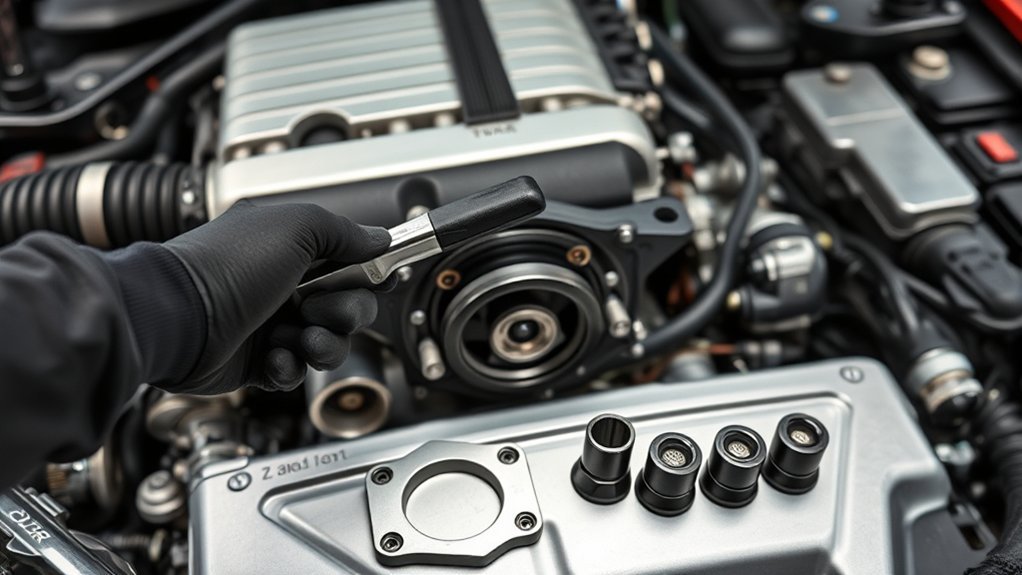
- Cambelt Replacement: Change the cambelt every 60,000 miles or every four years to prevent engine damage in your 7M-GE or 7M-GTE engines.
- Head Bolt Retorque: Retorque the head bolts to 72 lb-ft, especially for the turbocharged 7M-GTE, to avoid costly head gasket failures.
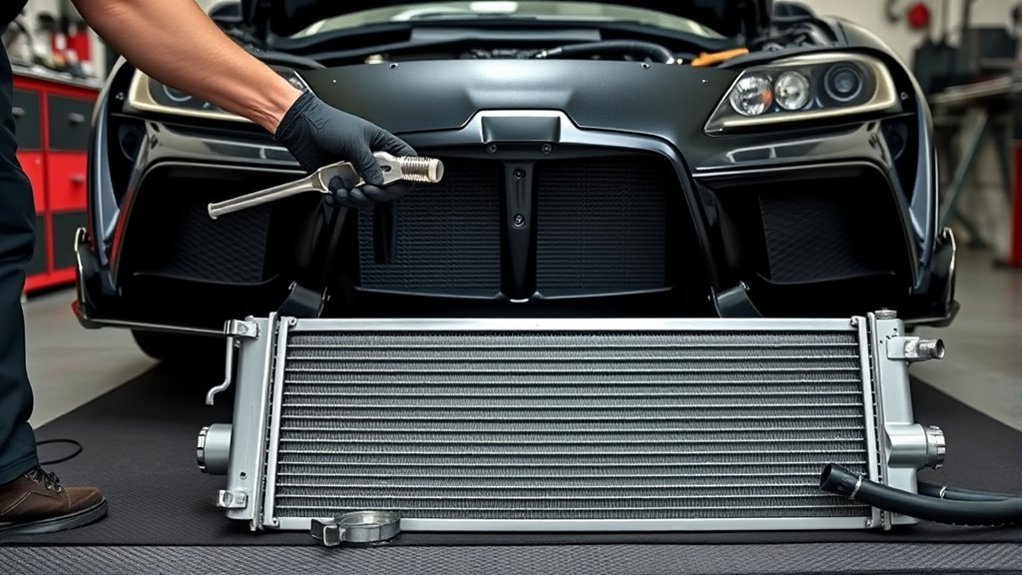
- Cooling System Care: Regularly inspect the radiator and water pump to prevent overheating and turbocharger damage.
Don’t forget to explore aftermarket options, like the Gazoo Racing Heritage Parts program, for sourcing high-quality replacements. By following these tips, you’ll guarantee your Mk3 Supra stands the test of time while delivering exhilarating performance.
Mk3 Supra Pricing Trends: What You Should Know
Wondering how much a Mk3 Supra might set you back? If you’re considering this iconic car, be prepared for a range of prices. Tired examples typically start around £1,000, while serviceable models land between £2,000 and £3,000. If you’re eyeing a good turbocharged manual Mk3 Supra, auctions often reveal prices around £5,000, reflecting their desirability among enthusiasts.
You’ll notice that pricing trends for the Mk3 Supra have been steadily rising, fueled by increasing interest in classic cars. Keep in mind, though, that factors like condition, history, and modifications heavily influence price. A thorough inspection is essential before making a purchase. Also, familiarize yourself with the different trim levels and engine options—specific models may command higher prices based on their performance and rarity. Stay informed, and you’ll navigate the Mk3 Supra market with confidence!
Where to Find Parts and Community Support
When you own a Mk3 Supra, knowing where to find parts and community support is essential for keeping your classic car in top shape. You’ve got some fantastic options to tap into:
- The Supra Store – Located in Sarasota, Florida, this online shop specializes in parts for your Mk3. Check them out at suprastore.com.
- Toyota Gazoo Racing Heritage Parts – For OEM replacements, visit toyotagazooracing.com, where you’ll find solutions for common Mk3 vulnerabilities.
- Online Forums and YouTube – Immerse yourself in dedicated Supra forums for advice and part sourcing. Channels like LunarOutlawsGarage offer valuable insights on maintenance and performance enhancements.
Frequently Asked Questions
What Is the Most Desirable Mk3 Supra?
The most desirable Mk3 Supra is the 1987-1992 7M-GTE Turbo model. You’ll love its performance upgrades and engine modifications, especially the manual transmission variant, which elevates both driving experience and potential for power enhancements.
How Much Are Mk3 Supras Worth?
If you’re diving into the Supra market, Mk3 pricing typically starts at £1,000 for tired models, while good condition turbocharged versions can reach around £5,000. Condition and history are key to evaluating value.
What Is the Rarest Mk3 Supra?
The rarest Mk3 Supra is the 1992 Turbo model, a limited edition with performance upgrades that make it highly desirable. Collectors seek it out for its unique features and scarce production numbers.
What Year Is Supra Most Desirable?
If you’re considering a Supra, you’ll find the 1991 model most desirable. Its blend of modern features and turbocharged performance makes it perfect for racing and modifications, appealing to enthusiasts seeking liberation on the road.
Conclusion
The Mk3 Toyota Supra is more than just a car; it’s a piece of automotive history. With over 200 horsepower in its turbocharged variant, it’s no wonder enthusiasts still flock to this model. Did you know that the Mk3 Supra has a cult following, often fetching prices upwards of $30,000 for well-maintained examples? Whether you’re looking to buy or restore, understanding its quirks and strengths can elevate your experience and appreciation for this classic Japanese sports car.