
Toyota RAV4 AWD System Malfunction Troubleshooting (guide)
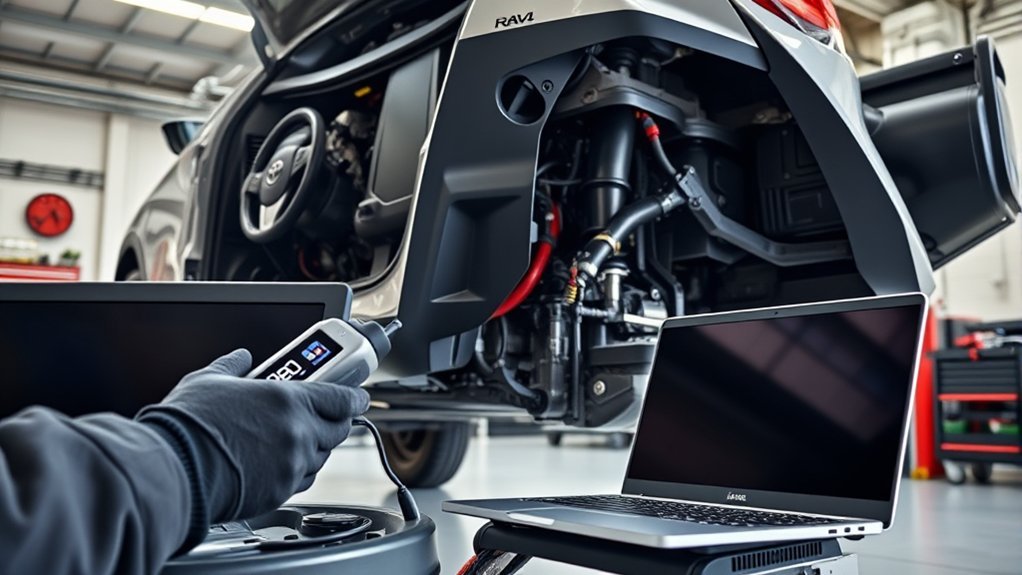
If your Toyota RAV4 displays an “AWD System Malfunction” warning, first check the gas cap for tightness and inspect the battery’s voltage. Use an OBD-II scanner to identify any diagnostic trouble codes. Additionally, examine fluid levels in the transmission and AWD system. If issues persist, disconnect the battery for an hour to reset the system. There are more systematic steps and fixes waiting for you to explore.
Common Symptoms of AWD Malfunction in Your RAV4
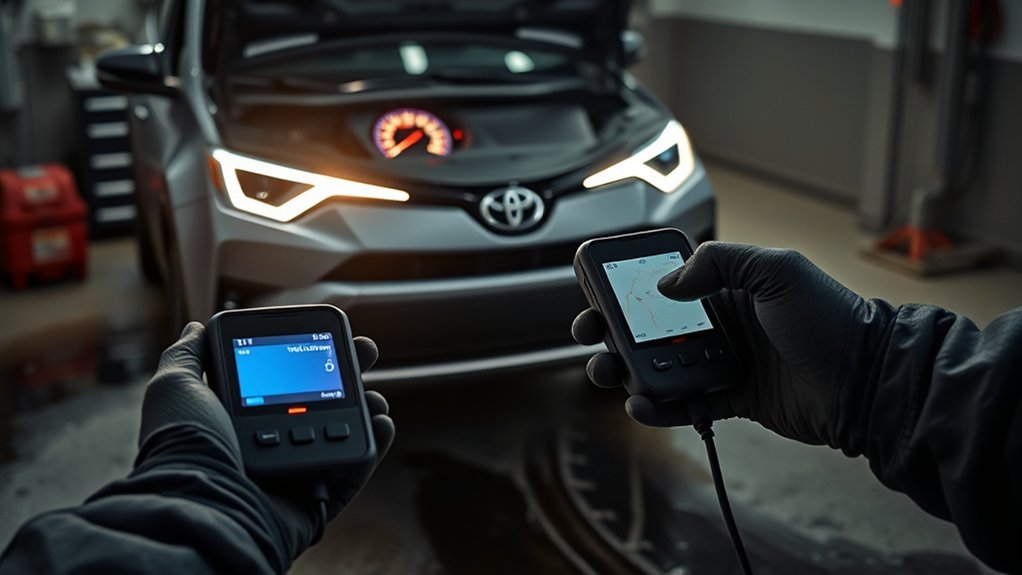
Have you ever encountered warning lights on your dashboard? In your Toyota RAV4, the “AWD System Malfunction” warning is a crucial alert that demands your attention. You might notice this warning alongside the check engine light and the tire pressure warning light. While your vehicle may still drive normally, it’s important to recognize that the activation of the 2WD mode indicator signifies a system malfunction.
It’s worth noting that issues with the battery, such as low voltage or a weak battery, can trigger these warning messages, emphasizing the importance of maintaining battery health. Curiously, some drivers have resolved the AWD malfunction warning temporarily by tightening the gas cap, indicating that sometimes, minor adjustments can alleviate diagnostic trouble. Recognizing these symptoms of AWD malfunction is essential for ensuring your RAV4 performs effectively and safely.
Step-by-Step Troubleshooting for AWD Malfunction Issues
To effectively troubleshoot AWD malfunction issues in your Toyota RAV4, begin with a systematic approach that addresses potential causes. First, check the gas cap for proper tightness; a loose or damaged cap can trigger the check engine light and deactivate the AWD system. Next, test the vehicle’s battery voltage at a local parts store; a weak or dead battery may lead to electronic malfunctions affecting AWD performance. Using an OBD-II scanner, check for any diagnostic trouble codes (DTCs) that could indicate specific issues with the AWD system. Inspect fluid levels in the transmission and AWD system, as low levels can cause overheating, leading to automatic shutdown. If problems persist, disconnect the battery for an hour to reset the system, then monitor your RAV4 for any recurring warning lights or symptoms. This methodical approach will help you identify and rectify AWD issues effectively.
How to Diagnose Electrical and Battery Issues Impacting AWD Performance
After addressing basic AWD malfunctions, it’s important to focus on the electrical and battery issues that can impact performance. Start by checking the following:
- Test the battery’s voltage; a weak or dead 12V battery can trigger AWD system malfunction warnings.
- Inspect battery connections; loose or improperly tightened connections lead to voltage fluctuations affecting functionality.
- Avoid jump-starting without disconnecting cables first; spikes can damage sensitive electronics.
- Regularly clean battery terminals to maintain proper connections, vital for AWD performance.
If electrical issues persist, use an OBD-II scanner to scan for diagnostic trouble codes (DTCs). These codes can reveal underlying problems impacting your AWD system. By systematically addressing these battery and electrical issues, you can guarantee peak performance and avoid further complications in your RAV4’s AWD functionality.
Fixing EVAP Leaks Triggering Warnings
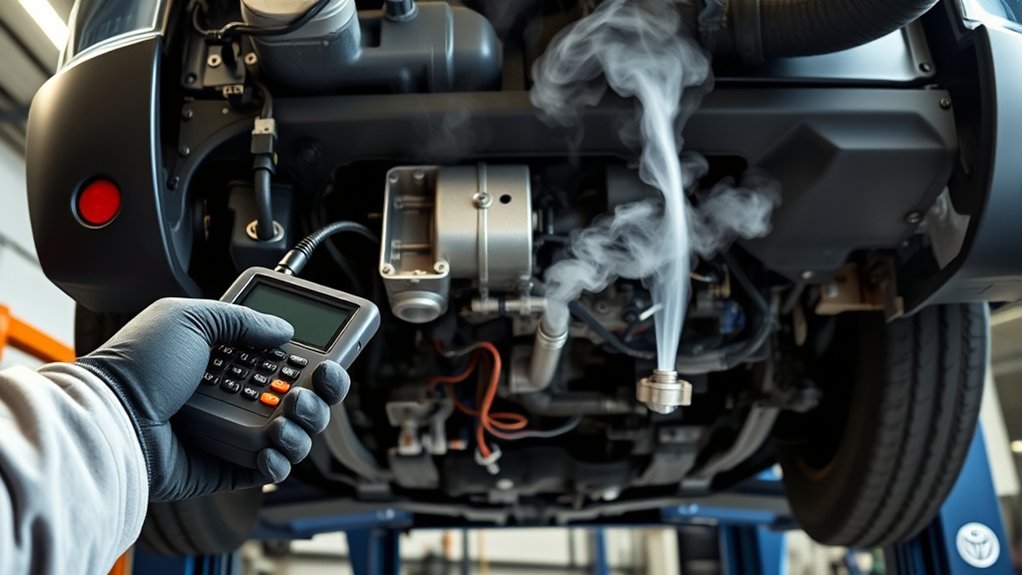
While you may not immediately associate EVAP leaks with AWD system warnings, addressing these leaks is vital for maximum vehicle performance. When your RAV4 triggers warning messages or a diagnostic trouble code like P5406, it often points to EVAP leaks. Start by inspecting the gas cap; a loose or faulty cap can easily cause issues. If tightening or replacing it doesn’t resolve the problem, conduct a smoke test to identify leaks in components such as the charcoal canister, vapor canister purge solenoid, or rubber hoses. It’s also important to avoid overfilling the gas tank, as this can lead to significant EVAP system problems. Repairing the vapor canister purge solenoid has proven effective for some drivers in eliminating AWD malfunction warnings. Addressing these EVAP concerns not only clears warning messages but also enhances your overall driving experience.
When to Seek Professional Help for AWD Malfunction Issues
When the AWD system malfunction warning persists despite basic troubleshooting, it is crucial to seek professional help for a thorough diagnosis. Ignoring these signs can lead to more significant vehicle performance issues. Here are key indicators that warrant a technician’s intervention:
Seeking professional help is essential when AWD system warnings persist, as ignoring them can lead to serious performance issues.
- Additional warning lights are illuminated, suggesting interconnected problems.
- Poor starting performance or significant changes in driving dynamics are noted.
- DIY diagnostics and repairs haven’t resolved the AWD system malfunction.
- The vehicle’s warranty is valid, allowing for cost-effective dealership inspections.
Engaging a professional guarantees a detailed diagnostic inspection, addressing unresolved issues effectively. A qualified technician can pinpoint the cause of the AWD malfunction and recommend the appropriate repairs. Don’t risk your vehicle’s performance—taking swift action can prevent further complications, especially in adverse weather conditions.
Frequently Asked Questions
What Causes AWD System Malfunction on Toyota?
AWD system malfunctions in Toyota vehicles stem from sensor failures, electrical issues, fluid leakage, drivetrain problems, wheel slip, and software glitches, often exacerbated by maintenance neglect, leading to decreased performance and reliability.
How to Reset AWD System Malfunction Toyota RAV4?
To reset the AWD system on your Toyota RAV4, follow the reset procedure in the owner manual, check fuses, troubleshoot sensor issues, and consider a software update or dealer service if the dashboard warning persists.
What Does AWD Malfunction Service Required Mean?
The “AWD Malfunction Service Required” warning signals drivetrain issues, often linked to sensor failures or electronic controls. Addressing these malfunction indicators promptly guarantees peak RAV4 performance and prevents further complications, following essential maintenance tips and troubleshooting steps.
Is It Safe to Drive With an AWD System Malfunction?
Driving with an AWD system malfunction isn’t recommended. You should prioritize vehicle diagnostics, monitor warning lights, and adhere to maintenance tips. Poor driving conditions can exacerbate issues, leading to higher repair costs and compromised safety.
Conclusion
In summary, addressing AWD system malfunctions in your RAV4 is essential for maintaining peak performance and safety. You might think troubleshooting is too complex, but following the outlined steps can simplify the process considerably. By diagnosing issues early, whether electrical or related to EVAP leaks, you can often avoid costly repairs down the line. If you’re ever unsure, don’t hesitate to consult a professional; it’s better to be safe than stranded. Keep your RAV4 running smoothly.