
How To Change Engine Oil Toyota RAV4

To change the engine oil in your Toyota RAV4, start by parking on a level surface and engaging the parking brake. Use a 3-ton floor jack to lift the front, then position an oil catch pan under the 14mm drain plug. Drain the old oil completely before reinstalling the plug. Replace the oil filter and refill with the correct oil type. Finally, check for any leaks and monitor the engine for peak performance. You’ll discover detailed steps and essential tips ahead.
Why Regular Oil Changes Matter for Your Toyota RAV4
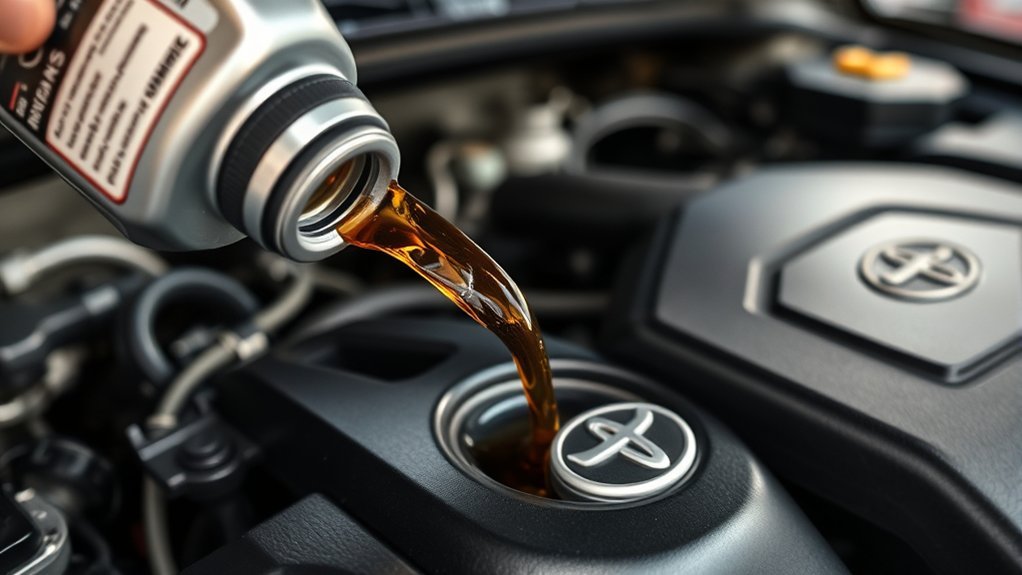
When you change your engine oil regularly, you’re not just maintaining your Toyota RAV4; you’re ensuring its prime performance and longevity. Regular oil changes are essential for peak engine performance, as clean oil lubricates critical components, reducing wear and preventing overheating. Toyota recommends changing the oil every 10,000 miles or annually to uphold engine longevity and warranty coverage.
Neglecting these oil changes can lead to oil pressure problems, often signaled by warning lights, ultimately resulting in expensive repairs or even engine failure. Routine oil changes also prevent sludge buildup and contaminants, which can hinder engine function and efficiency. By adhering to your oil change schedule, you enhance fuel efficiency, contributing to better overall vehicle performance and lower operating costs. Prioritizing these oil changes not only liberates your RAV4 from potential damage but also empowers you to enjoy a smoother, more economical driving experience.
Essential Tools for Your Toyota RAV4 Oil Change
To successfully change the oil in your Toyota RAV4, you’ll need a specific set of tools that guarantee the process is efficient and effective. Start with a 3-ton floor jack and jack stands or ramps to lift your vehicle securely. An oil filter wrench is essential for removing the oil filter without hassle. You’ll need a socket set to handle the drain plug, and a torque wrench is vital for tightening it to the recommended 30 ft-lbs, while the oil filter should be tightened to 18 ft-lbs. An oil catch pan is necessary for collecting the used oil, and having a funnel on hand simplifies the oil filling process. Finally, keep rags nearby for any spills or cleanups. Consider investing in a Fumoto valve for future ease in draining oil, enhancing your oil change experience.
Step-by-Step Guide to Draining Oil in Your Toyota RAV4
To successfully drain the engine oil in your Toyota RAV4, you’ll need specific tools and to follow a precise process. Make sure you adhere to safety precautions while executing each step to avoid any mishaps. Let’s break down the required tools, the steps for draining, and the necessary safety measures.
Required Tools Overview
Before you plunge into changing the engine oil in your Toyota RAV4, it’s crucial to gather the right tools to make the process efficient and effective. Here’s a breakdown of the required tools:
| Tool | Purpose | Notes |
|---|---|---|
| 3-ton floor jack | Lifts the vehicle for access | Guarantee stability |
| Oil filter wrench | Removes the old oil filter | Use MX2320 for best fit |
| Oil catch pan | Catches old oil during draining | Position it under drain plug |
| 14mm socket/wrench | Loosens and removes the drain plug | Check for proper torque |
| Funnel | Assists in refilling engine oil | Prevents spills |
| Rags | Cleans up any spills | Keep handy for cleanup |
Having these tools will set you up for a smooth oil change experience.
Draining Process Steps
Begin by ensuring your Toyota RAV4 is parked on a level surface with the parking brake engaged. Lift the front end using ramps or a jack for better access to the oil drain plug. Position an oil drain pan beneath the plug, typically a 14mm bolt. Use a ratchet or socket to loosen and remove it, allowing the old oil to drain completely. To expedite the process, remove the oil fill cap on top of the engine, enabling air to flow in. Once the oil has drained, clean the drain plug and surrounding area before reinstalling it, tightening it to a torque of 30 ft-lbs for a secure fit. Finally, dispose of the old oil properly and prepare for the next steps, including replacing the oil filter.
Safety Precautions Needed
While changing the engine oil in your Toyota RAV4, it is crucial to prioritize safety to prevent any accidents or injuries. Here are some key precautions to follow:
- Secure the vehicle: Always use four jack stands or ramps to lift your RAV4 securely, preventing it from rolling.
- Protect yourself: Wear gloves to shield your hands from hot oil and safety glasses to guard against splashes during drainage.
- Chock the wheels: Before lifting, chock the rear wheels to stop the vehicle from moving unexpectedly.
- Use a drain pan: Position a drain pan directly under the oil drain plug to collect all the old oil and minimize spills.
Safely Replace Your Oil Filter

To safely replace your oil filter on a Toyota RAV4, start by verifying the engine is off and cool to prevent any burns or injuries. Locate the oil filter, typically positioned near the front of the engine. Using an oil filter wrench, loosen and remove the old filter while placing an oil drain pan beneath it to catch any residual oil.
Before installing the new filter, lubricate the rubber O-ring with fresh oil to guarantee a proper seal and prevent leaks. Hand-tighten the new filter securely, but be careful not to overtighten, as this can lead to damage and potential engine failure.
After replacing the filter, start the engine and run it for a few minutes. This allows you to check for leaks around the oil filter, confirming it’s properly sealed and ready for your next drive.
Refill Your Engine With the Correct Oil
After you’ve replaced the oil filter, it’s essential to refill your engine with the correct oil to guarantee peak performance and longevity. For your Toyota RAV4, follow these steps:
- Check the owner’s manual: Confirm the recommended viscosity, typically 0W-20 or 5W-30, based on your engine type.
- Use a fitted Toyota oil funnel: This helps avoid spills and guarantees proper filling of the oil reservoir.
- Add oil slowly: The engine oil capacity is 4.6 US quarts; pour in the right oil gradually to prevent overfilling.
- Check the oil level: After adding oil, use the dipstick to confirm the level is within the recommended range before starting the engine.
Check for Oil Leaks After Changing Oil?
After changing your oil, it’s essential to check for leaks to guarantee everything is secure. Inspect the oil filter area and drain plug seal for any signs of oil pooling or wetness. Finally, look under the vehicle for any drips that may indicate a leak has occurred.
Inspect Oil Filter Area
Inspecting the oil filter area is essential following an oil change in your Toyota RAV4. This step guarantees that everything is sealed properly and prevents leaks that can damage your engine. Here’s what you should do:
- Check for leaks: Look for any signs of oil around the oil filter and drain plug.
- Tighten the oil filter: Confirm it’s securely tightened, usually hand-tight plus a quarter turn.
- Run the engine: Start the engine for a few minutes and monitor the oil filter area for drips or puddles.
- Address issues: If you notice any leaks, turn off the engine immediately and recheck the filter and drain plug for proper sealing before driving.
Taking these steps will help maintain your engine’s health.
Check Drain Plug Seal
Checking the drain plug seal is essential for preventing oil leaks in your Toyota RAV4. After performing an oil change, inspect the drain plug and its seal for any signs of damage or wear. Verify the drain plug is tightened to the recommended torque of 30 ft-lbs to create a proper seal and avoid oil leaks. Replace the crush washer every time you change the oil to maintain an effective seal. After the oil change, check the area around the drain plug for any signs of oil pooling. If you notice leaks, recheck the drain plug and surrounding components for proper installation and tightness. Regular checks will help verify your vehicle remains leak-free and operating efficiently.
Observe Underbody for Drips
One of the key steps in making certain your Toyota RAV4 operates efficiently after an oil change is to observe the underbody for any drips or leaks. Follow these steps to check for potential issues:
- Start the engine: Let it run for a few minutes to circulate oil.
- Inspect the oil filter: Make sure it’s tightened to about 18 foot-pounds and check for any leaks around the seal.
- Check the drain plug: Confirm it’s torqued to 30 foot-pounds to prevent leaks.
- Visual inspection: Use a flashlight to examine the underbody for any oil residue.
If you find any leaks, address them immediately by tightening the components or replacing the oil filter to protect your engine from damage.
Keep Track of Your Oil Changes for Warranty

To maintain warranty coverage on your Toyota RAV4, it’s vital to keep a detailed log of all oil changes, noting dates, mileage, and the type of oil used. This log guarantees that your maintenance is done right and complies with the owners manual requirements. Retaining receipts for oil and filter purchases, along with any service performed, provides proof of maintenance if you ever need to file a warranty claim.
Follow the manufacturer’s recommended oil change intervals, typically every 10,000 miles or annually. Using OEM parts is essential, as many warranties specify that non-genuine components could void coverage on related parts. Regularly update the oil change sticker in your vehicle to track your maintenance history and remind you of upcoming changes. By staying organized and diligent, you not only extend the life of your RAV4 but also safeguard your warranty.
Frequently Asked Questions
Do I Need to Lift My RAV4 to Change the Oil?
You don’t have to lift your RAV4 for an oil change, but doing so makes access easier. Confirm you have the right tools for oil filter replacement and follow engine maintenance tips for effective DIY car repairs.
How Often Should a RAV4 Oil Change?
You should change your RAV4’s oil every 10,000 miles or at least annually. For severe conditions, consider 5,000 miles. Watch for warning signs, and always replace the oil filter, choosing between synthetic or conventional oils.
What’s the Most Common Problem With a Toyota RAV4?
The most common problem with your Toyota RAV4 often involves excessive oil consumption, but you should also watch for engine issues, transmission problems, electrical failures, brake wear, and suspension noise that could hinder your driving experience.
How Much Oil Does a Toyota RAV4 Take?
Your Toyota RAV4 typically takes 4.6 quarts of engine oil with a new filter. For ideal maintenance, use 0W-20 oil type and follow the recommended oil change schedule to guarantee engine performance and longevity.
Conclusion
Changing the engine oil in your Toyota RAV4 is as crucial as a heartbeat to a body; it keeps everything running smoothly. By following this guide, you can guarantee your engine stays well-lubricated and efficient. Remember to use the right tools and oil, and always keep an eye out for leaks after you’ve finished. Regular oil changes not only enhance performance but also extend the life of your vehicle, so keep that maintenance schedule on track.