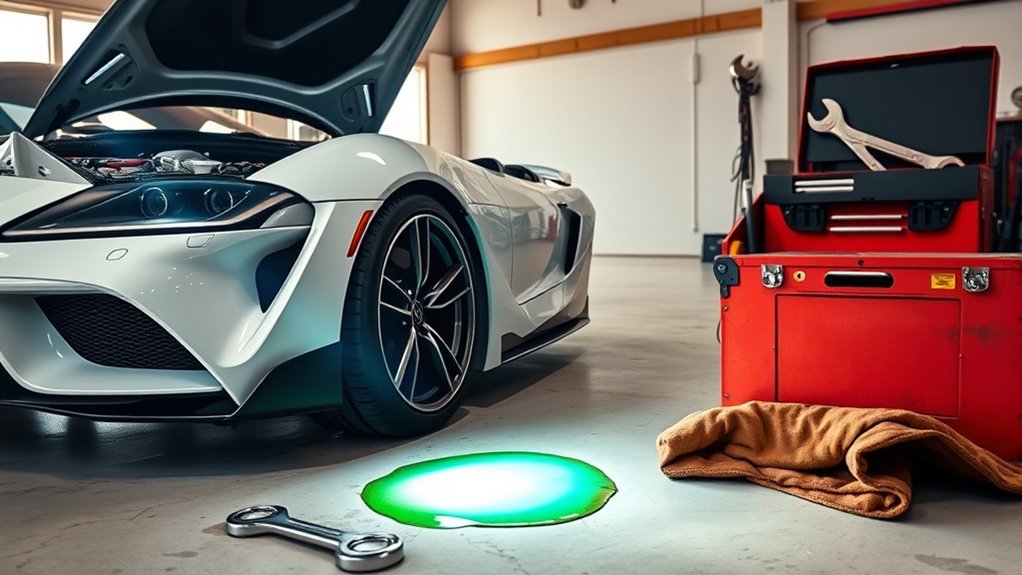
If you’re experiencing coolant loss in your Toyota Supra, start with a visual inspection for leaks around hoses, the radiator, and the reservoir. Check coolant levels and monitor for unusual temperature changes. A faulty radiator cap or worn water pump could be contributing factors. Replacing the cap is an easy fix, while persistent issues may require pressure testing. Keep an eye on your coolant system’s performance; further insights await to help optimize your troubleshooting efforts.
Common Causes of Coolant Loss in Toyota Supras
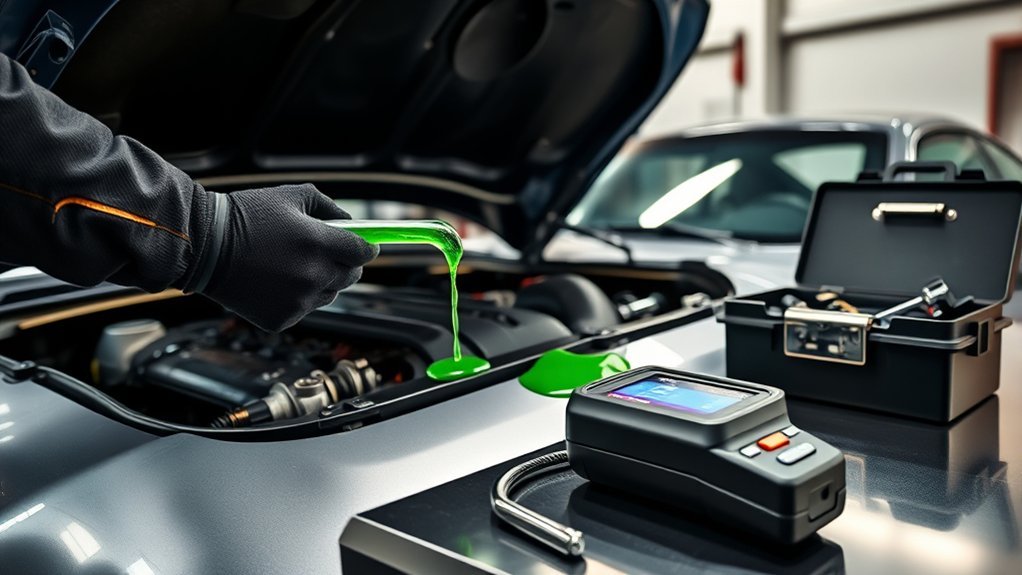
When you notice coolant loss in your Toyota Supra, it’s crucial to identify the underlying causes quickly to prevent engine damage. Common culprits include loose hose connections, which can lead to coolant leaks, and broken radiators, often resulting in overheating. A failed water pump can also contribute to this issue, as it disrupts proper circulation.
Pay attention to the coolant cap; a dry residue might indicate sealing problems that can lead to leaks. If you’re observing low coolant levels without visible leaks, regular inspection of the overflow tank and hoses is essential. A blown head gasket is particularly concerning, as it often shows high leakdown test results and air in adjacent cylinders, hinting at internal issues. Additionally, a cracked block or head can cause internal coolant loss, necessitating thorough diagnostics to prevent further damage. Addressing these issues promptly guarantees your Supra remains in peak condition.
How to Identify Signs of a Coolant Leak
To identify signs of a coolant leak in your Toyota Supra, start by inspecting for visual coolant residue around the reservoir and hoses. Keep a close eye on coolant level fluctuations in the overflow tank, as unexpected drops can indicate a leak. Additionally, monitor for unusual engine temperature changes, which may signal underlying issues within the cooling system.
Visual Coolant Residue Inspection
Inspecting for visual signs of coolant leaks is essential for maintaining your Toyota Supra’s performance and preventing potential engine damage. Start with the coolant cap; look for white residue, which may indicate sealing issues. Next, check the hose connections and radiator for dried coolant traces—these could signal loose fittings or cracks. Inspect the water pump area for stains or wetness, a common leak site. Examine the engine block and nearby components for any pooling or discoloration, as this might suggest a blown head gasket. Finally, monitor coolant levels in the overflow tank after driving; consistent drops could point to an internal leak or pressure problem. By conducting these inspections, you can proactively address issues before they escalate.
Monitoring Coolant Level Fluctuations
Monitoring coolant level fluctuations is essential for identifying potential leaks in your Toyota Supra’s cooling system. Regularly check both the larger and smaller coolant tanks, noting any significant drops; losing coolant often signals a leak or evaporation issue. Watch for white residue around the coolant cap and tanks, as this can indicate leakage or poor sealing. Be alert for any coolant smell, especially near the driver’s side, which may suggest a hidden leak. After topping off the coolant, observe the overflow tank for level changes post-drive, as fluctuations can reveal underlying cooling system problems. Finally, consider using a pressure tester; a drop in pressure can expose leaks that aren’t immediately visible.
Unusual Engine Temperature Changes
Fluctuations in engine temperature can be a clear indicator of underlying coolant issues in your Toyota Supra. When you notice unusual engine temperature changes, it’s essential to act quickly to prevent further damage. Here are some key signs to watch for:
- The temperature needle fluctuates or rises unexpectedly.
- The coolant reservoir is low, especially if there’s white residue around it.
- A hard top radiator hose indicates pressure buildup, possibly from a leak or blown head gasket.
- Sweet smells near the engine or coolant in the exhaust may signal serious issues.
Regular monitoring of coolant levels can help you identify coolant loss early, allowing you to address problems before they escalate.
How to Check for Coolant Leaks Effectively
To check for coolant leaks effectively, start with a thorough visual inspection of hoses, connections, and the radiator for any signs of damage. Next, employ a coolant system pressure tester to identify leaks by monitoring pressure drops. Finally, regularly monitor coolant levels to track any significant changes that could indicate a problem.
Visual Inspection Techniques
When inspecting for coolant leaks in a Toyota Supra, it is crucial to conduct a thorough visual examination of key components. Start by checking the coolant reservoir and cap for white residue or cracks. Next, inspect all visible hoses and connections, especially near the water pump and radiator. Look for coolant stains around the alternator housing and engine block, as these can indicate internal leaks. Finally, examine the radiator for any cracks or corrosion.
- Inspect the coolant reservoir and cap for white residue.
- Check hoses and connections for dampness or wear.
- Look for coolant stains around the alternator and engine block.
- Examine the radiator for cracks or pooling coolant.
Pressure Testing Methods
After completing a visual inspection for coolant leaks, the next step involves utilizing pressure testing methods to accurately identify any hidden issues within the cooling system. Begin by using a cooling system pressure tester to pressurize the system. Monitor the coolant level in the overflow tank; a significant drop indicates low coolant and potential leaks. During the test, inspect all visible hoses and connections for dampness or coolant residue, which can help pinpoint the source of leaks. Additionally, conduct a leakdown test alongside pressure testing to evaluate head gasket condition and cylinder integrity, especially if you notice high leakdown percentages. Don’t forget to check the radiator cap for proper sealing, as a faulty cap can also lead to pressure loss and coolant leaks.
Monitoring Coolant Levels
Monitoring coolant levels is essential for maintaining your Toyota Supra’s cooling system efficiency and preventing overheating. Regular checks can prevent serious issues down the line. Follow these steps for effective monitoring:
- Check the coolant reservoir frequently for proper levels; low coolant may indicate leaks.
- Use a pressure tester to find hidden leaks by observing pressure changes.
- Look for white residue around the coolant cap or reservoir, signaling potential seal failures.
- Track coolant levels over time, noting drops post-drive; this could indicate internal leaks or component failures.
Keep an eye on the temperature gauge too. Stable readings with coolant loss suggest underlying issues that need immediate attention. Stay proactive to guarantee your Supra runs smoothly and efficiently.
Why the Right Radiator Cap Matters
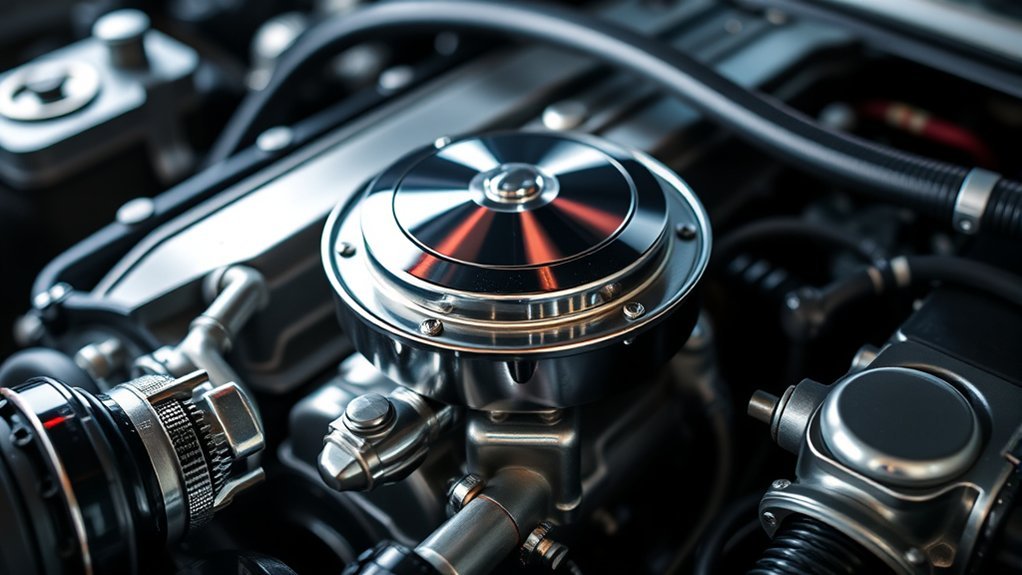
A properly functioning radiator cap is essential for maintaining the cooling system’s pressure, which prevents coolant from boiling and guarantees your engine operates at an ideal temperature. Using the correct radiator cap is critical; an incorrect cap can lead to pressure loss, resulting in coolant leaks and overheating. Many Toyota Supra owners have experienced coolant loss due to faulty or incompatible radiator caps, underscoring the necessity for a proper fit and function. Aftermarket caps, like those from CTS or Versus, might seem appealing for their cost-effectiveness, but they must match OEM specifications to prevent issues. Regularly inspecting your radiator cap for wear, such as cracks or dried residue, can help you avoid coolant leaks. Remember, a compromised cap can lead to serious problems, including coolant in the oil, affecting your engine’s integrity. Prioritize the right radiator cap to guarantee your Supra’s performance and longevity.
Troubleshooting Tips for Coolant System Pressure Issues
When diagnosing coolant system pressure issues, it is crucial to methodically assess each component to pinpoint the source of the problem. Start by using a pressure tester to verify the cooling system holds pressure; a rapid drop may signal leaks or faulty parts.
Diagnosing coolant system pressure issues requires a systematic approach to identify leaks or faulty components effectively.
- Check for air locks; they can cause pressure buildup. Running the engine with the rad cap off can help release trapped air.
- Inspect the radiator cap for proper sealing; a malfunctioning cap can lead to coolant loss and insufficient pressure retention.
- Monitor the top radiator hose; if it feels rock hard at normal operating temperatures, excessive pressure may be due to blockages or internal leaks.
- Regularly check all hoses and connections for dampness or wear; deteriorated hoses can compromise overall cooling system pressure.
When Should You Replace Your Coolant Reservoir or Cap?
How can you tell if it’s time to replace your coolant reservoir or cap? Look for signs like white residue around the coolant reservoir cap, which indicates a sealing issue that could lead to leaks. Frequent coolant loss, dry residue on the cap, or coolant pooling around the reservoir area are common issues suggesting a replacement is necessary. If you notice your coolant reservoir is consistently low despite topping off, the cap might be the culprit, hiding leaks in the cooling system.
Regularly monitor your coolant levels and inspect the cap for wear; these proactive measures can help you catch problems early. Aftermarket coolant caps, usually around $20, can provide easier access and guarantee proper sealing, enhancing reliability. By replacing your cap when needed, you maintain peak performance and prevent potential overheating issues in your Toyota Supra.
How the Water Pump Affects Coolant Loss
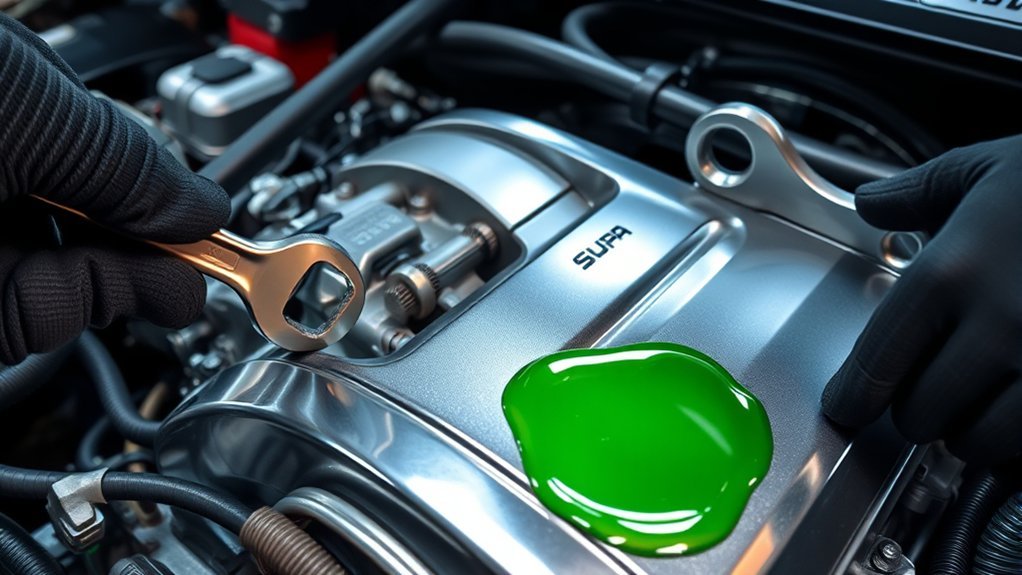
Understanding the factors contributing to coolant loss is essential for maintaining your Toyota Supra’s cooling system. The water pump plays a vital role in circulating coolant throughout the engine. A malfunctioning water pump can lead to significant coolant loss, resulting in overheating and potential engine damage. Here are some signs to watch for:
- Visible leaks around the water pump area
- A whining noise during operation
- Coolant pooling beneath your vehicle
- Overheating due to improper coolant circulation
If you notice any of these symptoms, it’s important to act quickly. Regular inspections of the water pump and its connections can help identify issues early, preventing coolant loss from escalating. Replacing a faulty water pump is a cost-effective preventive measure, typically costing between $183 and $269, ensuring your cooling system functions effectively and safeguards your engine’s health.
Simple Solutions for Addressing Minor Coolant Leaks
Although minor coolant leaks may seem insignificant, addressing them promptly can prevent more serious issues down the line. Start by regularly inspecting your coolant reservoir for any white residue, which often indicates a small leak or seal failure. Replacing the coolant cap can be a simple fix. Monitor your coolant levels frequently; even minor losses can lead to engine overheating if ignored. Topping off with distilled water is a temporary solution, but remember to switch to the recommended HT-12 coolant for peak performance. If you find a soft top radiator hose after the engine cools, it could signal air locks or a failing water pump, both needing immediate attention. Finally, consider performing a pressure test on your cooling system to quickly identify leaks in hoses, the radiator, or connections that might not be visible. Taking these steps guarantees your cooling system remains efficient and your engine protected.
Next Steps If Your Coolant System Still Shows Issues?
If your coolant system still shows issues after taking initial steps, a more detailed inspection is necessary. Start by examining all hoses and connections for wear and leaks, as loose or corroded fittings can lead to coolant loss. Utilize a coolant system pressure tester to identify potential leaks that may not be visible externally. Keep an eye on the coolant level after topping it off, documenting any changes to assess the severity of the loss over time.
- Check for a hard top radiator hose, indicating possible internal pressure issues.
- Consult a professional mechanic for an extensive diagnostic if symptoms persist.
- Investigate the possibility of a blown head gasket or internal leaks.
- Engage with community forums for shared experiences and advice on similar coolant loss issues.
Taking these steps will help you pinpoint the issue and make sure your Toyota Supra runs smoothly.
Frequently Asked Questions
Why Is My Coolant Disappearing With No Leak?
Your coolant’s disappearing due to evaporation or a blown head gasket. When the head gasket fails, coolant enters the combustion chamber, leading to loss without visible leaks. Inspect carefully to identify the underlying issue.
What Are the Common Problems With Supras?
About 30% of Toyota Supras face issues like radiator problems and engine overheating. You’ll often find worn components, such as water pumps or hoses, are culprits. Regular checks can help you avoid costly repairs.
What Is the Toyota Class Action Lawsuit Coolant?
The Toyota lawsuit addresses issues with Supra coolant, focusing on alleged head gasket defects leading to coolant loss and potential engine damage. Affected owners may seek compensation for repairs and extended warranties through the settlement.
What Is the Most Common Place for a Coolant Leak?
The most common places for coolant leaks are the radiator and radiator hose, where cracks or loose connections often develop. Regularly inspect these areas to prevent significant coolant loss and maintain your vehicle’s performance.
Conclusion
In the intricate dance of your Toyota Supra’s cooling system, each component plays a crucial role. When coolant disappears, it’s like a whispered warning of deeper issues beneath the surface. By staying vigilant and troubleshooting effectively, you can prevent minor leaks from morphing into major headaches. Remember, a proactive approach not only preserves your engine’s heart but also keeps your driving experience smooth and exhilarating. Don’t let coolant loss dim the brilliance of your Supra’s performance.