
The Toyota RAV4 first hit the market back in 1994, making it a staple in the compact SUV segment for nearly three decades. It started as a unique crossover, blending car-like handling with the practicality of an SUV. Over the years, the RAV4 has evolved through multiple generations, introducing innovative features, including hybrid technology. Its impressive journey reflects consumer preferences and automotive trends, and if you’re curious, there’s a lot more to discover about its impact and future.
The Origins of the Toyota RAV4: From Concept to Reality
The Toyota RAV4‘s journey from concept to reality began in 1989, when it first emerged as the RAV Four Concept, showcasing a playful design that hinted at its potential as an off-road vehicle. By 1993, the production version of the Toyota RAV4 debuted at the Tokyo Motor Show, officially launching in Japan and Europe in 1994, and North America in 1995. As the first-generation RAV4 rolled out from 1996 to 2000, it featured both two-door and four-door options powered by a 2.0-liter four-cylinder engine delivering 120 horsepower. This innovative vehicle marked the birth of the compact crossover segment, revolutionizing the SUV market. The history of the Toyota RAV4 is a reflection of its ability to adapt and thrive, paving the way for future generations while capturing the spirit of freedom and adventure that drivers crave.
The First Generation RAV4: Key Features That Set It Apart
As you explore the first generation of the RAV4, you’ll quickly notice its key features that distinguished it from other vehicles in the market. Launched in 1996, the first-generation RAV redefined the compact crossover segment with its unique blend of SUV aesthetics and compact size. Available in both two-door and four-door configurations, it offered front-wheel or four-wheel drive options, catering to diverse driving preferences.
Under the hood, its 2.0-liter four-cylinder engine delivered 120 horsepower, striking a balance between performance and fuel efficiency. The two-door variant even featured a hardtop or soft-top convertible option, appealing to outdoor enthusiasts seeking adventure. Importantly, the first-generation RAV4 also boasted decent off-road capabilities, a rarity in its class at that time. This combination of features made the RAV4 a pioneer, paving the way for future crossovers and meeting the desires of those seeking liberation in their driving experiences.
Evolution of the RAV4: A Look at Each Generation’s Highlights
Since its debut, the Toyota RAV4 has undergone significant changes, evolving to meet the demands of drivers and the automotive landscape. Each generation brings its own highlights, reflecting advancements in technology and design.
| Generation | Key Features |
|---|---|
| First Generation (1996-2000) | Unibody design, 2.0L engine, two-door & four-door options |
| Second Generation (2001-2005) | Practical four-door model, spacious interior, 2.4L engine |
| Third Generation (2006-2012) | V6 engine option, first to offer three rows of seating |
The shift from the second generation to the third-gen marked a significant leap in versatility. Now, the current fifth generation (2019-2025) introduces a chunkier design and a powerful plug-in hybrid variant, the RAV4 Prime, boasting 302 horsepower. Each iteration illustrates Toyota’s commitment to innovation and meeting your needs on the road.
The Impact of Hybrid Technology on the RAV4
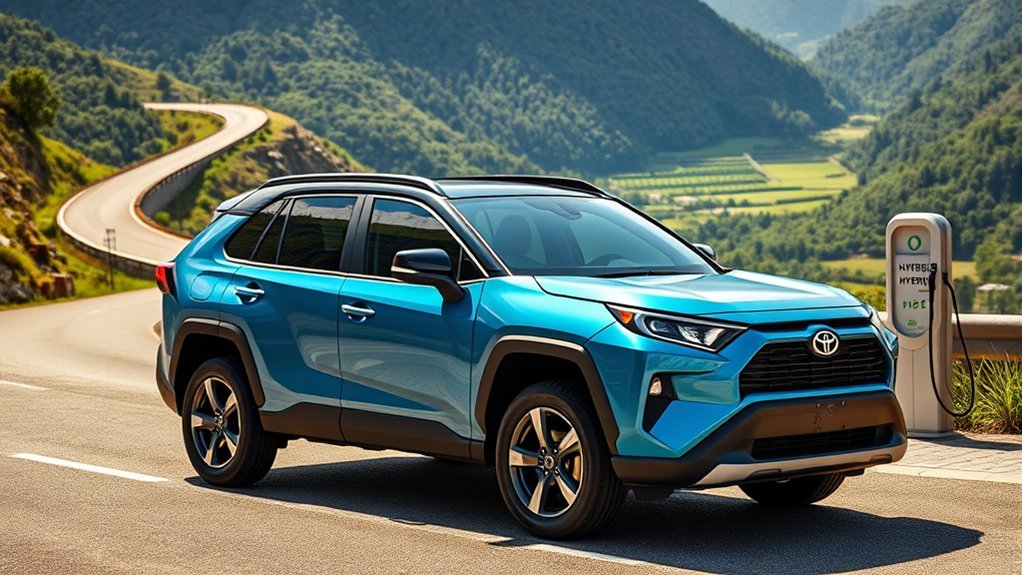
While many compact SUVs struggle with balancing power and efficiency, the Toyota RAV4 stands out, thanks to its innovative hybrid technology. Since introducing the hybrid variant in 2016, the RAV4 has redefined what drivers expect from an SUV. With a 2.5-liter engine paired with three electric motors, you can enjoy impressive fuel efficiency—up to 40 mpg in the city and 36 mpg on the highway. This eco-friendly technology has not only earned accolades for performance but has also greatly influenced RAV4 sales, with hybrids making up a notable portion by 2020. As Toyota commits to further developing hybrid options, including the upcoming sixth generation, the RAV4 is set to remain a leader in the compact SUV market. For those seeking liberation from high fuel costs and environmental impact, the RAV4 Hybrid is a compelling choice that aligns with modern values.
RAV4 Models: Understanding Variants Over Time
Understanding the evolution of the Toyota RAV4 models reveals how this compact SUV has adapted to meet changing consumer demands and market trends. Since its debut in 1994, the RAV4 has gone through five generations, each refining its design and capabilities.
Here’s a quick overview of the RAV4 generations:
| Generation | Key Features |
|---|---|
| First (1996-2000) | Two-door & four-door, 2.0L engine, front-wheel/four-wheel drive |
| Second (2001-2005) | Exclusive four-door, 2.4L engine option introduced |
| Third (2006-2012) | Expanded space, first V6 engine with 270 hp |
| Fourth (2013-2018) | Hybrid variant, conventional rear liftgate design |
| Fifth (2019-2025) | Rugged design, advanced all-wheel drive capabilities |
With each generation, the RAV4 models have embraced innovation, enhancing performance while catering to diverse consumer needs, from four-cylinder engines to hybrid technology.
What’s Next for the RAV4? Future Innovations to Anticipate
As the automotive landscape shifts toward sustainability, the Toyota RAV4 is poised to lead the way with its sixth generation debuting in 2026. This new chapter will exclusively feature hybrid and plug-in hybrid models, emphasizing eco-friendly technology that meets your desire for greener options. The RAV4’s commitment to hybrid technology has been evident since 2016, and upcoming models promise enhanced efficiency and performance features.
You can expect significant advancements in design, making the RAV4 not just functional but also visually appealing. Anticipated innovations include improved performance metrics and potentially exciting new trim levels, like the race-inspired GR Sport. This evolution reflects Toyota’s dedication to integrating advanced technology with sustainable practices. As you look to the future, the RAV4 stands ready to offer you a blend of performance and environmental consciousness, ensuring that your drive aligns with a more liberated, eco-friendly lifestyle.
How the RAV4 Influenced the SUV Market
When you think about the SUV market today, the Toyota RAV4 is a game-changer that set the stage for the compact crossover revolution. Its blend of versatility and practicality has reshaped consumer expectations, pushing other manufacturers to adapt and innovate. Plus, the RAV4’s early adoption of hybrid technology paved the way for greener options in the SUV segment, proving that efficiency and style can go hand in hand.
Compact Crossover Revolution
Since its launch in 1994, the Toyota RAV4 has played a pivotal role in transforming the SUV market, effectively igniting the compact crossover revolution. Here’s how it influenced the industry:
- Market Leadership: With over 10 million units sold, the RAV4 is the best-selling SUV of all time, shaping consumer preferences for compact crossover SUVs.
- Family Focus: Changing to a four-door design, it catered to families looking for spacious yet fuel-efficient vehicles, setting a standard for future models.
- Eco-Friendly Innovation: The introduction of hybrid variants in 2016 showcased Toyota’s commitment to sustainability, encouraging competitors to expand their hybrid and electric offerings.
The RAV4’s legacy is a demonstration of how a single vehicle can redefine an entire segment, liberating drivers from traditional constraints.
Versatility and Practicality Gains
The RAV4’s impact on the SUV market goes beyond just its sales figures; it’s about how it redefined versatility and practicality in vehicle design. By pioneering the compact crossover SUV segment, the RAV4 seamlessly blends car-like handling with rugged SUV capabilities. This vehicle prioritizes passenger comfort and cargo space, offering configurations that cater to diverse lifestyles. Its focus on practicality has influenced countless future models, encouraging manufacturers to adopt similar designs. Additionally, the introduction of a hybrid variant underscores the RAV4’s commitment to fuel economy, appealing to eco-conscious consumers. As the top-selling vehicle in the U.S., the RAV4 has not only shaped consumer preferences but also set a new standard for versatility and practicality in the SUV market.
Hybrid Technology Adoption
As automakers increasingly focus on sustainability, the Toyota RAV4 has emerged as a trailblazer in hybrid technology within the SUV market. The introduction of the RAV4 Hybrid in 2016 marked a significant shift toward eco-friendly technology, demonstrating a commitment to reducing emissions and enhancing fuel efficiency.
Here are three key influences of the RAV4 on the SUV landscape:
- Pioneering Hybrid Options: The RAV4 was the first compact crossover to offer a hybrid variant, setting a benchmark for others.
- Consumer Demand: By 2020, RAV4 Hybrids accounted for 25% of total sales, highlighting a strong market preference for hybrid technology.
- Inspiring Innovation: Its success prompted other manufacturers to accelerate the development of hybrid and electric SUVs, reshaping the industry.
Why Do Drivers Love the RAV4 Today?
You’ll find that drivers love the RAV4 today for its versatile performance options, which cater to a range of lifestyles and preferences. With advanced safety features like Toyota Safety Sense™, you can feel confident on every journey. Plus, the spacious interior design guarantees you have room for both passengers and cargo, making it a practical choice for any adventure.
Versatile Performance Options
Since its launch in 1994, Toyota RAV4 has captivated drivers with its versatile performance options, making it a top choice in the compact crossover segment. Here’s why you’ll love the RAV4 today:
- Engine Variety: Choose from a fuel-efficient 2.5-liter four-cylinder engine or hybrid variants that enhance fuel economy, meeting diverse performance needs.
- All-Wheel Drive: The latest models offer all-wheel drive and dynamic torque vectoring, greatly improving handling and traction for any driving condition.
- Eco-Friendly Performance: The RAV4 hybrid model combines a 2.5-liter engine with electric motors, ensuring impressive fuel efficiency and a commitment to sustainability.
With these features, the RAV4 provides the versatility and reliability every driver craves, making it a standout choice in today’s market.
Advanced Safety Features
The Toyota RAV4 not only excels in versatile performance but also prioritizes your safety on the road. With Toyota Safety Sense™, you gain access to advanced driver-assistance technologies like pre-collision systems and lane departure alerts, making every journey safer. The fourth generation introduced significant safety enhancements, such as improved airbag systems and a reinforced body structure, boosting its safety ratings in crash tests. Models from 2019 onward come standard with a rearview camera and blind-spot monitoring, enhancing your visibility and confidence behind the wheel. Consistently earning high safety ratings from the NHTSA and IIHS, the RAV4 reinforces its reputation as a reliable vehicle choice that empowers you to drive with peace of mind.
Spacious Interior Design
With up to 73 cubic feet of cargo space, the Toyota RAV4’s spacious interior design has become a key reason why drivers love this versatile SUV. You’ll appreciate how it adapts to your lifestyle, whether you’re commuting or starting weekend adventures. Here are three standout features:
- Versatile Seating Options: Easily configure the seats to maximize cargo capacity, accommodating everything from groceries to sports equipment.
- Improved Interior Dimensions: Built on the TNGA-K platform, the latest RAV4 offers enhanced passenger comfort and accessibility.
- User-Friendly Features: Ample storage compartments and intuitive technology make it a practical choice for modern drivers.
This thoughtful design prioritizes space and convenience, making every journey enjoyable and liberating.
Frequently Asked Questions
When Did Toyota Start Making the RAV4?
Toyota started making the RAV4 in 1994, marking a significant point in the RAV4 history timeline. Its design evolution set trends, impacting the market and driving global sales, revolutionizing the compact SUV segment forever.
What Year Is RAV4 to Stay Away From?
If you’re seeking a reliable ride, steer clear of the 2013-2018 RAV4. With its transmission troubles and engine problems, plus outdated safety features, it may burden you with unexpected maintenance and reliability issues.
What Are the Common Toyota RAV4 Problems?
You might face engine issues, transmission problems, electrical failures, and suspension concerns with certain Toyota RAV4 models. Being aware of these common problems can help you make informed decisions when considering your next vehicle purchase.
What Is the Lawsuit Against the Toyota RAV4?
You’re facing a troubling lawsuit regarding the Toyota RAV4, filled with consumer complaints about fuel system issues. Settlement outcomes are uncertain, and safety concerns linger, leaving many owners seeking justice and peace of mind.
Conclusion
As you navigate the roads in your RAV4, you’re not just driving a vehicle; you’re part of a legacy that’s evolved for over two decades. With each generation, Toyota’s commitment to innovation has painted a vivid picture of reliability and versatility. The blend of cutting-edge technology and practical design continues to capture hearts, making the RAV4 a beloved choice for adventurers and families alike. So, buckle up and enjoy the journey—this iconic SUV is just getting started!







Leave a Reply