
A steady hum that rises as pressure builds is usually normal. But you should stop if the sound stays loud without pressure change, shifts pitch, grinds, rattles, or the housing overheats.
Quick checks: verify hoses and fittings, listen for irregular vibration, feel for hot spots, and make sure the intake isn’t clogged. Tighten loose fasteners and replace filters to cut noise.
Persistent harsh noises or grinding need a technician. The next section explains specific causes and fixes.
Quick Answer
- Normal sound: A steady hum that matches rising pressure means the motor is working properly.
- Warning signs: Grinding, rattling, knocking, or loud humming without pressure change signals mechanical problems or electrical faults.
- Fast fixes: Check for air leaks, tighten loose parts, clean or replace the air filter, and use vibration-damping pads.
- Get help when: Abnormal sounds persist after basic fixes, the unit overheats, or performance drops sharply.
Is the Humming Normal? 3 Quick Signs
A steady hum usually means the inflator’s motor is doing its job. Watch for three quick signs that tell you whether the noise is normal or problematic.
First, confirm the humming sound matches rising pressure. That alignment means normal operation and no immediate action needed.
Second, if the hum continues without pressure change, suspect electrical faults or mechanical problems like a jammed pump or worn bearings. You’ll need inspection and targeted repairs.
Third, separate routine motor tone from excessive noise. Irregular pitch, grinding, or vibration signals trouble beyond routine maintenance and calls for shutdown and service.
Perform quick checks to avoid breakdowns: verify connections, listen for changes under load, and note how the sound evolves. Keep a short log so you can track trends and fix issues before they become failures.
Common Causes of Loud Tire Inflator Noise
If the hum steps up into something louder or stranger, pinpoint the mechanical sources quickly.
Loud noises usually trace to friction or strain. Failing bearings, damaged pistons, or worn drive belts create urgency because mechanical failures escalate fast.
A blocked air intake or clogged filter forces the motor to work harder. Constant high-pitched tones often mean you should replace air filters or clear the intake.
Rattling or grinding points to loose or worn internal parts that’ll damage adjacent components if left alone.
- High-pitched whine: Motor strain from restricted air intake. Check and replace air filters.
- Squeal: Misaligned or worn belt causing excess friction and rapid wear.
- Rattle or grind: Loose fasteners or worn gears signaling imminent mechanical failures.
- Deep knocking: Failing bearings or pistons. Internal components need inspection or replacement.
Address these issues before they leave you stranded.
[Products Worth Considering]
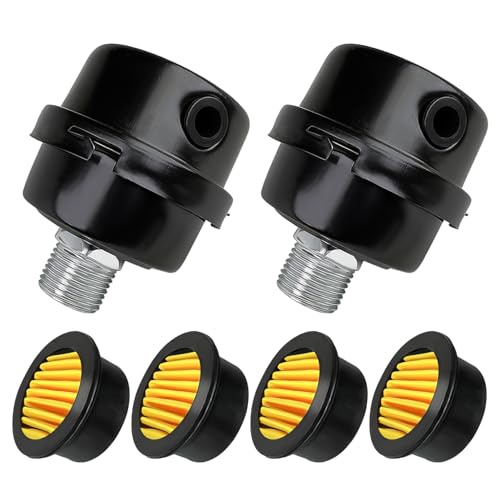
High-Quality Air Compressor Silencer:This package includes 2 air compressor silencers and 2 air compressor intake filter elements with a 1/2" male thread and 20mm thread diameter, designed for reducing noise and improving compressor performance,with two additional replacement elements to keep it in top working condition for a long time

Package Content: you will receive 8 air compressor filter elements with the size about outer diameter 2.55 inches/ 6.4 cm, inner diameter 1.45 inches/ 3.7 cm, Height 1.59 inches/ 4.0 cm, there are enough quantities to meet your daily use needs and replacement requirements
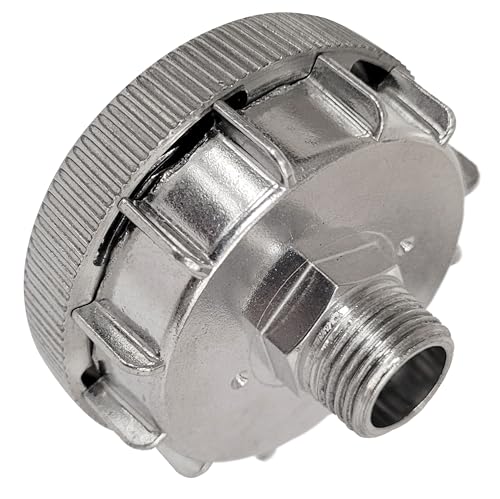
Aluminum Metal Housing
5 Fast Checks You Can Do Now (No Tools)
Want to know fast whether your inflator is healthy? Start by listening closely.
A steady hum is normal. If it gets loud or shifts pitch, note it.
While it’s running, check for unusual rattling or grinding. Those point to loose or worn components that need attention.
Watch the airflow at the nozzle. Consistent, steady output is expected. If you hear irregular hissing or feel sputtering, suspect an air leak.
Touch the housing carefully and briefly to check for overheating. If it’s uncomfortably hot, stop and let it cool before further use.
Observe the unit’s position. On a hard floor it can amplify vibrations. Moving it or placing it on a rubber mat will reduce transmitted noise.
Do these quick, no-tool checks to separate normal operation from immediate problems. If you detect loud anomalies, persistent rattling, inconsistent airflow, or overheating, power down and seek a deeper inspection.
[Products Worth Considering]

[Fast & Efficient Inflation] The OlarHike tire inflator features a high-performance motor that delivers rapid airflow—inflate a standard car tire (195/65 R15) from 30 to 35 PSI(+5 PSI) in just 55 seconds, or a larger SUV tire (235/65 R17) from 30 to 35 PSI(+5 PSI) in only 2.2 minutes. Ideal for cars, SUVs, light Pickup(Within 51 PSI), motorcycles, bicycles, and sports balls. Important Note: The unit can only inflate car/pickup truck tires up to 51 PSI

ADVANCED TRUEGAUGE SCREEN: This battery tire inflator includes updated sensor technology, capable of collecting pressure data from tire inflators at a frequency of 200 times per second. Its valid data rate is higher than 80%, which is 60% better than the market average. Wherever you go, accurate readings help you drive safely.

【METAL INFLATABLE STRUCTURE】: It’s composed of metal cylinder and metal gear, it could continuously work for 20 minutes, the maximum air pressure could reach 160psi, meet the needs of 4 tires at a time, more efficient and faster to use.
Simple Fixes for Noisy Tire Inflators

Start by checking hoses and fittings for leaks. Escaping air often causes hissing and means a loose or damaged connection that needs tightening or replacement.
Tighten any loose fasteners and clamps to stop rattles and vibration. Make sure the inflator sits on a stable surface.
Clean or replace the intake filter per the manufacturer’s schedule to prevent airflow restriction and excess noise.
[Products Worth Considering]

【Hands Free & Leakage Solver 】This premium air chuck with tire valve fine thread, was specially designed to resolve the annoying air leakage problem by converting tire inflator's screw-on (twist-on) air chuck to lock-on air chuck, just put on and lock the clamp, then start your hands free tire inflation.

【Package Includes】2 x Closed Ball Air Chuck with 1/4'' female NPT air inlet, 2 x Male Quick Plug and 1 x Teflon Tape. A highly practical combination, compatible with most tire inflators, wheel pressure gauges and air compressor accessories. Widely applicable and convenient for inflating schrader valve of most bikes, motorcycles, cars, buses, trucks, etc.

【PACKAGE INCLUDES】: You will receive 7pcs inflator hose set, including 1x 33''/84cm extend air pump hose, 1x Presta Valve Adaptor(American type to French type), 1x Ball Pump Needle Adaptor, 2x Tapered Nozzles, 2x Converting Nuts.
Check For Air Leaks
When you hear a persistent hiss from your inflator, check connections, hoses, and the nozzle for escaping air.
Apply soapy water to suspect areas. Bubbles will pinpoint leaks quickly.
Inspect and maintain seals and fittings regularly for quiet, reliable service. Find and fix leaks to cut noise levels and restore efficient tire inflation.
- Check all junctions: couplers, hose ends, and the nozzle where leaks hide.
- Use soapy water and watch for bubbles. Mark and test each suspect spot.
- Replace worn hoses and damaged fittings promptly to stop recurring air leaks.
- After repairs, retest under pressure to confirm reduced noise and restored performance.
Tighten Loose Components
A few loose screws or fittings can turn a quiet inflator into a noisy one. Inspect and tighten all visible fasteners before assuming a deeper issue.
Check housing screws, mounting bolts, and hose fittings. Tighten loose components to manufacturer torque specs using a torque wrench.
This prevents vibration-induced rattles and lowers noise levels while protecting seals and threads.
Follow a simple checklist and document torque values to support regular maintenance. If tightening doesn’t stop the noise, inspect for worn parts like bearings, mounts, or couplings that degrade performance and must be replaced.
Consistent tightening and inspection extend service life and keep operation quiet.
Clean Or Replace Filter
Tightening fasteners reduces rattles, but an obstructed air filter can still make your inflator sound strained and loud.
You’ll recognize a clogged filter because the compressor will work harder, pull less air, and produce harsher noise.
Inspect filters every few months or after 10 to 15 uses as basic maintenance to protect performance.
- Causes and solutions: Dirt restricts flow. Clean or replace the air filter to restore throughput.
- Access: Many inflators have removable filters. Blow out with compressed air or swap a cheap element.
- Risk: Ignore buildup and the motor overheats, shortens life, and gets louder.
- Action: Schedule checks, keep spare filters, and treat this as simple preventative maintenance.
When to Stop and Call a Pro
If your inflator suddenly gets louder or starts making grinding, rattling, or knocking noises, stop using it and have a technician inspect it.
You rely on a tire inflator for mobility. Loud noise beyond normal operation often flags a mechanical issue that demands professional inspection. Don’t push past odd sounds.
Listen for patterns. Grinding, rattling, knocking, or a constant loud hum without pump action point to internal damage, worn bearings, electrical faults, or a jammed pump.
If noise spikes while pressure rise slows, power draw rises, or performance drops, power down immediately. Continued operation risks further damage or safety hazards. According to OSHA occupational noise exposure standards, prolonged exposure to loud equipment can also pose hearing risks.
Contact a qualified technician when abnormal sounds persist after basic checks and filter maintenance. Describe symptoms precisely: noise type, when it occurs, any loss of function.
Professional diagnosis protects your device and keeps you mobile without surprise failures. Get it inspected rather than attempting repairs you’re not trained to perform.
Quick Tips to Reduce Tire Inflator Noise
Start by placing the unit on vibration-damping pads or a rubber mat to cut structure-borne noise and prevent resonance with nearby surfaces.
Fit an intake silencer or foam muffler to smooth airflow and reduce high-frequency intake hiss.
Together these quick changes let you lower operational noise without major repairs or replacing the inflator.
Use Vibration-Damping Pads
While a tire inflator’s motor is the primary noise source, placing it on a vibration-damping pad cuts the vibration transferred to the floor or workbench and noticeably lowers overall sound.
You’ll get effective noise reduction by isolating the unit. The pad absorbs vibrations and prevents surface-borne amplification.
Choose rubber or dense foam pads rated for equipment use. They’re cheap, durable, and easy to fit.
- Place the inflator centrally on the pad to maximize contact and reduce vibration transfer.
- Select material and thickness based on weight and duty cycle to reduce noise levels predictably.
- Inspect pads periodically. Replace when compressed, cracked, or ineffective.
- Combine pads with a stable platform for a consistent, quiet inflating experience.
Install Intake Silencer
Most of a tire inflator’s loudness comes from turbulent air entering the compressor.
Fitting a properly sized intake silencer cuts noise at the source by absorbing sound waves and smoothing airflow.
Choose a unit matched to your model and flow rate so you don’t starve the compressor. The right intake silencer can reduce noise by 10 to 20 dB while maintaining ideal airflow performance.
Install it inline or at the inlet port per manufacturer specs. Seal connections to prevent leaks that recreate turbulence.
Inspect and clean the silencer regularly. Dust and oil buildup degrade acoustic absorption and airflow.
With simple, regular maintenance you keep the inflator quiet without sacrificing power.
Frequently Asked Questions
Why Is My Air Compressor Making a Loud Sound?
Your air compressor’s loud sound means worn bearings, loose parts, air leaks, or design-related vibration. Perform troubleshooting, apply regular maintenance and noise reduction techniques, and consider your compressor type and performance factors.
Why Are Tire Inflators so Loud?
They’re loud because tire inflator mechanics create vibration and airflow noise. Use noise reduction techniques, maintenance tips, soundproofing options, and safety precautions to minimize wear, isolate vibration, and get quieter, safer operation.
How to Fix a Loud Air Compressor?
Fix a loud air compressor by following maintenance tips: tighten fasteners, lubricate bearings, test for leaks, change filters. Apply noise reduction techniques and sound insulation methods. Use this troubleshooting guide, then consider replacement options if needed.
Are Air Compressors Supposed to Be Loud?
Some air compressors will be loud, but quieter models exist. Match air compressor types to your needs, apply noise reduction techniques, follow maintenance tips, address common issues, and boost operational efficiency.
Conclusion
You’ve learned when a hum’s normal and which noises mean trouble.
Do three quick checks: listen for grinding, watch pressure rise, feel for vibration. If any fail, stop.
Try tightening fittings, replacing a damaged hose, or cleaning the intake screen first. If noise persists or the unit overheats, call a pro.
For example, a commuter’s inflator with a torn hose vibrated loudly. Replacing the hose fixed it immediately with no mechanic needed.







Leave a Reply