
If your tire inflator smells like something’s burning, stop using it immediately and unplug it — that odor usually means overheating, an electrical fault, or mechanical failure that can cause fire or damage. Let it cool, check vents, cords, hoses, and look for melted plastic or scorch marks. A brief motor run can reveal grinding or squeal noises. You can sometimes fix clogged vents or replace hoses, but persistent smells or electrical issues need a pro; keep reading for specific checks and fixes.
Stop Using It : Is It Safe to Restart?
If you smell burning from your tire inflator, stop using it immediately and don’t restart it until you’ve let it cool and inspected it — restarting too soon can cause electrical shorts or fires. You’ve got to treat that burning smell as a clear warning: power down, unplug, and give the compressor time to drop temperature. Common causes include seized bearings, overloaded motor, or leaking oil contacting hot components. Restarting while it’s hot risks further damage and serious safety risks like sparks or thermal failure. After cooling, do a careful visual check for scorched wiring, melted plastic, or oil residue; if the odor persists or you find damage, don’t try to fix it yourself beyond basic cleaning. Contact the manufacturer or a qualified technician for repairs or replacement. Routine maintenance and watching for unusual smells during operation keep you free from avoidable hazards and keep your tools reliable and under your control.
3 Quick Checks: Identify the Odor Source, Visual Damage, and Motor Test
When you detect a burning smell from your tire inflator, stop, unplug it, and start with a quick visual sweep for melted plastic, frayed wires, oil spots, or scorch marks that pinpoint the source. You’re looking for visual damage to the housing, power cord, and electrical wiring. Check for a burning rubber smell around seals or belts. Use a short motor test: run the unit briefly in a well-ventilated area, listen for grinding, and sniff for worsening Air Compressor Smells. Watch temperature — overheating or inadequate airflow will make issues obvious.
| Sight | Sound | Smell |
|---|---|---|
| Melted plastic | Grinding | Burning rubber smell |
| Frayed wires | Squeal | Acrid electrical |
| Oil spots | Clicking | Hot, chemical |
| Scorch marks | Humming | Persistent burning smell |
| Damaged cord | Silence (stalled) | Worsening odor |
If problems persist after these checks, stop using it and consult a professional for repair.
What Causes a Burning Smell in a Tire Inflator?
Why is your tire inflator giving off a burning smell? You’re likely facing overheating: prolonged use pushes internal components past design limits, creating excessive heat and friction. That heat can trigger wear and tear on brushes, bearings, and insulation, producing acrid odors. Poor ventilation makes this worse—restricted airflow stops the unit from shedding heat, so temperatures climb faster.
Electrical faults like short circuits also create acrid odors and signal wiring problems that raise fire risk. Incompatible or degraded lubricants can undergo chemical breakdown when exposed to excessive heat, adding sharp, chemical burning smell notes. Regular inspection helps you spot worn parts, clogged vents, or oil that’s degraded before it escalates.
Treat any burning smell as a safety warning: stop use, isolate the tool, and assess ventilation and visible damage. Prioritizing maintenance and proper airflow preserves safe operation and keeps you free from preventable hazards.
[Products Worth Considering]

ADVANCED TRUEGAUGE SCREEN: This battery tire inflator includes updated sensor technology, capable of collecting pressure data from tire inflators at a frequency of 200 times per second. Its valid data rate is higher than 80%, which is 60% better than the market average. Wherever you go, accurate readings help you drive safely.

[Fast & Efficient Inflation] The OlarHike tire inflator features a high-performance motor that delivers rapid airflow—inflate a standard car tire (195/65 R15) from 30 to 35 PSI(+5 PSI) in just 55 seconds, or a larger SUV tire (235/65 R17) from 30 to 35 PSI(+5 PSI) in only 2.2 minutes. Ideal for cars, SUVs, light Pickup(Within 51 PSI), motorcycles, bicycles, and sports balls. Important Note: The unit can only inflate car/pickup truck tires up to 51 PSI

Please Note: This product must be powered by a 12V DC Cigarette Lighter to function properly, and ensure the vehicle is in a running state. And it equipped with a 9.8-foot cord, which can meet the usage needs of most regular-sized vehicles.
Can You Fix It Yourself? DIY Fixes, Costs, and When to Call a Pro
While you can handle several fixes yourself, always unplug the inflator and let it cool before you start any inspection or cleaning. Do a visual inspection of the cord, plug, vents, hose and seals; common sources of a burning smell include damaged insulation, clogged vents causing overheating, or worn seals. DIY fixes are straightforward: clean vents of dust to restore airflow, replace hoses or seals with basic tools, and retest in short bursts to check duration and any lingering odor. Monitor for performance issues like reduced output or strange sounds. Costs for parts are typically low; labor savings make DIY attractive if you’re comfortable and the problem is minor. Stop and call a professional if the smell persists after DIY fixes, if you see melted components, or if electrical damage is evident. A pro will diagnose internal faults safely and prevent further damage or hazards you don’t want to inherit.
[Products Worth Considering]

Package Included: <br> 25 X Tire Inflation Clamp Sealing Ring

【360° ROTATING TIRE CHUCK】LUMITECO tire inflation hose with swivel tire chuck features more flexibility for a hassle-free inflation process, ensuring you can inflate with ease from any angle. No more struggling to position your portable air compressor, just adjust the air chuck and inflate.
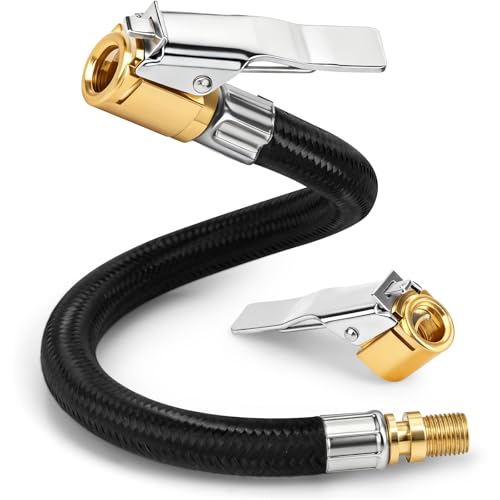
Upgraded Durable Material: Made with high-pressure woven fabric and equipped with solid brass quick-connect chucks for superior durability. The reinforced hose resists cracking and abrasion, ensuring long-lasting stability and reliable performance.
How to Prevent Burning Smells: Maintenance, Correct Oil, and Storage Tips
If you want to keep burning smells from developing, stick to a simple maintenance routine: check and change oil on schedule, replace oil filters at the recommended intervals, clean vents, and store the inflator in a cool, well-ventilated spot. You’ll prevent oil smell and overheating by using the correct oil spec from the manual and by doing regular checks—rotary screw units need oil changes around 4,000–8,000 hours; reciprocating models usually need annual oil and more frequent oil filter swaps. Inspect vents and airflow during each service; clogged vents invite burning smells. Store the unit with good ventilation and away from heat to follow basic storage tips that reduce thermal stress and varnish formation. Empower yourself: a disciplined maintenance plan frees you from unexpected failures and keeps performance consistent. If oil smell or overheating persists after these steps, stop using the inflator and consult a pro to avoid damage or hazard.
Follow a simple maintenance routine—scheduled oil/filter changes, clean vents, and cool, ventilated storage to prevent burning smells.
- Change oil and oil filter on schedule
- Clean vents; maintain ventilation
- Store cool, dry, well-ventilated
[Products Worth Considering]

➤ Advanced Air Compressor Tool Kit – This 18-piece compressor accessory set includes a long 25ft recoil poly air hose, 100 PSI tire inflator gauge, heavy duty blow gun nozzles, couplers, inflation needles, and more.
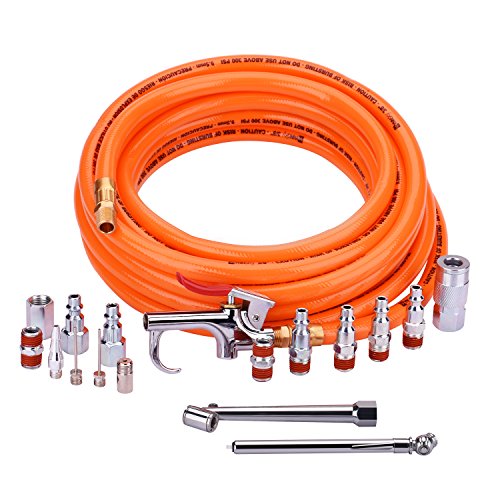
PVC material is designed for long life and light weight for your DIY projects

【25FT Repairable Air Hose】: Compared to the fixed plug used by other yellow coil nylon hoses on the market, SARDVISA Air compressor hose adopts PU material and upgraded detachable 1/4 " MNPT plug. Even if the hose is damaged, just remove the plug and remove the damaged part, then reinstall the interface plug to obtain an intact pipe again. You don't have to spend a lot of money on new hose.
Frequently Asked Questions
How to Tell if an Air Compressor Is Overheating?
You’ll tell it’s overheating by monitoring motor temperature, pressure gauge drops, unusual noise levels, burning smells, airflow issues, tripping breakers, or failing starts. Check electrical connections, cooling systems, follow maintenance tips for compressor safety and prompt repair.
Why Does My Air Compressor Smell Like Burning Rubber?
Because your compressor’s rubbing parts or wiring are failing, it’s burning rubber — don’t ignore it. You’ll check air compressor maintenance, burning smell causes, rubber material issues, overheating signs, mechanical failure indicators, troubleshooting steps, compressor safety tips.
Is It Okay to Drive if My Tires Are Smelling?
No — if your tires smell, don’t drive; pull over, perform tire inspection and tire pressure checks, note burning smell symptoms, consider emergency stops, follow tire maintenance tips to prevent overheating causes, protect driving safety, compressor care, and equipment lifespan.
How to Fix a Foul Smelling Air Compressor?
Smell like chained smoke? Fix it: follow air compressor maintenance—check foul odor causes, run troubleshooting tips, perform compressor safety checks, watch overheating signs, guarantee proper ventilation, do routine inspections, rule out electrical issues, and keep a maintenance schedule.
Conclusion
If you smell burning from your tire inflator, stop using it immediately and run three quick checks: trace the odor, inspect for visual damage, and try a short motor test. Small fixes like tightening connections or replacing a worn brush can work, but serious heat damage or smoking motor means call a pro. For example, a delivery driver ignored a hot smell until the inflator’s plastic housing melted—costlier than a $40 repair would’ve been. Stay cautious and maintain it.







Leave a Reply