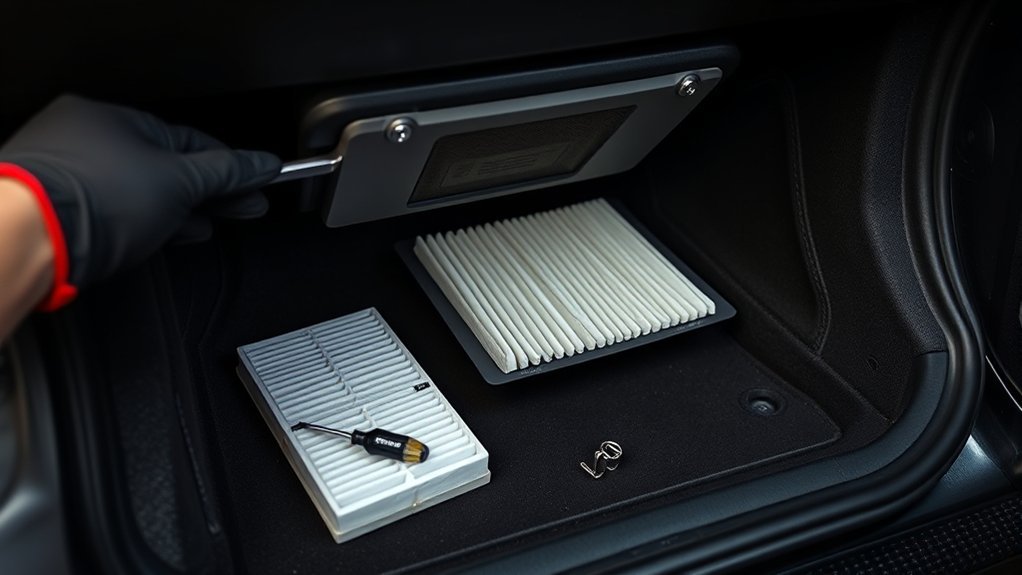
A cabin air filter swap on a Toyota Supra is not always a simple glove-box replacement. Some Supra setups require a custom retrofit under the glove box, so you need to measure carefully before you cut. This guide shows you how to plan the job, prepare the opening, fit the filter bracket, reduce rattles, and keep the heating, ventilation, and air conditioning (HVAC) system working well.
What’s in This Article
- How to Install a Cabin Air Filter in Your Toyota Supra
- Tools and Materials Needed for Your Cabin Filter Installation
- Preparing Your Toyota Supra for Cabin Filter Installation
- Cutting the Opening for Your Cabin Filter Under the Glove Box
- Adapting the Lexus Bracket for Secure Filter Placement
- Step-by-Step Guide to Installing Your Cabin Filters
- What to Do After Installing Your Cabin Air Filter?
- How to Prevent Rattling or Leaking After Installation?
- How to Maintain Your Cabin Air Filter for Longevity
- Common Mistakes to Avoid During Cabin Filter Installation
- Frequently Asked Questions
- Conclusion
Quick Answer
To install a cabin air filter in a Toyota Supra that needs a custom retrofit, you cut an access opening under the glove box, fit a suitable bracket, slide the filters into the blower box channels, and secure the cover. Measure first, cut slowly, and test the HVAC fan before you reinstall trim panels.
Key Takeaways
- Check your exact Supra model and HVAC layout before you cut any plastic.
- Use clean cuts, smooth edges, and correct filter alignment to protect airflow.
- Secure the bracket and cover tightly so the filter does not rattle while driving.
- Clean the blower box while you have access to reduce dust inside the cabin.
- Inspect the filter every few months if you drive in dusty or high-pollen areas.
How to Install a Cabin Air Filter in Your Toyota Supra
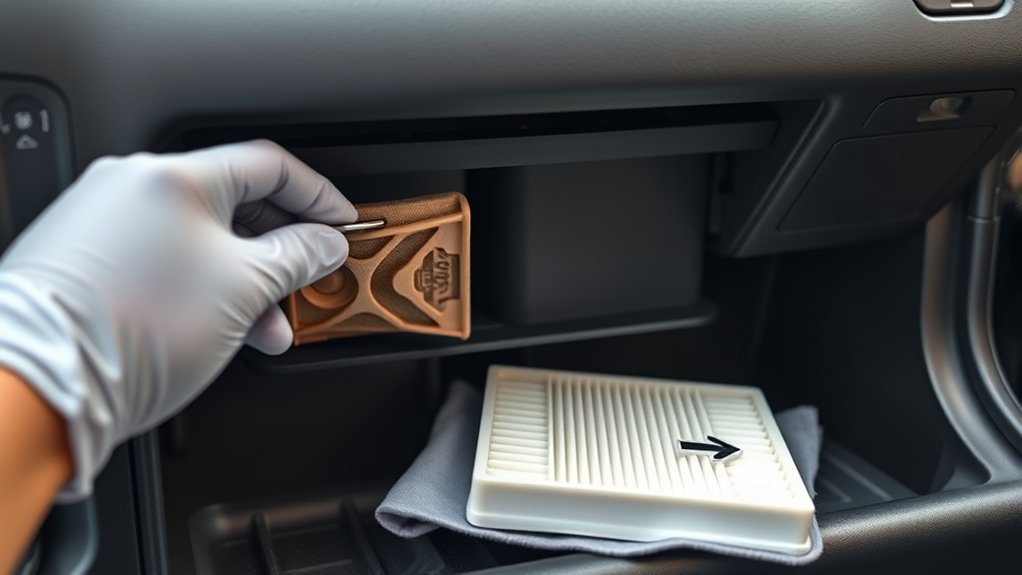
If you want cleaner cabin air in your Toyota Supra, a cabin air filter can help trap dust, pollen, and small debris before they enter the vents. Some Supra installations use a custom access point rather than a simple factory-style filter door, so confirm your layout before you start.
Many custom installs use a modified bracket from a Lexus SC300 or SC400 airbox. The goal is to create a secure filter path inside the blower box without blocking airflow.
You’ll usually cut an opening under the glove box for filter access. After you make the opening, clean the rough edges so the filters and cover sit flat.
A 3D printed cover made from heat-resistant acrylonitrile butadiene styrene (ABS) plastic can help hold the filters in place. Slide the first filter into the U-shaped channel, then guide the second filter into position with care if space feels tight.
While the area sits open, clean the blower motor and blower box. You can also add thin foam or felt to the cover edge to improve the seal and reduce drafts.
Tools and Materials Needed for Your Cabin Filter Installation
Before you start, gather the tools and parts you need for the job. A custom cabin filter install becomes much easier when you can test-fit each piece before final assembly.
Essential Tools Required
You need a utility knife for trimming plastic and a screwdriver for bracket or cover hardware. Keep a measuring tape nearby so you can mark the opening before you cut.
Wear safety goggles while cutting plastic under the glove box. Use pliers if your 3D printed cover or bracket needs small nuts or fasteners.
Keep a vacuum or small brush close to the work area. You can remove dust from the blower motor and blower box before you install the filters.
Recommended Filter Types
Choose filters that match the size and shape required by your bracket and cover. If you use a retrofit kit, follow the kit maker’s filter size guidance.
You may find original equipment manufacturer (OEM) style filters and aftermarket filters that fit the same space. Check the part number, length, width, and thickness before you order.
During installation, make sure each filter sits in the channel without bending too much. Poor alignment can reduce airflow, create noise, or let dust bypass the filter.
3D Printed Cover Details
A good 3D printed cover helps hold the cabin filters in position after the opening has been cut. ABS plastic works well for many under-dash parts because it handles heat better than some common print materials.
The cover should include slots or channels that match your chosen filter layout. Test-fit the cover before you tighten the hardware.
If the cover does not include a rubber seal, you can add thin foam or felt around the edge. This helps reduce small air leaks and rattling.
Warning: Do not cut under-dash plastic until you confirm the exact opening size and check for nearby wiring.
Preparing Your Toyota Supra for Cabin Filter Installation
Park your Supra on a flat surface and turn the ignition off. Move the passenger seat back so you have enough room to work under the glove box.
Check the under-dash area before cutting. Look for wiring, clips, ducts, and trim pieces that may sit close to your planned opening.
Have these items ready before you start:
- Cutting tool for trimming the plastic under the glove box
- Suitable bracket from a Lexus SC300 or SC400 airbox, if your retrofit uses that part
- Wet rag for cleaning the blower box and nearby surfaces
- Cover, fasteners, and installation notes for your chosen retrofit setup
Good preparation lowers the risk of crooked cuts and loose parts. It also helps you keep dust out of the blower area during the install.
Cutting the Opening for Your Cabin Filter Under the Glove Box
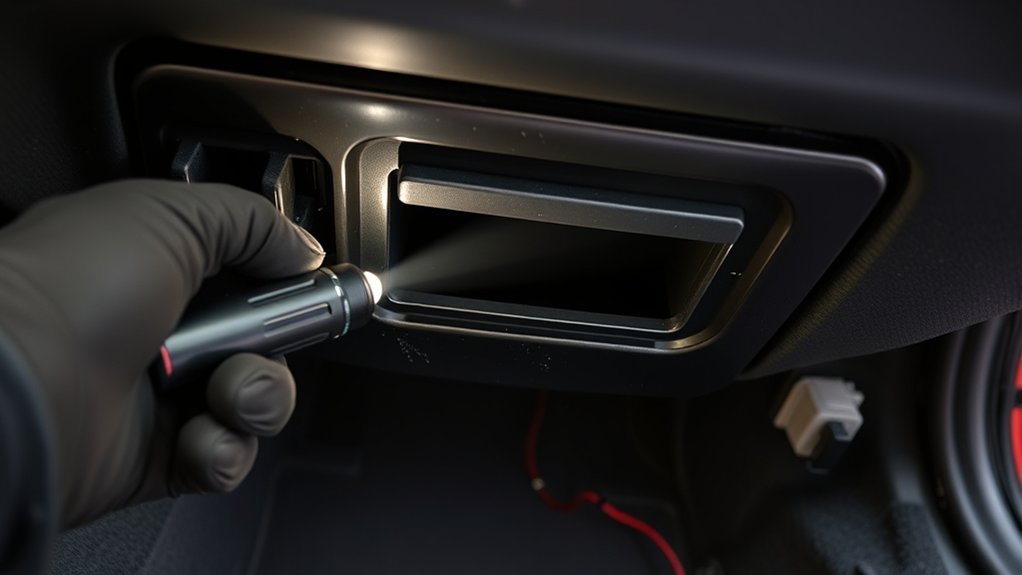
Once you prepare the area, mark the opening under the glove box. Use the bracket or cover as your guide so the access point matches the filter path.
Cut slowly with a sharp utility knife or another suitable plastic-cutting tool. Score the plastic first, then deepen the cut with light pressure.
After you remove the cutout, smooth the edges with a file or sandpaper. Clean plastic shavings from the area before you test-fit the filters.
| Step | Action |
|---|---|
| 1. Mark Area | Use a marker to outline the cutting zone |
| 2. Cut Opening | Apply light pressure and cut with care |
| 3. Clean Edges | Sand or file rough plastic edges |
| 4. Check Channels | Confirm alignment with the blower box |
Adapting the Lexus Bracket for Secure Filter Placement
After cutting the access opening, adapt the Lexus SC300 or SC400 bracket if your retrofit uses one. The bracket should support the filters without pressing them too hard.
A secure bracket helps keep the filters aligned with the blower box. It also helps prevent filter movement when the fan speed changes.
Follow these filter installation tips:
- Align the bracket with the opening before you drill or tighten anything.
- Use filters that match the bracket, cover, and blower box space.
- Slide the first filter into the U-shaped channel without forcing it.
- Guide the second filter carefully if the space behind the first filter feels tight.
- Use suitable nuts or fasteners if original hardware does not fit your setup.
Step-by-Step Guide to Installing Your Cabin Filters
A clear order helps you avoid loose filters, poor airflow, and repeated trim removal. Use these steps after you confirm the retrofit layout fits your Supra.
Estimated total time: 45 to 90 minutes, depending on cutting, test-fitting, and cleanup.
- Turn off the vehicle. Switch off the ignition and make sure the HVAC fan does not run while you work.
- Move the seat back. Create enough room on the passenger side so you can work under the glove box.
- Mark the opening. Use the bracket or cover as a guide and mark the cutting area clearly.
- Cut the access point. Score the plastic first, then cut slowly to avoid cracks.
- Smooth the edges. File or sand the cut edge so it does not damage the filter.
- Clean the blower box. Use a wet rag, brush, or vacuum to remove loose dust and debris.
- Fit the bracket. Position the modified bracket so it supports the filter path without blocking airflow.
- Install the first filter. Slide it into the U-shaped channel and check that it sits straight.
- Install the second filter. Guide it behind the first filter if your setup uses two filter pieces.
- Secure the cover. Tighten the fasteners enough to stop movement, but do not crack the plastic.
- Test the HVAC fan. Run the fan at low and high speeds, then listen for rattles or air leaks.
Pro tip: Take a photo before you remove or modify parts so you can check the original layout later.
Common mistakes include crooked cuts, loose covers, and filters installed outside the guide channels. Take your time during test-fitting, because small alignment errors can create noise later.
What to Do After Installing Your Cabin Air Filter?
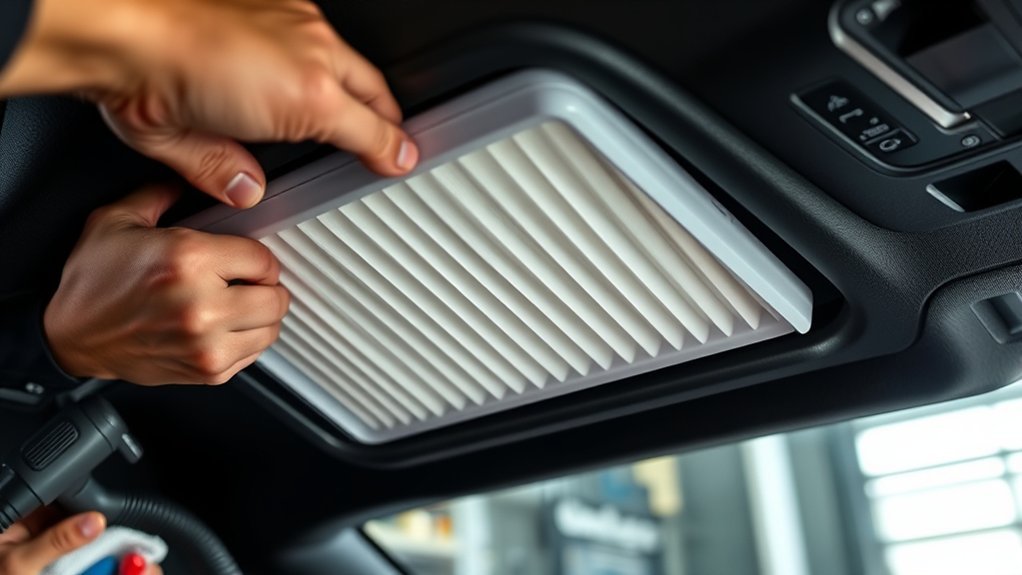
After you install the cabin air filter, check that the filter sits securely in its channel. Then clean nearby parts and test the HVAC fan before you put everything away.
Inspect Filter Position Securely
Confirm that the filter tabs, channels, or bracket edges hold the filter in place. The filter should not slide, sag, or touch the blower fan.
Check the second filter carefully if your setup uses two pieces. It may need a slight bend to fit the restricted space, but it should not fold sharply.
Inspect the cover for gaps. Add thin foam or felt if you notice small air leaks around the edge.
Clean Surrounding Components Thoroughly
Wipe the inside of the blower box with a damp rag to remove dust. Loose dirt can blow back into the cabin after you finish the installation.
Clear debris around the air intake area. A clean intake path helps the filter work better and supports steady airflow.
Use this access time to inspect nearby ducts and trim clips. Fix loose pieces before they become a rattle.
Monitor Performance Regularly
After the install, pay attention to airflow, odor, and fan noise. These signs can tell you whether the filter sits correctly.
Use this quick checklist during the first few drives:
- Check for musty smells from the vents.
- Listen for rattles when the fan speed increases.
- Watch for weak airflow from the dashboard vents.
- Inspect the cover if you hear vibration under the glove box.
How to Prevent Rattling or Leaking After Installation?
To prevent rattling or leaking, start by confirming that the filters lock into place. The filter should sit flat and follow the blower box channels.
Check the cover alignment before you tighten the fasteners. A cover that sits crooked can leave gaps and create wind noise.
Use thin foam or felt around the cover edge if you need a better seal. Do not use thick material that forces the cover out of position.
Inspect the area after a few drives. Re-tighten loose fasteners and adjust the seal if you hear vibration.
How to Maintain Your Cabin Air Filter for Longevity
Your cabin air filter helps protect the cabin from dust, pollen, and small debris. Regular checks help keep the HVAC system clean and comfortable.
Check your Toyota Supra cabin air filter often if you drive in dusty traffic, pollen-heavy areas, or construction zones.
- Inspect the cabin air filter about every six months.
- Check it sooner if airflow drops or the vents smell musty.
- Clean the blower box when you access the filter.
- Wipe dust from the cover and nearby channels.
- Replace a dirty or damaged filter instead of shaking it out and reusing it.
A clean filter supports better airflow and a fresher cabin. It also helps reduce dust buildup inside the blower box.
Common Mistakes to Avoid During Cabin Filter Installation
Small mistakes can make a custom cabin filter install noisy or less effective. Review these points before you finish the job.
- Do not cut the opening before you confirm the bracket and cover size.
- Do not leave plastic shavings inside the blower box.
- Do not force a filter until it folds or crushes.
- Do not overtighten fasteners into 3D printed plastic.
- Do not ignore rattles after the first test drive.
If the fan sounds strained after installation, stop and inspect the filter position. A filter that touches the fan can cause noise and may damage the filter.
Note: Custom retrofit parts can vary, so always match your cuts and filters to the exact kit or bracket you use.
Frequently Asked Questions
How to Replace a Toyota Cabin Air Filter?
Many Toyota models use a cabin air filter behind the glove box, but some Supra setups may need a custom retrofit. For this Supra method, you cut an access opening, fit a bracket, install the filters, and secure the cover.
How to Change Supra Air Filter?
A Supra engine air filter and a cabin air filter are different parts. The engine air filter helps protect the engine, while the cabin air filter helps clean air that enters the passenger area.
What Are Three Symptoms of a Clogged Cabin Air Filter?
Common signs include weak airflow, musty vent odors, and more dust inside the cabin. You may also notice more pollen or debris from the vents during high fan speeds.
Can I Replace a Cabin Air Filter Myself?
You can handle a simple cabin air filter replacement if your car has a factory filter door. A custom Supra retrofit needs more care because you may need to cut plastic and fit non-factory parts.
Should I Use One Filter or Two Filters in This Supra Install?
Use the filter count required by your bracket, cover, or retrofit design. If your setup uses two filters, make sure both pieces sit securely without blocking the blower path.
Conclusion
A clean, secure cabin air filter setup can make your Toyota Supra feel fresher inside. Measure first, cut slowly, and check every filter edge before you close the cover.
After installation, run the fan through each speed and listen for rattles or air leaks. Keep checking the filter every few months so your cabin air stays clean and your HVAC system keeps steady airflow.
References
- No external references were added because this edit followed the instruction not to browse, search, or research outside the supplied HTML.