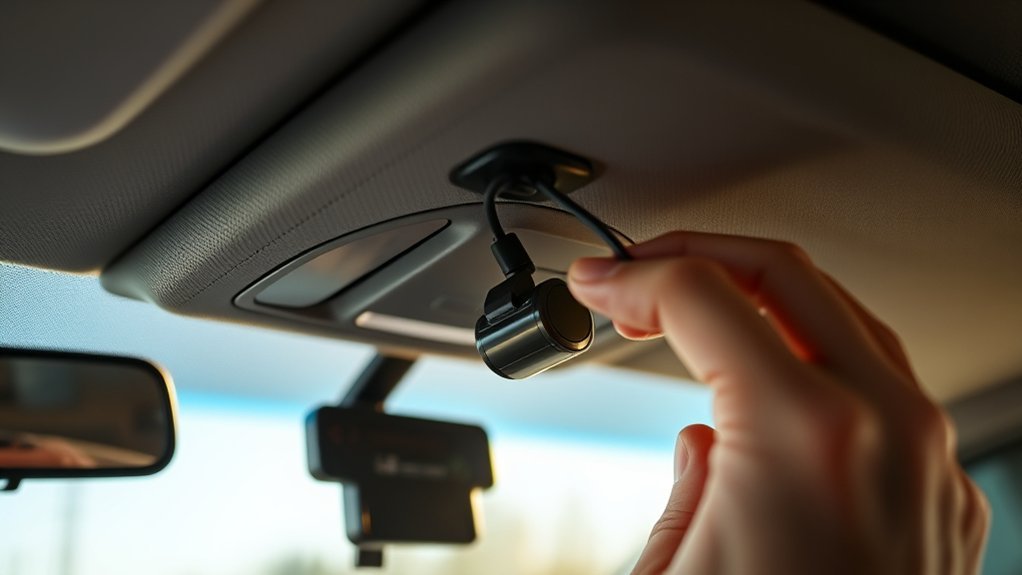
Visible dash cam wires can distract you, look messy, and create safety problems if you route them through the wrong trim area. To hide dash cam wires in the headliner for a clean install, mount your dash cam behind the rearview mirror, lift the headliner edge with a trim tool, and guide the wire along the windshield. Keep the wire clear of airbags, sharp trim edges, and moving parts. This guide shows you how to tuck the cable neatly while keeping the setup safe and easy to service.
Quick Answer
Hide dash cam wires by routing the power cable along the top edge of the windshield, under the headliner, and down the A-pillar trim. Use a plastic trim tool, cable clips, and zip ties to keep the wire secure. Never run the cable across an airbag cover or tie it to an airbag module.
Key Takeaways
- Mount the dash cam behind the rearview mirror for a clean view and less visual clutter.
- Use a plastic trim tool so you can lift the headliner without marking the trim.
- Route the wire away from airbags, weather seals, pedals, and sharp trim edges.
- Secure loose cable with adhesive clips, zip ties, or factory wire paths where safe.
- Test the dash cam before you press all trim pieces back into place.
Why Hiding Dash Cam Wires Matters
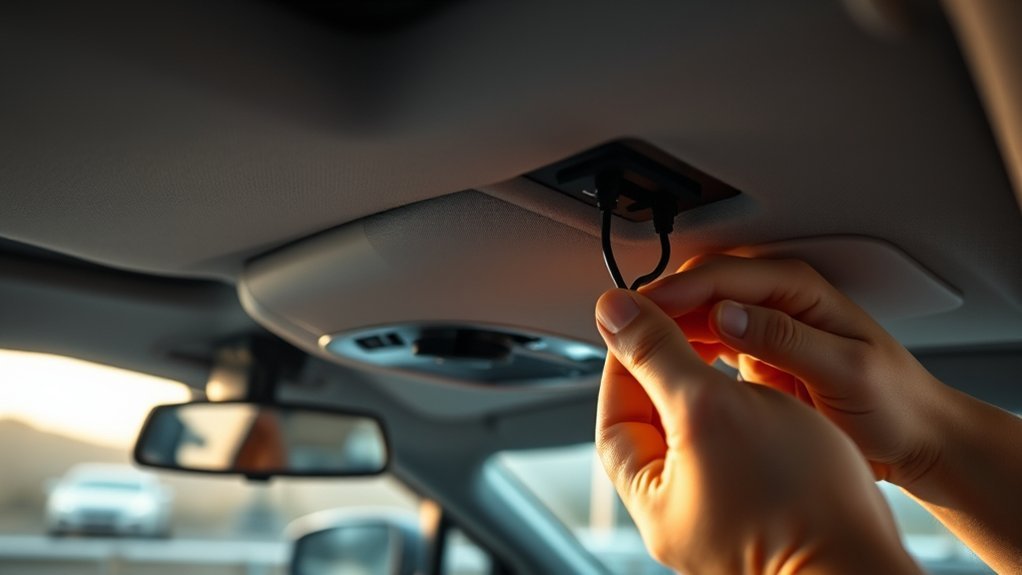
When you install a dash cam, hidden wires do more than improve the look of your vehicle. Good wire management protects the cable from pinching, pulling, and heat damage, which helps maintain steady power.
A clean installation also reduces distractions for you and your passengers. Loose wires near the windshield, dashboard, or footwell can block your view or get in the way while driving.
Proper routing also protects safety systems. The National Highway Traffic Safety Administration explains that air bags help protect occupants during a crash, so you should avoid anything that could interfere with an airbag path. Keep dash cam wires clear of essential vehicle components, including airbags, sensors, pedals, steering parts, and door seals.
Essential Tools for Hiding Dash Cam Wires
You need a few basic tools to hide your dash cam wires safely. These tools help you lift trim, guide the cable, and keep the wire secure.
| Tool | Purpose |
|---|---|
| Plastic Trim Tool | Safely lifts panels and headliner edges |
| Adhesive Cable Clips | Holds wires along clean cable paths |
| Electrical Tape | Bundles and protects wire sections |
| Zip Ties | Organizes wires in tight areas |
| Measuring Tape | Checks wire length before routing |
Plastic trim tools help prevent scratches and broken clips. Adhesive cable clips and zip ties keep the cable from sagging after heat, vibration, or daily driving.
Measure the route before you tuck the cable. You want enough length to reach the power source without leaving a large loop of loose wire.
Before You Begin: Check the Safe Wire Route
Before you push any cable behind trim, check your vehicle manual for airbag locations. Many vehicles place curtain airbags near the A-pillar and roofline, so you need a safe route that does not cross the deployment path.
Also check your dash cam power method. A 12-volt adapter works well for a simple setup, while a hardwire kit can support parking mode if you install it correctly.
Warning: Do not use airbag-related fuses for a hardwire kit, and do not fasten dash cam wiring to an airbag module.
Step-by-Step Guide to Tucking Dash Cam Wires in the Headliner
Estimated time: Most simple dash cam wire-hiding jobs take about 20 to 45 minutes, depending on your vehicle and power source.
A successful dash cam setup starts with a clean cable path. Follow these steps before you press the trim back into place.
- Mount the dash cam behind the rearview mirror so it has a clear road view without blocking your sightline.
- Plan the cable route from the camera to the headliner, down the A-pillar, and toward the power source.
- Lift the headliner edge with a plastic trim tool, then create a small gap for the power wire.
- Guide the wire along the top of the windshield, following the natural trim line without forcing the cable.
- Route the wire down the A-pillar only through a safe path that stays clear of airbag deployment zones.
- Secure the cable with adhesive cable clips, zip ties, or safe factory wire channels where available.
- Connect the power source, then test the dash cam before you close the trim.
Do not pinch the cable under tight trim. A pinched wire can lose power, create recording problems, or fail later from vibration.
Avoid These Common Mistakes When Hiding Dash Cam Wires
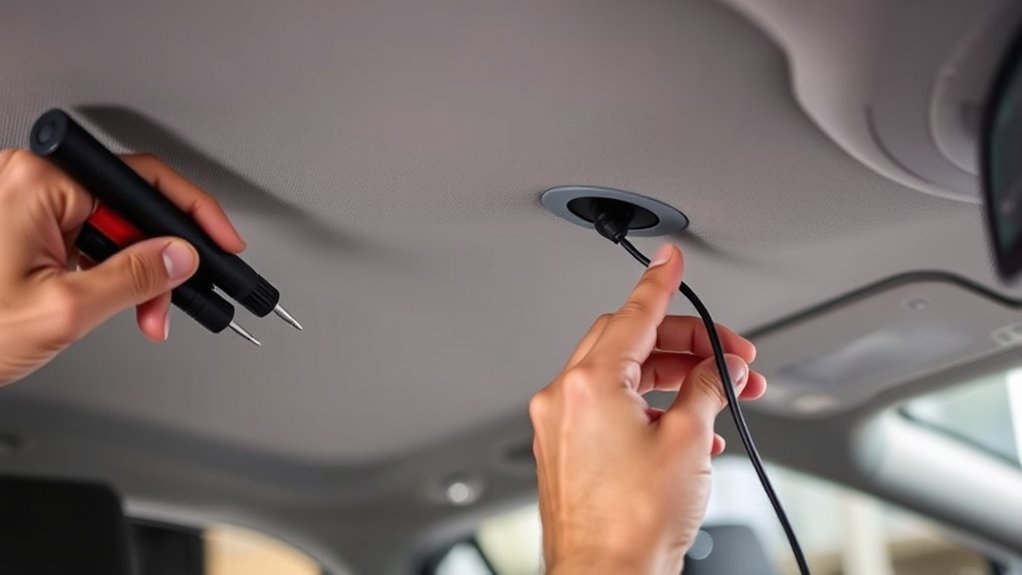
Hiding dash cam wires can look simple, but a few mistakes can create safety and reliability issues. The biggest risk comes from routing a cable across an airbag cover or through a trim area where an airbag opens.
Use heat-resistant, high-quality clips where possible. Weak adhesive clips can loosen in hot weather, which may leave wires hanging near the windshield or footwell.
Use this quick table to avoid the most common problems:
| Common Mistake | Consequence | Better Fix |
|---|---|---|
| Pinching wires | Wire wear or power loss | Route away from tight seals |
| Routing over airbags | Airbag safety risk | Keep wires clear of airbag paths |
| Using weak clips | Loose cables | Use stronger cable clips |
| Leaving wires loose | Driver distraction | Tuck wires neatly away |
| Skipping the function test | Unnoticed recording issues | Test before final trim fitting |
Pro Tips for a Cleaner Dash Cam Installation
Good cable hiding starts with patience. Use a trim removal tool to lift the headliner gently, then tuck the power cable without bending it sharply.
Route the cable along the top of the windshield and down the A-pillar only when you can keep it away from airbags. If you feel unsure about the airbag path, ask a qualified installer to handle that part.
Pro tip: Test the camera, parking mode, and memory card recording before you press the final trim clips back in.
A hardwiring kit can give your dash cam constant power for features like parking mode. Choose the correct fuse, use the right tap size, and avoid safety-system circuits.
When to Get Professional Help
Get help from a professional installer if you cannot identify the airbag route. You should also get help if your A-pillar trim uses special clips, sensors, or wiring harnesses.
Professional help makes sense for hardwire installs, rear-camera wiring, and vehicles with complex trim. A clean install matters, but safety matters more.
Frequently Asked Questions
How do you hide wires when installing a dash cam?
Mount the dash cam behind the rearview mirror, then route the cable under the headliner along the top of the windshield. Continue down the A-pillar only through a safe path that stays clear of airbags.
How do you tuck wire into a headliner?
Use a plastic trim tool to lift the edge of the headliner slightly. Push the wire into the gap with light pressure, and avoid sharp bends or tight pinching points.
How do you discreetly hide dash cam cables?
Use the vehicle’s trim seams, headliner edge, and safe factory wire paths where possible. Secure the cable with clips or zip ties so it does not sag after heat or vibration.
Can dash cam wiring affect airbags?
Dash cam wiring can create a risk if you route it across an airbag cover or attach it to an airbag module. Keep wiring behind safe trim paths and away from the deployment area.
Will your insurance go down if you have a dash cam?
A dash cam usually does not lower your U.S. auto insurance premium by itself. Progressive states that insurers generally do not offer dash cam discounts, but dash cam footage can help with claims if it shows what happened in a crash.
Conclusion
Hiding your dash cam wires in the headliner gives your vehicle a cleaner look and helps protect the cable. The safest install keeps wires clear of airbags, tight seals, and moving parts.
Use the right tools, follow a planned cable route, and test the camera before you finish. If the A-pillar or fuse box feels risky, let a professional installer handle it.
A neat dash cam setup should look simple, work reliably, and keep your vehicle’s safety systems clear.
References
- Vehicle Air Bags and Injury Prevention — National Highway Traffic Safety Administration, accessed 2026
- Insurance Benefits of Installing a Dashcam — Progressive, accessed 2026
- Do Dash Cam Wiring Affect Your Airbags? — BlackboxMyCar, accessed 2026