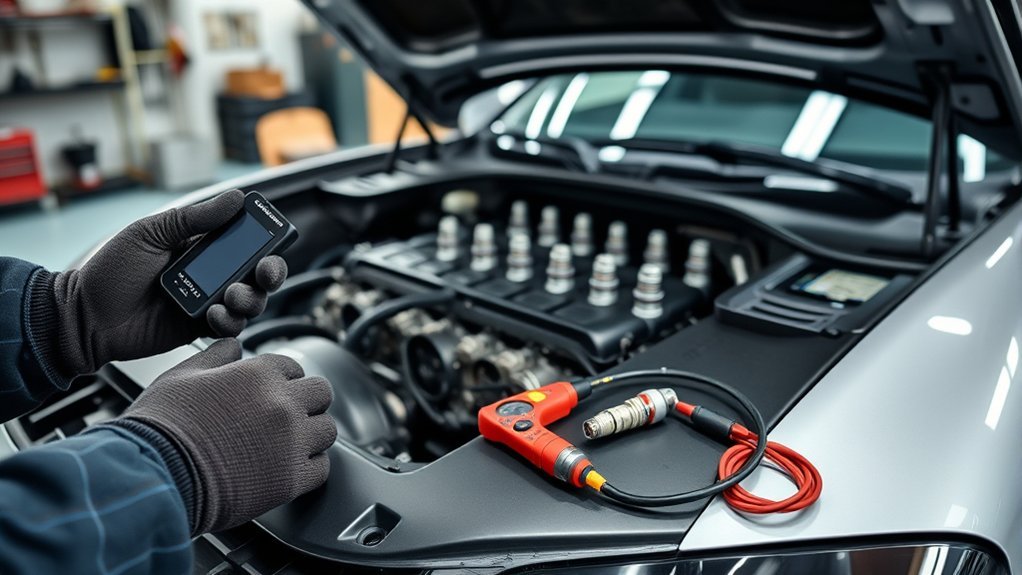
Understanding Engine Misfires in Your Toyota Supra
What’s in This Article
- What an Engine Misfire Means in Your Toyota Supra
- Common Symptoms of Engine Misfires
- What You’ll Need Before You Start
- How to Use an OBD-II Scanner for Diagnostics
- Step-by-Step Guide to Diagnosing Misfires
- Identifying Signs of Wear in Spark Plugs
- How to Test Your Ignition Coils
- How Fuel Injectors Cause Engine Misfires
- How to Check for Vacuum Leaks
- How to Perform a Compression Test on Your Supra
- Solutions to Fix Engine Misfires in Your Supra
- Frequently Asked Questions
A misfire can make your Toyota Supra feel rough, slow, and unsafe to push hard. The check engine light may point you toward the problem, but you still need a clear test plan. This guide shows you how to spot symptoms, scan codes, inspect common parts, and choose the right fix.
Quick Answer
To diagnose a Toyota Supra misfire, scan for diagnostic trouble codes, then inspect the spark plugs, ignition coils, fuel injectors, vacuum lines, and cylinder compression. Start with the easiest checks first, then move to deeper tests if the misfire stays. Fix the failed part, clear the codes, and test drive the car to confirm the repair.
Key Takeaways
- Use an on-board diagnostics II (OBD-II) scanner first so you know which cylinder or system needs attention.
- Check spark plugs and ignition coils before replacing costly fuel or engine parts.
- Test fuel delivery, vacuum leaks, and compression if basic ignition checks don’t solve the misfire.
- Clear trouble codes and test drive your Supra after each repair to confirm the fault doesn’t return.
What an Engine Misfire Means in Your Toyota Supra
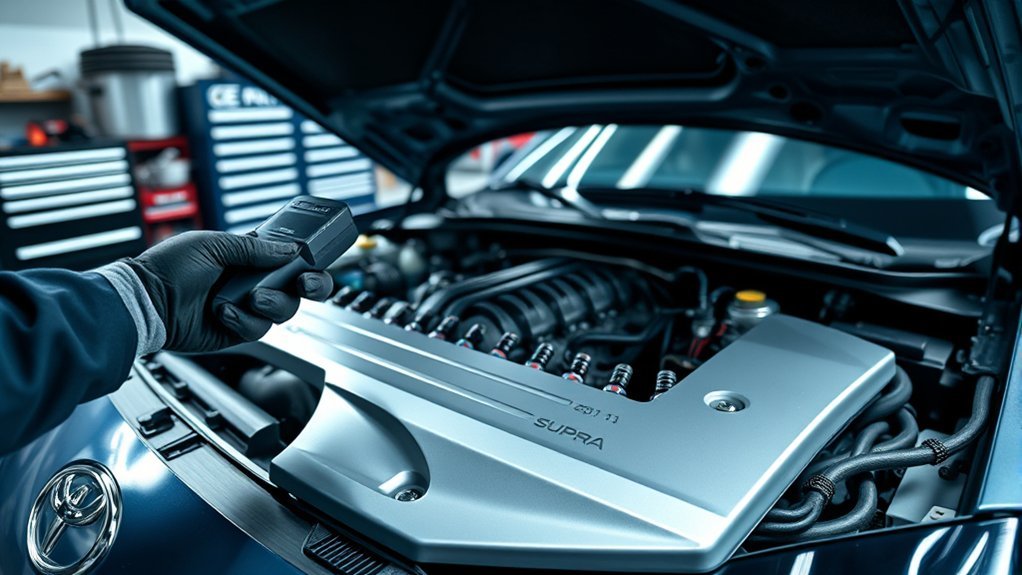
An engine misfire means one or more cylinders don’t burn the air-fuel mixture at the right time. Your Supra may shake, lose power, waste fuel, or trigger the check engine light.
Common causes include worn spark plugs, weak ignition coils, poor fuel delivery, vacuum leaks, and low compression. In a performance car like the Toyota Supra, you should diagnose the cause before hard driving because misfires can damage the catalytic converter and other parts.
If the check engine light turns on, use an OBD-II scanner to read diagnostic trouble codes (DTCs). Codes such as P0300, P0301, P0302, P0303, P0304, P0305, or P0306 can help you find whether the misfire affects one cylinder or several cylinders.
Common Symptoms of Engine Misfires
Engine misfires in your Toyota Supra often create clear warning signs. You may feel a rough idle, where the engine shakes or runs unevenly while the car sits still.
You may also notice slow acceleration, hesitation, or a drop in power. These symptoms can mean one or more cylinders fail to fire with enough strength.
The check engine light often turns on when the engine control unit (ECU) detects a misfire. You may also hear popping, coughing, or backfiring from the engine or exhaust.
Fuel use can rise because the engine struggles to keep proper combustion. Fix these symptoms early so you can protect performance and avoid more costly repairs.
What You’ll Need Before You Start
Set aside about 30 to 90 minutes for basic diagnosis. Deeper tests, such as compression checks or smoke testing, may take longer if parts sit in tight spaces.
Before you begin, gather these tools and supplies:
- OBD-II scanner
- Basic socket set and spark plug socket
- Multimeter
- Compression gauge
- Fuel pressure gauge, if available
- Smoke machine, carburetor cleaner, or soapy water for leak checks
- Safety glasses and gloves
Warning: Let the engine cool before touching ignition parts, plugs, or hot intake parts.
How to Use an OBD-II Scanner for Diagnostics
An OBD-II scanner gives you the fastest starting point for misfire diagnosis. It connects to the diagnostic port, which usually sits under the dashboard.
- Turn the ignition to “ON” without starting the engine.
- Connect the scanner to the diagnostic port.
- Follow the scanner prompts to read stored and pending DTCs.
- Write down any misfire codes, including P0300 or P0301 through P0306.
- Check related ignition, fuel, air, and compression systems before replacing parts.
After you complete repairs, clear the trouble codes with the scanner. Then test drive your Supra and confirm the check engine light does not return.
Step-by-Step Guide to Diagnosing Misfires
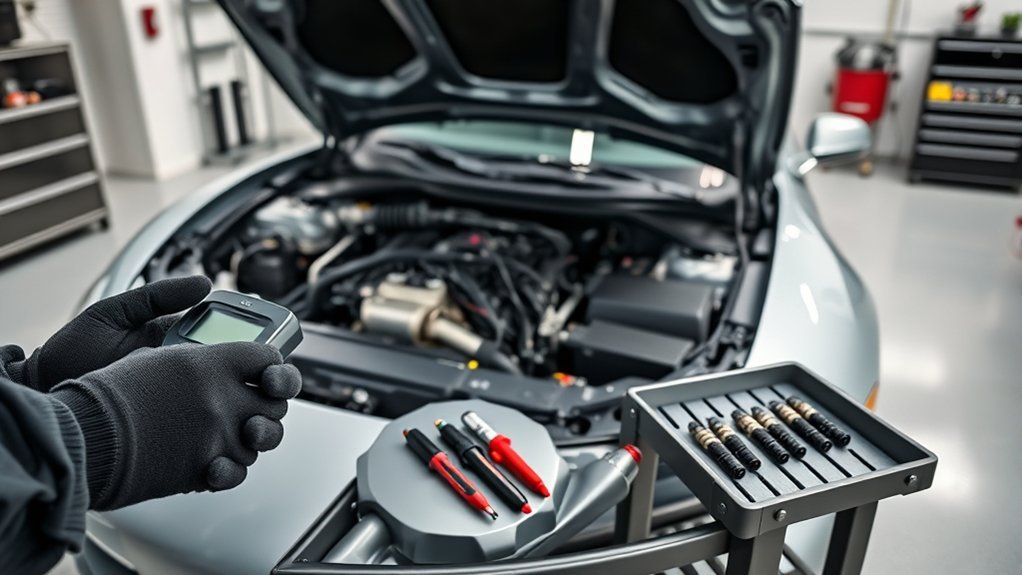
Use a step-by-step process so you don’t waste money on good parts. Start with symptoms and scan data, then test ignition, fuel, air, and compression.
Identify Misfire Symptoms
A misfire happens when a cylinder fails to burn fuel correctly. Watch for these common signs before you start testing:
- Listen for rough idle: Check whether the engine shakes, stumbles, or vibrates while stopped.
- Feel for hesitation: Note any delay, stumble, or jerk when you press the accelerator.
- Check the warning light: Scan the ECU when the check engine light turns on.
Also inspect vacuum hoses, connectors, spark plugs, and ignition coils. These basic checks can often lead you to the cause quickly.
Perform Initial Diagnostics
Start your diagnostic process by connecting an OBD-II scanner to your Toyota Supra. This tool retrieves DTCs that point to misfire issues, such as P0300 or a cylinder-specific code.
Next, inspect the spark plugs for wear, fouling, or damage. Worn plugs can weaken combustion and trigger a misfire.
Check ignition coils with a multimeter when your Supra uses coil packs that allow resistance testing. A primary resistance of 0.3 to 1.0 ohms and a secondary resistance of 12.8 to 13.1 kilohms may indicate normal operation for the coil type described here.
Inspect vacuum hoses for cracks, loose fittings, and missing caps. Then test fuel pressure to make sure the fuel system supplies enough fuel under load.
| Component | Check Method | Common Issues |
|---|---|---|
| Ignition Coils | Test resistance with multimeter | Improper resistance values |
| Spark Plugs | Inspect for wear or fouling | Damaged or fouled plugs |
| Vacuum Leaks | Use visual checks and smoke testing | Unmetered air entering the engine |
| Fuel Injectors | Check resistance and listen for clicking | Poor fuel delivery |
| Fuel Pressure | Run a pressure test | Low fuel pressure |
Inspect Ignition Components
After the first scan, focus on ignition parts. Faulty ignition components cause many misfires, and they usually cost less to check than internal engine parts.
- Remove and inspect the spark plugs for wear, oil, carbon, cracks, or a wide gap.
- Check the ignition coils for cracks, corrosion, loose connectors, or abnormal resistance readings.
- Swap the coil from the misfiring cylinder with one from a good cylinder.
- Scan again after the swap to see whether the misfire follows the coil.
Inspect wiring harnesses and connectors for damage or corrosion. A loose plug, broken wire, or weak ground can mimic a bad coil.
Pro tip: Change only one variable at a time so you can prove which part caused the misfire.
Identifying Signs of Wear in Spark Plugs
Spark plugs can tell you a lot about combustion health. Remove each plug and compare its condition with the others.
Look for eroded electrodes, heavy carbon, oil deposits, cracks, or a gap wider than specification. Any of these issues can weaken spark quality and lead to performance problems.
Signs of Spark Plug Damage
Worn or damaged spark plugs can cause rough idle, weak acceleration, and misfire codes. Watch for these signs:
- Visible wear: Check for electrode erosion that weakens spark strength.
- Fouling: Look for carbon buildup or oil deposits that disrupt combustion.
- Physical damage: Inspect the ceramic insulator for cracks or chips.
Many spark plugs last about 30,000 to 100,000 miles, depending on the plug type, engine setup, and driving conditions. Check your Supra’s service information for the correct interval and plug specification.
Spark Plug Wear Patterns
Different wear patterns can point toward different engine problems. Carbon buildup can suggest a rich fuel mixture, while a white or blistered tip can suggest heat or lean-running issues.
A wide plug gap can create a weak spark and inconsistent firing. Pitting, erosion, or oil fouling may mean you need new plugs or a deeper engine check.
Importance of Regular Inspection
Regular spark plug inspection helps you catch problems before they damage other parts. Focus on these checks:
- Find carbon buildup: Heavy black deposits can point to poor combustion.
- Check the insulator: Cracks can cause spark leakage and misfires.
- Inspect the electrodes: Erosion can reduce spark strength.
Use your scan tool results to decide which cylinder needs close attention. Then compare that plug with plugs from cylinders that run normally.
How to Test Your Ignition Coils
Testing ignition coils can help you confirm whether the misfire comes from the ignition system. Start by turning the ignition off and disconnecting the negative battery cable.
Disconnect the wiring harness from the ignition coil. Use a multimeter to measure primary resistance between pin 4 (B+) and pins 1, 2, and 3 when that test matches your coil design.
The example range in this guide uses 0.3 to 1.0 ohms for primary resistance. It uses 12.8 to 13.1 kilohms for secondary resistance at the spark plug wire towers.
If your readings fall outside the specified range for your exact coil, replace the faulty coil. You can also swap coils between cylinders and check whether the misfire moves with the coil.
Note: Always compare resistance readings with the service data for your exact Supra model and engine.
How Fuel Injectors Cause Engine Misfires
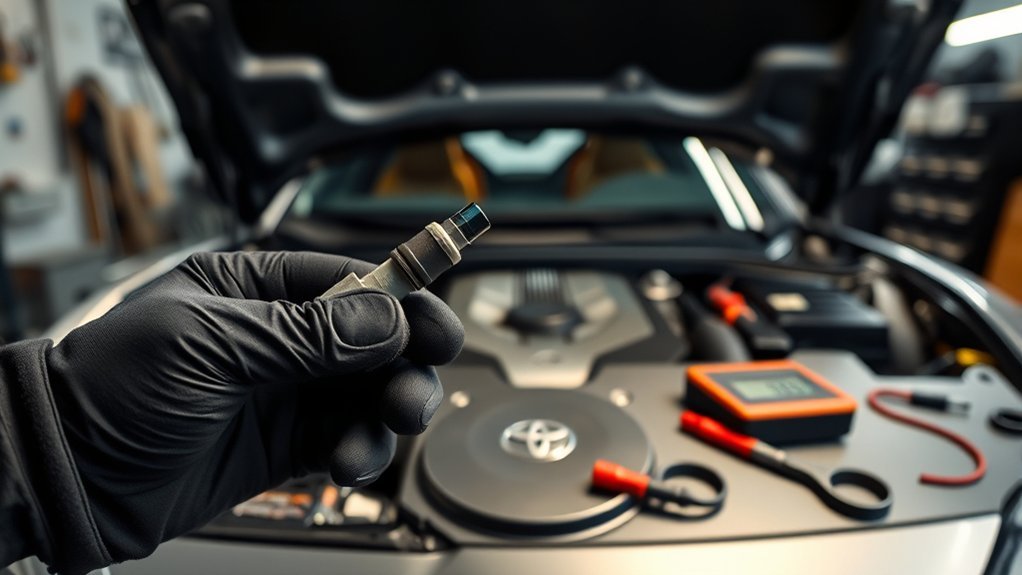
Fuel injectors deliver fuel into the engine so each cylinder can burn the right air-fuel mixture. Clogged, weak, or leaking injectors can upset that balance and cause misfires.
You may notice rough idle, poor fuel economy, hesitation, or a loss of power. Test injector function before you replace parts.
Fuel Injector Functionality Issues
A faulty injector can create a lean fuel condition if it does not deliver enough fuel. That lean condition can cause incomplete combustion and misfire codes.
Regular inspection and cleaning can help prevent buildup. You can also listen for a steady clicking sound while the injector operates.
Some gray-top injectors should measure between 12 and 16 ohms. Readings outside the correct range for your injector can point to a fault.
Symptoms of Clogged Injectors
Clogged injectors can cause rough idle, weak power, and poor throttle response. The engine may also pop, stumble, or backfire when the air-fuel mixture falls out of balance.
You may see misfire codes such as P0300 or P0301. If ignition parts test good, inspect fuel injector performance and fuel pressure next.
Testing and Cleaning Methods
Test and clean your fuel injectors to keep your Supra running smoothly. Use these steps:
- Test resistance: Use a multimeter and compare each injector reading with the correct specification.
- Listen for operation: Confirm that each injector clicks with a steady rhythm.
- Clean clogged injectors: Clean or service injectors when testing points to restricted fuel flow.
- Retest after cleaning: Confirm that the misfire improves before replacing more parts.
How to Check for Vacuum Leaks
Vacuum leaks let unmetered air enter the engine. That extra air can upset the air-fuel mixture and cause rough idle, lean codes, or misfires.
Start by visually inspecting vacuum hoses and connections for cracks, wear, loose fittings, or disconnected lines. Replace any hose that feels brittle or looks split.
You can use a smoke machine to push smoke into the intake system. Escaping smoke shows you where the leak sits.
You can also spray carburetor cleaner or soapy water near suspected leak points while the engine idles. A change in idle speed or bubbles can point toward a leak.
A vacuum gauge can help confirm the problem. A much lower than normal idle vacuum reading may suggest a leak or another engine issue.
How to Perform a Compression Test on Your Supra
A compression test checks the pressure each cylinder can build while the engine cranks. This test helps you find worn piston rings, valve sealing problems, or head gasket issues.
Follow these steps:
- Disable fuel and ignition so the engine will not start during the test.
- Remove the spark plugs carefully.
- Thread a compression gauge into the first cylinder.
- Crank the engine for several revolutions.
- Record the pressure reading for each cylinder.
- Compare all cylinders against each other and against the correct service specification.
The article’s example range is 150 to 200 psi, but your exact engine may call for a different value. Low compression in one cylinder can explain a misfire that stays after ignition and fuel checks.
If one cylinder reads low, perform a wet test by adding a small amount of oil to that cylinder. A higher reading after oil can point toward worn rings, while no change may point toward valve sealing or another mechanical fault.
Solutions to Fix Engine Misfires in Your Supra
Fix misfires in order of likelihood and ease. Start with scan data, then move through ignition, fuel, air, and compression checks.
- Scan the ECU: Read misfire codes and note whether they affect one cylinder or several cylinders.
- Replace bad spark plugs: Install the correct plugs and gap them to specification.
- Replace faulty coils: Test or swap coils, then replace the coil if the misfire follows it.
- Check fuel delivery: Listen for injector clicks and test fuel pressure when symptoms suggest a fuel issue.
- Repair vacuum leaks: Replace cracked hoses, loose fittings, or leaking gaskets.
- Test compression: Check cylinder pressure when ignition, fuel, and air checks do not solve the problem.
After each repair, clear the codes and drive the car under the same conditions that caused the misfire. If the code returns, keep testing instead of guessing.
Frequently Asked Questions
How do you properly diagnose a misfire?
Use diagnostic tools to check the ignition system, fuel delivery, vacuum system, and engine compression. Start with an OBD-II scan, then inspect the parts tied to the code.
What are the three most common causes of a misfire?
The three most common causes include spark plug failure, ignition coil failure, and fuel injector problems. Vacuum leaks and low compression can also cause similar symptoms.
How do you correct an engine misfire?
Correct a misfire by replacing or repairing the part that failed testing. Common fixes include new spark plugs, a new ignition coil, injector cleaning, vacuum leak repair, or mechanical engine repair.
What can be mistaken for a misfire?
Vacuum leaks, fuel delivery problems, sensor faults, and drivetrain vibration can feel like a misfire. Scan codes and targeted tests help you avoid replacing the wrong parts.
Can you drive a Toyota Supra with a misfire?
You should avoid hard driving when your Supra has a misfire. A severe misfire can damage the catalytic converter, reduce control under acceleration, and lead to more costly repairs.
Final Thoughts
A Toyota Supra misfire usually becomes easier to fix when you test one system at a time. Start with the scan tool, then check spark plugs, coils, injectors, vacuum leaks, and compression.
Don’t assume spark plugs alone will solve every misfire. Use each test result to guide your next move.
Once you repair the fault, clear the codes and take a careful test drive. A smooth idle and clean scan confirm your Supra is ready for confident driving again.