Should You Get a Dash Cam? Pros, Cons, and Who Benefits Most
A dash cam offers valuable benefits, like providing key evidence in accidents and deterring fraud, making it a smart choice for most drivers. However, you should consider potential drawbacks, including costs and legal concerns. Whether you’re a parent monitoring a teen driver or a delivery person protecting against false claims, a dash cam can enhance your peace of mind. Want to know how to choose the right one and its impact on insurance? There’s more to explore.
What Is a Dash Cam and How Does It Work?
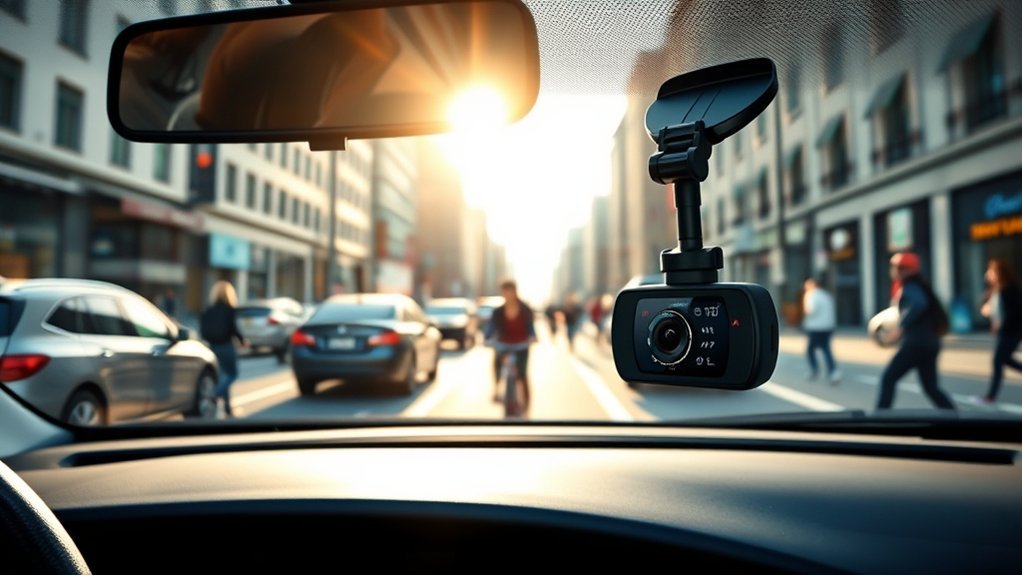
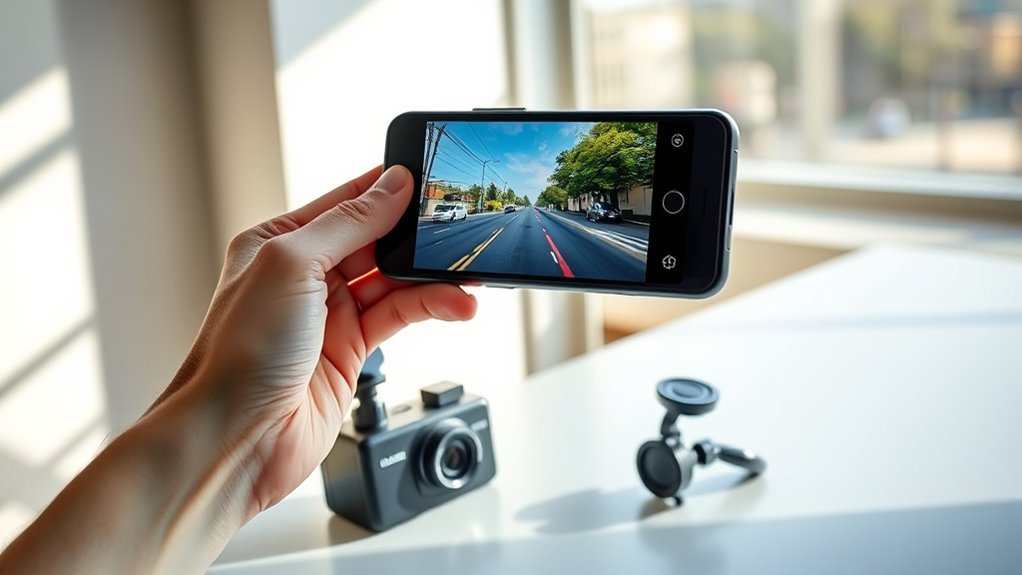
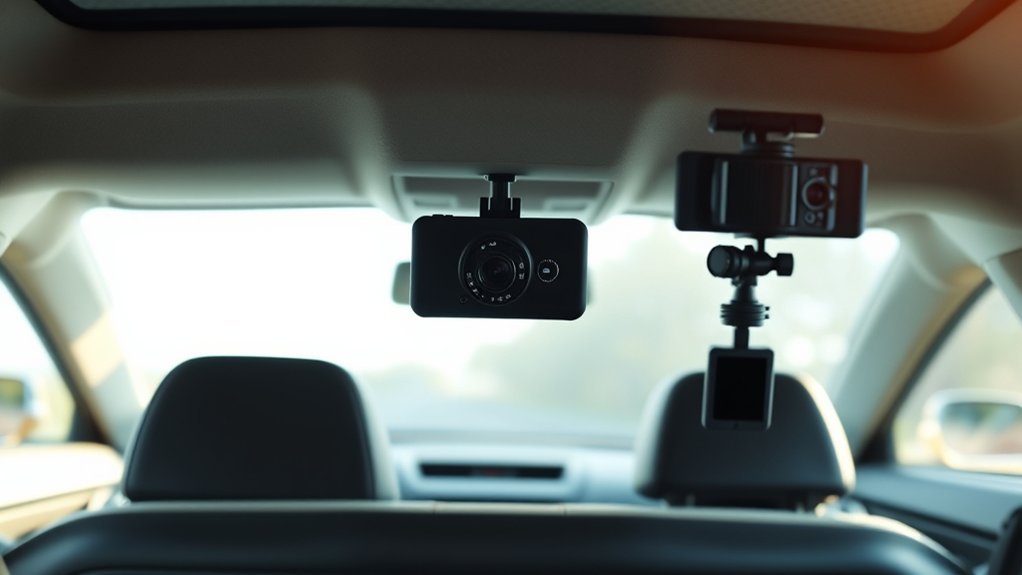
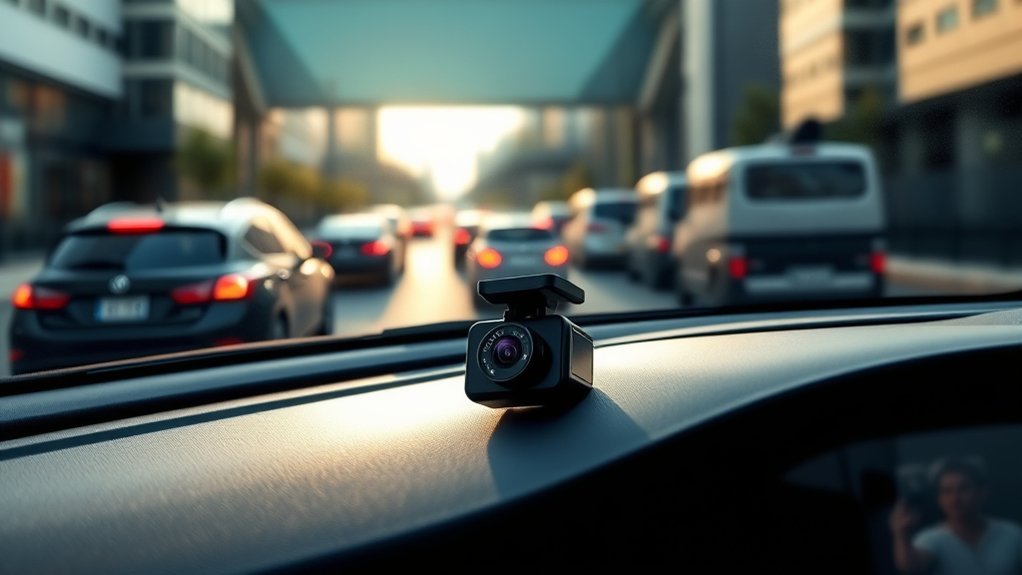
A dash cam, short for dashboard camera, is an essential tool for modern drivers, capturing real-time footage of your journeys. Mounted on your windshield or dashboard, it automatically begins recording when you start driving, continuously saving video evidence on a loop. Most models focus on events in front of your car, but some can also capture interior views or rear perspectives, providing a thorough view of your driving experience.
Advanced dash cams can be hardwired to your vehicle’s power supply, allowing them to record even when your car is off, activating upon detecting motion or noise. This feature guarantees that you don’t miss any critical moments, especially in the event of an incident. With dash cams acting as reliable witnesses during accidents, they provide unbiased evidence that can clarify fault and streamline insurance claims, giving you peace of mind on the road.
Key Benefits of Having a Dash Cam
Having a dash cam can be a game changer for your driving experience. It provides essential evidence in accidents, helping to establish fault and ease insurance claims. Plus, it acts as a deterrent against fraud and enhances your vehicle’s security, making you feel more protected on the road.
Evidence in Accidents
In the chaotic aftermath of an accident, dash cams emerge as invaluable allies, offering clear video evidence that can resolve disputes about who’s at fault. This unbiased documentation eliminates subjective viewpoints, an essential factor when dealing with insurance companies. Dash cam footage accurately captures injuries and damages, supporting legal claims while expediting the insurance claims process. Many users have found that this evidence helps prove their innocence in car accidents, leading to quicker resolutions and less stress. Furthermore, the constant recording acts as a reliable witness during collisions, providing vital details for police reports and legal proceedings. With dash cams, you empower yourself against wrongful blame and guarantee your narrative is heard.
Fraud Prevention Measures
While driving, you can never be too cautious, especially with the rise in insurance fraud cases. Dashcams typically provide clear video evidence that can counter false claims, helping establish liability in accidents. This technology helps combat the staggering $300 billion annual cost of fraud. The mere presence of a dash cam can deter individuals from staging accidents or making dishonest claims. In hit-and-run situations, footage can assist law enforcement in tracking down at-fault drivers, protecting you from unjust blame. Although insurance companies don’t offer discounts for having a dash cam, they rely on this footage to expedite claims, making the process smoother for you. Ultimately, a dash cam is a powerful tool for safeguarding against potential fraud.
Enhanced Vehicle Security
When it comes to vehicle security, dash cams offer significant advantages that can’t be overlooked. By investing in a quality dashcam, you enhance your vehicle’s safety and protect yourself against theft and vandalism. Here are some key benefits:
- Evidence Collection: Captures essential footage of any theft or damage, aiding police investigations.
- Motion Detection: Records activity around your parked vehicle, alerting you to potential threats.
- Deterrent Effect: The visible presence of a dash cam can discourage thieves and vandals from targeting your car.
Given the rise in vehicle thefts, having a dash cam not only secures your property but also grants you peace of mind, knowing you’re prepared for the unexpected.
Key Drawbacks of Dash Cams You Need to Know
Although dash cams can provide invaluable evidence in the event of an accident, they come with several drawbacks that you should consider before making a purchase.
| Drawback | Description |
|---|---|
| Cost | Dash cams can range from $100 to over $500, making them a significant investment. |
| Legal Issues | Variations in legal regulations regarding audio recording and mounting can lead to complications. |
| Potential Evidence Risks | Evidence might backfire, supporting claims against you if found at fault, influencing insurance companies. |
Additionally, the visibility of dash cams can attract theft, and installation often requires careful management of cables. You might also face battery drain if not properly maintained. Before diving into the dash cam world, weigh these factors carefully to guarantee it aligns with your needs and lifestyle.
Who Should Consider Using a Dash Cam and Why?
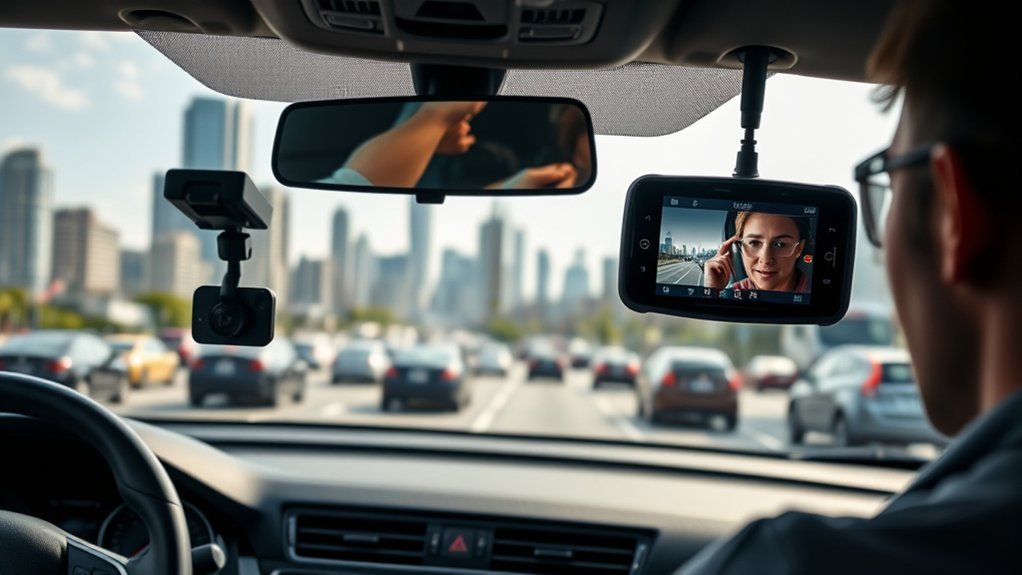
Have you ever considered how a dash cam could change your driving experience? If you want to enhance your safety and accountability on the road, investing in a dash cam could be a game-changer. Here are three groups that might benefit most:
- High-traffic and accident-prone drivers: Capture vital evidence during collisions or disputes.
- Ride-share drivers and delivery personnel: Protect against fraudulent claims while guaranteeing passenger safety.
- Parents of teen drivers: Monitor driving habits to confirm their child’s safety and responsible behavior.
With a dash cam, you can potentially lower your car insurance premiums by providing proof of safe driving. Whether you’re traversing urban streets or simply want peace of mind, a dash cam can empower you to drive with confidence, knowing that you’re covered in unexpected situations.
How to Choose the Right Dash Cam for Your Needs
When you’re choosing a dash cam, start by considering video resolution; at least HD 1080p is essential for clear footage, but higher options like 1440p or 4K can offer even better clarity. Next, think about your budget and what features matter most to you, such as night vision or multiple camera angles. Balancing these factors will help you find a model that fits your needs and enhances your driving experience.
Resolution and Video Quality
Choosing the right dash cam hinges considerably on its resolution and video quality, with a minimum of HD 1080p being fundamental for clear and reliable footage. Higher resolutions like 1440p or 4K can provide even better detail, which can be essential when dealing with insurance companies.
Consider these factors for ideal video quality:
- Frame Rate: Aim for at least 30 fps to capture fast-moving events smoothly.
- Field of View: A 150-degree coverage guarantees you don’t miss anything happening outside your immediate line of sight.
- Night Vision: This feature is critical for recording incidents in low-light situations.
Budget and Features
Determining your budget for a dash cam is essential, as it directly influences the features you’ll have at your disposal. Dash cams can range from $100 for basic models to over $500 for advanced options. For ideal performance, consider features like HD 1080p resolution, multiple channels for front and rear footage, and night vision. GPS tracking can also provide valuable data for insurance companies in case of incidents. Don’t forget to factor in installation complexity and ongoing costs, like MicroSD card purchases. By evaluating your budget alongside your specific driving needs, you’ll be better equipped to choose a dash cam that enhances your driving experience and provides peace of mind on the road.
Installing Your Dash Cam: Steps and Costs
Installing your dash cam can be a straightforward process, especially since most models are designed for easy setup without requiring professional assistance. Here’s how you can get started:
Installing a dash cam is simple and usually doesn’t require professional help. Get started with these easy steps.
- Mount the camera: Position it on your windshield, ensuring it has a clear view of the road.
- Connect to power: Plug it into your vehicle’s power outlet using the provided cable.
- Hide the cables: For a clean look, take extra time to tuck away any visible wires.
While basic dash cams can cost around $50, more advanced systems might exceed $500. If you opt for a hardwired installation, expect to spend up to $250 for full features, including parking mode. Ultimately, installing a dashcam gives you peace of mind while driving, and it may even benefit your auto insurance in the long run.
Dash Cam Impact on Insurance and Legal Issues
Having a dash cam can greatly impact your insurance coverage and legal standing in the event of an accident. This device captures vital video evidence that helps clarify fault in disputes, potentially reducing liability claims. Although insurance companies don’t typically offer discounts for dash cams, the footage can be invaluable for contesting claims and preventing premium increases due to false accusations. In cases of insurance fraud, your dash cam can counteract misleading claims, protecting you from wrongful blame in a system that costs consumers over $300 billion annually.
Legally, dash cam recordings serve as essential evidence in court or police reports, strengthening your position in accidents or disputes over traffic violations. However, it’s essential to be aware of local laws regarding dash cam usage, as regulations can vary by state and influence how your footage is utilized in legal matters. Ultimately, a dash cam empowers you in both insurance and legal scenarios.
Frequently Asked Questions
What Are the Disadvantages of a Dash Cam?
Dash cams can raise privacy concerns, expose you to legal implications if regulations aren’t followed, and involve cost factors like installation and maintenance. Weigh these disadvantages carefully against the potential benefits before deciding.
Is It Worth to Install a Dash Cam?
Installing a dash cam’s totally pointless—until it captures that crystal-clear video you need during a dispute. The installation process is simple, but the legal implications of not having one can be significant.
Will My Insurance Go Down if I Have a Dashcam?
Having a dashcam won’t lower your insurance discounts or premium rates directly. However, it can streamline the claim process and protect you against false accusations, which might help prevent future premium increases.
Do Thieves Target Dashcams?
Thieves often target dash cams, seeing them as tempting treasures. To enhance your vehicle security, consider protection strategies like discreet placement or investing in models that record motion, deterring potential theft attempts. Stay one step ahead!
Conclusion
In the end, you might think a dash cam‘s just a fancy gadget—but it could save you from a world of hassle. While you might not always need footage of your morning commute, that one time an accident happens, you’ll be glad you invested in one. So, whether you’re a cautious driver or just love capturing life’s little moments, a dash cam can be more than just a tech toy; it might just become your best road companion.