Best Dash Cams with Super Capacitor: Top Reliable Picks
A dash cam with a super capacitor gives you dependable starts and works well in extreme temperatures. It lasts longer without the battery swelling problems you see in lithium models. Pick ones that record 4K or 2.5K front footage, deliver HDR or STARVIS night clarity, and support loop recording with 128–256GB cards. Look for buffered parking, GPS logging, and 5GHz Wi‑Fi for quick file transfers. The mount should stay secure and let you adjust the angle easily. Keep reading for the specific models and tips that fit different driving needs.
| Dual 2.5K HDR Front & Rear Dash Cam | 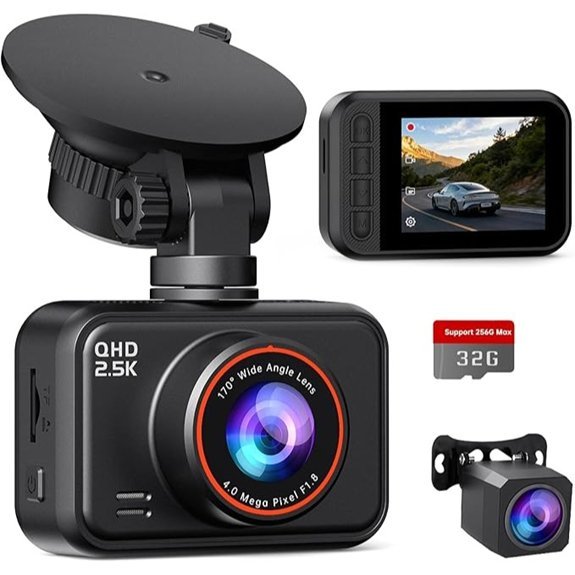 |
Reliable Daily Driver | Power Type: Super capacitor | Parking Mode: 24-hour parking monitor with motion/impact detection | Loop Recording: Loop recording (automatic overwrite) | VIEW LATEST PRICE | Read Our Analysis |
| 360° 4-Channel Dash Cam with 128GB Card | 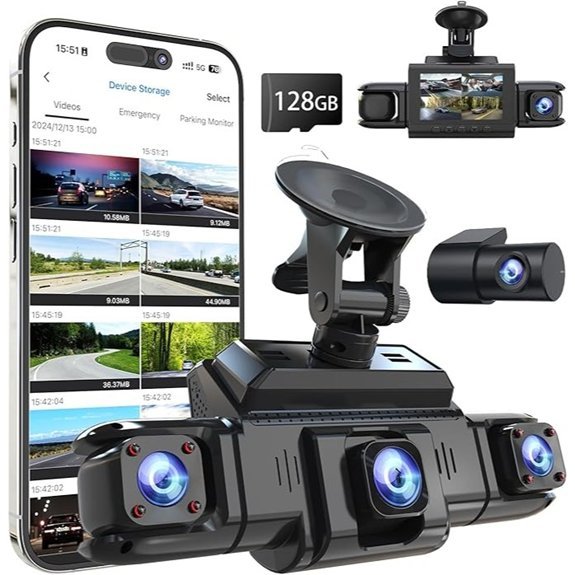 |
Best for Full Coverage | Power Type: Super capacitor | Parking Mode: Parking mode with time-lapse and collision detection | Loop Recording: Loop recording (automatic overwrite oldest unlocked footage) | VIEW LATEST PRICE | Read Our Analysis |
| N5 PRO 4K 4-Channel Dash Cam with 360° View | 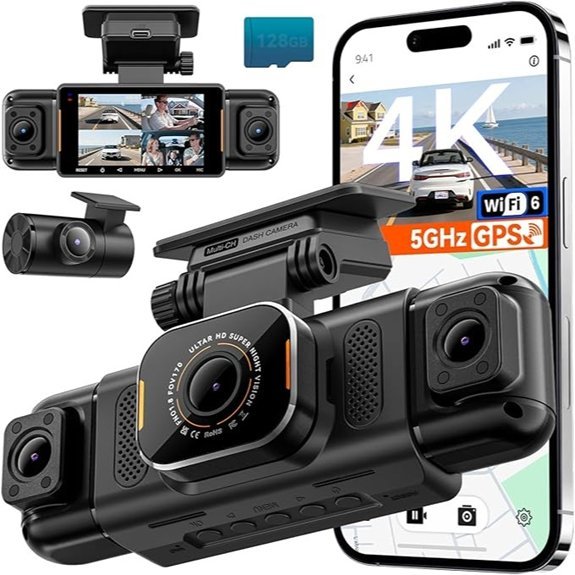 |
Premium 4K Protection | Power Type: Super capacitor | Parking Mode: 24/7 parking mode with time-lapse and collision detection (hardwire kit required) | Loop Recording: Continuous loop recording (overwrites oldest footage) | VIEW LATEST PRICE | Read Our Analysis |
| Vantrue E1 Pro 4K Mini Dash Cam Front | 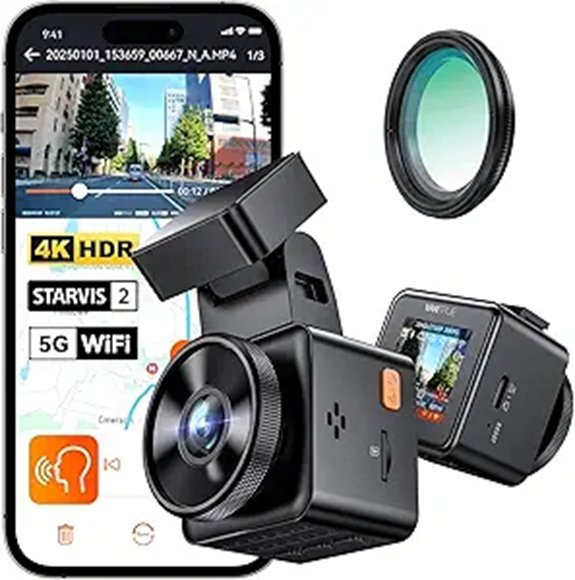 |
Compact Night Specialist | Power Type: Super capacitor | Parking Mode: 24/7 buffered parking mode (requires hardwire kit) | Loop Recording: Loop recording with adjustable segments (1/2/3 min) | VIEW LATEST PRICE | Read Our Analysis |
| Vantrue N4 Pro S 4K Triple Channel Dash Cam | 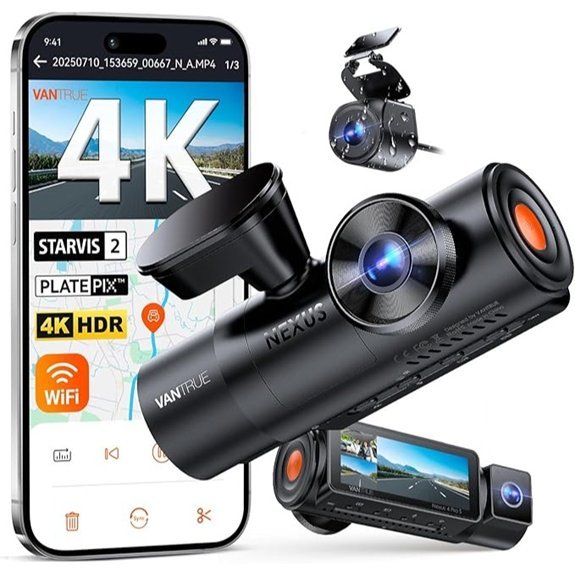 |
Professional Multi-Cam | Power Type: Super capacitor | Parking Mode: 24/7 buffered parking mode with motion detection | Loop Recording: Loop recording (overwrites older videos) | VIEW LATEST PRICE | Read Our Analysis |
More Details on Our Top Picks
-
Dual 2.5K HDR Front & Rear Dash Cam
This dual 2.5K HDR front-and-rear dash cam delivers clear footage without any hassle. It records crisp ultra-HD video day and night. The super capacitor handles extreme temperatures so the unit stays reliable. HDR night vision makes license plates and traffic details easy to read. Setup takes minutes with simple plug-and-play. It suits commuters and families who want straightforward protection. Parking mode records motion or impact clips around the clock, but you need the hardwire kit sold separately. A 32GB card comes in the box and you can go up to 256GB with loop recording.
Pick this if you drive daily and want easy, dependable coverage.
- Power Type:Super capacitor
- Parking Mode:24-hour parking monitor with motion/impact detection
- Loop Recording:Loop recording (automatic overwrite)
- Night Vision / Low-Light Tech:HDR night vision
- GPS Capability:(Not built-in) — no GPS mentioned
- Included Memory Card:32GB microSD card included (supports up to 256GB)
- Additional Feature:Super capacitor power
- Additional Feature:Easy plug-and-play
- Additional Feature:Expandable to 256GB
-
360° 4-Channel Dash Cam with 128GB Card
Drivers who need to see every angle will like this 360° 4-channel dash cam. It records four Full HD feeds at once for front, rear, sides, and inside. WDR plus eight infrared lights keep daytime and night footage clear. You can adjust the front lens for extra detail. Time-lapse parking mode saves space while loop recording and collision detection protect key clips. Optional GPS logs your route and speed. 5GHz Wi‑Fi lets you pull footage fast through the app.
Pick this if you drive for rideshare or want complete vehicle coverage.
- Power Type:Super capacitor
- Parking Mode:Parking mode with time-lapse and collision detection
- Loop Recording:Loop recording (automatic overwrite oldest unlocked footage)
- Night Vision / Low-Light Tech:Advanced night vision with WDR + 8 IR lights
- GPS Capability:Optional GPS logger (built-in/optional GPS and GPS video player)
- Included Memory Card:128GB card included
- Additional Feature:Four simultaneous channels
- Additional Feature:5GHz Wi‑Fi connectivity
- Additional Feature:GPS video player
-
N5 PRO 4K 4-Channel Dash Cam with 360° View
Drivers who want full 360° coverage will appreciate the N5 PRO. It records 4K up front plus three 1080p channels with wide lenses that remove blind spots. Advanced night vision keeps low-light footage usable. WiFi 6 and the IIWEY app make transfers fast. Built-in GPS logs your route and speed. The super capacitor works from -4°F to 167°F. G-sensor and 24/7 parking mode protect important clips when you add the hardwire kit. It includes loop recording, a free 128GB card, adjustable mounts, and a 12-month warranty.
Pick this if you need premium all-around protection on longer trips.
- Power Type:Super capacitor
- Parking Mode:24/7 parking mode with time-lapse and collision detection (hardwire kit required)
- Loop Recording:Continuous loop recording (overwrites oldest footage)
- Night Vision / Low-Light Tech:Advanced night vision, F1.8 lens + 4 IR lamps
- GPS Capability:Integrated GPS (records route/speed/location)
- Included Memory Card:Free 128GB SD card included
- Additional Feature:4K front recording
- Additional Feature:WiFi 6 support
- Additional Feature:Adjustable rotating mounts
-
Vantrue E1 Pro 4K Mini Dash Cam Front
The Vantrue E1 Pro fits almost anywhere and still records sharp 4K footage. Its IMX678 sensor and wide lens capture license plates clearly at night. PlatePix HDR and STARVIS 2 improve low-light detail. The super capacitor handles extreme heat and cold. Buffered parking mode records 15 seconds before and 30 seconds after events when you add the hardwire kit. Built-in 5G WiFi, GPS, voice control, loop recording, 1TB support, magnetic mount, and 18-month warranty complete the package.
Pick this if you want a small cam that excels in night driving.
- Power Type:Super capacitor
- Parking Mode:24/7 buffered parking mode (requires hardwire kit)
- Loop Recording:Loop recording with adjustable segments (1/2/3 min)
- Night Vision / Low-Light Tech:Starlight Night Vision / STARVIS 2 sensor
- GPS Capability:Integrated GPS (tracks location, speed, route)
- Included Memory Card:(Not stated as included) — supports up to 1TB (no included card specified)
- Additional Feature:IMX678 8MP sensor
- Additional Feature:Magnetic adhesive mount
- Additional Feature:Voice control features
-
Vantrue N4 Pro S 4K Triple Channel Dash Cam
The Vantrue N4 Pro S gives pro-level evidence capture. It records 4K front, 1080P interior, and 2.5K rear at the same time with STARVIS 2 on every lens. You can switch to front-plus-rear only for longer clips. PlatePix and Night Vision 4.0 make plates readable even at night. The rear camera is IP67 rated and handles -4°F to 140°F. 5GHz Wi‑Fi, OTA updates, 24/7 buffered parking mode, and an 18-month warranty finish it off.
Pick this if you need high-res interior and rear coverage for work or fleet use.
- Power Type:Super capacitor
- Parking Mode:24/7 buffered parking mode with motion detection
- Loop Recording:Loop recording (overwrites older videos)
- Night Vision / Low-Light Tech:Night Vision 4.0 with STARVIS 2
- GPS Capability:Integrated GPS (viewable via app)
- Included Memory Card:(Not stated as included) — card support implied (no specific included card specified)
- Additional Feature:Triple STARVIS 2 sensors
- Additional Feature:IP67 waterproof rear
- Additional Feature:OTA firmware updates
Factors to Consider When Choosing the Best Dash Cam With Capacitor
When you shop for a dash cam with a capacitor, focus on power reliability and how it handles heat or cold. Check video resolution and night vision so footage stays clear in any light. Also look at parking mode options to match how you use the car.
Power Source Reliability
Super capacitors give steady performance in extreme temperatures and heavy use. You avoid the failures common with lithium batteries. The unit starts fast and keeps recording without interruption. Capacitors handle hundreds of thousands of charge cycles, so they last much longer. They also resist swelling and overheating. For 24-hour parking or long drives, a capacitor-powered dash cam offers consistent results and less worry.
Temperature Resistance
Capacitors handle wide temperature swings better than batteries. Most models work from -4°F to 158°F or wider. They stay stable even when the car sits in direct sun or freezing cold. This cuts the risk of malfunctions or fire. If your area has big seasonal changes, a capacitor model keeps recording reliably year-round.
Video Resolution Quality
Higher resolution makes license plates and details easier to read. Go for 4K or 2.5K when your budget allows. HDR helps balance bright and dark areas. Good sensors like STARVIS improve low-light shots. Loop recording prevents the card from filling too fast.
Night Vision Performance
Night vision decides whether footage shows plates and faces after dark. Look for WDR and infrared lights that boost clarity by up to 30 percent. Strong lenses reduce blur at speed. Buffered capture in low light adds useful context around events.
Parking Mode Options
Choose 24/7 parking mode for constant watch when parked. Buffered mode records a few seconds before and after motion. Motion detection saves power and storage. Adjustable sensitivity helps avoid false triggers from passing cars or weather.
Storage And Looping
Loop recording overwrites old files automatically so coverage never stops. Most models accept 128GB to 1TB cards. Higher capacity works best with 4K files. Adjustable loop lengths of 1 to 3 minutes balance file size and usefulness.
Mounting And Installation
Look for plug-and-play wiring and clear instructions. Strong adhesive or magnetic mounts keep the camera steady. Adjustable angles let you avoid glare and capture key details.
Connectivity And GPS
Built-in WiFi lets you download clips and update firmware through an app. 5GHz gives faster transfers. GPS adds speed, location, and route data to every video, which helps with insurance claims.
Frequently Asked Questions
Do Capacitor Dash Cams Work in Extreme Cold Climates?
Yes, they work, but very low temperatures can shorten operation time and slow the startup. Pick a model rated for cold weather and consider an insulated mount if needed.
How Long Do Capacitors Last Compared to Batteries?
Capacitors often last 5–10 years or more with frequent charging. Batteries usually wear out in 2–4 years. Capacitors also perform better in cold weather over time.
Can Dash Cams With Capacitors Support GPS Logging?
Yes. Many models include built-in GPS that stamps location and speed right onto the video. Some add a small external GPS unit.
Are Capacitor Dash Cams Compatible With Hardwire Kits?
Yes. You can wire them for constant power and full parking mode. Just follow the manufacturer instructions and use the right fuse tap.
Do Capacitor Dash Cams Require Regular Maintenance?
Maintenance stays simple. Wipe the lens, check connections, update firmware when available, and inspect the mount every few months. The unit itself usually needs no replacement for years.
Conclusion
A dash cam with a super capacitor gives steady protection through all kinds of weather. It covers every lane, logs your miles, and keeps working when temperatures rise or drop. Choose one built to last and you will drive with extra peace of mind.