How to Maintain Toyota Supra Brakes For Track Use: Step-by-Step Guide
To maintain your Toyota Supra brakes for track use, regularly inspect and measure brake pad thickness and rotor condition. Upgrade to high-performance pads and use high-temperature brake fluid for better heat management. Perform routine brake fluid changes to prevent moisture contamination and guarantee responsive braking. Address common issues like pulsation from rotor warping, and consider installing cooling ducts to maintain ideal temperatures. Keep checking your brake components meticulously, and you’ll discover more essential maintenance tips.
Inspecting Your Toyota Supra Brake Pads and Rotors for Track Readiness
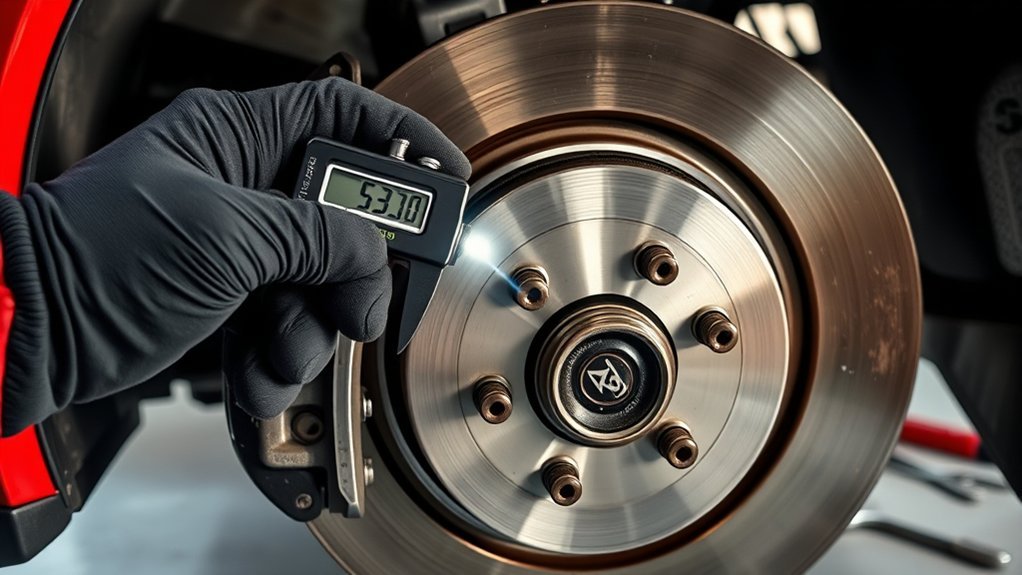
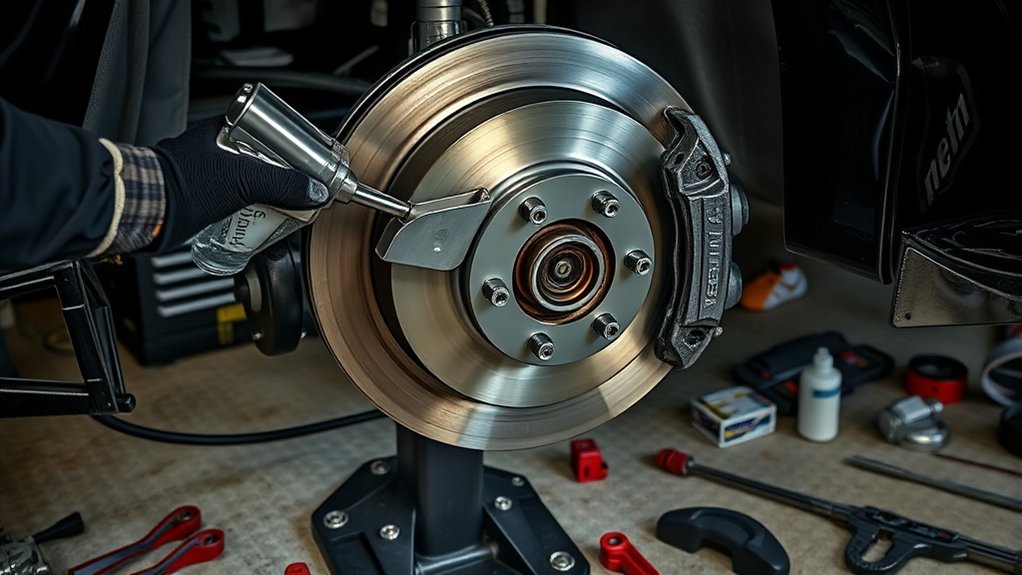
To guarantee your Toyota Supra is track-ready, start by inspecting the brake pads and rotors. Check the thickness of your brake pads; if they’re nearly worn down, they can compromise braking performance and generate excessive rotor heat. Next, examine the brake rotors for heat cracks, grooves, or warping, as these issues can hinder efficiency and require replacement for track use. Verify all caliper bolts are tight; loose bolts can cause pulsation and inconsistent braking. Measure the brake rotor runout to confirm minimal variation—excessive runout can lead to vibrations, affecting your braking stability. Finally, don’t forget the brake fluid. Replace old fluid with a high-temperature option like Motul 600, and perform regular flushes to keep your braking system performing effectively during track events. By diligently inspecting these components, you’re guaranteeing that your Supra can handle the demands of the track.
Why Upgrading Toyota Supra Brakes With High-Performance Pads Matters
Upgrading to high-performance brake pads can markedly enhance your Toyota Supra’s stopping power and improve heat management. These pads are engineered to withstand higher temperatures, preventing fade during intense driving conditions. By making this upgrade, you’ll experience better control and responsiveness, essential for both track performance and safety.
Enhanced Stopping Power
When you push your Toyota Supra to its limits on the track, having high-performance brake pads becomes essential for maintaining ideal stopping power. Upgrading to pads like DTC30 or Porterfield R4S provides enhanced stopping power and greatly reduces brake fade during those extended sessions. These high temp brake pads are engineered to perform effectively under extreme conditions, preventing rotor overheating and ensuring consistent braking. When selecting good pads, focus on their friction coefficient and compatibility with your existing rotor setup to optimize braking efficiency. Track-specific pads also feature advanced materials that minimize dust and debris, leading to cleaner rotors and longer-lasting components. Investing in quality brake pads is vital for safety, control, and reduced stopping distances on the track.
Improved Heat Management
High-performance brake pads, like DTC30 or Porterfield R4S, play an essential role in managing heat during intense driving sessions. Upgrading to these pads enhances heat resistance and minimizes brake fade, ensuring consistent performance on the track. Their aggressive friction materials provide improved initial bite and stopping power, critical for safety and performance.
| Feature | High-Performance Pads | Standard Pads |
|---|---|---|
| Heat Resistance | Excellent | Moderate |
| Brake Fade | Minimal | Significant |
| Initial Bite | Superior | Average |
Proper bedding of these pads is necessary for ideal heat management, forming a suitable transfer layer on the rotors. Investing in high-quality pads can extend rotor lifespan, making them a smart choice for track enthusiasts.
How Regular Brake Fluid Changes Prevent Brake Failure
Maintaining clean brake fluid is essential for your Toyota Supra’s performance and safety. Contaminated fluid can absorb moisture, leading to decreased boiling points and the risk of brake fade under high-stress conditions. By regularly changing your brake fluid, you prevent moisture contamination and guarantee reliable braking efficiency.
Importance Of Clean Fluid
To guarantee your Toyota Supra’s braking system performs at its best, it’s vital to prioritize regular brake fluid changes. Aim for a change every two track weekends to combat moisture accumulation, which can lower boiling points and lead to brake fade. Contaminated fluid can corrode brake components, jeopardizing brake performance and risking failure. Always opt for high-performance brake fluid, like Motul 600, to enhance thermal stability and reduce the chances of vapor lock during intense braking. Additionally, maintaining clean brake fluid guarantees a firm pedal feel and responsive braking, essential for driver control and safety on the track. By staying vigilant about your brake fluid, you’ll enhance the overall effectiveness and longevity of your braking system.
Preventing Moisture Contamination
While it might seem minor, moisture contamination in brake fluid can have serious consequences for your Toyota Supra’s braking performance. Regularly changing your brake fluid is essential, especially under track conditions, as even small moisture amounts can greatly lower the boiling point, risking brake failure. To maintain peak performance, flush and replace your brake fluid every two track weekends. Using high-quality, moisture-resistant brake fluid, like Motul 600, can further enhance your system’s reliability.
| Action | Benefit |
|---|---|
| Regular fluid changes | Prevents moisture contamination |
| Use moisture-resistant fluid | Improves overall brake performance |
| Monitor fluid condition | Enhances safety on the track |
| Flush every two weekends | Guarantees peak braking performance |
How to Tackle Common Brake Problems: Overheating and Pulsation
Addressing overheating and pulsation in your Toyota Supra’s brakes is essential for guaranteeing ideal performance, especially during demanding driving conditions like track sessions. To prevent overheating, consider upgrading to high-performance brake pads and using high-temperature brake fluid, such as Motul 600, which can handle higher thermal loads.
Monitor for signs of pulsation, often caused by rotor warping. Regularly inspect and machine your rotors to maintain smooth braking performance. Properly bedding your brake pads is imperative; insufficient bedding can lead to uneven wear and vibrations, so follow the manufacturer’s instructions for best results.
Don’t overlook the condition of your calipers and other brake components. Regular inspections will help identify any signs of wear or damage early, allowing you to replace parts as necessary. Keeping your braking system in top shape guarantees consistent performance on the track and enhances your driving experience.
Let’s Talk About Cooling: Why Ducts Matter for Your Brakes
When it comes to optimizing your Toyota Supra’s braking performance, effective cooling plays a essential role. Brake ducts are key for maintaining lower rotor temperatures during track use by directing airflow directly to the center of the rotors. This prevents overheating and enhances overall braking performance. To maximize cooling efficiency, consider fabricating custom ducts using high-temperature silicone hoses that utilize existing openings in your car’s front lip.
It’s imperative to design these ducts to target both the rotors and calipers, greatly reducing brake fade during extended sessions. Regularly inspect your brake ducting system, as any blockages or dislodged components can severely diminish airflow, impacting your braking performance on the track. By ensuring proper airflow, you maintain consistent braking performance and boost your confidence behind the wheel. Prioritize cooling to liberate the full potential of your Supra’s braking system.
Proper Installation of Your Brake Components for Safety and Functionality
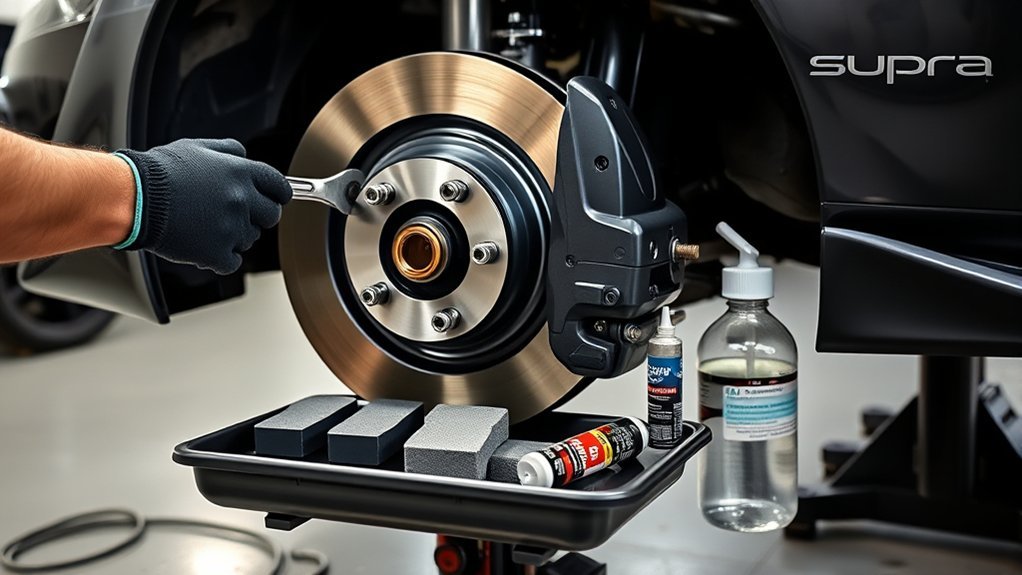
To guarantee your Toyota Supra’s braking system functions safely and effectively, proper installation of brake components is essential. Start by cleaning the hub surface and brake parts to eliminate debris or rust, making sure of even contact for peak braking performance. Follow the manufacturer’s specifications closely, especially regarding torque settings, to avoid rotor warping or caliper misalignment. When replacing rotors, check for runout with a dial indicator; excessive variation can cause pulsation during braking.
| Step | Action | Purpose |
|---|---|---|
| Clean Components | Remove debris and rust | Makes sure of even contact |
| Check Torque Settings | Follow manufacturer specifications | Prevents warping and misalignment |
| Inspect Post-Installation | Verify no leaks and proper bleeding | Guarantees peak brake responsiveness |
Utilize high-temperature brake fluid and perform a complete flush for maximum performance during track use.
Monitoring Brake Temperature for Track Performance
Monitoring brake temperature is essential for maintaining ideal track performance, as excessive heat can lead to brake fade and compromised stopping power. To guarantee your Toyota Supra’s brakes operate within suitable limits, consider these key practices:
- Use thermal paint or infrared temperature guns to accurately measure rotor temperatures.
- Aim for rotor temperatures between 300°F and 1,200°F, depending on specific components and track conditions.
- Fabricate brake ducts to direct airflow to the rotor centers, enhancing temperature management during extended runs.
- Regularly inspect brake pads for excessive wear or glazing, helping prevent overheating.
Tips for Routine Brake Inspections Before Track Days
Before hitting the track, conducting routine brake inspections is essential for guaranteeing ideal performance and safety. Start by checking your brake pads for wear; they should have ample material left to maintain effective braking. Next, inspect the brake rotors for any heat cracks, grooves, or warping—visible damage could lead to brake failure during high-stress situations.
Don’t forget to assess the brake fluid; it should be clean and at the appropriate level. Contaminated or low fluid can cause spongy brakes, so consider a complete fluid replacement if necessary.
Lastly, inspect the caliper bolts for tightness. Loose bolts can cause pulsation and inconsistent braking, compromising your safety on the track. Also, measure brake rotor runout to guarantee there’s no excessive warping, which can lead to uneven braking and pedal pulsation. Prioritize these inspections to keep your Toyota Supra performing at its best.
Installing Your New Brake Pads: A Step-by-Step Guide
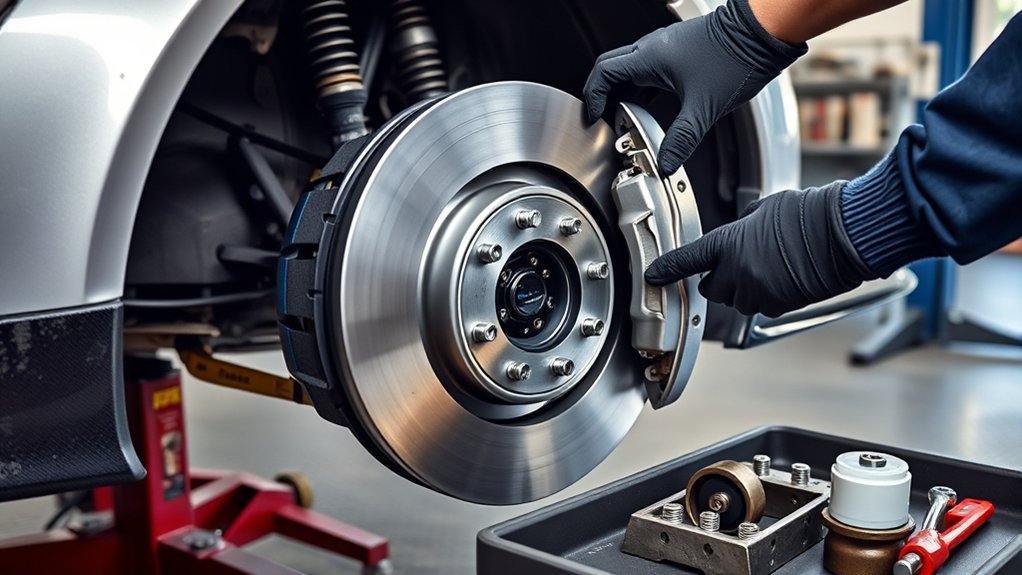
Installing new brake pads on your Toyota Supra is a straightforward process that can enhance your vehicle’s braking performance. Follow these steps to guarantee a successful installation:
- Safely lift the vehicle with a jack and secure it with jack stands.
- Remove the wheel to access the brake caliper.
- Use a socket wrench to detach the caliper from the bracket, supporting it to avoid stress on the brake line.
- Remove old pads and clean the caliper surface with brake cleaner.
Now, insert the new pads into the caliper bracket, ensuring they seat correctly. Apply a small amount of brake grease to the backing of the pads to reduce noise. Reattach the caliper over the new pads, and torque the caliper bolts to the manufacturer’s specifications. Repeat for the other wheels before reattaching the wheels and lowering the vehicle. Enjoy improved braking performance on the track!
Frequently Asked Questions
How Long Do Supra Brakes Last?
Supra brakes typically last 1,500 to 5,000 miles, influenced by driving habits and track conditions. Performance upgrades enhance longevity, while wear indicators should guide your inspections to guarantee peak braking performance during aggressive driving.
What Are the Five Keys to Brake Maintenance?
To maintain brakes effectively, you’re focusing on five keys: regularly check brake fluid levels, replace pads as needed, inspect rotors for wear, clean calipers, and guarantee overall system integrity for peak performance during driving.
What Are the Common Problems With Supras?
Supras can face a host of issues, like brake fade from overheating, rotor warping, pad wear, and pesky fluid leaks. Regular checks help you dodge these pitfalls and keep your ride track-ready and exhilarating.
How Do You Maintain Your Brakes?
To maintain your brakes, regularly inspect rotors for wear, clean calipers, replace pads when necessary, and flush brake fluid every few track weekends to guarantee peak performance and prevent overheating during intense driving sessions.
Conclusion
In the high-stakes world of track racing, your brakes are like a knight’s shield—essential for protection and performance. Neglecting them can lead to catastrophic failure, much like a knight facing an unyielding enemy without their armor. By regularly inspecting and upgrading your Toyota Supra’s brake system, you’ll guarantee it stands strong against the rigors of the track. So gear up, stay vigilant, and remember: a well-maintained brake system is your best ally in the race for victory.