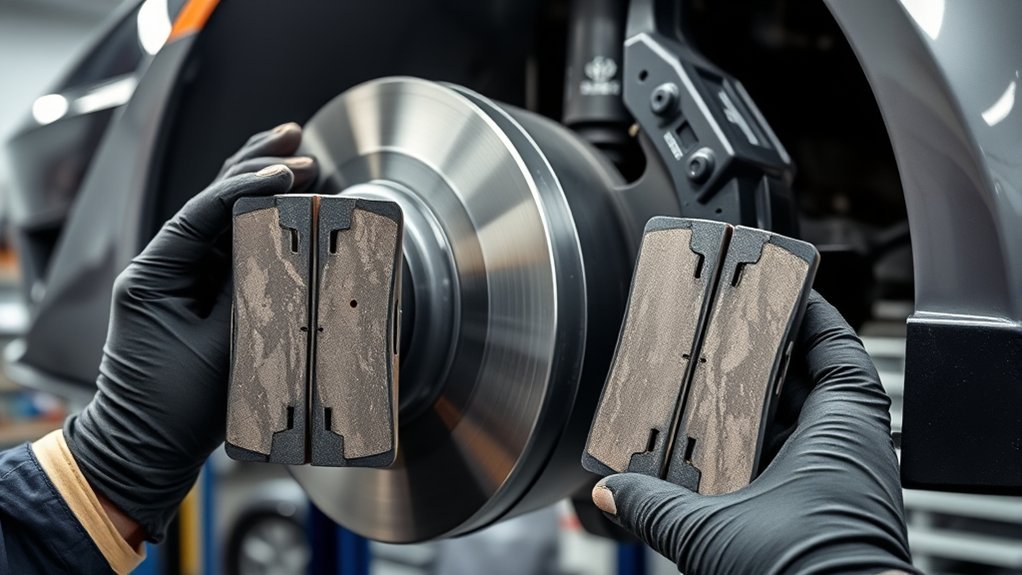
You should replace your Toyota Supra’s brake pads when the thickness falls below 3mm, you hear squealing noises, or notice vibrations during braking. Dashboard warning lights also indicate critical wear. Regular inspections every 5,000 to 7,500 miles are essential, especially after track days, as driving style impacts pad longevity. Remember to check the brake pad wear sensors for functionality. To maximize safety and performance, explore essential tips and best practices in your maintenance routine.
Signs That It’s Time to Replace Your Brake Pads
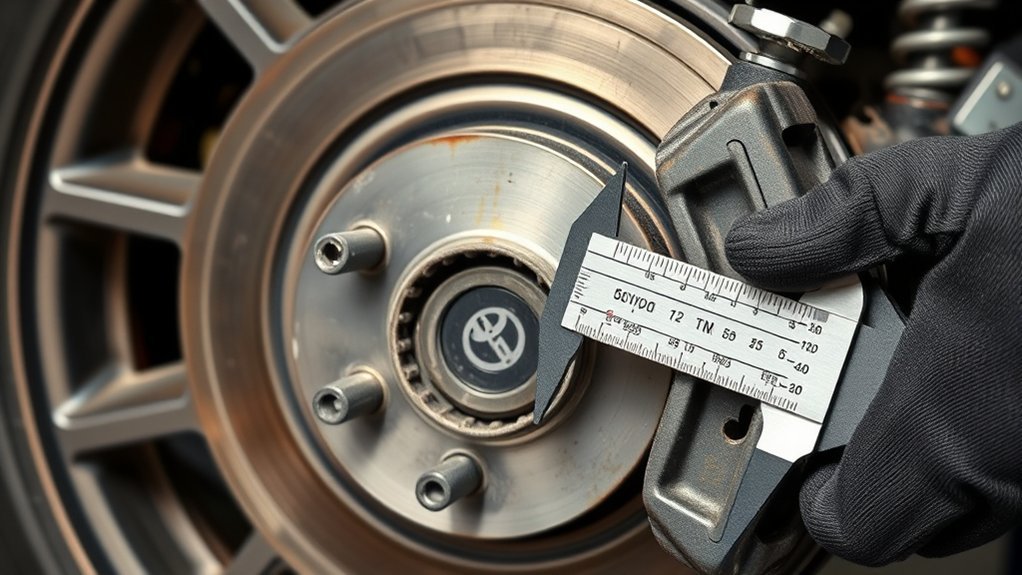
How can you tell when it’s time to replace your brake pads? Look out for several key signs. First, if a warning light illuminates on your dashboard, it indicates that the brake pad wear sensors have activated, signaling an urgent need for inspection and possible replacement. Additionally, if you hear a squealing noise while braking, it’s often due to wear indicators contacting the rotor.
You should also pay attention to your vehicle’s stopping distances; longer distances can mean your brake pads are thinning or that moisture has entered the brake fluid. If you feel vibrations through the steering wheel during braking, this may suggest uneven rotor thickness from worn brake pads. Finally, regular inspections revealing pad thickness below 3mm warrant immediate replacement to prevent metal-on-metal contact, ensuring your braking system remains reliable and safe.
Understanding Brake Pad Wear Indicators
When should you pay attention to brake pad wear indicators on your Toyota Supra? Your vehicle is equipped with brake pad wear sensors that monitor the condition of both front and rear pads. When the pads wear down to a critical level, these sensors trigger a warning light on your dashboard, indicating that immediate maintenance is vital.
| Indicator | Action Required |
|---|---|
| Warning light on | Inspect brake pads soon |
| Light remains off | Brake pads are likely fine |
| Sensors malfunctioning | Check functionality |
Regular visual inspections are essential to assess pad depth and guarantee wear doesn’t exceed safe limits. If the wear sensor short-circuits, it’s a clear sign that your brake pads need attention to prevent potential brake failure. Always check the wear sensors during routine maintenance to stay ahead of any braking issues.
Brake Pad Replacement Intervals for the Supra
When it comes to replacing brake pads on your Toyota Supra, regular inspection is essential. You should monitor your mileage, aiming for replacements every 20,000-30,000 miles under normal driving conditions, and even sooner if you frequently hit the track. Keep an eye out for warning signs like dashboard alerts and check the thickness of your pads to guarantee peak performance.
Recommended Replacement Mileage
Inspecting the brake pads on your Toyota Supra every 5,000 to 7,500 miles is crucial for maintaining ideal performance and safety. Typical brake pad life ranges from 15,000 to 30,000 miles under normal driving conditions. However, if you’re pushing your Supra hard, that mileage could drop considerably. Keep an eye on the brake pad wear sensor; if the light illuminates, replace the pads immediately. Aim to replace them before they reach 3mm in thickness to guarantee safe braking. Here’s a quick reference for your brake pad replacement intervals:
| Driving Condition | Recommended Replacement Mileage |
|---|---|
| Normal Driving | 15,000 – 30,000 miles |
| Aggressive Driving | 10,000 – 15,000 miles |
| After Track Days | Every 3 – 4 days |
Track Use Considerations
For those who take their Toyota Supra to the track, understanding brake pad wear becomes even more significant. On average, stock brake pads typically last around 3-4 track days, depending on your driving style and the conditions. After about 8,000 miles and multiple track days, you should assess your brake pads for wear, especially before upcoming events. Upgrading to performance-oriented pads like Endless MX72+ or Project Mu Club Racers can enhance durability and performance during intense sessions. Frequent inspections before and after track days are essential for monitoring pad thickness. Consider bringing a backup set of brake pads, as changing them between sessions is feasible if the brakes are allowed to cool properly. Prioritize safety on the track.
Warning Signs To Monitor
Monitoring the condition of your brake pads is essential for maintaining the performance and safety of your Toyota Supra. Pay attention to the brake pad wear sensor, which activates a warning light when your pads are considerably worn, signaling an inspection or replacement is needed. Regularly check the thickness of your brake pads; if they measure less than 3mm, it’s time for new ones. Listen for squealing sounds at low speeds, indicating that wear indicators are contacting the rotor. Additionally, if you notice longer stopping distances or vibrations in the steering wheel while braking, these could signal thin pads or uneven rotor wear. Address these issues promptly to guarantee peak braking performance.
How to Inspect Your Brake Pads Effectively
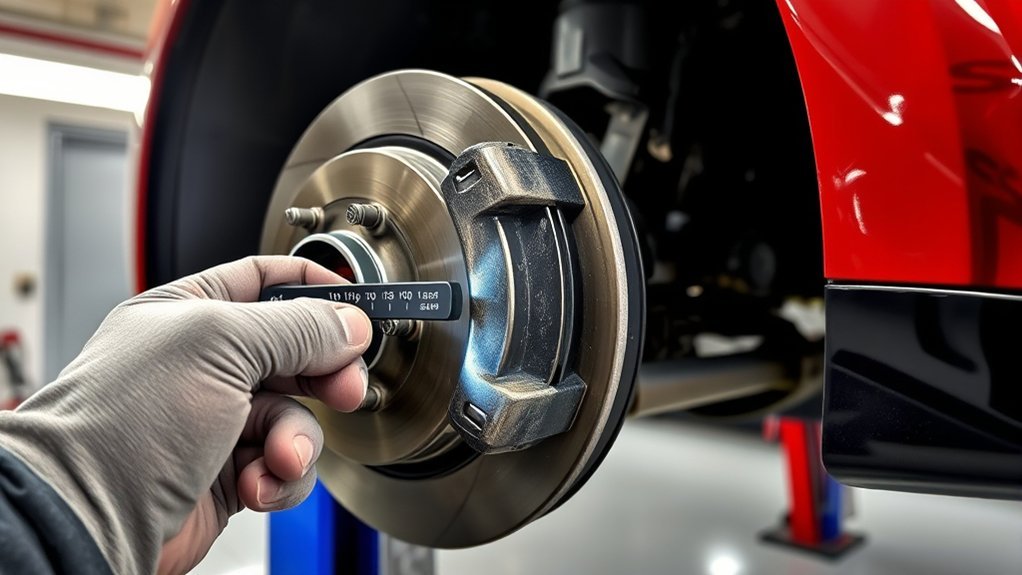
To inspect your brake pads effectively, start by measuring the remaining friction material with a caliper; anything below 3mm typically signals replacement. Next, conduct a visual inspection for uneven wear patterns, which could indicate underlying issues with calipers or mounting. Regularly checking for any unusual noises during braking can also alert you to problems that need immediate attention.
Visual Inspection Techniques
Inspecting your brake pads effectively requires a keen eye for detail, as this can greatly impact your vehicle’s safety and performance. Start by checking the remaining thickness of the friction material; it should ideally be at least 3mm for safe operation. Look for uneven wear patterns, which could signal problems with the caliper or suspension alignment. Examine the pad surface for cracks, grooves, or excessive wear, indicating they may need immediate replacement. Don’t forget to confirm that the brake pad wear sensor is functional; if the warning light is illuminated, it’s time to inspect the pads. Finally, verify the brake caliper and rotor are clear of corrosion and debris to maintain peak braking efficiency.
Measuring Pad Thickness
Measuring brake pad thickness is essential for maintaining your Toyota Supra’s braking performance and safety. Use a caliper or ruler to check the remaining friction material; when it reaches 3mm or less, it’s time for replacement. This measurement helps prevent metal-on-metal contact, which can damage rotors and impair braking. Additionally, keep an eye on your brake pad wear sensor, as it provides alerts when pads are worn. Regularly inspect for uneven wear patterns, indicating potential issues with calipers or suspension components. Document your brake pad measurements and replacements in a service log to track wear over time. This proactive maintenance guarantees peak safety, especially during high-demand situations like track days.
Selecting Brake Pads Based on Driving Style
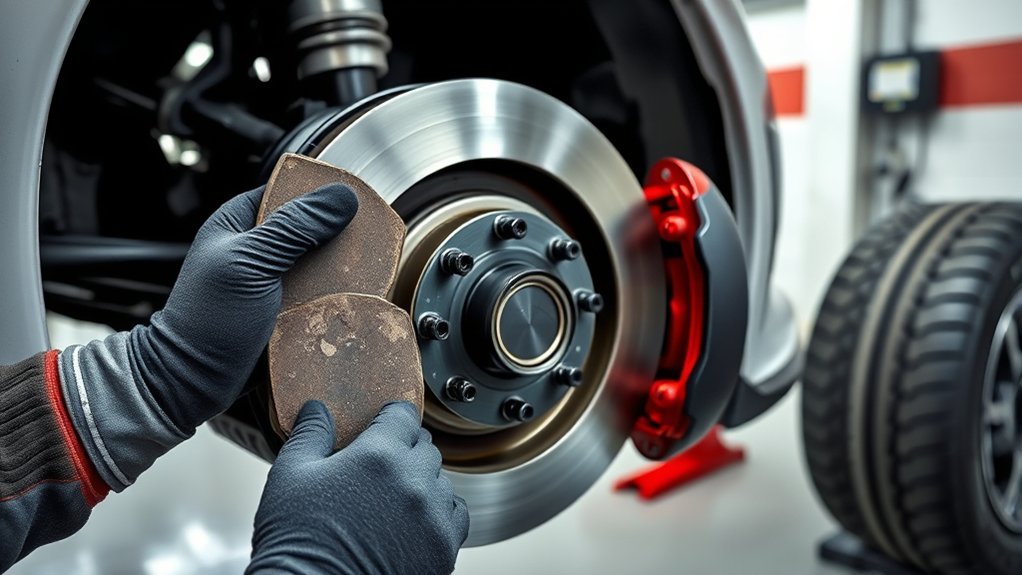
When selecting brake pads for your Toyota Supra, understanding your driving style is vital, as it directly impacts performance and safety. For daily driving, OEM or high-quality aftermarket brake pads offer a balance of performance and comfort while minimizing dust and noise. If you often hit the track or enjoy spirited driving, opt for performance-oriented pads like Endless MX72+ or Project Mu Club Racers, which provide superior heat resistance and stopping power. However, if you prioritize a smooth street experience, steer clear of overly aggressive track pads, as they may lead to excessive wear and rotor damage. For mixed driving conditions, versatile options like Hawk DTC 60/30 pads guarantee reliable performance without compromising daily drivability. Understanding the specific needs of your driving style is vital, as different brake pads are engineered to perform effectively under various temperature ranges and conditions.
Why Genuine Toyota Brake Parts Matter
Choosing genuine Toyota brake parts for your Supra is essential for ensuring peak performance and safety. Unlike aftermarket alternatives, these OEM components are specifically designed for your vehicle, guaranteeing an ideal fit and longevity. By using genuine Toyota brake parts, you help maintain your vehicle’s warranty and uphold the integrity of the braking system, which prevents potential safety issues.
Genuine parts, including brake pads and rotors, are engineered to minimize noise and dust, enhancing your driving experience. They provide a consistent pedal feel, vital for both daily driving and high-performance scenarios like track days. Regularly using these components leads to improved reliability and can reduce long-term maintenance costs, as they are built to withstand the demands of your Supra’s performance capabilities. In short, prioritizing genuine Toyota brake parts not only enhances your vehicle’s safety but also elevates your overall driving experience.
DIY vs. Professional Brake Pad Replacement: Key Considerations
Opting for genuine Toyota brake parts sets the stage for considering how to handle brake pad replacement on your Supra. You have two main options: DIY brake pad replacement or seeking professional help. Each approach has its pros and cons.
Choosing genuine Toyota brake parts leads to two paths for replacing your Supra’s brake pads: DIY or professional assistance, each with its own advantages.
- Cost Savings: DIY can save you money if you have the right tools and knowledge.
- Quality Assurance: Professionals guarantee proper installation and inspection of all components, including brake fluid and rotor condition.
- Specialized Tools: Some tasks may require tools like BimmerLink or ISTA+, making professional service more practical.
- Warranty & Resale Value: Engaging a professional can help maintain your vehicle’s warranty and resale value, as they follow scheduled maintenance intervals.
Ultimately, consider your skill level and the importance of maintaining your Supra’s performance when deciding between DIY and professional brake pad replacement.
Getting Ready for Track Days: Brake Pad Tips
Before hitting the track, make sure you’ve got a backup set of brake pads; stock options usually wear out after just a few sessions. Keep a close eye on wear indicators to avoid triggering limp mode, which can seriously impact performance. If you’re serious about track days, consider upgrading to high-performance pads for improved durability and heat resistance.
Backup Brake Pads Essential
Bringing a backup set of brake pads to your track day is essential for maintaining performance and safety. Worn pads can compromise your stopping power, so having a replacement on hand allows you to quickly address any issues.
- Confirm your backup pads are compatible with your setup.
- Change brake pads only when they’re cooled to avoid complications.
- Avoid replacing pads for the first time at the track; practice this at home.
- Consider upgrading to high-performance pads, like Endless MX72+, for better durability.
Monitor Pad Wear Levels
Monitoring pad wear levels is essential for ensuring ideal braking performance during track days. Before you hit the track, inspect your brake pads for wear and confirm they have adequate thickness; stock pads typically last about 3-4 sessions. Keep an eye on the pad wear sensor—if it triggers, you risk entering limp mode, signaling an urgent need for replacement. It’s wise to bring a backup set of brake pads, allowing for quick changes if wear becomes excessive during your runs. If you’re changing pads for the first time at the track, proceed with caution, as complications can arise without prior experience. Stay proactive to maintain your car’s performance and safety on the track.
Consider Upgraded Pad Options
As you prepare for track days, considering upgraded brake pad options can greatly enhance your vehicle’s performance. Stock pads may not withstand the intense conditions of the track, so opt for high-performance alternatives that guarantee consistent braking.
- Endless MX72+ pads: Exceptional temperature tolerance, minimizing fade.
- Project Mu Club Racers: Versatile for both track and street use.
- Hawk DTC 60/30 pads: Reliable year-round, offering consistent performance.
- Backup pads: Always keep a spare set on hand for quick swaps.
Regularly inspect your brake pad thickness before events, as they typically last 3-4 track days. With the right upgraded pad options, you’ll achieve prime braking performance and confidence during your sessions.
What to Avoid When Changing Brake Pads?
When changing brake pads on your Toyota Supra, it’s essential to be mindful of several common pitfalls to guarantee peak performance and safety. First, avoid using excessive force when removing the original brake pads; they may be glued to the piston, risking damage if pried incorrectly. Don’t forget to transfer shims from the old pads to the new ones if they aren’t included, as this step is critical for maximum braking performance. Refrain from applying regular grease on brake components; instead, use a light amount of high-temperature grease where the pads contact the caliper to minimize noise. Make sure you don’t neglect the brake wear sensors; check their functionality to prevent future warning lights. Finally, skip the dirt and debris when installing; cleaning all components is essential to prevent uneven wear and maintain braking efficiency. By steering clear of these mistakes, you’ll guarantee a safer driving experience.
Maintaining Your Brake System for Optimal Performance
To maintain your brake system for peak performance, it’s important to regularly inspect the brake pads for signs of wear and confirm they align with the manufacturer’s recommended thickness. Pay attention to the brake pad wear sensors, which alert you when it’s time for a replacement.
Consider these key maintenance practices:
- Check brake fluid levels and quality regularly to guarantee maximum braking efficiency.
- Apply high-temperature grease sparingly where brake pads contact the caliper to minimize noise and friction.
- Carefully compress pistons during pad replacement to prevent damage and verify proper installation.
- Document your brake maintenance history, including inspections and replacements, to monitor performance and plan future services.
Frequently Asked Questions
How Long Do Supra Brakes Last?
Supra brakes typically last around 8,000 miles or 3 to 4 track days, depending on your driving style. Regularly check brake wear to guarantee peak performance and replace pads before reaching the wear sensor.
What Is the 30/30/30 Rule for Brakes?
Imagine your brakes as a tightrope walker; the 30/30/30 rule states you should replace brake pads when they reach 30% thickness. Monitor brake pad indicators closely to maintain ideal stopping power and safety.
Is 3mm on Brake Pads Ok?
No, 3mm on brake pads isn’t okay for ideal brake performance. At this thickness, you risk rapid wear and potential damage, compromising safety. Regular inspections and timely replacements are essential to maintain effective braking capabilities.
Is 20% Brake Life Left?
Yes, 20% brake life left indicates you’re nearing the critical threshold of brake pad lifespan. You should monitor performance closely, as reduced stopping power could risk safety and lead to costly repairs if ignored.
Conclusion
In the world of performance, your brake pads are the unsung heroes, the silent guardians of your Toyota Supra. Just like a seasoned athlete knows when to hang up their shoes, you must listen to the subtle signs of wear and tear. By keeping a close eye on your brake performance and following the guidelines provided, you guarantee your Supra’s braking system remains sharp and responsive, ready to tackle any road ahead. Remember, your safety is just a brake pad away.