Toyota Supra Ac Not Blowing Cold: Troubleshooting & Quick Fixes

If your Toyota Supra’s AC isn’t blowing cold air, check for low refrigerant levels, which could indicate a leak. Inspect the cabin air filter for clogs that might restrict airflow. Listen for unusual noises from the compressor, and examine fuses for damage. If the compressor clutch isn’t engaging, that could be the culprit too. For thorough troubleshooting steps and solutions, you’ll find additional insights to guide you in resolving the issue effectively.
Common Causes of AC Issues in Toyota Supra

When troubleshooting AC issues in your Toyota Supra, there are several common culprits you should consider. First, check for low refrigerant levels, often caused by refrigerant leaks that prevent effective cooling. If the AC system isn’t producing cold air, a malfunctioning compressor clutch might be the issue; it may fail to engage even if power’s reaching the compressor. Don’t overlook the importance of air flow; a clogged cabin air filter can severely restrict airflow, leading to warmer air circulating in your vehicle. Additionally, inspect for blown fuses or faulty climate control modules, as these electrical issues can disrupt the AC system’s operation. Finally, verify that your condenser coils are clean; dirt or contamination can impair heat transfer, diminishing the cooling performance. By addressing these common causes, you can restore your Supra’s AC to its best function and enjoy a comfortable driving experience.
Troubleshooting AC Problems
To effectively troubleshoot AC problems in your Toyota Supra, start by checking the refrigerant levels in the system, as low refrigerant can prevent the compressor from engaging and lead to inadequate cooling. Next, inspect the cabin air filter for clogs; a dirty filter restricts airflow, causing the AC to underperform.
Additionally, consider these key components in your troubleshooting:
- AC compressor: Listen for unusual noises and check if the clutch engages when the AC is activated.
- Electrical components: Examine fuses and wiring for any blown fuses or damage that could disrupt functionality.
- Blend door actuator: Assess for malfunctions, as they can cause improper air distribution, resulting in hot air instead of cool.
How to Check for Low Refrigerant Levels
Checking for low refrigerant levels is essential for maintaining efficient AC performance in your Toyota Supra. Start by connecting a pressure gauge to the low-pressure service port of the AC system, usually found near the compressor. If the gauge reads below the manufacturer’s specified PSI range, it indicates low refrigerant levels, requiring a system recharge.
Next, inspect for visible leaks around the AC hoses, connections, and compressor, as these are common culprits for low refrigerant. If your pressure gauge shows normal levels yet the AC is still blowing hot, you might be facing issues like a malfunctioning compressor or a clogged condenser. Remember to always wear safety goggles and gloves when handling refrigerant to protect yourself from harmful exposure. By regularly monitoring these factors, you can guarantee your AC system delivers the cold air you crave.
How to Replace the Cabin Air Filter
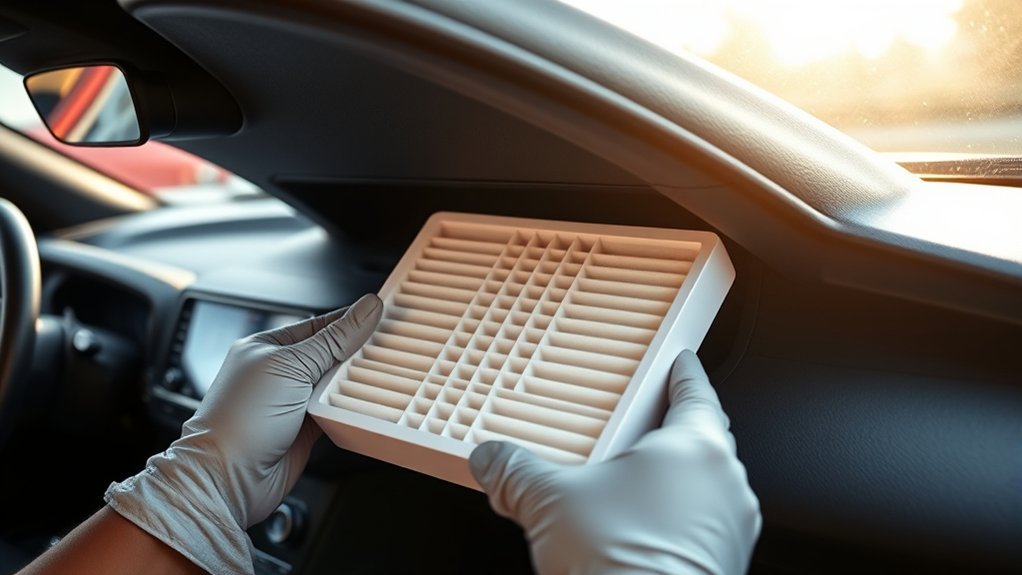
Replacing the cabin air filter in your Toyota Supra is a straightforward task that can greatly improve your vehicle’s air quality and AC performance. To guarantee peak airflow and efficiency, follow these steps:
- Locate the glove box and open it fully. You may need to remove any contents.
- Detach the glove box, usually by pressing the sides inward to release it from the housing.
- Remove the old cabin air filter and insert the new one, paying attention to the orientation arrows on the filter housing.
Remember to consult your owner’s manual for specific instructions and the recommended part number for your cabin air filter. Regularly replacing the cabin air filter every 15,000 to 30,000 miles will prevent airflow restrictions, enhance cooling efficiency, and reduce strain on your AC system. Keep your Supra’s interior fresh and your AC running smoothly!
When to Seek Professional Help for AC Repairs
Maintaining your Toyota Supra’s AC system goes beyond simply replacing the cabin air filter; knowing when to seek professional help can save you time and prevent further damage. If you notice AC issues like hot air blowing from the vents or a malfunctioning AC compressor, it’s wise to consult a professional. When DIY troubleshooting fails, especially with suspected electrical signal problems or a faulty compressor clutch, don’t hesitate to engage a certified technician. Additionally, if you detect refrigerant leaks or contamination that requires specialized tools, professional assistance is crucial. Software glitches affecting your AC module may necessitate advanced reprogramming equipment, further underscoring the need for expert intervention. Furthermore, if your Supra is still under warranty, having repairs performed by a certified dealer guarantees you won’t void that warranty while addressing your blower motor issues. Trust the professionals to restore your AC system to peak performance.
Frequently Asked Questions
Why Is My Toyota AC Not Blowing Cold Air?
Your Toyota’s AC isn’t blowing cold air due to potential refrigerant leaks, AC compressor issues, or a clogged cabin air filter. Check electrical connections, thermostat settings, and blower motor problems to diagnose the issue effectively.
Why Is My Supra AC Not Working?
Your Supra’s AC might not be working due to common AC issues like refrigerant leaks, clogged cabin air filters, or electrical system problems. Regular AC system maintenance guarantees peak function and accurate temperature control settings.
How to Reset Toyota AC System?
To reset your Toyota AC system, follow the reset procedure: disconnect the battery, wait, reconnect, then engage the AC button. For specific Toyota models, consult troubleshooting steps in your owner’s manual for common issues and maintenance tips.
Why Is My AC Working but Not Getting Cold?
If your AC’s running but not cooling, check refrigerant levels, compressor function, and cabin air filter. Electrical connections might be faulty too. Regular system maintenance guarantees peak AC performance and comfort in your vehicle.
Conclusion
To summarize, if your Toyota Supra’s AC isn’t blowing cold, don’t sweat it—many issues are fixable with a little troubleshooting. By checking refrigerant levels and replacing the cabin air filter, you can often restore that invigorating breeze. However, if problems persist, don’t hesitate to seek professional help; like a well-oiled machine, your AC system deserves expert care to keep it running smoothly. Stay cool, and tackle those AC woes head-on!