
Toyota Rav4: What Are The Worst Years For Toyota RAV4

The worst years for the Toyota RAV4 are generally considered to be 2001-2003 and 2006-2008. In these models, you’ll find severe transmission issues and excessive oil consumption that can lead to costly repairs. Complaints for these years are high, with many owners experiencing frustrating ownership experiences. Additionally, later models, like the 2013 and 2019, have faced electrical and fuel system problems. To gain a clearer picture of what to expect, it’s important to explore further details about these issues.
The Most Problematic Toyota RAV4 Years
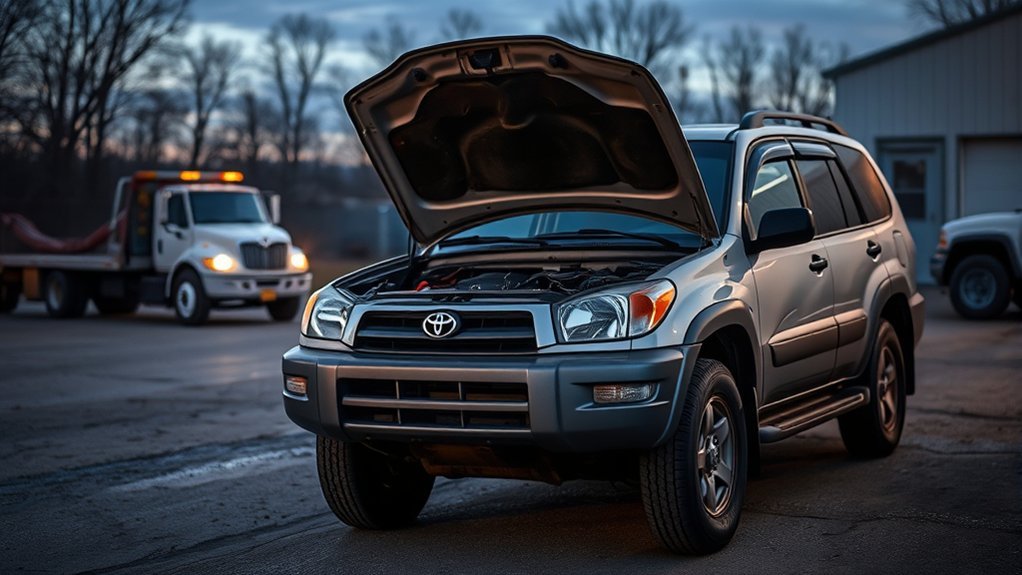
When you look at the history of the Toyota RAV4, it’s clear that some years stand out for all the wrong reasons. The 2001-2003 models struggled with severe transmission problems, from erratic gear changes to costly repairs. Moving forward, the 2006-2008 RAV4s invited frustration with reported issues of excessive oil consumption, primarily due to flawed piston rings, risking engine integrity. Fast forward to 2013, and you’ll find complaints about vibrations at low speeds, often leading to expensive torque converter replacements. The 2019 model, too, isn’t spared, suffering from significant transmission issues like hesitation and rough shifts, which left many owners dissatisfied. It’s these problematic years that have tarnished the RAV4’s reliability score, marking them among the worst Toyota RAV4 years. Understanding these pitfalls is crucial for making an informed choice if you’re considering this vehicle.
Common Issues Found in Early 2000s RAV4 Models
If you own or are considering an early 2000s RAV4, you should be aware of several common issues that could affect your driving experience. Transmission failures were rampant, with many drivers reporting slipping and harsh shifts, while Engine Control Module problems added to the frustration. Additionally, excessive oil consumption became a notable concern, leading to costly repairs that could overshadow the vehicle’s value.
Transmission Failures Commonplace
Despite Toyota’s reputation for reliability, early 2000s RAV4 models, particularly from 2001 to 2003, are plagued by significant transmission failures that can leave you frustrated and financially strained. Owners reported alarming transmission issues, especially in the 2002 model, which faced 555 complaints—no recalls in sight. The Engine Control Module (ECM) is often to blame, causing erratic gear changes and harsh shifting. Symptoms like slipping and jerking lead to severe transmission issues that can rack up expensive repairs, sometimes exceeding the vehicle’s value. Many owners find themselves burdened with the cost of entire transmission replacements, with little manufacturer support for ECM-related problems. It’s a troubling reality for RAV4 owners seeking reliable performance.
Engine Control Module Issues
Transmission failures in early 2000s RAV4 models often stem from underlying Engine Control Module (ECM) issues that plague these vehicles. From 2001 to 2003, drivers reported between 323 and 555 complaints to the NHTSA, highlighting the severity of these ECM issues. Symptoms like harsh shifting, slipping, and hesitation not only compromise your driving experience but can also lead to significant transmission damage. More alarmingly, a defective ECM can cause sudden stalling at highway speeds, presenting serious safety risks. With limited manufacturer support and no recalls for these defects, owners face considerable financial burdens, amplifying ongoing reliability concerns. Understanding these ECM issues is essential for any RAV4 owner looking to liberate themselves from costly repairs and safety hazards.
Excessive Oil Consumption Problems
While the Toyota RAV4 is often praised for its reliability, the 2006-2008 models, particularly those equipped with the 2.4L engine, reveal a troubling trend of excessive oil consumption that can’t be overlooked. Many owners report needing to add 1-4 quarts of oil every 600-3,000 miles due to a design flaw in the piston rings. This excessive oil consumption can lead to severe engine damage if not monitored closely. Toyota recognized the issue and offered repairs under extended warranty, yet many vehicles remain unresolved. For potential buyers, reviewing service records and previous repairs is essential. Regular maintenance checks are important to prevent catastrophic engine failure, ensuring you can liberate your driving experience from potential pitfalls.
Avoid These Transmission Problems in 2001-2003 RAV4s
If you’re considering a 2001-2003 Toyota RAV4, it’s vital to be aware of the significant transmission issues that plague these models. These years are notorious for high rates of transmission failure, often linked to defects in the engine control module (ECM). Owners frequently report erratic gear changes, harsh shifting, and unsettling lurching, all of which can lead to costly repairs. The electronically controlled transmission is particularly susceptible, resulting in slipping and jerking during operation.
With a staggering 323 to 555 NHTSA complaints tied to these model years, potential buyers should approach with caution. Many owners face substantial financial burdens due to the lack of manufacturer support for ECM-related problems. Before making a purchase, it’s important to thoroughly inspect the transmission to avoid inheriting these costly issues. Being informed empowers you to make a better decision regarding your next vehicle.
2006-2008 Toyota RAV4: Excessive Oil Consumption Issues

Among the most pressing concerns for owners of the 2006-2008 Toyota RAV4, particularly those with the 2.4-liter engine, is the troubling issue of excessive oil consumption. This problem stems from a design flaw in the piston rings, leading to significant engine damage if not addressed. You might find yourself adding 1 to 4 quarts of oil every 600 to 3,000 miles, a maddening reality.
Consider the implications:
- High Costs: Engine repairs outside warranty coverage can be financially burdensome.
- NHTSA Complaints: Many owners have reported issues, highlighting a widespread concern.
- Engine Failure Risk: Without regular monitoring, you risk catastrophic engine failure.
Toyota did acknowledge the issue, offering repairs under an extended warranty for some vehicles, but not all owners find relief. Stay vigilant to protect your investment and guarantee a smoother driving experience.
Electrical Problems and Fuel System Failures in 2013-2019 RAV4s
Electrical problems and fuel system failures plagued the 2013-2019 Toyota RAV4, impacting many owners’ driving experiences. Reports indicate that the 2013 model suffered from defective battery trays, which posed a risk for battery fires, alongside dashboard flickers that disrupted power delivery. In 2019 alone, consumers filed 798 complaints with the NHTSA, revealing significant concerns about fuel system performance and cooling components, leading to potential overheating. The RAV4’s electrical issues, particularly with the DCM unit, drained batteries unexpectedly, compromising reliability. Additionally, structural problems like water ingress into the cabin not only exacerbated electrical issues but also encouraged mold growth, further diminishing your driving pleasure. With these pervasive challenges, the 2013-2019 RAV4 models present a frustrating experience for those seeking reliability and peace of mind on the road.
Identifying a Good Used RAV4: Key Features to Check
When you’re in the market for a used Toyota RAV4, knowing what to check can make all the difference in finding a reliable vehicle. Start by evaluating the maintenance history; a well-kept model often indicates better reliability, especially those not from troublesome years like 2013 and 2019.
Evaluating maintenance history is crucial when searching for a reliable used Toyota RAV4, especially avoiding models from troublesome years.
Here are key features to inspect:
- Visual Inspection: Look for exterior wear, rust, or signs of previous accidents.
- Test Drive: Pay attention to transmission performance, particularly for harsh shifts in models from 2001-2003 and 2019.
- Infotainment System: Check for functionality, especially in 2013-2015 models, where issues like spontaneous reboots have been reported.
Being vigilant about these aspects helps you avoid potential cooling problems and excessive oil consumption in 2006-2008 RAV4s. A thorough approach guarantees you find a used RAV that aligns with your needs.
Conclusion: Making an Informed Decision on a Used RAV4

When considering a used RAV4, it’s essential to identify key problematic years and weigh their impact on reliability. You should also evaluate the maintenance history of any vehicle you’re eyeing, as this can reveal potential red flags. Finally, conducting thorough inspections can save you from unexpected issues down the road, ensuring you make a well-informed decision.
Key Problematic Years
While the Toyota RAV4 has a strong reputation for reliability, certain model years have garnered attention for their problematic features that could influence your purchasing decisions. Here are some key problematic years to take into account:
- 2019: Significant transmission problems, including hesitation and slippage, led to consumer dissatisfaction and multiple recalls.
- 2013: Reported torque converter issues, along with vibrations at low speeds and infotainment problems, have negatively impacted overall reliability.
- 2001-2005: This generation is notorious for severe transmission failures and engine control module faults, with high complaint rates but no official recalls.
Evaluate Maintenance History
To make an informed decision on a used Toyota RAV4, evaluating the vehicle’s maintenance history is essential. Focus on regular service intervals and any major repairs to gauge reliability, especially if the RAV4 falls within problematic years.
| Key Factors | What to Look For |
|---|---|
| Service Records | Consistent oil changes and timely repairs |
| Documented Repairs | Addressed recalls and common issues |
| Major Repairs | Transmission, oil consumption, steering defects |
A thorough maintenance record demonstrates prior owner diligence. Vehicles with detailed service histories are generally more reliable, reducing the chances of encountering severe issues down the line. By checking for service bulletins or warranty extensions, you’ll gain valuable insights into the vehicle’s upkeep.
Conduct Thorough Inspections
Conducting thorough inspections of a used Toyota RAV4 is critical, as it can uncover hidden maintenance issues that might not be immediately apparent. To guarantee you’re making a wise investment, focus on these key areas:
- Exterior and interior condition: Look for wear and tear that reflects the vehicle’s age and mileage.
- Test drive: Pay attention to performance, especially transmission behavior and any unusual noises.
- Service records: Check for previous repairs, particularly in models known for specific mechanical problems.
Frequently Asked Questions
What Years to Avoid of the Toyota RAV4?
You should avoid the 2001-2003 and 2006-2008 RAV4 models due to reliability issues, including transmission failures, engine problems, electrical malfunctions, and numerous customer complaints, which have led to significant safety recalls over the years.
What Is the Best Year of Toyota RAV4 to Buy?
If you’re aiming for the best year, the 2021 RAV4 shines with its stellar reliability ratings, excellent safety scores, fuel efficiency, low maintenance costs, and glowing customer reviews. It truly embodies the best features available.
What Is the Best Year to Buy a Used RAV4?
You should consider the 2016 RAV4 for its strong reliability ratings, excellent engine performance, fuel efficiency, advanced safety features, spacious interior, and low maintenance costs, making it a smart choice for your needs.
What Year Was the Best Toyota RAV4 Made?
The best year for a Toyota RAV4 is often considered 1996. With impressive fuel efficiency of 23-28 mpg, it boasts high reliability ratings, minimal design changes, and foundational safety features that set industry standards.
Conclusion
When searching for a used Toyota RAV4, it’s essential to navigate the landscape of potential pitfalls. Think of it like wandering through a dense forest—you need to spot the hidden dangers to find the path to a reliable ride. By being aware of the problematic years and common issues, you can make a more informed decision and steer clear of costly repairs. Trust your instincts, do your research, and you’ll drive away with a dependable vehicle that suits your needs.