Toyota Rav4: How Does The Toyota RAV4 Hybrid Engine Work
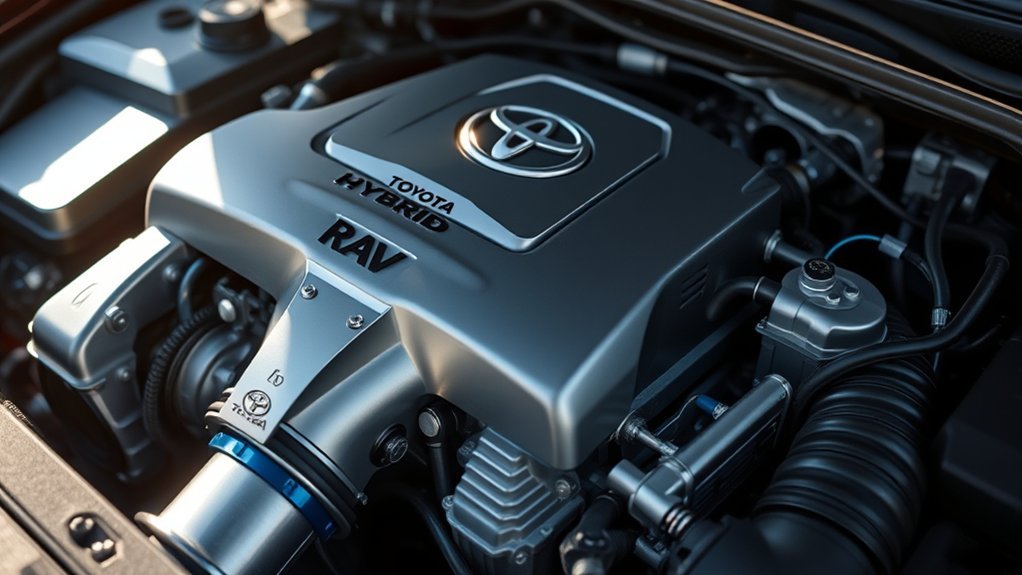
The Toyota RAV4 Hybrid engine operates with a hybrid powertrain that combines a 2.5-liter internal combustion engine and dual electric motors. This setup optimizes fuel efficiency and performance through smart power distribution management. The electric motors enhance propulsion at low speeds, while the gasoline engine kicks in at higher speeds. Additionally, regenerative braking recaptures energy during deceleration to recharge the battery, contributing to overall efficiency. There’s more to discover about its innovative systems and benefits.
What Is a Hybrid Engine and How Does It Work?
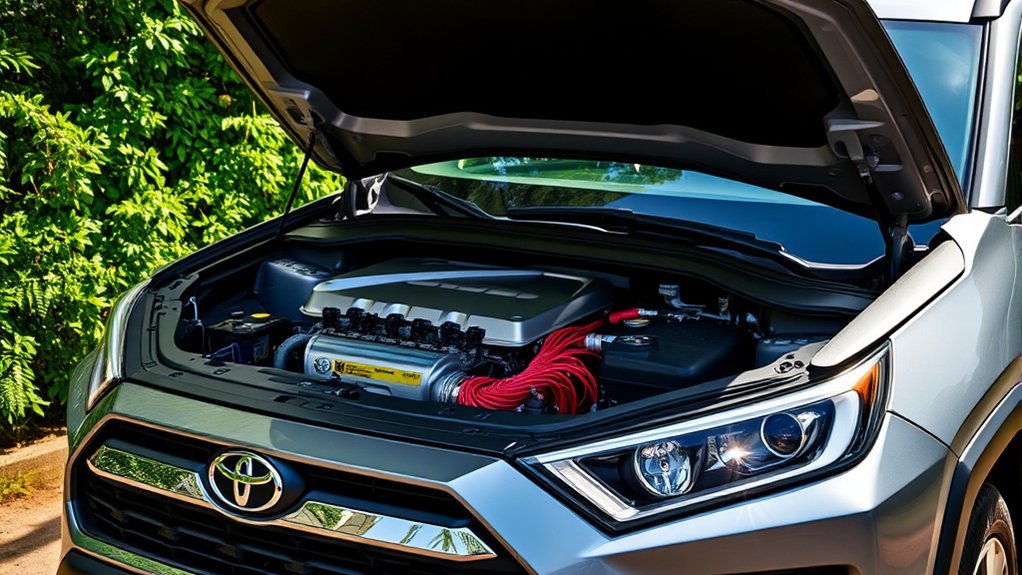
A hybrid engine seamlessly integrates a conventional internal combustion engine (ICE) with an electric motor, enabling both power sources to function independently or in tandem. In a hybrid system like the one in the Toyota RAV4, the electric motor excels at low speeds, while the gasoline engine engages during higher speeds or when additional power is needed. This dynamic interaction optimizes fuel efficiency, allowing you to enjoy longer drives with fewer stops for fuel.
The power control unit plays an essential role, managing the flow of energy between the ICE and electric motor, ensuring that both systems operate at peak efficiency. Regenerative braking captures energy during acceleration, recharging the battery and recycling kinetic energy that would typically dissipate as heat. Toyota’s Atkinson cycle engine design further enhances fuel efficiency by minimizing fuel consumption and heat production, setting you free from the constraints of traditional engines.
What Are the Key Components of the RAV4 Hybrid Powertrain?
The RAV4 Hybrid powertrain integrates a 2.5-liter four-cylinder gasoline engine with dual electric motors, creating a versatile propulsion system. You’ll find that the nickel-metal hydride battery and power control unit play essential roles in optimizing energy flow and efficiency. Understanding these components will reveal how they work together to enhance performance and reduce emissions.
Gasoline Engine Specifications
At the heart of the Toyota RAV4 Hybrid’s powertrain lies a robust 2.5-liter four-cylinder gasoline engine, engineered to work in harmony with two electric motors. This hybrid powertrain optimizes performance and efficiency, seamlessly integrating power through a continuously variable transmission (CVT). The power control unit plays a vital role, managing the energy flow between the gas engine, electric motors, and nickel-metal hydride battery. It guarantees that the system operates efficiently, adapting to various driving conditions. When needed, the gas engine shuts off to conserve fuel, allowing for electric-only operation, or it can combine power sources for enhanced performance. This balance between power and fuel economy sets the RAV4 Hybrid apart in the competitive SUV market.
Electric Motor Functionality
While maneuvering through the complexities of the Toyota RAV4 Hybrid powertrain, you’ll find that the electric motors play an essential role in enhancing both efficiency and performance. The RAV4 Hybrid utilizes two electric motors working in tandem with a 2.5-liter four-cylinder gasoline engine. These electric motors facilitate efficient propulsion and manage power flow, optimizing fuel economy. A power control unit seamlessly directs energy between the electric motors and gasoline engine, adapting to driving conditions for maximum efficiency. The continuously variable transmission (CVT) further enhances this integration, providing smooth acceleration without traditional gear shifts. With the ability to operate in electric-only, gas-only, or hybrid modes, the RAV4 Hybrid exemplifies advanced hybrid technology, greatly reducing emissions.
Battery and Power Control
Understanding the RAV4 Hybrid’s powertrain involves recognizing the key components that work together for peak performance. At its core, you’ll find a 2.5-liter four-cylinder gasoline engine paired with two electric motors, delivering a harmonious balance of power and efficiency. The system employs a nickel-metal hydride battery, designed for longevity and supported by an 8-year or 160,000 km warranty, guaranteeing reliable battery power. Central to this setup is the power control unit, which expertly manages the distribution of energy between the gasoline engine and electric motors, optimizing performance based on driving conditions. Additionally, the continuously variable transmission (CVT) guarantees smooth acceleration, while regenerative braking captures energy during deceleration, enhancing the overall efficiency of the hybrid system.
How Does the RAV4 Hybrid Manage Power Distribution?
How does the RAV4 Hybrid optimize its power distribution for maximum efficiency? The vehicle employs a sophisticated power control unit that manages the interplay between its 2.5-liter gasoline engine and two electric motors. This hybrid system can operate in electric-only, gas-only, or a combination mode, adapting seamlessly to driving conditions to enhance fuel savings. During deceleration, regenerative braking captures kinetic energy, converting it into electric energy to recharge the nickel-metal hydride battery, further optimizing energy management. The gasoline engine automatically shuts off while idling, conserving fuel and reducing emissions, and it quickly shifts to electric power when you accelerate. Continuous monitoring by the vehicle’s computer system guarantees power distribution is adjusted dynamically, maintaining an ideal balance between performance and efficiency. This intelligent design not only promotes a smoother driving experience but also aligns with your desire for liberation through more sustainable transportation.
How Electric Motors Enhance Fuel Efficiency in the RAV4 Hybrid
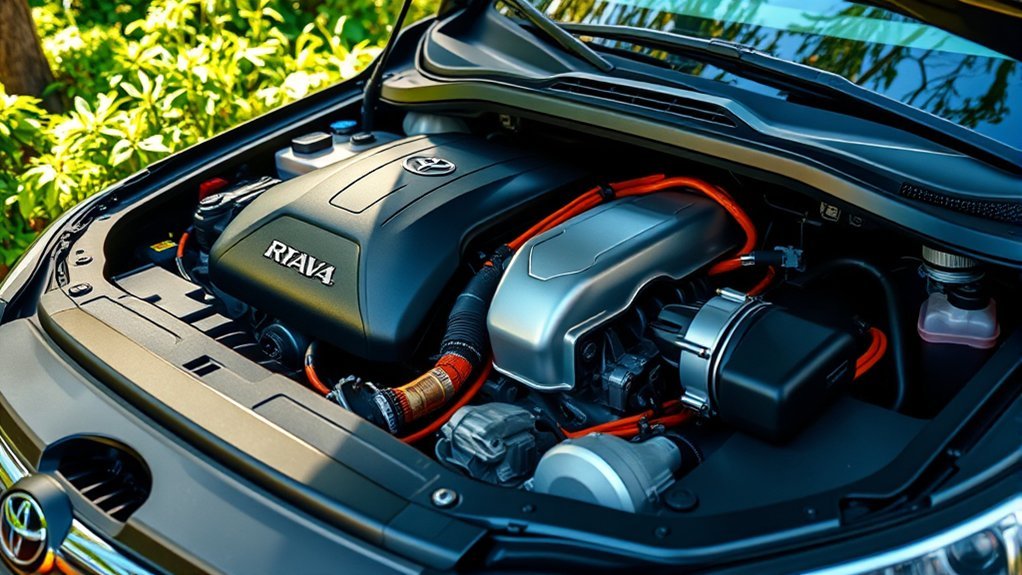
Electric motors play an essential role in enhancing fuel efficiency in the RAV4 Hybrid, providing instant torque that markedly improves acceleration and overall driving performance. These electric motors utilize electric power during low-speed operations, allowing the vehicle to operate without gasoline, which effectively reduces emissions, especially during start-up and reversing.
The RAV4 Hybrid’s powertrain incorporates regenerative braking, capturing energy during braking and converting it back into electric energy to recharge the battery. This process further optimizes fuel economy, ensuring that you get the most out of each drop of fuel.
The vehicle’s intelligent computer system manages the distribution of power between the electric motors and the gasoline engine, tailoring performance to driving conditions. This advanced integration enables the RAV4 Hybrid to achieve an impressive EPA-estimated fuel economy of 40 mpg combined, showcasing the efficiency and innovation that hybrid vehicles bring to modern driving.
Understanding Stop/Start Technology in the RAV4 Hybrid
In the RAV4 Hybrid, stop/start technology optimizes fuel efficiency by shutting off the gasoline engine when you come to a stop. When you accelerate, the electric motor engages first, delivering immediate torque while conserving fuel. Additionally, regenerative braking recovers energy during deceleration, enhancing the hybrid system’s overall performance.
Engine Shutdown at Stops
When you come to a complete stop in the Toyota RAV4 Hybrid, the vehicle’s advanced stop/start technology automatically shuts off the gasoline engine to conserve fuel and reduce emissions. This engine shutdown at stops is seamless, allowing the hybrid system to engage the electric motor first when you accelerate again, providing instant torque for smooth acceleration. The gas engine typically restarts when you exceed approximately 20 mph, ensuring efficient operation under various driving conditions. Additionally, regenerative braking recharges the hybrid battery during deceleration, further enhancing fuel efficiency while the gasoline engine is off. By anticipating stops and effectively utilizing this feature, you can experience markedly higher MPG, especially in urban driving scenarios, liberating you from frequent fuel stops.
Electric Motor Engagement First
Understanding how the Toyota RAV4 Hybrid engages its electric motor first during acceleration is essential for maximizing fuel efficiency and enhancing driving performance. When you come to a stop, the innovative stop/start technology automatically turns off the gasoline engine, conserving fuel and reducing emissions. Upon re-acceleration, the electric motor engagement kicks in, delivering instant torque that enables a smooth and powerful start. This hybrid system allows the vehicle to operate solely on electric power at low speeds, optimizing efficiency. The intelligent power management system continuously monitors driving conditions, ensuring seamless shifts between electric and gasoline power. This integration not only enhances performance but also promotes a more eco-friendly driving experience, liberating you from excessive fuel consumption.
Regenerative Braking Benefits
By harnessing the power of regenerative braking, the Toyota RAV4 Hybrid significantly enhances its fuel efficiency and overall performance. This innovative system converts the kinetic energy generated during braking into electrical energy, which recharges the hybrid batteries for future use. When you come to a stop, the gas engine shuts off, conserving fuel and reducing emissions. Upon acceleration, the electric motor engages first, delivering instant torque and improving responsiveness. Effectively anticipating stops allows you to maximize this regenerative braking, leading to real-world fuel economy that can exceed the EPA-estimated 40 mpg combined. Many drivers report achieving 42 to 47 mpg under ideal conditions, liberating you from frequent fuel stops and enhancing your driving experience.
Debunking Common Myths About RAV4 Hybrid Maintenance
Although many myths surround the maintenance of the Toyota RAV4 Hybrid, the reality is that its upkeep is often simpler and more cost-effective than that of traditional gas vehicles. The hybrid’s engine design, which features automatic shut-off during operation, greatly reduces wear and tear, translating to lower maintenance costs. You’ll also benefit from the regenerative braking system that captures braking energy, extending the life of brake pads and rotors, leading to less frequent replacements. Unlike conventional cars, the RAV4 Hybrid lacks components like starters and alternators that typically demand maintenance, further simplifying your upkeep. Additionally, you’ll only need to change the transmission fluid every 30,000 miles, minimizing routine service requirements. Overall, the RAV4 Hybrid’s engineering promotes a reliable ownership experience, letting you enjoy the benefits of hybrid technology without the burden of excessive maintenance.
What Are the Environmental Benefits of the RAV4 Hybrid?

How does the Toyota RAV4 Hybrid contribute to a cleaner environment? By utilizing an advanced management system, this hybrid vehicle greatly reduces smog-forming emissions compared to conventional gasoline cars, enhancing air quality. With an impressive EPA-estimated fuel economy of 40 mpg combined, the RAV4 Hybrid minimizes carbon dioxide emissions over its lifetime, promoting a healthier planet.
Additionally, the regenerative braking system captures energy during braking, further optimizing efficiency and reducing energy waste. This efficient fuel consumption means you rely less on fossil fuels, aligning your driving choices with sustainable practices.
Toyota’s dedication to eco-friendly technology is evident, with over 10 million hybrid models sold globally since 1997. By choosing the RAV4 Hybrid, you not only enjoy a versatile vehicle but also contribute to environmental sustainability efforts, playing a part in the shift toward a cleaner future.
Frequently Asked Questions
How Does the RAV4 Hybrid Engine Work?
The RAV4 Hybrid engine uses hybrid technology for peak engine efficiency. It balances power between the gasoline engine and electric motors, while advanced battery management systems enhance performance and energy recovery through regenerative braking.
Can You Still Drive a Hybrid Car if the Battery Dies?
Sure, you can drive a hybrid car if the battery dies—just not very well. You’ll rely solely on the gasoline engine, and battery replacement options can restore hybrid vehicle performance and driving modes explained.
At What Speed Does a Toyota Hybrid Switch to Gas?
Your Toyota hybrid typically switches to gas power above 20 mph, driven by hybrid acceleration patterns. Fuel efficiency factors and electric motor engagement dictate this changeover, ensuring ideal performance as driving conditions evolve.
What Is a Common Problem in a RAV4 Hybrid?
A common problem in your RAV4 Hybrid is battery degradation. Ironically, despite hybrid technology advancements, neglecting battery maintenance tips can decrease fuel efficiency, leaving you seeking solutions rather than enjoying the benefits of your vehicle.
Conclusion
To sum up, the Toyota RAV4 Hybrid combines advanced engineering with environmental consciousness, delivering an impressive 40 miles per gallon in the city. This means you could drive from Los Angeles to San Francisco on just a single tank of gas, showcasing its efficiency. With a seamless power distribution system and innovative stop/start technology, you’re not just enjoying a reliable vehicle; you’re also contributing to reduced emissions and a greener planet. The RAV4 Hybrid truly redefines modern driving.