
How To Turn On Parking Assist On Toyota RAV4

To activate the Parking Assist feature on your Toyota RAV4, press the button located near the steering column until the indicator light turns on. The system kicks in automatically when you slow down to below 6 mph. Remember, it engages front sensors in Drive and both front and rear sensors in Reverse. For more detailed insights on using Parking Assist effectively and understanding its limitations, keep going—you’ll find valuable information ahead.
How to Activate the Parking Assist Feature on Your Toyota RAV4
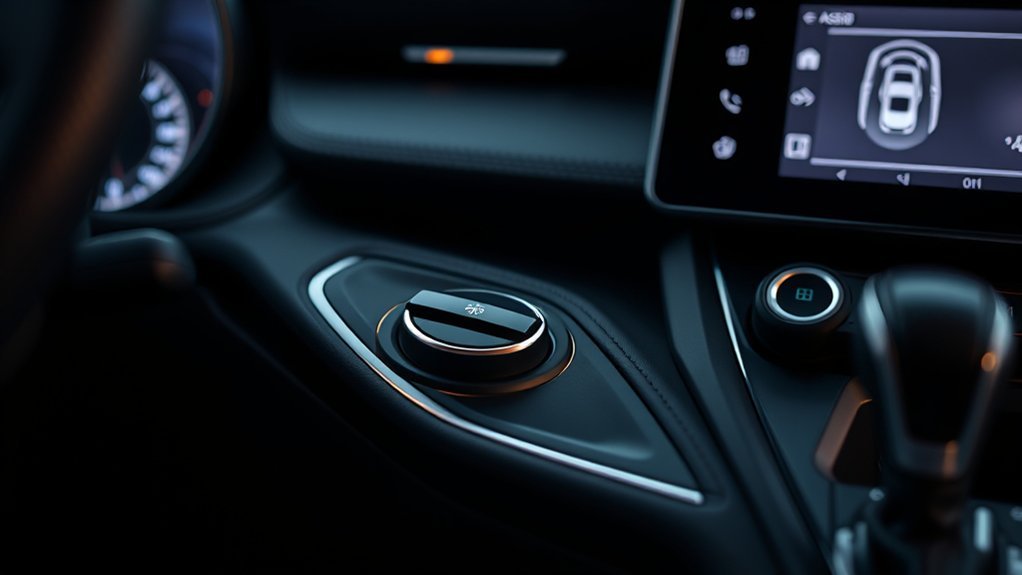
To activate the Parking Assist feature on your Toyota RAV4, simply press the button located to the right of the steering column until the indicator light illuminates. Once activated, the Parking Assist system engages automatically when your vehicle speed drops below 6 miles per hour. In Drive, the front sensors will activate, while shifting into Reverse enables both front and rear sensors. This dual functionality enhances your awareness while parking.
As you approach nearby vehicles or obstacles, the system provides audio alerts, with beeping tones that increase in frequency, helping you navigate tight spots with confidence. For detailed information and safety information regarding the Parking Assist system, always refer to your Owners Manual. This guarantees you understand not only how to use the feature but also its full capabilities, allowing you to embrace the freedom that smart technology brings to your driving experience.
What You Should Know About Parking Assist Limitations
While the Parking Assist feature enhances your parking experience, it’s important to understand its limitations. The Parking Assist Sonar system may struggle under low visibility or heavy rain, affecting its performance. Additionally, the system’s sensor detection capabilities are limited; it might miss obstacles that are too small or too close. Relying too heavily on Parking Assist can lead to accidents, as it’s designed to assist, not replace your vigilance. Regular maintenance is vital—dirt, ice, or snow can obstruct sensors, rendering the system ineffective. Furthermore, even when a collision is imminent, the system may not activate, highlighting that you’re ultimately responsible for safe driving practices. Before using Parking Assist, verify your vehicle is inspected and that sensors are clean. Understanding these limitations will empower you to make safer driving choices.
Key Parking Assist Modes Explained
Understanding the various modes of the Parking Assist feature can greatly enhance your parking experience in the Toyota RAV4. Here’s a breakdown of the key modes:
| Mode | Description | Use Case |
|---|---|---|
| Rear View | Activates when in “R” to provide a standard view. | Basic reversing maneuvers. |
| Wide Rear View | Offers a broader view to spot obstacles. | Tight spaces, wider visibility. |
| Estimated Course Line | Displays projected paths based on steering input. | Precision in backing up. |
| Parking Assist Guide Line | Visual aids for parking without course lines. | Simplified parking guidance. |
| Distance Guide Lines | Color-coded points indicating space behind the vehicle. | Obstacle avoidance. |
These parking assist modes work together to help you navigate safely and efficiently while reversing, ensuring a seamless parking experience.
Troubleshooting Common Parking Assist Issues
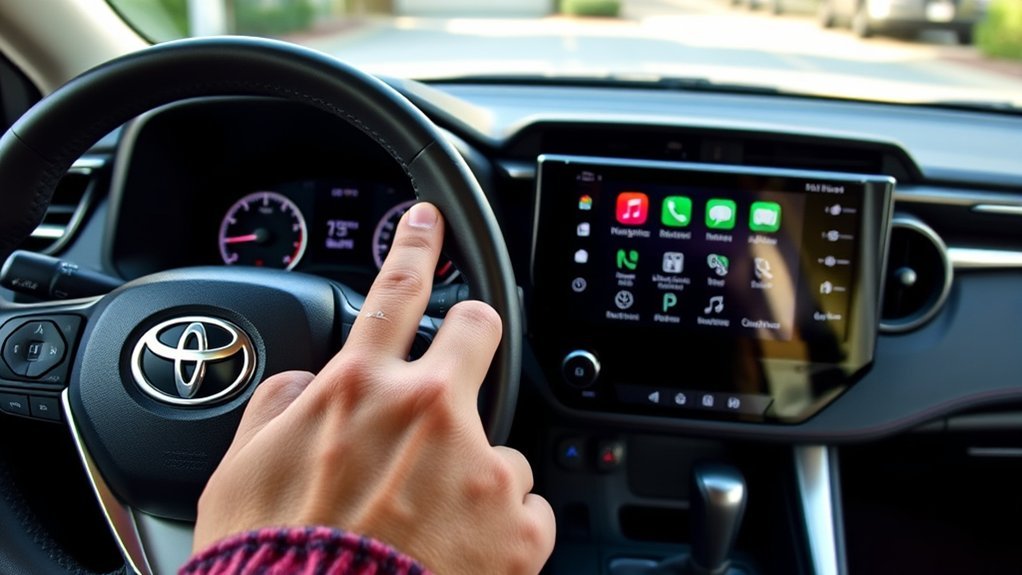
When you encounter issues with the Parking Assist system in your Toyota RAV4, it’s essential to diagnose the problem efficiently to guarantee safe operation. If you see a “Parking Support Brake Unavailable” message, check the sensors on your bumpers—they may be dirty or obstructed. Cleaning them can restore functionality. Also, be aware that continuous water flow over the sensors can disrupt performance; verify no environmental factors are affecting them. If snow or ice is obstructing the sensors, clear those away for accurate detection. After disconnecting the battery, remember that the PKSB system might require initialization; refer to your owner’s manual for reactivation steps. For persistent issues like incorrect readings or misaligned guide lines, visiting a Toyota dealer may be necessary to diagnose and resolve deeper problems. Prioritize these troubleshooting steps to maintain the effectiveness of your Parking Assist system.
Importance of Visual Checks While Using Parking Assist
While Parking Assist can simplify parking, it has limitations that you need to be aware of. Always maintain situational awareness by checking your mirrors and looking over your shoulder to guarantee a clear path. Relying solely on the system can lead to accidents, so stay vigilant during parking maneuvers.
System Limitations Acknowledge
Although the Parking Assist Sonar system offers valuable assistance, it’s essential to recognize its limitations and not rely on it exclusively. This system is a supplemental aid, designed to support your driving, but it won’t detect all obstacles, particularly low or small objects. Environmental factors can affect its effectiveness, making personal observation vital. Always visually check your surroundings and use your mirrors when parking or reversing. Over-reliance on the Parking Assist system can lead to accidents, highlighting the importance of combining its use with vigilant monitoring. By maintaining awareness and integrating manual checks into your parking routine, you empower yourself to navigate safely and confidently, ensuring a more liberated driving experience.
Situational Awareness Essential
To guarantee safe parking and maneuvering, maintaining situational awareness is essential, even with the aid of the Parking Assist Sonar system. This system is a helpful tool, but it shouldn’t replace your visual checks. Always check your surroundings by looking over your shoulders and using mirrors to confirm clearance before acting on the system’s alerts. Remember, environmental factors can hinder the system’s effectiveness, such as dirt on sensors or poor weather.
| Visual Check Importance | Description |
|---|---|
| Enhanced Safety | Reduces risk of accidents |
| Better Awareness | Helps identify unseen obstacles |
| Confidence Boost | Encourages mindful driving |
Over-reliance on technology can lead to misjudgment, so stay vigilant!
How Parking Assist Sensors Work Together for Safe Parking
Parking Assist sensors work together seamlessly to enhance your safety during parking maneuvers. Utilizing both front and rear sensors, the system activates in Drive and Reverse, ensuring full coverage of your surrounding area. As you approach obstacles, the sensors alert you with increasing tones, guiding you through tight spots.
Here’s how they contribute to safer parking:
- Proximity Alerts: Tonal warnings escalate as you near objects.
- Visual Indicators: Red lights signal very close proximity.
- Full Coverage: Engages both front and rear sensors for total awareness.
- Collision Severity Reduction: Aims to minimize impact, not replace vigilance.
- Environmental Sensitivity: Remains effective unless obstructed by dirt or debris.
How to Clean and Maintain Parking Sensors and Camera
To keep your parking sensors and camera functioning properly, regular maintenance is essential. Clean the sensors and camera lens with a soft cloth and mild soap or water to prevent obstructions. If you encounter issues like the “Parking Support Brake Unavailable” message, check for dirt or misalignments and address them promptly.
Regular Sensor Cleaning Tips
Maintaining the functionality of your parking sensors and camera is essential for safe driving. Regular sensor cleaning helps eliminate obstructions that can impair performance. Here are some tips to keep them in top shape:
- Clean sensors and camera lens with water and a soft cloth to remove dirt, snow, or ice.
- Avoid solvents or harsh cleaners to protect the lens’ coating.
- Inspect sensors for obstructions like debris or accumulated dirt.
- Confirm sensors aren’t exposed to continuous water flow, which can affect detection.
- If you see messages like “Parking Support Brake Unavailable,” clean the sensors and check for physical obstructions.
Camera Lens Maintenance
Keeping your camera lens and parking sensors clean is just as important as regular sensor maintenance. To guarantee peak performance, regularly clean the camera lens and sensors with water and a soft cloth. This helps remove dirt and foreign matter that can obstruct functionality. Avoid using solvents or harsh cleaners, as they can damage the protective coating on the camera lens, affecting image clarity. If you notice blurry images or misalignment in the guidelines, check for obstructions and clean as needed. Additionally, make sure the camera and sensors are free from ice, snow, or debris, especially in adverse weather. If issues persist, consult a dealer for a thorough inspection of your camera and sensor systems.
Troubleshooting Common Issues
While parking sensors and cameras enhance your driving experience, they require regular upkeep to function efficiently. To guarantee peak performance, remember to clean the sensors and camera lens regularly. Here are some tips to keep in mind:
- Remove dirt, ice, or snow from parking sensors on the bumpers.
- If you see a “Parking Support Brake Unavailable” message, check the sensors for blockages.
- Use water and a soft cloth to clean the camera lens—avoid harsh solvents.
- For image clarity, verify the camera lens is free of dirt and properly aligned.
- If issues persist, consult a dealer for potential sensor or camera malfunctions.
Taking these steps will help maintain your parking assist system and enhance your driving freedom!
Tips for Using Parking Assist in Various Driving Conditions

When using the Parking Assist feature on your Toyota RAV4, it’s essential to adapt your approach based on driving conditions. Always activate the system by pressing the button next to the steering column; verify the indicator lights up. Remember, it only works when your vehicle is moving under 6 miles per hour, so take your time during slow maneuvers.
In Drive, utilize the front sensors, and switch to Reverse to engage both front and rear sensors for peak obstacle detection. Pay close attention to the warning tones; a constant tone with a red indicator means you’re dangerously close to an object, and you should act quickly.
Regularly check the sensors for dirt, especially in adverse weather like rain or snow, to maintain performance. When you’re ready to park, gently press the brake pedal to guarantee a smooth and safe stop, allowing the Parking Assist to do its job effectively.
When to Consult the Owner’s Manual for Parking Assist Guidance?
After familiarizing yourself with the Parking Assist feature in various driving conditions, you might find yourself needing more specific information. The Owner’s Manual is your go-to resource for detailed guidance about the Parking Assist system. Consult it in the following scenarios:
- When you need to activate or deactivate Parking Assist specific to your RAV4 model.
- To understand the limitations and proper use of the Parking Assist Sonar system.
- If you encounter sensor malfunctions or error messages.
- For cleaning and maintenance guidance on the sensors.
- To review safety disclaimers about not solely relying on Parking Assist and the importance of checking your surroundings.
Having the Owner’s Manual handy guarantees you’re using the Parking Assist system effectively and safely. Don’t hesitate to explore it when in doubt—your driving experience can be greatly enhanced!
Frequently Asked Questions
How Do I Turn My Park Assist Back On?
To turn your park assist back on, press the button near the steering column until the light illuminates. If troubleshooting parking issues persists, check for obstructions on the sensors or refer to your Owner’s Manual.
Why Is Parking Assist Not Available on My rav4?
Your parking assist features might feel like they’ve vanished into thin air! Check for dirt or ice on sensors, and follow troubleshooting tips to restore functionality. If that fails, a dealer inspection could be necessary.
How to Activate Parking Assist?
To activate parking assist, press the button near your steering column. The parking sensors will engage, and assist technology will activate, providing visual and audible alerts for nearby obstacles as your vehicle slows below 6 mph.
How to Activate Active Parking Assist?
Imagine your car’s a skilled dancer maneuvering a crowded floor. To activate active parking assist, engage the system through your vehicle’s settings; it’ll utilize advanced parking technology, making your driving experience smoother and more liberating.
Conclusion
To sum up, activating the parking assist on your Toyota RAV4 transforms your driving experience into a seamless dance of precision. As you glide into tight spaces, let the sensors guide you like a trusted co-pilot, while you keep your eyes on the surroundings. Remember, even with advanced technology, your vigilance is key. Embrace this modern tool, but always be ready to take control when needed, ensuring every parking maneuver is both safe and smooth.