How Often Should You Change Toyota RAV4 Transfer Case Fluid?
Last updated: May 30, 2026
What’s in This Article
Your Toyota RAV4 transfer case works hard when the drivetrain sends power to more than one axle. Old fluid can lose protection, create extra heat, and raise the risk of wear. This guide explains when to change the fluid, what warning signs to check, and how to handle the service safely.
Quick Answer
For many Toyota RAV4 AWD or 4WD models with a transfer case, a 30,000-mile change interval is a smart choice if you tow, carry heavy loads, use a roof carrier, or drive on dirt or dusty roads. For normal road use, inspect the fluid at regular service visits and follow your exact owner’s manual. If the oil looks dark, smells burnt, feels gritty, or leaks, service it sooner.
Key Takeaways
- Check your model-specific manual before you choose the fluid type or service interval.
- Use a 30,000-mile interval if you tow, carry heavy loads, use a roof carrier, or drive off pavement.
- Inspect transfer case fluid sooner if you notice leaks, noise, vibration, or burnt-smelling oil.
- Use Toyota-specified GL-5 75W-85 gear oil or the exact equivalent listed for your model.
- Loosen the fill plug before you drain the case so you know you can refill it.
Why Regular Transfer Case Fluid Changes Matter for Your Toyota RAV4
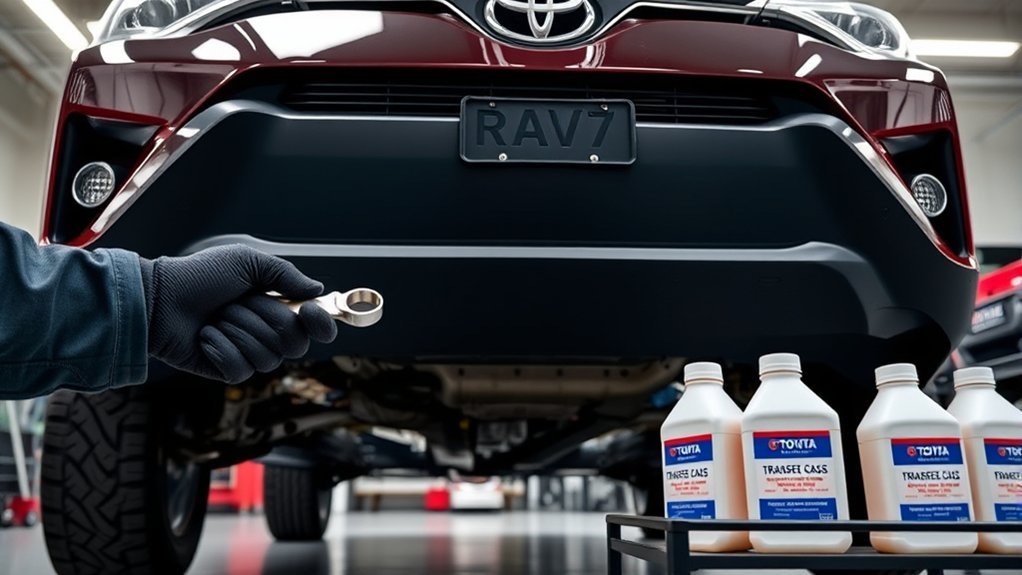
Transfer case fluid lubricates gears and bearings inside the transfer case. It also helps control heat as power moves through the drivetrain.
Old fluid can darken, smell burnt, and lose its smooth feel. That can lead to more friction, more heat, and faster wear inside the case.
According to Toyota owner information for a 2020 RAV4, the transfer case oil capacity is 0.48 qt. (0.45 L), and the listed oil type is Toyota Genuine Differential gear oil LX 75W-85 GL-5 or equivalent. Always use your own model year’s manual as the final guide because Toyota may list different specs for different years or drivetrain layouts.
A regular inspection helps you catch leaks, low fluid, and early wear before they become costly repairs. It also helps you decide whether your RAV4 needs a simple inspection or a full drain and refill.
Which RAV4 Models Need Transfer Case Fluid Service?
This guide applies mainly to RAV4 models that have a serviceable transfer case, usually gas AWD or older 4WD models. Front-wheel-drive RAV4 models do not use a transfer case in the same way.
RAV4 Hybrid and RAV4 Prime models can use a different AWD layout than gas AWD models. Some hybrid systems use an electric rear drive unit instead of a traditional mechanical rear driveshaft setup.
Note: Before you buy fluid or remove a plug, confirm your drivetrain and fluid spec in your exact owner’s manual.
If your RAV4 has a transfer case, your maintenance guide may call for inspection at service intervals and replacement under severe driving conditions. Severe use often includes towing, roof carrier use, heavy loading, dirt roads, dusty roads, or long low-speed driving.
Signs Your RAV4 Transfer Case Fluid Needs an Early Change
Mileage gives you a useful schedule, but condition matters too. Check the fluid sooner if your RAV4 works hard or shows any warning sign.
Early service can help protect the transfer case before small wear turns into noise, leaks, or driveline damage. Watch for these signs during routine inspections.
Dark Oil Appearance
Fresh gear oil should look clean and feel smooth. If the transfer case oil looks very dark, smells burnt, or feels gritty, change it sooner than your normal interval.
Do not judge fluid only by color, because gear oil can darken with normal use. Combine the visual check with smell, texture, mileage, and your driving conditions.
If you tow, carry heavy loads, or drive on dusty roads, inspect the fluid more often. Those conditions can heat and contaminate the oil faster than normal city or highway driving.
Unusual Noises During Operation
Grinding, clunking, whining, or a new hum from the drivetrain needs prompt attention. These sounds can point to low fluid, dirty fluid, worn parts, or another drivetrain issue.
Pay close attention when you turn, accelerate, or change drive modes. A sudden noise change may mean you should stop driving and inspect the vehicle before the damage grows.
Vibration or harsh shifting can also point to drivetrain stress. Check the transfer case fluid level and condition, but also inspect related parts such as mounts, axles, and the rear differential.
Fluid Leaks Noticed
Fluid under your RAV4 should never be ignored. A transfer case leak may come from a drain plug, fill plug, seal, gasket, or case joint.
Clean the area first, then watch where the fluid returns. That helps you find the real leak source instead of guessing.
If the fluid level drops too low, the gears may not get enough lubrication. Check leaks right away, especially if you also notice noise, vibration, or a burnt smell.
How Often Should You Change Toyota RAV4 Transfer Case Fluid?
A practical rule is to change the transfer case fluid about every 30,000 miles when your RAV4 sees severe use. This includes towing, heavy vehicle loading, roof carrier use, dirt roads, dusty roads, or frequent low-speed driving.
For normal driving, inspect the transfer case fluid at regular service visits and follow the maintenance guide for your exact model year. Some schedules focus on inspection under normal use and replacement under special operating conditions.
If you want a conservative maintenance plan, a 30,000-mile drain and refill can make sense for AWD or 4WD owners who keep vehicles long term. If you drive lightly, ask your Toyota service department to inspect the fluid and confirm whether it needs replacement.
Do not wait for a dashboard warning before you check the fluid. Transfer case wear can start before you see a light or feel a major symptom.
Pro tip: Keep a simple maintenance note with mileage, fluid type, and service date so you never guess later.
Step-by-Step Guide to Changing Transfer Case Fluid

You can change the transfer case fluid at home if you have safe lifting gear, the right tools, and enough space. If you feel unsure, hire a qualified technician.
Warning: Never work under a vehicle supported only by a jack, because the vehicle can fall and cause serious injury.
Required Tools And Materials
Gather your tools before you start. You need safe ramps or jack stands, a drain pan, a hex bit socket, a wrench, a torque wrench, and a hand pump or fluid syringe.
You also need the correct transfer case fluid for your exact RAV4. Many late-model gas AWD RAV4 manuals list Toyota Genuine Differential gear oil LX 75W-85 GL-5 or equivalent, but your model’s manual controls the final choice.
Buy new gaskets or aluminum crush washers for the drain and fill plugs if your service procedure calls for them. Reusing worn washers can lead to slow leaks after the refill.
Step-By-Step Process
- Park safely. Place your RAV4 on a level surface, set the parking brake, and let hot parts cool.
- Lift the vehicle safely. Use ramps or jack stands rated for the vehicle, and keep the RAV4 level.
- Remove any covers. Take off underbody panels only if they block access to the transfer case plugs.
- Loosen the fill plug first. Confirm you can refill the case before you drain the old oil.
- Place the drain pan. Set the pan under the drain plug so old fluid does not spill.
- Drain the old fluid. Remove the drain plug and let the oil flow until it slows to a drip.
- Reinstall the drain plug. Use a new washer if required, then tighten the plug to the correct torque from your manual.
- Refill with the correct oil. Pump in the specified fluid until it reaches the proper fill level for your model.
- Reinstall the fill plug. Use the correct washer and torque, then wipe the case clean.
- Check for leaks. Drive a short distance, park on a level surface, and inspect both plugs again.
Maintenance Tips And Recommendations
Use the table below as a simple guide, but treat your owner’s manual as the final source. Your exact interval can change by model year and driving conditions.
| Task | Recommendation | Tools Needed |
|---|---|---|
| Inspect oil condition | Check at service visits or sooner under severe use | Visual inspection, clean rag, proper lighting |
| Change fluid | Use a 30,000-mile interval for severe use or follow your manual | Hex bit socket, drain pan, pump with hose |
| Reinstall plugs | Use new gaskets or crush washers when required | Wrench, torque wrench |
Dispose of old gear oil through a local recycling center or auto parts store that accepts used oil. Do not pour it on the ground, into a drain, or into household trash.
Essential Tools for Changing Transfer Case Fluid
The right tools make this job cleaner and safer. A hex bit socket helps you remove the drain and fill plugs without rounding them.
A hand pump with a hose makes the refill much easier because the fill hole often sits in a tight space. A large fluid syringe can also work if you have enough room.
A torque wrench helps you tighten the plugs correctly. Too loose can leak, while too tight can damage threads or crush the washer too far.
Use the exact fluid listed for your model year. Do not choose 75W-90 or another viscosity unless your owner’s manual or a qualified Toyota technician confirms it fits your RAV4.
Should You DIY or Hire a Pro for Your Transfer Case Fluid Change?
You can handle this job yourself if you have basic mechanical skills, safe lifting equipment, and the correct fluid. The job usually involves simple drain and refill work, but tight access can make it messy.
Published service estimates vary by location, model year, and shop type. YourMechanic lists an average Toyota RAV4 transfer case fluid replacement estimate of $111, with shop and dealer examples that vary by year.
Dealer pricing may cost more, especially if the shop services the transfer case and rear differential together. Ask for a written quote that lists the fluid type, labor, and any washers or gaskets.
Choose a professional if you see leaks, hear noise, lack safe lifting gear, or do not know which plug is the fill plug. A technician can also inspect the rear differential, seals, and driveline at the same visit.
How Driving Conditions Affect Transfer Case Fluid
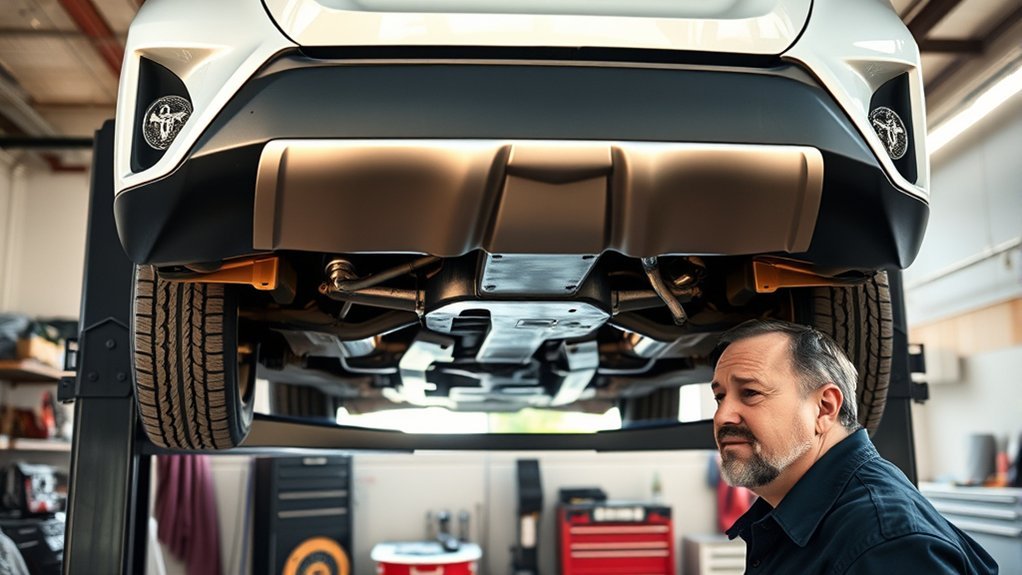
Driving conditions can shorten transfer case fluid life. Heat, load, dust, and long low-speed use make the fluid work harder.
Towing and heavy cargo add stress to the drivetrain. A roof carrier can also count as severe use because it adds load and wind resistance.
Dirt and dusty roads raise the need for closer inspections. Toyota maintenance guidance often lists dirt roads, dusty roads, towing, car-top carrier use, and heavy loading as conditions that need extra attention.
If your RAV4 sees these conditions often, use a shorter schedule. A 30,000-mile change interval gives you a safer buffer than waiting until the oil smells burnt or leaks appear.
Frequently Asked Questions
How Often Should I Change the Transfer Case Fluid on My Toyota RAV4?
For severe use, change the transfer case fluid about every 30,000 miles. For normal use, inspect it at regular service visits and follow your exact Toyota maintenance guide.
Does Every Toyota RAV4 Have Transfer Case Fluid?
No. Front-wheel-drive models do not use a transfer case like AWD or 4WD models. Hybrid and Prime models can also use different AWD hardware, so check your exact manual before service.
What Fluid Does a Toyota RAV4 Transfer Case Use?
Many late-model gas AWD RAV4 manuals list Toyota Genuine Differential gear oil LX 75W-85 GL-5 or equivalent. Do not guess, because older or different models may list a different oil spec.
How Much Transfer Case Fluid Does a Toyota RAV4 Need?
Toyota lists the 2020 RAV4 transfer case oil capacity at 0.48 qt. (0.45 L). Your model year can differ, so confirm the capacity before you refill.
What Happens if I Don’t Change Transfer Case Fluid?
Old or low fluid can raise friction, heat, and wear inside the transfer case. If the fluid gets too low or too dirty, you may hear noise, feel vibration, or face expensive drivetrain repairs.
Should I Change the Rear Differential Fluid at the Same Time?
Many AWD owners service the transfer case and rear differential during the same visit. This can save labor time and keeps both driveline fluids on a similar maintenance schedule.
Vehicle Safety Disclaimer: This article is for informational purposes only and does not replace your Toyota owner’s manual or advice from a qualified technician. Always use safe lifting equipment, follow the correct torque specs, and get professional help if you notice leaks, noise, vibration, or drivetrain warning lights.
Conclusion
Your Toyota RAV4 transfer case fluid protects a small but important part of the drivetrain. If you tow, carry heavy loads, use a roof carrier, or drive on dirt or dusty roads, a 30,000-mile change interval is a smart plan.
Check your exact manual before you choose the fluid, capacity, or torque specs. If you find dark fluid, a burnt smell, leaks, or new drivetrain noise, inspect the transfer case sooner.
Stay ahead of this simple service, and your RAV4 has a better chance of running smoothly for many more miles.
References
- 2020 Toyota RAV4 Owner’s Manual: Maintenance Data — Toyota Motor Sales, U.S.A., 2020
- 2025 Toyota RAV4 Warranty & Maintenance Guide — Toyota Motor Sales, U.S.A., 2025
- Toyota RAV4 Maintenance Schedule — South Dade Toyota
- Toyota RAV4 Transfer Case Fluid Replacement Costs — YourMechanic