ULTRAVERSE Fat Tires Review: 20×3.0 to 26×4.0
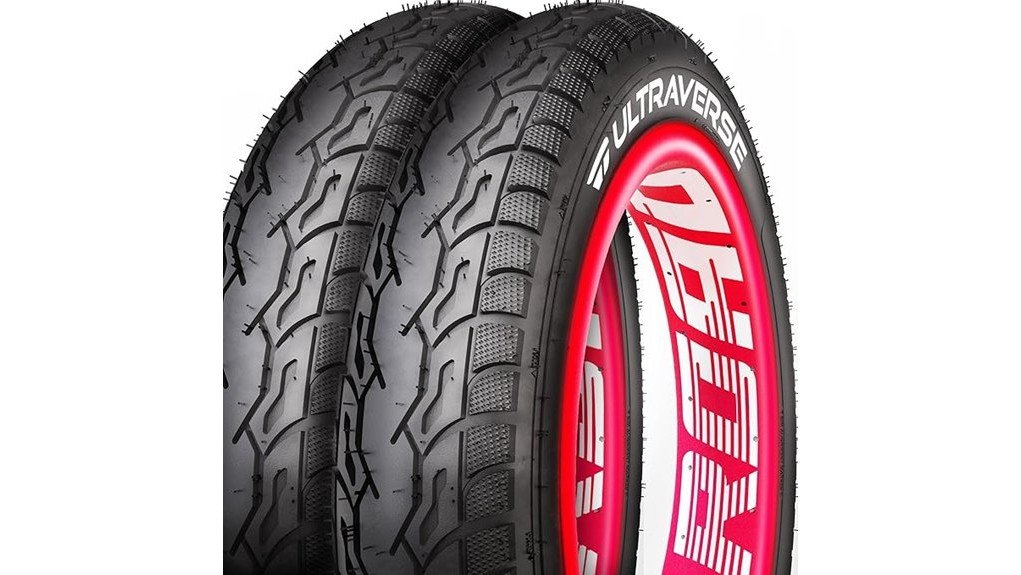
ULTRAVERSE Fat Tires Review
ULTRAVERSE fat tires are made for riders who want wider tire grip on gravel, packed dirt, rough asphalt, and mixed trail routes. The lineup in this article covers 20×3.0, 20×4.0, and 26×4.0 sizes. Each size changes the way your bike feels, so fit and clearance matter before you buy.
The 20×3.0 size feels quicker and more agile. The 20×4.0 size adds more cushion and flotation. The 26×4.0 size gives steadier tracking on larger frames. Anti-puncture technology can help reduce flats, but it does not make the tire fully puncture-proof.
Quick Verdict
ULTRAVERSE fat tires are a practical choice for riders who need more grip, comfort, and control across gravel, asphalt, and light trail use. Choose 20×3.0 for quicker steering, 20×4.0 for more cushion, or 26×4.0 for steadier tracking on larger bikes.
Key Takeaways
- ULTRAVERSE fat tires are designed for steady comfort on gravel, packed dirt, rough asphalt, and mixed terrain.
- The 20×3.0 size gives a sharper, more agile ride feel on tighter bike frames.
- The 20×4.0 size adds more cushion and flotation, but steering can feel slower.
- The 26×4.0 size tracks steadier and suits larger frames where clearance allows.
- Anti-puncture technology can reduce flats, but riders should still check pressure and inspect the tread often.
Key Specs
| Specification | Detail |
|---|---|
| Brand | ULTRAVERSE |
| Product Type | Fat bike tire |
| ASIN | B0G5Q698FP |
| Available Sizes Mentioned | 20×3.0, 20×4.0, and 26×4.0 |
| Tire Format | Clincher setup with inner tubes, based on the article details |
| Main Use | Gravel, packed dirt, rough asphalt, and mixed trail riding |
| Durability Feature | Anti-puncture technology designed to reduce flats |
| Important Fit Note | Check rim width, fork clearance, frame clearance, and tube valve type before buying |
What Is This Product?
ULTRAVERSE fat tires are wide bike tires made for riders who want more contact with the ground. The wider shape helps the tire feel planted on gravel, packed dirt, rough pavement, and light trail sections.
The tire sizes mentioned here are 20×3.0, 20×4.0, and 26×4.0. These sizes do not fit every bike. You need the right wheel diameter, enough frame clearance, and enough fork clearance before installation.
The article details describe these tires as clincher tires. That means buyers should plan for inner tube use unless the current product page or tire sidewall clearly says otherwise.
Who It Is For
- Riders who use fat bikes or compatible e-bikes on mixed surfaces.
- Buyers who want more comfort on gravel, packed dirt, and rough asphalt.
- Riders who prefer a wider tire feel with more ground contact.
- Bike owners who need 20×3.0, 20×4.0, or 26×4.0 tire sizing.
- Commuters who want a tougher tire feel for uneven roads and light trail paths.
Who Should Skip It
- Skip it if your bike frame does not have enough clearance for a 3.0 or 4.0 inch tire.
- Skip it if you need a confirmed tubeless-ready tire and the listing does not clearly state that feature.
- Skip it if you ride mainly on smooth pavement and want the fastest rolling road-style tire.
- Skip it if you need a confirmed maximum load rating for heavy e-bike use and cannot verify it before buying.
ULTRAVERSE Fat Tires Review: Ride Feel And Traction
ULTRAVERSE 20×3.0, 20×4.0, and 26×4.0 tires target steady ride comfort. They are meant to absorb some vibration from gravel, packed dirt, and rough asphalt.
The tread supports grip when surfaces change. This can help the rider stay more controlled when moving from pavement to gravel or from firm dirt to loose sections.
The 20-inch sizes are better suited to tighter bike setups when the frame supports them. The 26×4.0 size gives a steadier feel and more rollover confidence on larger frames.
Ride Feel Takeaways
- 20×3.0: quicker steering and a lighter ride feel.
- 20×4.0: more cushion and wider ground contact.
- 26×4.0: steadier tracking and better stability on larger bikes.
Compare 20×3.0 Vs 20×4.0 Vs 26×4.0 Fit And Handling
The biggest difference between the three ULTRAVERSE fat tire sizes is how each size changes fit and handling. Width affects contact patch, comfort, steering speed, and frame clearance.
The 20×3.0 size suits bikes that need a narrower fat tire feel. It should feel more agile than the wider 4.0 inch options. The 20×4.0 size adds flotation and cushion, but it can make turns feel slower. The 26×4.0 size is better for riders who want steadier tracking on a larger wheel setup.
| Tire | Best Fit | Handling Feel |
|---|---|---|
| 20×3.0 | Tighter frames that support 3.0 inch width | Sharper response |
| 20×4.0 | Fat-ready 20 inch frames | More cushion and slower turns |
| 26×4.0 | Larger fat-bike frames | Steadier tracking |
| All sizes | Compatible rims and frames only | Predictable mixed-surface control |
Key Features
Wide Fat Bike Sizes
The main size choices are 20×3.0, 20×4.0, and 26×4.0. This gives riders options for compact fat bikes, larger fat bikes, and compatible e-bike frames.
Mixed-Surface Grip
The tire design targets grip on gravel, packed dirt, and rough asphalt. The wider footprint helps the tire feel more stable than a narrow road tire on uneven ground.
Anti-Puncture Technology
The article details mention anti-puncture technology. This can help reduce flats from common road and trail debris, but it does not fully stop punctures.
Clincher Rim Setup
These tires are described as clincher tires. Riders should match the tire to the correct rim size and use a compatible inner tube.
Real-World Use
On gravel, lower pressure can make the tire feel smoother and more planted. On asphalt, higher pressure can help reduce squirm and improve rolling feel. Riders should stay within the safe range shown on the tire sidewall or current listing.
The 20×3.0 size makes sense if you want a more agile tire for tighter turns. The 20×4.0 size works better if you want more cushion and flotation. The 26×4.0 size is the better fit for larger frames where stable tracking matters more than quick steering.
For daily use, inspect the tread for cuts, embedded debris, and uneven wear. Anti-puncture protection helps, but pressure checks and tire inspection still matter.
ULTRAVERSE Anti-Puncture Tech And Durability In The Real World
ULTRAVERSE builds these fat tires with anti-puncture technology to help reduce flats during mixed pavement, gravel, and trail riding.
In real use, that means fewer interruptions when the tire meets small debris. It does not mean the tire is immune to sharp rocks, glass, metal, thorns, or poor pressure setup.
Durability also depends on rider weight, riding surface, tire pressure, braking habits, and how often the bike carries cargo. Heavier loads and sharp turns on asphalt can wear wide tires faster.
Durability Takeaways
- Choose 20×3.0 for a lighter and quicker ride feel.
- Choose 20×4.0 or 26×4.0 for more coverage and cushion.
- Check the tread often for cuts, cracks, or embedded debris.
- Do not treat anti-puncture technology as full puncture protection.
Best Tire Pressure For ULTRAVERSE Fat Bikes On Gravel And Asphalt
Tire pressure changes grip, comfort, rolling feel, and puncture risk. Lower pressure can help comfort on gravel. Higher pressure can improve stability and rolling feel on asphalt.
Use these ranges as general starting points only. Always check the tire sidewall, rim rating, and bike manual before riding.
| Terrain | Size | Suggested Tire Pressure |
|---|---|---|
| Gravel | 20×3.0 | 10–14 psi |
| Gravel | 20×4.0 | 8–12 psi |
| Gravel | 26×4.0 | 7–11 psi |
| Asphalt | 20×3.0 | 14–20 psi |
| Asphalt | 20×4.0 | 12–18 psi |
| Asphalt | 26×4.0 | 11–16 psi |
Pressure Takeaways
- Use lower pressure for more gravel comfort and grip.
- Use higher pressure for firmer asphalt handling.
- Check pressure before rides because fat tires can feel soft even when they are close to usable range.
- Do not exceed the tire or rim pressure limit.
Installation Walkthrough For ULTRAVERSE Fat Tires On Clincher Rims
Installing ULTRAVERSE 20×3.0, 20×4.0, or 26×4.0 fat tires on clincher rims is simple if the rim and tire size match. The most important step is checking compatibility before mounting.
What Should Be Done First?
- Verify that your rim diameter matches the tire size.
- Check that your rim width supports a 3.0 or 4.0 inch tire.
- Measure fork and frame clearance before buying.
- Use a compatible inner tube with the right valve type.
- Match rotation arrows, if the tire has them.
- Inflate in steps and check that both beads sit evenly in the clincher channel.
After installation, spin the wheel and check for rubbing at the fork, chainstays, seatstays, fenders, and any mounted accessories.
Pros And Cons
Pros
- Three size options help riders match the tire to different fat-bike setups
- Wide contact patch supports steady grip on gravel, packed dirt, and rough asphalt
- 20×3.0 size gives a more agile ride feel than wider fat tire options
- 20×4.0 and 26×4.0 sizes add more cushion and stability
- Anti-puncture technology helps reduce common flats during mixed riding
Cons
- Frame, fork, and rim clearance must be checked before buying
- Anti-puncture technology does not make the tire fully puncture-proof
- 4.0 inch sizes can feel slower when turning on firm roads
- Tubeless compatibility is not confirmed in the article details
- Maximum e-bike load rating is not stated in the provided article details
Is It Worth The Price?
ULTRAVERSE fat tires make sense if you want a wider tire for comfort, grip, and mixed-surface control. The value depends on whether the size fits your bike and your riding surface.
The 20×3.0 option is the best value for riders who want a quicker fat-tire feel. The 20×4.0 option is better for riders who want cushion and flotation. The 26×4.0 option is best for larger bikes where steady tracking matters.
Do not buy only because the tire looks wide. Check frame clearance, rim width, tube compatibility, and pressure limits first.
Alternatives To Consider
These alternatives are mentioned only for context. They are not linked here because this is a single-product review.
- Kenda Krusade: A known fat-bike tire option for riders who want aggressive mixed-terrain tread.
- Vee Tire Co. Mission Command: A fat-bike tire line often considered by riders who want trail-focused grip.
- Maxxis Minion FBF / FBR: A premium fat-bike option for riders who want more aggressive off-road traction.
Frequently Asked Questions
Are These Tires Tubeless-Compatible Or Strictly Clincher With Inner Tubes?
Based on the article details, these ULTRAVERSE tires should be treated as clincher tires that use inner tubes. Tubeless compatibility is not confirmed here.
Before buying, check the current listing, tire sidewall, or manufacturer details if you need a tubeless-ready setup.
What Is The Maximum Load Rating Per Tire For E-Bikes?
The provided article details do not state a specific maximum load rating per tire. That matters for e-bike riders because e-bikes can carry more total weight than regular bikes.
Check the current product page, tire sidewall, or manufacturer support before using these tires on a heavy e-bike setup.
How Do They Perform In Wet Conditions And Muddy Terrain?
The wider footprint can help stability on damp pavement, gravel, and light mud. The 3.0 and 4.0 inch widths spread load better than narrow tires, which can help control on softer surfaces.
Still, wet and muddy performance depends on tread depth, tire pressure, rider speed, and the type of mud. Slow down on slick surfaces and avoid assuming any fat tire will grip like a dedicated mud tire.
Do They Fit Standard Fat Bike Forks And Frames Without Clearance Issues?
They can fit compatible fat-bike forks and frames, but clearance is not automatic. You need to match wheel diameter, tire width, rim width, fork clearance, and rear-triangle clearance.
The 4.0 inch options need more space than the 20×3.0 size. Measure carefully before buying.
What Is The Tread Life Expectation On Asphalt Versus Gravel?
The article details do not give a confirmed tread-life mileage number. In general use, asphalt can wear wider fat-bike tread faster because the tire has more surface contact and sees more braking and turning friction.
Gravel wear depends on grit, sharp stones, pressure, rider weight, and riding style. Inspect the tread often and replace the tire when the tread becomes shallow, cracked, damaged, or unsafe.
Which Size Should Most Riders Choose?
Choose 20×3.0 if you want quicker handling on a compatible 20 inch setup. Choose 20×4.0 if you want more comfort and flotation on a compatible fat-bike frame. Choose 26×4.0 if you have a larger compatible frame and want steadier tracking.
Final Verdict
ULTRAVERSE fat tires are best for riders who want a wider tire with steady grip, better comfort, and mixed-surface control. The three size choices make the lineup useful for different bike setups, but fit must come first.
Choose 20×3.0 for agility, 20×4.0 for cushion, and 26×4.0 for stability. Check your rim, fork, frame, tube, and pressure limits before installation.