What’s in This Article
- How to Adjust or Troubleshoot Your RAV4 Seatbelt Chime Safely
- What Happens If You Disable the Seatbelt Chime?
- Common RAV4 Seatbelt Chime Problems and Safer Fixes
- Rear Seat Reminder vs Seatbelt Chime in Your RAV4
- Troubleshooting Common Seatbelt Chime Issues
- Legal Considerations for Disabling Seatbelt Reminders
- When You Should Contact a Toyota Dealer or Technician
- Tips for Maintaining Your Vehicle’s Safety Features
- Frequently Asked Questions
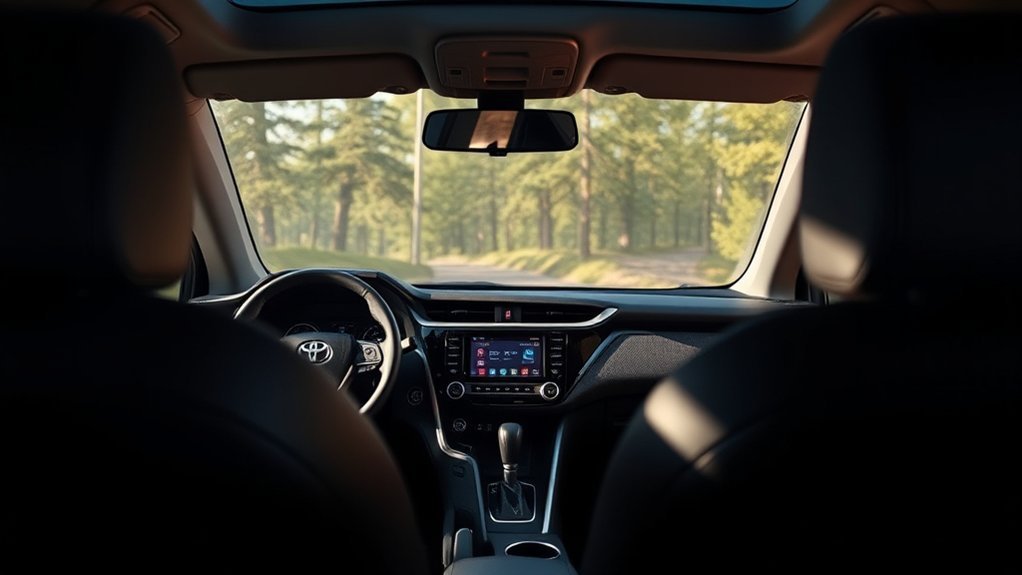
A constant seatbelt chime in your Toyota RAV4 can feel annoying, but it also points to a safety system you should not ignore. The right fix depends on the cause, your model year, and whether the alert comes from a real unbuckled belt or a faulty sensor. This guide shows you how to adjust supported settings, solve false chimes, and stay on the safe side of U.S. safety rules.
Quick Answer
You should not bypass the RAV4 seatbelt chime with clips, dummy buckles, or wiring changes. First, check for heavy items on seats, buckle every occupied seat, review your owner’s manual, and use only official Toyota settings or dealer-supported options. If the chime keeps sounding with everyone buckled, treat it as a possible sensor or restraint-system fault.
Key Takeaways
- Your RAV4 seatbelt chime helps remind every rider to buckle up before and during a trip.
- You should avoid seat belt clips or dummy buckles because they can hide real safety warnings.
- Heavy bags, pets, child seats, or faulty sensors can trigger the chime even when no person sits there.
- Federal seat belt reminder rules are expanding, with new front and rear warning requirements phasing in from 2026 to 2027.
- A dealer or qualified technician should inspect any chime that continues after you check the simple causes.
How to Adjust or Troubleshoot Your RAV4 Seatbelt Chime Safely
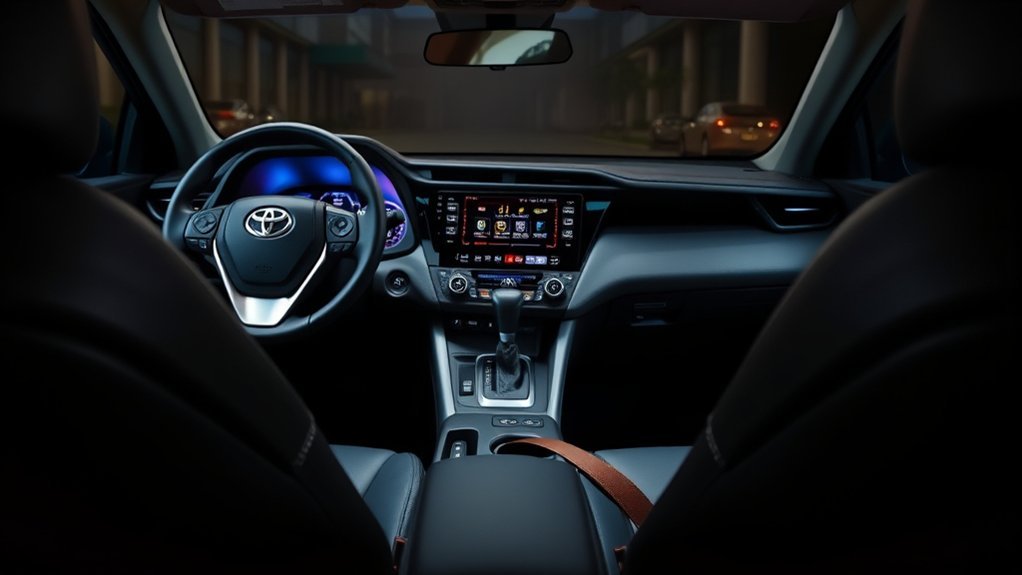
Estimated time: 10 to 20 minutes for basic checks. Plan more time if you need a dealer visit.
What You’ll Need Before You Start
- Your Toyota RAV4 owner’s manual
- A clear view of the driver, passenger, and rear seats
- Your vehicle settings menu, if your model supports reminder settings
- A Toyota dealer or qualified technician for warning lights or repeated faults
Safe Step-by-Step Process
- Buckle every occupied seat. Make sure each passenger uses the correct belt before you move the vehicle.
- Remove heavy items from seats. Move bags, tools, groceries, and pet carriers to the cargo area when safe.
- Check child seats and pet restraints. Make sure they do not press on the seat sensor in a way that triggers a false alert.
- Review your owner’s manual. Look for seat belt reminder, rear seat reminder, and customization sections for your exact model year.
- Use only supported settings. If your RAV4 offers alert-volume or reminder options, change them through the vehicle menu or Toyota-approved service tools.
- Test the alert after the check. Start the vehicle, buckle each occupied seat, and confirm the chime stops as expected.
- Book service if the chime continues. A repeated chime can point to a latch, occupant sensor, wiring, or supplemental restraint system issue.
Warning: Do not use dummy buckles, seat belt clips, or wiring changes to silence a safety alert.
What Happens If You Disable the Seatbelt Chime?
Disabling the seatbelt chime may feel convenient, but it can reduce your chance of noticing an unbuckled rider. The chime does not make the belt work, but it reminds you to use the belt before a crash can happen.
According to the National Highway Traffic Safety Administration (NHTSA), seat belts reduce fatal injury risk by 45% for front-seat passenger car occupants and 60% for light-truck occupants. That makes the reminder more than a simple noise.
- You may miss a warning when a passenger forgets to buckle up.
- You may hide a real fault in a buckle, seat sensor, or restraint system.
- You may face warranty, inspection, insurance, or liability concerns after a crash.
- You may violate local rules if your state or inspection program treats the warning system as required safety equipment.
Think carefully before you change any safety alert. A safer goal is to fix false chimes, not silence the system.
Common RAV4 Seatbelt Chime Problems and Safer Fixes
You may see online tips that use seat belt clips, scan tools, or dealer customization requests. Some of those methods can stop the sound, but they may also defeat the purpose of the warning.
Use the safer path first. Check the seat, belt latch, and warning lights before you try any setting change.
| Method | Safety Fit | Comments |
|---|---|---|
| Remove heavy items from seats | Recommended | Best first step for false passenger-seat alerts |
| Check the owner’s manual | Recommended | Use only options Toyota supports for your model year |
| Dealer diagnosis | Recommended | Best choice for repeated alerts or warning lights |
| Seat belt clips | Not recommended | Can trick the system and hide a real safety problem |
| Unofficial scan-tool changes | Use caution | May affect safety settings, warranty, or compliance |
Rear Seat Reminder vs Seatbelt Chime in Your RAV4
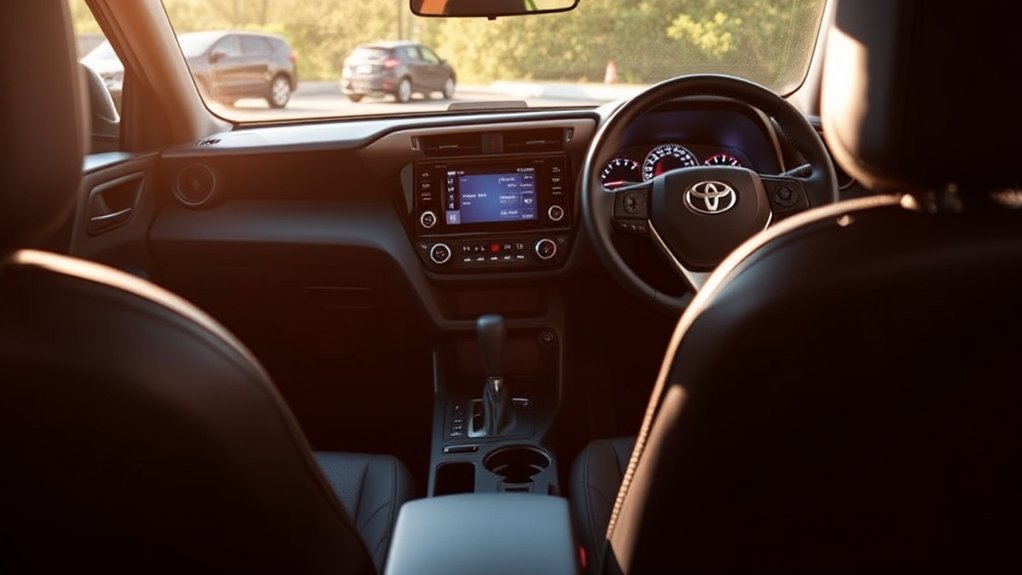
Your RAV4 may use more than one reminder system. The seatbelt chime warns you when the vehicle detects an unbuckled belt in an occupied or monitored seat. The rear seat reminder reminds you to check the back seat when you stop the vehicle.
Do not treat these systems as the same feature. One focuses on belt use while driving. The other helps reduce the risk of leaving a child, pet, or item in the back seat.
Note: Toyota’s Advanced Rear Seat Reminder uses in-cabin radar on select Toyota models, so you should confirm your RAV4’s exact features in your manual.
- Seatbelt chime: Alerts you when a belt condition needs attention while the vehicle runs or moves.
- Rear seat reminder: Prompts you to check the rear area after a trip, often based on rear-door activity.
- Advanced Rear Seat Reminder: Uses a sensor on select Toyota models to detect movement after you leave the vehicle.
- Mobile alerts: Some Toyota connected features may need Toyota app setup, enabled notifications, and active connected services.
Before you change any setting, confirm which system created the alert. That simple check can save you from changing the wrong feature.
Troubleshooting Common Seatbelt Chime Issues
A persistent seatbelt chime can happen even after every rider buckles up. Start with the easy causes, then move to service checks if the alert remains.
Common Causes
- A bag, backpack, tool box, or grocery load sits on the passenger seat.
- A pet restraint or child seat presses on a seat sensor.
- A buckle does not latch fully or has dirt inside the latch.
- A seat sensor, buckle switch, wiring connector, or restraint module has a fault.
- A related airbag or supplemental restraint system warning light appears.
Safe Fixes to Try First
- Move loose weight. Place heavy items in the cargo area and secure them.
- Rebuckle the belt. Unlatch and latch the belt again until you hear a clean click.
- Check every seating position. Look at the display to see which seat triggers the warning.
- Clean around the latch. Remove visible debris without forcing tools inside the buckle.
- Schedule service. Ask a Toyota dealer or qualified technician to scan the restraint system if the chime continues.
A battery disconnect may clear some temporary electronic states, but it can also reset vehicle settings. Do not rely on it as a real repair for a repeated safety alert.
Legal Considerations for Disabling Seatbelt Reminders
U.S. federal safety rules treat seat belt reminders as part of vehicle occupant protection. NHTSA’s final rule expands reminder requirements, with enhanced front-seat warning requirements starting September 1, 2026, and rear-seat warning requirements starting September 1, 2027.
State seat belt laws also vary. The Governors Highway Safety Association (GHSA) tracks primary and secondary enforcement laws, and many states cover rear-seat occupants too.
Legal Requirements Overview
Federal Motor Vehicle Safety Standard (FMVSS) No. 208 has long required a driver seat belt warning in many vehicles. NHTSA’s newer rule expands those requirements to encourage more belt use in the front and rear seats.
- Federal rules set vehicle safety standards for manufacturers.
- State laws set rules for driver and passenger seat belt use.
- Inspection, warranty, and insurance outcomes can vary by state and situation.
Before you modify any warning system, check your owner’s manual and your local law. A lawyer or state motor vehicle office can give legal guidance for your location.
Liability Concerns for Dealers
Dealers often avoid disabling seatbelt reminders because those alerts connect to safety compliance and crash risk. A dealer may inspect a fault, update software, or explain supported settings, but they may refuse a request that defeats a safety feature.
| Factor | Impact on Dealer | Notes |
|---|---|---|
| Safety risk | High | The reminder encourages belt use |
| Federal standards | High | Manufacturers must meet safety rules |
| Customer request | Case by case | Dealers may offer diagnosis instead of disablement |
| Warranty concerns | Possible | Unsupported changes may create problems later |
| Dealer policy | Cautious | Most policies favor safety compliance |
State-Specific Regulations Impact
State rules can affect your risk if you drive with an unbuckled rider. Some states allow officers to stop you for a seat belt violation alone, while others require another violation first.
- Primary enforcement laws let officers ticket seat belt nonuse without another traffic offense.
- Secondary enforcement laws allow a ticket only after another valid stop.
- Rear-seat and child-passenger rules often differ from front-seat adult rules.
Check your state rules before you make any decision that could reduce belt use. Local law matters, and fines can change.
When You Should Contact a Toyota Dealer or Technician
Contact a Toyota dealer or qualified technician if the chime continues after you remove weight from the seats and rebuckle every occupied belt. You should also get help if an airbag, supplemental restraint system, or seat belt warning light stays on.
A technician can scan the vehicle, inspect buckle switches, check seat sensors, and confirm whether your RAV4 has a software or hardware issue. This path keeps your safety features intact while solving the real problem.
Tips for Maintaining Your Vehicle’s Safety Features
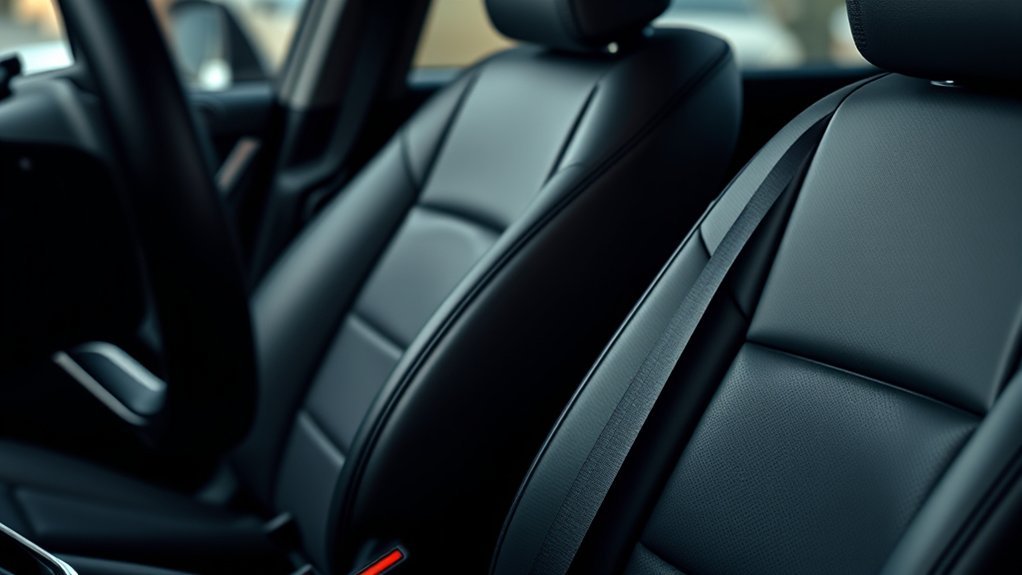
Keep your safety features in good shape with simple checks. Inspect each seat belt system for wear, tears, fraying, slow retraction, or a weak latch click.
Keep your vehicle manual nearby so you can confirm what each warning means. Schedule routine maintenance, and ask for a restraint-system check when an alert acts in a new or repeated way.
- Keep buckles free from coins, crumbs, and small debris.
- Do not route cargo straps through passenger seat belts.
- Secure pets with crash-tested restraints that do not confuse seat sensors.
- Use child seats exactly as the child-seat maker and Toyota manual instruct.
- Ask a technician to inspect any restraint warning light right away.
Frequently Asked Questions
How to Turn off Beeping on a Toyota RAV4?
First, identify which alert you hear. If it comes from the seatbelt reminder, buckle every occupied seat, remove heavy items from seats, and check your owner’s manual for supported settings. Do not use clips or wiring changes to bypass the warning.
How to Turn off Pinging Seat Belt Noise?
The safest fix is to solve the cause of the pinging sound. Check each belt latch, move heavy cargo, and confirm no pet or child seat presses on a seat sensor. If the sound continues, ask a Toyota dealer or qualified technician to inspect it.
Can You Turn off Lane Assist Beeping on a Toyota RAV4?
Some RAV4 models let you adjust lane-assist alerts through the driver-assistance settings. Keep these alerts on if you rely on them for lane warnings, and review your manual before changing them. Lane-assist beeping differs from the seatbelt chime.
Can I Disable the Seat Belt Alarm Myself?
You should not disable the seat belt alarm with bypass clips, dummy buckles, or wiring changes. If your model offers an official setting, use only the manual or dealer-supported method. If the alarm sounds incorrectly, fix the sensor or latch issue instead.
Legal and Safety Disclaimer: This article is for informational purposes only and does not constitute legal or vehicle safety advice. Always consult your Toyota owner’s manual, a qualified technician, or a local legal professional before changing or relying on information about vehicle safety systems.
Conclusion
Your RAV4 seatbelt chime exists to help you and your passengers buckle up before a crash can happen. If the chime sounds when it should not, focus on the cause instead of bypassing the alert. Start with simple checks, then contact a Toyota dealer or qualified technician if the warning continues. A quiet cabin feels better, but a working safety system matters more on every drive.
References
- Seat Belt Safety: Buckle Up America — National Highway Traffic Safety Administration, accessed 2026
- NHTSA Finalizes Seat Belt Reminder Rule to Increase Seat Belt Use, Improve Occupant Safety — National Highway Traffic Safety Administration, 2024
- Seat Belt Use State Laws Overview — Governors Highway Safety Association, accessed 2026
- 2025 Toyota Sienna Introduces Advanced Rear Seat Reminder System — Toyota USA Newsroom, 2024
- Toyota RAV4 Owner’s Manual: For Safe Use — Toyota owner’s manual resource, accessed 2026