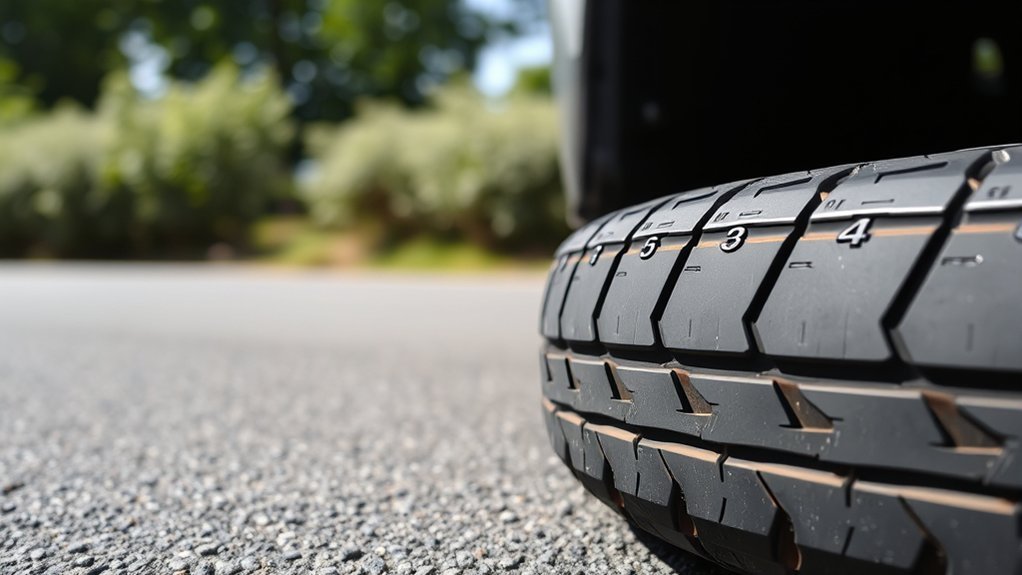
Choosing the wrong tire for a heavy load can turn a normal drive into a safety risk. Your tire sidewall gives you the key details: the load index, load range, speed rating, and maximum pressure. Use those markings with your vehicle placard or owner’s manual so each tire can carry its share of the weight without overheating, wearing too fast, or losing control.
Quick Answer
You read tire load capacity by finding the load index number on the sidewall and matching it to a load index chart. The load range letter shows how strong the tire casing is and how much pressure it can handle. For safe driving, towing, or hauling, use tires that meet or exceed your vehicle’s required load rating and inflate them to the vehicle maker’s recommended pressure.
Key Takeaways
- Check the load index on the sidewall to learn the tire’s rated weight capacity.
- Use the load range letter to understand casing strength and pressure capability.
- Match tire capacity to actual axle weight, especially when towing or hauling.
- Set tire pressure from the vehicle placard or owner’s manual, not guesswork.
- Never exceed the tire’s maximum stamped pressure or the vehicle’s weight limits.
Read the Load Index and Load Range on Your Tire
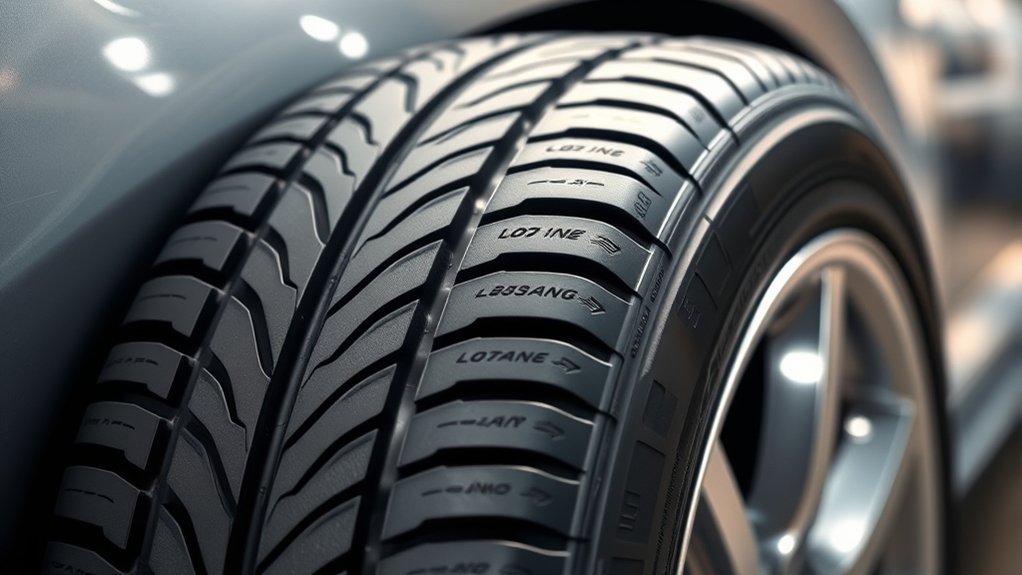
Start by finding the load index and load range stamped on the tire sidewall. These markings tell you the tire’s rated weight capacity and construction strength. You’ll usually find the load index near the tire size and speed rating.
The load index is a number that matches a specific maximum weight per tire. Use a load-capacity chart to convert that number into pounds. For example, a 94 load index equals 1,477 pounds per tire.
The load range, shown as a letter such as C, D, or E, describes the tire’s ply-equivalent strength and pressure capability. Higher letters usually support heavier loads at higher pressure. For vehicle safety, choose tires with a tire load rating and load range that meet or exceed the vehicle maker’s specs.
Use the combined capacity of all tires only after you confirm the load on each axle. Front and rear axles rarely carry weight equally, especially when you tow. Check the vehicle placard, owner’s manual, and tire sidewall before you add cargo or trailer tongue weight.
Quick Decision Checkpoints: Normal Driving, Towing, or Heavy Loads
Once you can read load index and load range markings, match them to how you drive. For normal driving, confirm that the tire meets the vehicle’s tire specifications. The load index should equal or exceed the original equipment rating.
Check the owner’s manual or door placard for the required load ratings and pounds per square inch (PSI). Set air pressure to the recommended value for your load. The pressure on the sidewall usually shows the tire’s maximum pressure, not the everyday setting for your vehicle.
If you tow or carry heavy loads, compare the loaded axle weight with the tire capacity on that axle. Divide the axle weight by the number of tires on that axle. If one tire’s rated capacity falls short, choose a tire with a higher load index or the correct heavy-duty rating.
Warning: Never use tire pressure to make up for a tire that lacks enough load capacity.
Prioritize tires whose load index and load range can handle weight shifts during braking, turning, and acceleration. A tire that looks fine at rest can run hot under load. Use exact load index values, proper pressure, and regular checks to prevent overload and preserve control.
Choose the Right Load Index and Load Range for Car vs. Trailer
Cars and trailers need different tire choices because they carry and control weight in different ways. Match the load index and load range to the expected axle weights and pressure needs. Each tire must carry its share without exceeding its rating.
Passenger tires use load index numbers that you can match to a chart for the exact maximum weight per tire. Choose a load index that meets or exceeds the original equipment rating. Don’t downgrade the load index or load range on a passenger vehicle.
Trailer tires often use stronger construction and load range markings such as C, D, or E. Size trailer tires for the trailer’s gross weight plus cargo. Each tire’s carrying capacity should exceed its share of the loaded axle weight.
Load range markings show carcass strength and allowed pressure, but they don’t replace the load index. Use both numbers together. That approach helps prevent overloading, blowouts, sway, and poor handling.
How Tire Pressure Affects Load Capacity and Handling
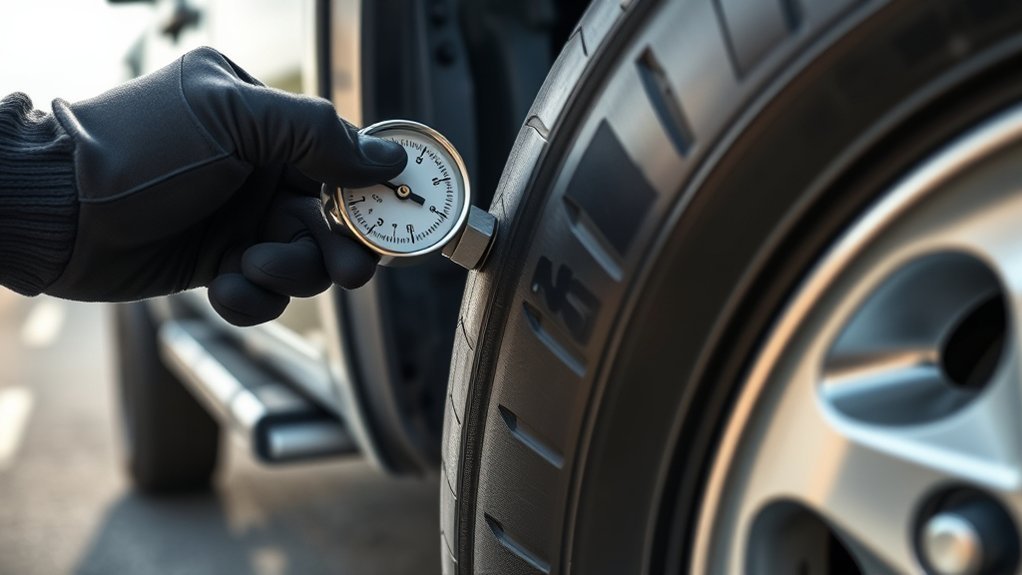
Tire pressure affects how much weight each tire can safely carry. A tire only reaches its rated load capacity when you inflate it to the correct pressure for that load. Low pressure increases flex, heat, rolling resistance, and blowout risk.
Under-inflation lets the tire sidewall bend more than designed. That extra movement builds heat and can hurt handling, stability, and tread life. It can also make the vehicle feel slow to respond when you steer or brake.
Over-inflation creates a smaller contact patch and can reduce traction. It may also make the ride harsh and cause uneven center tread wear. Use the vehicle placard or owner’s manual as your starting point, then adjust only as the manufacturer allows for heavy loads.
Pro tip: Check tire pressure when the tires are cold, before driving more than a short distance.
Set Tire Pressure for Heavy Loads and Towing: Step-by-Step
If you haul heavy loads or tow, set tire pressures to match the load. Don’t rely on daily driving pressure without checking the vehicle guidance. Never exceed the tire’s maximum stamped pressure.
- Calculate the load. Add cargo weight, passenger weight, and trailer tongue weight where it applies.
- Check axle limits. Compare the loaded weight with the vehicle’s axle ratings and tire capacity.
- Review the manual. Use the owner’s manual for towing pressure guidance and any speed limits tied to load.
- Read the sidewall. Confirm the tire’s load index, load range, and maximum pressure.
- Inflate carefully. Use a calibrated gauge and stay below the tire’s maximum stamped pressure.
- Recheck after loading. Inspect pressure, heat, bulges, and uneven tire shape before a long drive.
If your tires don’t provide enough capacity, switch to properly rated tires before you tow. Extra Load (XL) tires can carry more weight than standard passenger tires when used at the correct pressure. For trailers or heavy-duty use, confirm that the tire type matches the job.
Common Load Capacity Mistakes to Avoid
Many tire load problems start with one simple mistake: using the sidewall maximum pressure as the daily target. That number shows the tire’s upper pressure limit. Your vehicle placard gives the pressure the vehicle maker recommends for normal use.
Another mistake is adding all tire capacities together without checking axle weight. A rear axle may carry much more weight when you load cargo or attach a trailer. Use actual axle weights when you can, especially before long towing trips.
Don’t mix tire types, load ranges, or ratings on the same axle unless the vehicle maker allows it. Mismatched tires can change handling and braking. Replace worn, cracked, or damaged tires before you rely on them for heavy loads.
Frequently Asked Questions
How do you read tire load capacity?
You read tire load capacity by finding the load index on the sidewall and matching it to a load index chart. Then compare that capacity with your vehicle placard, owner’s manual, and expected axle load.
What is the 3% tire rule?
The 3% tire rule usually refers to keeping replacement tire diameter within about 3% of the original size. This helps protect speedometer accuracy, handling, braking, and clearance. It does not mean you can safely add 3% more load to the vehicle.
What does 225/40ZR18 92W XL mean?
The code 225/40ZR18 92W XL gives the tire size, construction, load index, speed rating, and Extra Load rating. The 225 is the width in millimeters, 40 is the aspect ratio, ZR shows high-speed radial construction, and 18 is the wheel diameter in inches. The 92 is the load index, W is the speed rating, and XL means Extra Load.
What’s better, load range C or D?
Load range D usually carries more weight than load range C in the same tire size when inflated to the proper pressure. That can help with towing and heavy-duty use. Choose the range that matches your vehicle, trailer, wheel rating, and pressure requirements.
Can you increase load capacity by adding more air?
You can only increase usable load capacity within the tire maker’s approved pressure and load table. You cannot exceed the tire’s rated capacity or maximum stamped pressure. If the tire lacks enough rating, replace it with a properly rated tire.
Conclusion
Your tire’s load index, load range, and pressure rating set real limits for safe driving. For daily use, follow the vehicle placard and keep tire pressure checked. For towing or heavy loads, match tire capacity to axle weight and use a tire with enough rating before you start the trip. Treat tire specs as firm safety limits, and you’ll give your vehicle better control, cooler-running tires, and a safer ride.