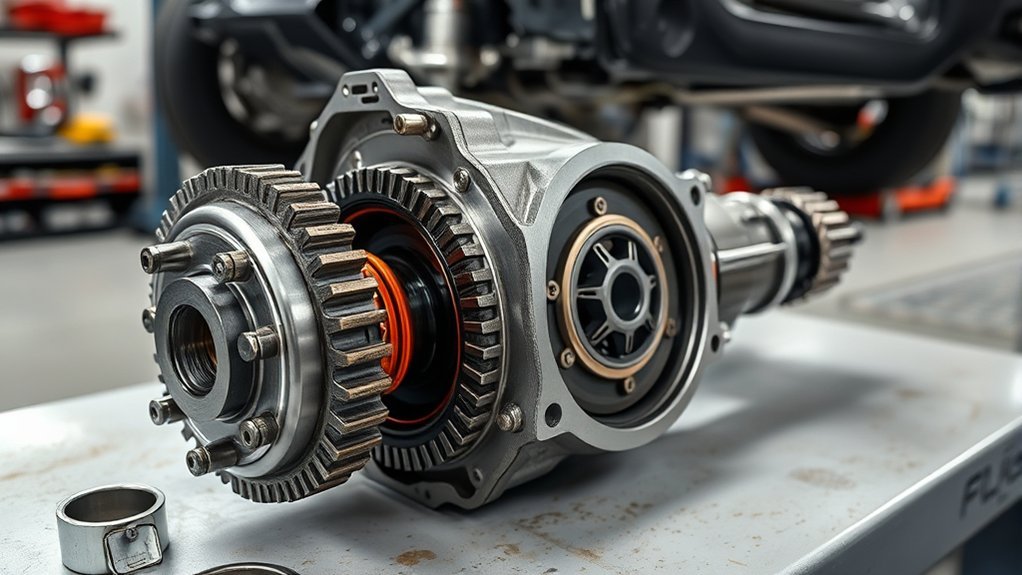
Toyota Supra Limited Slip Differential Guide
What’s in This Article
- How Limited Slip Differentials Improve Your Toyota Supra’s Performance
- Types of Limited Slip Differentials: 1.5 Way vs. 2 Way
- How to Choose the Right Limited Slip Differential for Your Driving Style
- Compatibility Check: Which LSD Fits Your Toyota Supra Model?
- Best Practices for Installing Your LSD
- Key Maintenance Tips for Your Limited Slip Differential
- How LSDs Boost Your Supra’s Traction and Handling
- How to Identify and Fix Common LSD Problems
- Community Resources for LSD Support and Advice
- Aftermarket LSD Options and Pricing
- Frequently Asked Questions
- Conclusion
Your Toyota Supra can make strong power, but that power only helps when the tires can use it. A limited slip differential (LSD) helps send torque to the rear wheel with better grip, which can improve traction during hard acceleration and cornering. This guide explains how LSDs work, how 1.5 way and 2 way designs differ, and what you should check before choosing one for your Supra.
Quick Answer
A limited slip differential helps your Toyota Supra put power down more evenly through both rear wheels. A 1.5 way LSD suits street driving, road courses, and some drifting because it feels smoother under braking. A 2 way LSD gives stronger lock on acceleration and deceleration, which can suit drifting or track use but may feel harsher on the street.
Key Takeaways
- An LSD improves traction by limiting the speed difference between the two rear wheels.
- A 1.5 way LSD usually gives a better balance for street use and road-course driving.
- A 2 way LSD gives stronger lock during braking, which can help drifting but feel aggressive.
- Supra LSD fitment depends on model, axle size, transmission, and existing differential parts.
- Correct setup, backlash, preload, and fluid choice matter as much as the LSD itself.
How Limited Slip Differentials Improve Your Toyota Supra’s Performance

A limited slip differential helps your Supra keep both rear tires working when one tire starts to lose grip. Instead of letting one wheel spin freely, the LSD limits that speed difference and sends more usable torque across the rear axle. This can help during launches, corner exits, and quick throttle changes.
A performance LSD can also make the car feel more predictable when you drive hard. It can reduce inside-wheel spin as you accelerate out of a turn and help the rear tires share the load more evenly. That improved balance can give you better control on a road course, at an autocross, or during spirited driving.
Aftermarket brands such as Kaaz, Cusco, Tomei, ATS, and OS Giken offer different LSD styles for Supra applications. The best choice depends on your model, power level, tire grip, and how you drive the car. Regular fluid service and inspection help the LSD keep working as intended.
Types of Limited Slip Differentials: 1.5 Way vs. 2 Way
The terms 1.5 way and 2 way describe how a clutch-type LSD locks during acceleration and deceleration. The right choice affects how your Supra feels when you apply throttle, lift off, or brake into a corner.
- 1.5 way LSD: This type gives strong lock during acceleration and lighter lock during deceleration.
- 2 way LSD: This type gives strong lock during both acceleration and deceleration.
- Street feel: A 1.5 way LSD usually feels smoother and more forgiving in daily driving.
- Track feel: A 2 way LSD can give more consistent lock, but it can feel aggressive during braking and low-speed turns.
A 1.5 way LSD often suits drivers who want traction without making the car feel too sharp during normal use. A 2 way LSD usually suits drift builds or drivers who want strong rear-end lock under braking. Choose the design that matches your driving style, not just the most aggressive option.
Note: A more aggressive LSD can improve control in some motorsport settings, but it can also add noise, tire wear, and low-speed chatter.
How to Choose the Right Limited Slip Differential for Your Driving Style
Start with how you use your Supra most often. For daily driving, canyon roads, and occasional track days, a 1.5 way clutch-type LSD or a smoother helical-style unit may feel more natural. For drifting, competition use, or aggressive track driving, a 2 way LSD can offer stronger lock and more consistent rear grip.
Your power level and tire setup also matter. A high-power turbo Supra on sticky tires may need a stronger unit than a mild street car on regular performance tires. The wrong setup can make the car harder to drive, even if the LSD itself has a good reputation.
Final drive ratio can change how the car feels after an LSD upgrade. A shorter ratio can help acceleration, while a longer ratio can suit higher-speed use. Before buying parts, confirm your current differential, axle setup, transmission, and intended use.
Compatibility Check: Which LSD Fits Your Toyota Supra Model?
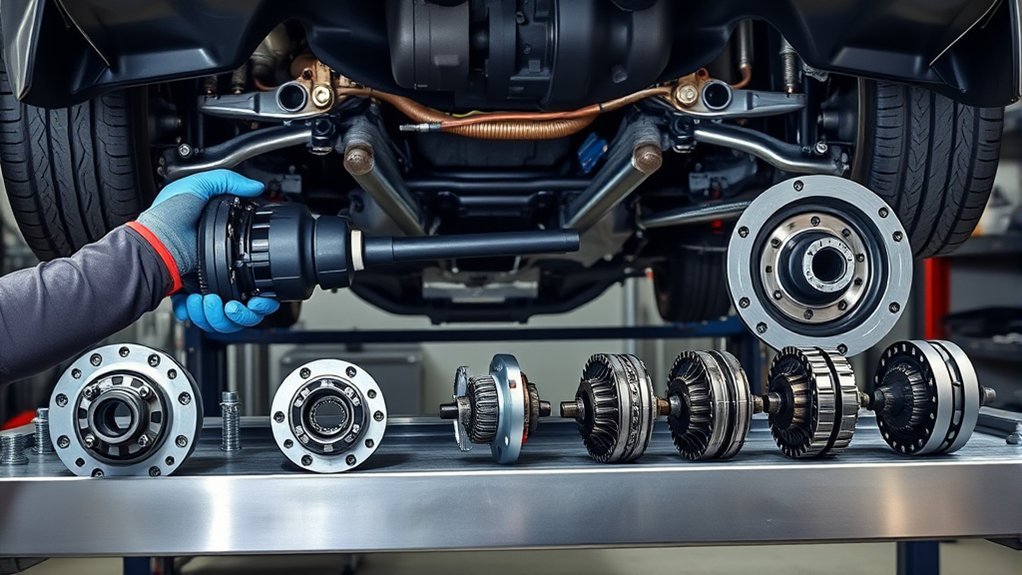
Supra LSD fitment depends on more than the model name. You need to confirm the chassis, differential size, axle setup, transmission, and whether your car already has a factory limited slip unit. This step helps you avoid buying a part that needs more supporting hardware than expected.
Confirm your Supra’s exact differential setup before ordering an LSD, because small fitment differences can change the full parts list.
- JZA80 Supra models: Many aftermarket LSDs target the Mk4 Supra, but fitment can differ between naturally aspirated, turbo, automatic, 5-speed, and 6-speed cars.
- Differential size: Some Supra applications use different internal parts, so ring gear size and carrier type matter.
- Swap needs: Some cars may need a complete differential assembly, while others may accept an internal LSD upgrade.
- Driving style: Match the LSD type to your use, especially if you plan to drift, drag race, or run road courses.
Ask the LSD maker or a Supra specialist to confirm fitment with your VIN, chassis, and current differential code. That extra check can save time, money, and repeat labor.
Warning: Do not assume every Mk4 Supra LSD fits every Mk4 Supra, because transmission and differential differences can affect compatibility.
Best Practices for Installing Your LSD
Installing an LSD takes careful setup. The carrier, bearings, seals, backlash, preload, and fluid choice all affect how the differential works. If you lack differential setup tools or experience, a specialist shop is the safer choice.
Required Tools and Materials
Gather the correct tools before you start. You may need different tools based on your Supra model and the LSD maker’s instructions.
- Use a socket set: Remove and install the differential fasteners with the correct sockets.
- Use a torque wrench: Tighten fasteners to the manufacturer’s torque specs.
- Use pry bars carefully: Move heavy parts without damaging mating surfaces or seals.
- Use a dial indicator: Check backlash after installing the carrier.
- Use the correct fluid pump: Fill the differential with the oil specified by the LSD maker.
Place the car on level ground and support it with rated jack stands. Inspect bushings, mounts, seals, and axle hardware while the differential is out. Replacing worn parts during the job can prevent repeat labor later.
Step-By-Step Installation Guide
Follow the LSD maker’s service instructions for your exact part. Differential setup requires exact measurements, so avoid guessing during preload or backlash adjustment.
- Prepare the car: Park on a level surface, disconnect the battery if needed, and support the car safely.
- Drain the fluid: Warm the differential briefly, then drain the old oil into a safe container.
- Remove the differential: Disconnect the driveshaft, axles, mounts, and related hardware as your service manual directs.
- Install the LSD carrier: Fit the new LSD with the correct bearings, shims, ring gear, and hardware.
- Set backlash and preload: Measure both settings and adjust them to the required specs.
- Seal and refill: Reinstall the cover or housing, then add the correct LSD fluid and friction modifier if required.
- Test the car: Drive gently at first and listen for chatter, whining, leaks, or binding.
Some clutch-type LSDs also need a break-in process. Follow the maker’s instructions for figure-eight driving, first fluid change, and load limits during the first miles.
Common Mistakes to Avoid
Small installation errors can make an LSD noisy, harsh, or short-lived. Avoid these common problems before they damage the drivetrain.
- Choosing the wrong differential type: Confirm your Supra model, transmission, ring gear, and carrier before you order parts.
- Reusing worn parts: Replace tired seals, bearings, and bushings when the differential comes apart.
- Skipping measurements: Check preload and backlash instead of relying on old shim positions.
- Using the wrong fluid: Use the oil and friction modifier the LSD maker recommends.
Key Maintenance Tips for Your Limited Slip Differential
Good maintenance helps your LSD stay smooth and predictable. Use the fluid grade the LSD maker recommends, because clutch-type, helical, and factory electronic systems may need different fluids. If your LSD calls for friction modifier, add only the amount the instructions specify.
Check the differential for leaks, burnt fluid smell, metal debris, and new noises. Clutch-type units can wear over time, especially in drift, drag, and track use. If the LSD starts acting like an open differential, it may need inspection or rebuild parts.
Change the fluid after hard use or after the maker’s break-in period. Street cars may need less frequent service, but track cars need closer checks. A clean service record also helps you spot changes before they become costly repairs.
How LSDs Boost Your Supra’s Traction and Handling
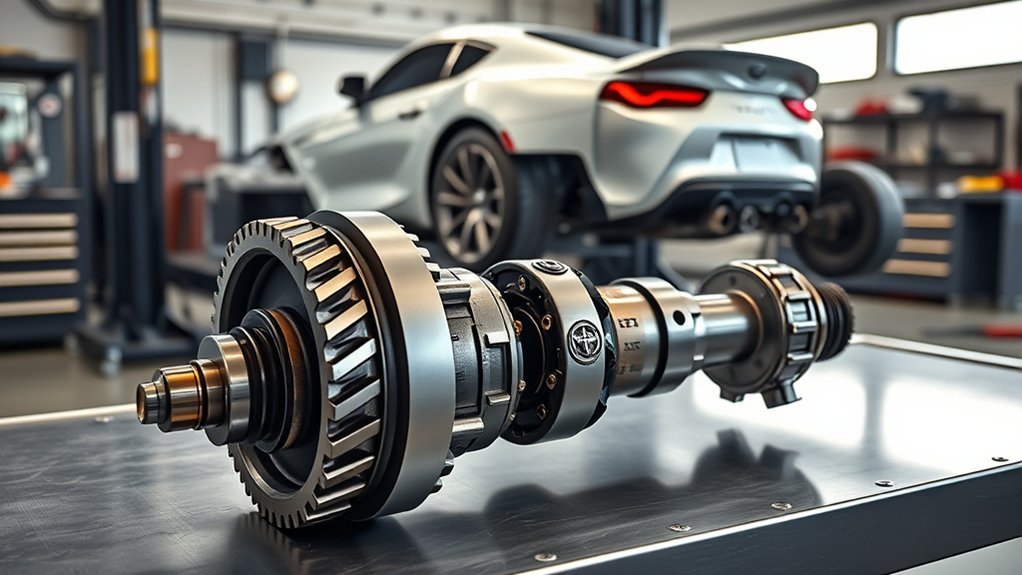
An LSD helps your Supra keep more stable rear grip when one tire gets lighter during a turn. That matters because the inside rear tire can lose load while the outside tire carries more weight. By limiting wheel-speed difference, the LSD helps both rear tires contribute to forward drive.
- Improved acceleration: The LSD reduces single-wheel spin during hard launches and corner exits.
- Better corner exits: The rear tires share power more evenly as you apply throttle.
- More predictable balance: A well-matched LSD can make the car easier to place under power.
- Stronger motorsport control: A more aggressive LSD can help drift and track drivers manage rear slip.
The benefit depends on setup. Tire grip, suspension alignment, bushing condition, and driver input all affect how the LSD feels. Treat the LSD as one part of the full handling package, not a single cure for every traction issue.
How to Identify and Fix Common LSD Problems
A worn or poorly set up LSD can make your Supra feel inconsistent. You may notice new noise, inside-wheel spin, chatter in tight turns, leaks, or a harsh clunk when load changes. Early checks can prevent more damage.
Signs Of Worn LSD
Watch for changes in traction and noise. These signs can point to worn clutch plates, poor fluid condition, bearing wear, or setup problems.
- Inconsistent lock: The car may spin one wheel more often during acceleration.
- Increased noise: Whining, grinding, or clunking can point to internal wear or setup issues.
- Traction struggles: The rear tires may lose grip more easily when exiting corners.
- Poor oil condition: Dark, burnt oil or metal shavings can signal internal wear.
Do not ignore sudden noise after an LSD install. Stop driving hard and inspect the differential before the problem spreads to gears, bearings, or axles.
Troubleshooting Differential Noise
A light amount of chatter can be normal with some clutch-type LSDs, especially during tight turns. Loud whining, grinding, or heavy clunking needs inspection. Check fluid level, fluid type, backlash, bearing condition, and mount condition.
Noise during acceleration can point to gear or bearing load issues. Noise during turns can point to fluid, friction modifier, or clutch plate behavior. A shop with differential setup experience can test the unit and confirm the cause.
Fluid Maintenance Tips
Fluid choice can change LSD behavior right away. Use the oil grade and friction modifier that the LSD maker lists for your unit.
- Warm the oil first: Warm fluid drains faster and removes more debris.
- Inspect the old fluid: Look for burnt smell, heavy glitter, or metal pieces.
- Use the correct oil: Match the fluid to the LSD type and manufacturer instructions.
- Test after service: Drive gently and listen for changes in chatter, whining, or binding.
Pro tip: Keep a simple fluid-change log so you can track noise, mileage, and performance after each service.
Community Resources for LSD Support and Advice
Supra forums, owner groups, and local meets can help you compare real-world LSD setups. Owners often share fitment notes, part numbers, noise reports, break-in tips, and shop recommendations. Use those comments as a starting point, then confirm details with the LSD maker or a qualified shop.
Community feedback helps most when you match it to your own build. A drift car, drag car, road-course car, and street car can need very different differential behavior. Ask about tire size, power level, transmission, final drive, suspension, and use case before copying another setup.
Aftermarket LSD Options and Pricing
Aftermarket LSD prices change by seller, model, and availability, so treat any price as a rough shopping reference. You should confirm the latest price, part number, and fitment before ordering. Also plan for bearings, seals, fluid, labor, and possible setup parts.
Popular LSD Brands Available
Several well-known brands make LSDs for Supra applications. Each brand offers different lock behavior, rebuild options, and noise levels.
- Kaaz: Often chosen for clutch-type performance units aimed at drift and track use.
- Tomei: Known for performance clutch-type differentials for high-power applications.
- ATS: Offers carbon and hybrid LSD options aimed at motorsport use.
- OS Giken: Known for multi-plate performance LSDs with strong lock control.
- Cusco: Offers several clutch-type LSD setups for different driving styles.
Brand reputation matters, but fitment and setup matter more. Choose a unit that matches your Supra’s drivetrain and the way you drive.
Price Ranges and Discounts
Many Supra aftermarket LSDs fall into the higher performance parts category. Prices can vary widely based on the model, vendor, and whether the listing includes only the internal LSD or a complete differential assembly. Shipping, tax, shop labor, and setup parts can add a lot to the final cost.
A discounted price may not mean the best value if the part does not fit your car. Compare the part number, axle compatibility, ring gear size, and included hardware before you buy. Ask the seller to confirm fitment in writing when possible.
Performance Features Comparison
Compare LSD options by behavior, not just price. A strong lock ratio can help competition use, but it can also add chatter and tire scrub during street driving.
| LSD Type | Best Fit | Street Feel | Main Trade-Off |
|---|---|---|---|
| 1.5 way clutch-type | Street, road course, mixed use | Moderate | Can chatter if fluid or setup is wrong |
| 2 way clutch-type | Drift, aggressive track use | Firm | Can feel harsh during braking and tight turns |
| Helical-style | Street and light performance use | Smooth | May not lock as strongly when one tire has very low grip |
Frequently Asked Questions
Does the GR Supra Have a Limited Slip Differential?
Yes, many GR Supra models use an active rear differential system designed to help traction and cornering. Check your exact trim and market, because equipment can vary by model year and region.
Is a Limited Slip Differential Good for Daily Driving?
Yes, the right LSD can improve daily driving traction, especially on wet roads or during quick acceleration. A mild or factory-style setup usually feels better for daily use than a very aggressive 2 way clutch-type LSD.
What Is the Disadvantage of Limited Slip Differential?
An LSD can add noise, tire wear, fluid sensitivity, and extra maintenance. Aggressive clutch-type units can also feel harsh in parking lots or during tight low-speed turns.
What Is a Toyota Limited Slip Differential?
A Toyota limited slip differential helps control the speed difference between the drive wheels. In a rear-wheel-drive Supra, it helps both rear tires share torque instead of letting one tire spin too easily.
Can You Install a Supra LSD at Home?
You can remove and reinstall a differential assembly at home if you have the right tools and experience. Setting up the internal LSD, bearings, backlash, and preload takes precision, so many owners use a specialist shop for that part.
Conclusion
A limited slip differential can make your Toyota Supra feel more planted, more predictable, and more useful under power. Choose the LSD type based on your real driving style, not just the most aggressive spec. Confirm fitment, use the correct fluid, and get the setup measured properly before you push the car hard. With the right LSD and maintenance plan, your Supra can put its power down with far more confidence.