
Launch control can help your Toyota Supra leave the line with less wheel spin, but only when you use it in a safe, controlled setting. The best setup depends on your Supra model, transmission, tires, surface, and modifications. Use your owner’s manual first, avoid public roads, and test changes slowly at a legal drag strip or closed course.
Quick Answer
To use launch control on a Toyota Supra, confirm the correct procedure in your owner’s manual, warm the tires, hold the brake firmly, build revs in the safe range for your setup, and release the brake smoothly. For modified cars, tire grip, torque converter behavior, and traction control settings can change the best launch method. Practice only at a legal track, because aggressive launches can damage driveline parts.
Key Takeaways
- Use launch control only on a legal track or closed course, never on public roads.
- Check your owner’s manual because launch steps can vary by Supra model and transmission.
- Warm tires, manage revolutions per minute (RPM), and avoid sudden inputs that shock the driveline.
- Modified Supras may need different settings than stock cars, especially with added power or drag tires.
- Stop testing if you notice wheel hop, harsh vibration, warning lights, or unusual noises.
Key Aspects of Launch Control for the Toyota Supra
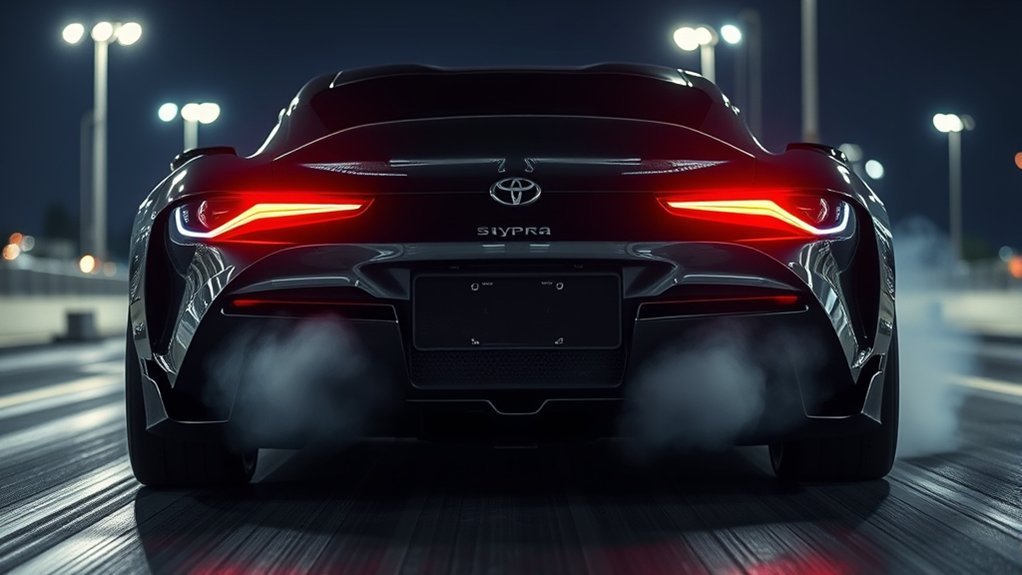
Launch control helps your Supra manage power from a stop, but it does not guarantee a perfect launch. Tires, track prep, temperature, brake pressure, and driver timing all affect the result. Your goal is simple: build enough power to move hard without spinning or shocking the driveline.
Start with the factory procedure in your owner’s manual. Some setups need traction or stability settings changed before launch control will work, while others need the car in a specific drive mode. Don’t guess, because the wrong setting can cancel the launch or create unsafe behavior.
For many modified Supras, the factory setting may not suit the added power. A car with more boost, different tires, or upgraded drivetrain parts may need careful testing at lower revolutions per minute (RPM). Increase only in small steps and watch how the car reacts.
Warning: Aggressive launches can damage axles, driveshaft parts, tires, brakes, or the transmission, especially on high-power modified cars.
Essential Launch Techniques for a Successful Supra Launch
A strong launch starts before the green light. Make sure the car runs at normal operating temperature, the tires match your power level, and the track surface has enough grip. Avoid hard launches on cold tires or dirty pavement.
Hold the brake firmly, bring the engine to a safe RPM range for your setup, and release the brake smoothly when you launch. Some drivers test a range near 1,500 to 2,000 RPM on lower-power or street-tire setups. Modified cars may need different testing because added torque can create wheel spin or wheel hop.
If your setup supports manual gear control, some drivers test second-gear launches at the strip to reduce wheel spin. This method can feel smoother on high-power cars, but it may not suit every Supra. Track data and repeat testing matter more than one fixed rule.
| Technique | What to Watch | Why It Matters |
|---|---|---|
| Launch Prep | Tire temperature and track grip | Cold or dirty tires spin more easily |
| Brake Hold | Firm brake pressure | A steady hold helps the car build power cleanly |
| RPM Control | Safe launch RPM | Too much RPM can cause spin or driveline stress |
| Gear Choice | First or second gear response | The right gear depends on power, tires, and surface |
Before You Launch Your Supra
A safe launch needs more than throttle and brake control. Check tire pressure, lug nut torque, fluid leaks, brake feel, and dashboard warning lights before each run. Don’t launch the car if anything feels loose, hot, or abnormal.
You should also know the track rules before staging. Some tracks require helmets, tech inspection, long pants, or specific safety equipment based on speed. Follow the track staff’s instructions every time.
- Confirm your owner’s manual launch procedure.
- Inspect tires for wear, cuts, or uneven pressure.
- Check for leaks under the car before staging.
- Secure loose items inside the cabin and trunk.
- Let the car cool between repeated hard launches.
Staging and Warm-Up Tips for Your Supra
Good staging helps you launch with more control. Warm the tires only when the track allows it, and match the burnout to your tire type. Drag radials often need heat, while many street tires can lose grip when overheated.
As you approach the staging lights, keep the car straight and calm. Apply firm brake pressure, build power in a controlled way, and avoid rushing the process. A clean, repeatable routine usually beats a dramatic launch.
- Warm your tires only as much as your tire type needs.
- Stage straight so the car does not pull sideways at launch.
- Build RPM smoothly instead of stabbing the throttle.
- Watch for wheel hop and lift off if it starts.
Pro tip: Change one setting at a time, then compare your 60-foot time and traction before changing anything else.
Common Launch Issues and Solutions

Wheel spin is the most common launch problem. It usually means the tire, surface, or RPM setting can’t handle the torque. Lower the launch RPM, reduce throttle aggression, or use a tire better suited to drag strip use.
Wheel hop needs quick attention because it can break driveline parts. If the rear tires bounce or shake during launch, lift off instead of trying to drive through it. Suspension setup, tire pressure, bushings, and surface grip can all play a role.
Slow launches can happen when the car bogs after the brake release. This may mean the RPM is too low, the tires have too much grip for the power level, or the car’s settings are limiting torque. Make small changes and keep notes after each run.
| Problem | Likely Cause | Safer Fix |
|---|---|---|
| Wheel spin | Too much RPM or not enough grip | Lower RPM and improve tire prep |
| Wheel hop | Tire bounce or suspension load | Lift off and inspect the setup |
| Bogging | Not enough launch power | Raise RPM slightly after checking traction |
| Harsh shift | Too much shock through the driveline | Reduce launch force and let the car cool |
Community Insights: Sharing Experiences and Techniques
The Toyota Supra community can help you learn faster, but treat every setup as different. A launch method that works on one car may fail on another because power, tire size, suspension, and track prep vary. Use shared tips as starting points, not fixed rules.
Drivers often test different throttle inputs, tire pressures, and launch RPM levels to find a repeatable setup. Some use drag radials such as Nitto NT555RII tires for better grip at the strip. Others prefer a milder launch to protect stock driveline parts.
- Practice at the same track when possible so conditions stay more consistent.
- Record tire pressure, RPM, weather, and 60-foot time after each pass.
- Ask experienced Supra owners about setups close to your own car.
Tips for Improving Launch Performance
Better launch performance comes from traction, timing, and repeatable testing. Don’t chase one hard launch before you understand how the car reacts. Build a setup you can repeat without wheel spin, wheel hop, or warning lights.
Optimal Tire Selection
Selecting the right tires can make a major difference in launch performance. Street tires work well for daily driving, but they may spin when your Supra makes more torque. Drag radials can improve strip grip, but they may need heat and careful use.
- Choose tires that match your power level and driving use.
- Heat drag-focused tires only when the manufacturer and track conditions support it.
- Test tire pressure in small changes instead of making large jumps.
RPM Management Techniques
RPM management controls how much torque hits the tires at launch. Too little RPM can make the car bog, while too much can spin the tires or stress the driveline. Start mild, then raise RPM only when the car leaves cleanly.
Watch the tachometer and feel for wheel hop, tire spin, or harsh engagement. If the car reacts violently, back off and inspect the setup. A slower clean launch often beats a wild launch that wastes traction.
Practice Manual Launching
Manual launching takes practice because your timing affects the whole run. Focus on the same brake pressure, RPM target, and release timing each pass. Consistency helps you find what truly improves the car.
- Start with the factory launch procedure from your owner’s manual.
- Set a mild RPM target that does not spin the tires.
- Release the brake smoothly and keep the steering straight.
- Record the result, then change only one variable next pass.
- Stop testing if the car shows wheel hop, heat issues, or warning lights.
Frequently Asked Questions
How to Do Launch Control on a Toyota Supra?
Check your owner’s manual first, because the exact procedure can vary by model and transmission. In general, you need the correct drive mode, firm brake pressure, a safe RPM target, and a smooth brake release on a legal track.
How to Properly Use Launch Control?
Use launch control only after the car reaches normal operating temperature and the tires have enough grip. Start with mild settings, keep the car straight, and avoid repeated launches without cool-down time.
Can Launch Control Damage a Supra?
Yes, hard launches can stress the axles, driveshaft, transmission, tires, and brakes. The risk rises when the car has more power, sticky tires, poor track prep, or wheel hop.
Is a Supra Faster Than a Hellcat?
A Hellcat usually has much more horsepower, so it can be stronger in straight-line acceleration when traction is equal. The Supra can still feel quicker on tight roads or technical tracks because it has a lighter, more balanced sports-car layout.
Why Is Toyota Discontinuing the Supra?
Toyota has not confirmed a simple reason in this article’s source material. Sports-car production often depends on demand, emissions rules, platform costs, and future product planning, so avoid treating rumors as final news.
Safety Disclaimer: This article is for informational purposes only and does not replace your owner’s manual, track rules, or professional driving instruction. Use launch control only in a legal, controlled setting and consult a qualified technician before testing modified vehicles.
Conclusion
A good Supra launch comes from control, not just power. Start with the correct factory procedure, then adjust tire prep, RPM, and launch style in small steps. Keep safety first, track your results, and stop if the car shows signs of stress. With steady practice at a legal track, you’ll build launches that feel quick, clean, and repeatable.