
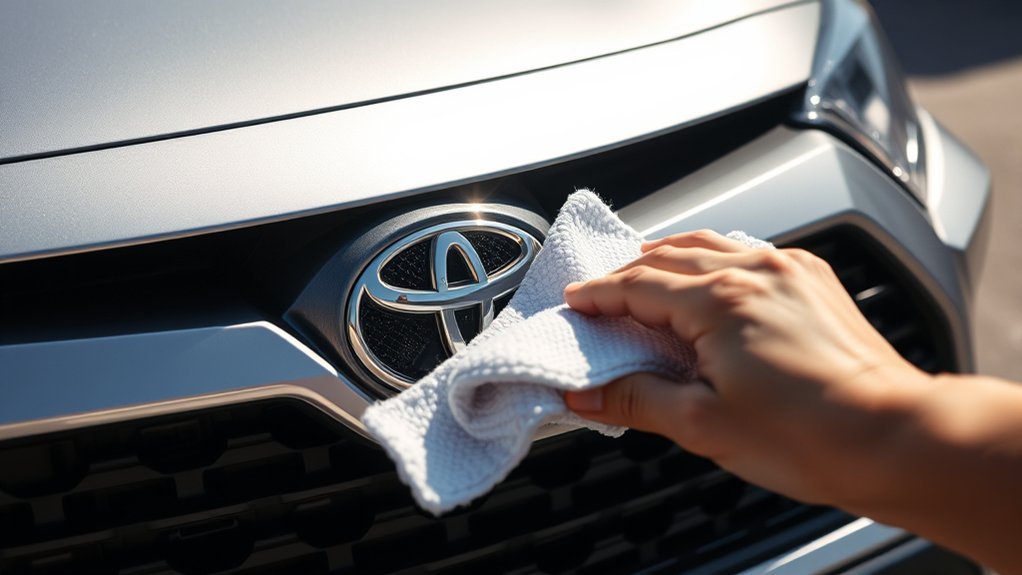
To clean the pre-collision sensor on your Toyota RAV4, turn off the vehicle and let the sensor cool down. Use a soft brush to remove loose dirt, then dampen a microfiber cloth with a mild soap solution. Gently wipe the sensor surface without pressing hard, rinse with clean water, and dry with a fresh microfiber cloth. Regular maintenance keeps your sensor working at its best. For more troubleshooting and upkeep tips, keep reading below.
Quick Answer
- The pre-collision sensor is behind the front grille or Toyota emblem, just above the license plate area. A camera also sits near the rearview mirror inside the cabin.
- Clean it with a soft microfiber cloth and mild soap and water. Avoid harsh chemicals and heavy pressure.
- Always turn off the vehicle before cleaning to prevent accidental sensor activation.
- Clean the sensor after driving in rain, snow, or dusty conditions to avoid false warnings or system errors.
- If warning messages persist after cleaning, try power-cycling the vehicle or scanning for diagnostic trouble codes (DTCs) with an OBD-II scanner.
- Contact a qualified mechanic if cleaning and basic troubleshooting don’t resolve the issue.
Understanding the Importance of Your Pre-Collision Sensor
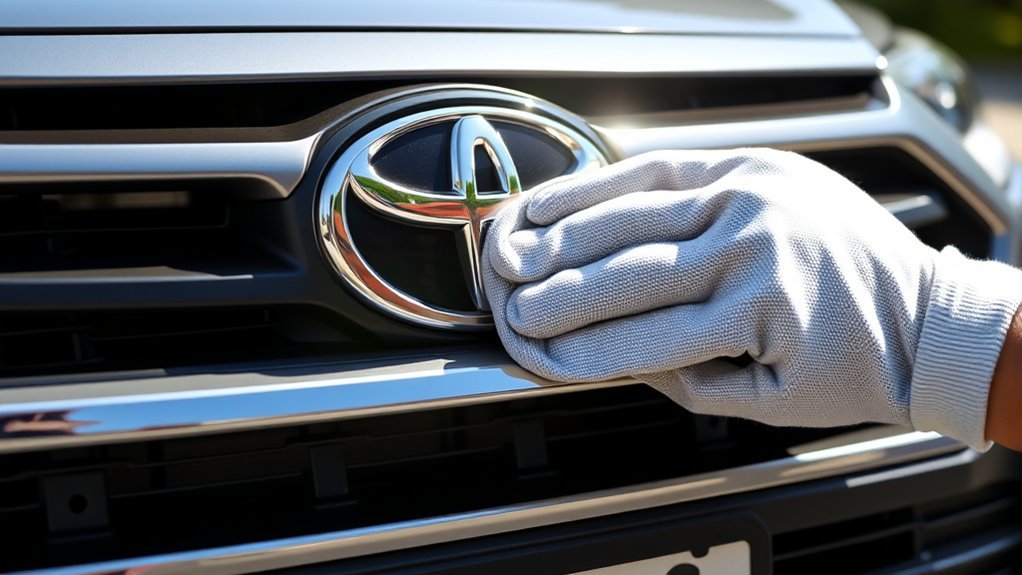
Your Toyota RAV4’s pre-collision sensor is a critical part of the vehicle’s safety system. It acts as your first line of defense against potential collisions. Using advanced radar technology, the sensor constantly monitors the distance and speed of vehicles or objects in front of you. This powers key features like adaptive cruise control and automatic emergency braking, both part of Toyota Safety Sense.
Regular cleaning and maintenance matter because dirt, debris, or ice can block the sensor’s view. When that happens, you may see warning messages or experience system malfunctions. Ignoring buildup can reduce the effectiveness of these safety features and put your driving safety at risk. Keeping the sensor clean helps your RAV4 stay ready to protect you and your passengers.
Locating Your Pre-Collision Sensor on the Toyota RAV4
Finding the pre-collision sensor on your Toyota RAV4 is simple once you know where to look. The radar sensor sits behind the front grille or emblem, just above the license plate area. There’s also a forward-facing camera near the rearview mirror inside the cabin. Both need to stay free of obstructions like dirt, snow, or ice for the system to work properly.
Check the sensor area regularly for any signs of misalignment or physical damage.
| Component | Location |
|---|---|
| Radar Sensor | Behind front grille/emblem |
| Camera | Near rearview mirror |
| Common Obstructions | Dirt, snow, ice |
| Maintenance Tip | Regularly check and clean sensors |
Knowing these locations makes cleaning and maintenance much easier.
How to Clean Your Pre-Collision Sensor
Cleaning your pre-collision sensor takes just a few minutes with the right materials. You’ll need a soft, lint-free cloth and a mild soap solution or plain water. Follow the steps below to safely remove dirt or debris without damaging the sensor. Regular cleaning helps the sensor perform well and extends the life of your vehicle’s safety features.
[Products Worth Considering]

Microfiber 16 x 12-inch cleaning cloth (24-pack); ideal for cleaning cars, trucks, boats, and more

Excellent Cleaning Performance: Our cloths are made of microfiber material, which has outstanding water absorption and oil absorption abilities; whether it's for household cleaning or car care, our towels can easily remove dirt, dust, and stains

Unparalleled Cleaning Performance: Our microfiber towels provide outstanding water absorption and adhesion; effortlessly absorb dirt and liquid, delivering exceptional cleaning results that will leave your car looking brand new
Cleaning Materials Required
Gather these cleaning materials before you start:
A soft microfiber cloth is ideal since it won’t scratch the sensor surface. Mix a mild soap solution with water. Do not use harsh chemicals or abrasive cleaners, as these can damage the sensor coating.
Make sure the vehicle is parked and turned off before cleaning. This prevents accidental sensor activation. After bad weather, inspect the sensor for dirt, debris, or ice. Gently clean around the area and confirm nothing is blocking the sensor’s line of sight. With the right materials, maintaining peak performance of your pre-collision sensor is straightforward.
Step-by-Step Cleaning Process
Start by finding your pre-collision sensor, typically behind the front emblem or grille on your Toyota RAV4. Then follow these steps:
- Mix water with a small amount of mild soap to create a gentle cleaning solution.
- Dampen a soft microfiber cloth with the solution. Do not soak it.
- Wipe the sensor area carefully, removing dirt and debris. Avoid pressing too hard on the surface.
Once you’re done, inspect the area for anything you may have missed. Make it a habit to clean the sensor after driving through bad weather or off-road conditions. This keeps it working as intended.
How Weather Affects Sensor Performance
Extreme weather can interfere with your pre-collision sensor more than most drivers realize. Heavy rain can scatter the radar signal, while snow and ice can physically block the sensor. Even road spray and salt buildup during winter months can coat the sensor surface and reduce its accuracy.
If you live in an area with harsh winters or frequent rain, plan to check and wipe the sensor more often. A quick look at the front grille area before you drive can save you from false warnings or temporary system shutdowns on the road.
What to Do When Cleaning Doesn’t Work: Troubleshooting Sensor Issues
Cleaning the pre-collision sensor fixes most visibility-related problems. But sometimes the issue goes deeper. Start by checking for obstructions like dirt or ice that may still be affecting the sensor. Next, look for misalignment. A sensor that’s been bumped or shifted can trigger persistent warnings, and it may need professional recalibration.
Scanning for Diagnostic Trouble Codes (DTCs) with an OBD-II scanner can also help pinpoint specific malfunctions.
| Step | Action | Notes |
|---|---|---|
| Check Obstructions | Inspect for dirt, snow, or ice | Clean if found |
| Inspect Alignment | Confirm sensor is properly aligned | Misalignment may cause warnings |
| Scan for DTC | Use a diagnostic tool | Identify specific issues |
| Consult Mechanic | Seek professional help if problems persist | Possible sensor damage or malfunction |
[Products Worth Considering]

WIDE COMPATIBILITY – Trusted by YouTube Star Scotty Kilmer. The AD410 OBD2 Scanner supports all 16PIN vehicles that comply with the OBDII protocol, including KWP2000, ISO9141, J1850 VPW, J1850 PWM, and CAN. This OBD2 code scanner compatible with 1996 US-based, 2000 EU-based and Asian cars, light trucks, SUVs, as well as newer OBD2 and CAN vehicles. Multilingual support (English, German, French, Spanish, etc.), this car code reader is ideal for international users. Check compatibility with your vehicle model before purchasing. !!! Powered directly from your vehicle's OBDII connector, this diagnostic tool doesn' t need a battery or charger.

Multi-Functions – Practical Multi-Functions OBD2 code reader features built-in OBD2 DTC lookup library, which help you to determine the cause of the engine light, read code, erase code, view freeze frame, I/M ready, vehicle information, data flow, real-time curve, get vehicle speed information, calculate load value, engine coolant temperature, get engine speed.

【Your Personal CEL Doctor – Read & Clear Engine Codes】The NT301 OBD2 scanner lets you read diagnostic trouble codes (DTCs), check em-issions readiness, turn off your Check Engine Light (CEL) or MIL, reset monitors, and view live data streams. It retrieves your vehicle's VIN instantly. Like all standard OBD2 scanners, it clears codes only after repairs are completed—if the issue persists, the code will return. Designed for DIYers who want to understand what’s really going on under the hood.
Maintaining Sensor Clarity in Rain and Snow
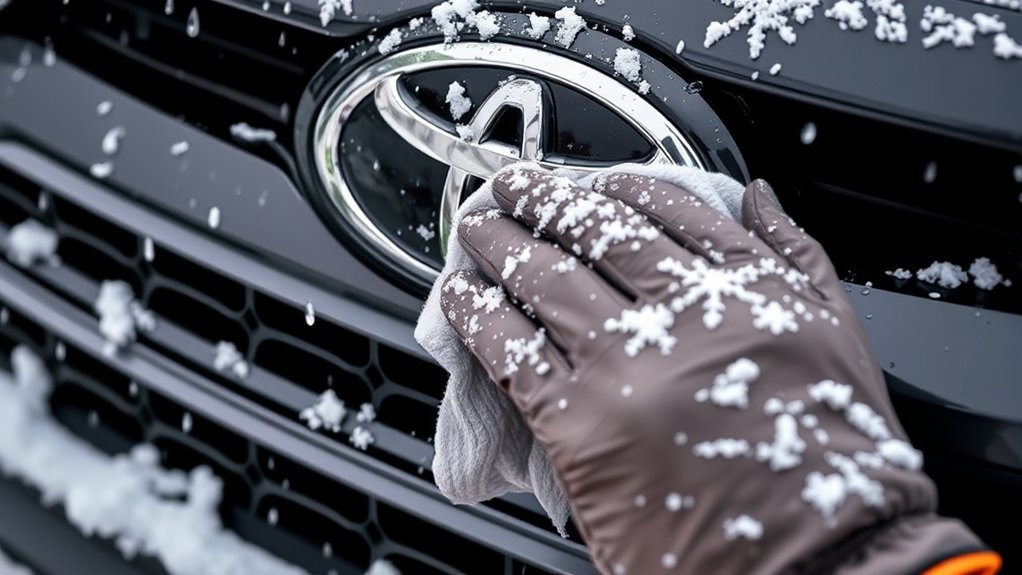
Keeping your pre-collision sensor clear in wet or snowy conditions is essential for reliable performance. Regular maintenance goes a long way during adverse weather.
- After driving in rain or snow, clean the sensor with a soft cloth and a mild cleaning solution.
- Check for snow buildup or slush and remove it right away to prevent sensor errors.
- Watch your vehicle’s warning indicators and do routine checks to make sure nothing is blocking the sensor.
When Should You Call a Mechanic About Sensor Issues?
A clean sensor is important, but some problems need a professional’s help. If you see persistent warning messages related to the pre-collision system after cleaning, schedule a visit with a mechanic for a proper diagnosis.
Other signs you should get professional help include adaptive cruise control behaving erratically or your vehicle accelerating unexpectedly. These malfunctions could point to a serious issue. If the pre-collision system keeps disabling itself during normal driving, that’s a red flag too.
Recent repairs like a windshield replacement can throw off the sensor’s calibration, so recalibration may be needed afterward. Don’t ignore unusual driving behavior or persistent warning lights. A qualified mechanic can make sure your safety features stay fully functional.
Resetting Warning Messages After Cleaning
Once you’ve cleaned the pre-collision sensor, you’ll want to reset any warning messages that popped up. Here’s how:
- Power cycle your vehicle: Turn off the ignition and wait about 30 seconds before restarting. This can clear temporary diagnostic trouble codes (DTCs).
- Drive a short distance: A brief drive lets the system recalibrate and confirm the sensor is clear.
- Scan for diagnostics: If warning messages stick around, use an OBD-II scanner to check for deeper issues that may need professional attention.
Preventative Measures for Optimal Sensor Functionality
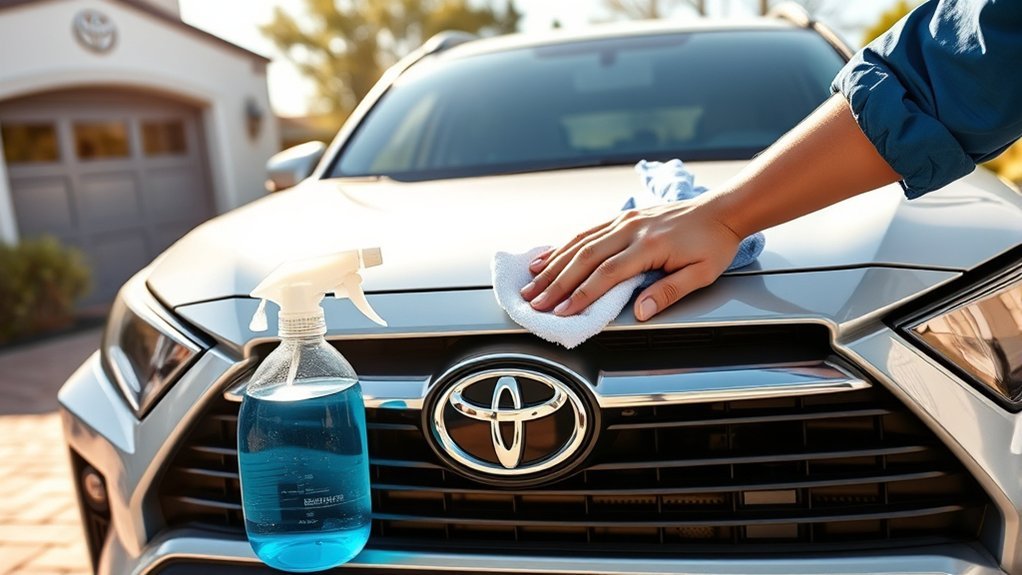
Pre-collision sensors are vital to your Toyota RAV4’s safety features, so regular upkeep is a must. Clean the front radar sensor and the camera area behind the windshield near the rearview mirror on a regular basis. Use a soft, lint-free cloth with a gentle cleaning solution.
Applying a water-repellent product like Rain-X to the sensor cover can help prevent moisture buildup that blocks performance. Make sure any exterior modifications, like aftermarket grille guards or covers, don’t block the sensor’s line of sight.
Finally, schedule routine check-ups with a qualified mechanic. Sensor calibration is especially important after windshield replacements or front-end repairs. Staying on top of maintenance keeps your vehicle’s safety systems working the way they should.
[Products Worth Considering]

🚘【Excellent Fit & Finish】Engineered fit 2023-2025 RAV4 XA50 Limited screen protector for 2023 RAV4 Hybrid 10.5 Inch media center screen, customized for 2023 oyota RAV4…
Frequently Asked Questions
Where Is the Pre-Collision Sensor Located in a Toyota RAV4?
The pre-collision radar sensor is behind the front grille, and the camera is near the rearview mirror. Regular vehicle maintenance keeps these safety features working properly and helps the collision detection system perform at its best.
How to Clean Pre-Collision Sensor on Toyota RAV4?
Gently wipe the sensor with a lint-free cloth and mild glass cleaner or soap and water. Proper sensor maintenance protects your Toyota’s safety features and keeps the sensor aligned. Regular cleaning prevents debris from building up.
How to Clean Sensors on Toyota RAV4?
Most vehicle accidents are preventable with properly maintained sensors. For your RAV4, clean all sensors regularly using gentle techniques and safe cleaning products. Following a simple maintenance checklist keeps your safety features running smoothly.
How to Reset Toyota Pre-Collision System?
Turn off your vehicle, wait about 30 seconds, then restart it. Check that the sensor is properly calibrated. If the warning light stays on, troubleshoot with an OBD-II scanner or consult a mechanic for a full safety system check.
Conclusion
Think of your pre-collision sensor like the windshield of your RAV4. Both need to be clear for safe driving. Just as a smudged windshield blocks your view, dirt on the sensor can cause false warnings or missed detections. Regular cleaning and basic maintenance keep the sensor responsive so you can drive with confidence. If problems continue after cleaning, get professional help. Your safety is worth it.




Leave a Reply