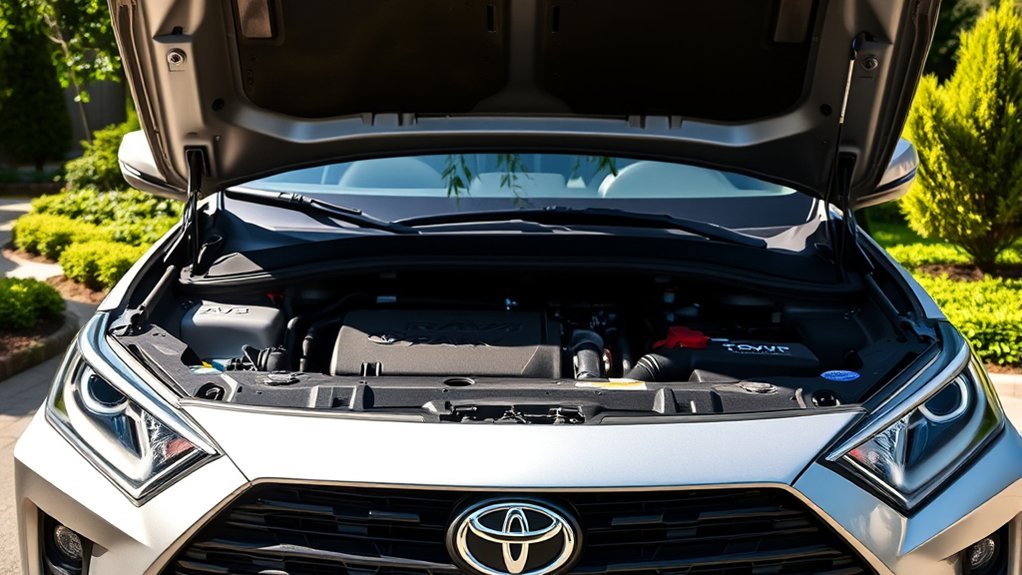
Toyota RAV4 Spark Plug Replacement Schedule: When to Change Them
What’s in This Article
- Understanding Spark Plugs: Their Role and Importance
- Signs You Need to Replace Your Spark Plugs
- When Should You Replace Your Spark Plugs?
- Choosing Between Iridium and Platinum Spark Plugs
- How Driving Conditions Affect Spark Plug Longevity
- Effective Maintenance Tips for Your Spark Plugs
- How to Replace Spark Plugs in Your RAV4
- Scheduling Your Toyota RAV4 Maintenance: What to Know
- Frequently Asked Questions
Worn spark plugs can make your Toyota RAV4 harder to start, rougher at idle, and less efficient on fuel. Most RAV4 owners should plan a spark plug change around 60,000 to 120,000 miles, based on model year, plug type, and driving conditions. This guide explains the signs, intervals, plug types, and replacement steps so you can keep your RAV4 running smoothly.
Quick Answer
You should usually replace Toyota RAV4 spark plugs every 100,000 to 120,000 miles if your model uses long-life iridium plugs. Some older models or platinum plugs may need replacement closer to 60,000 miles. Check your owner’s manual first, and replace them sooner if you notice misfires, rough idling, poor acceleration, or hard starts.
Key Takeaways
- Most Toyota RAV4 spark plugs last about 60,000 to 120,000 miles, based on plug type and model year.
- Iridium spark plugs usually last longer than platinum plugs and suit many modern RAV4 engines.
- Hard starting, rough idling, misfires, and poor fuel economy can point to worn spark plugs.
- Harsh driving, towing, dust, short trips, and long idling can shorten spark plug life.
- Your owner’s manual gives the safest replacement interval for your exact RAV4.
Understanding Spark Plugs: Their Role and Importance
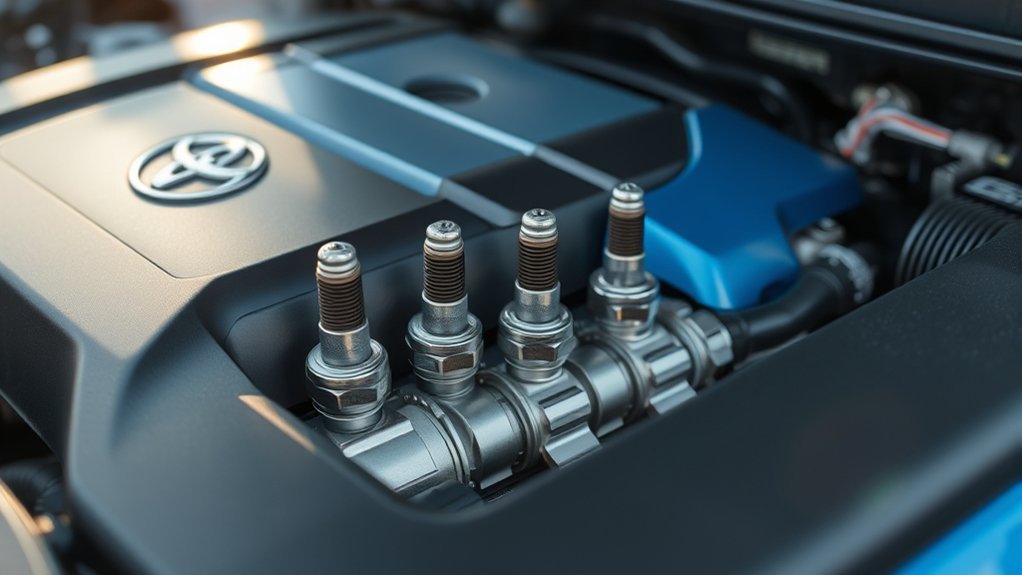
Spark plugs help your RAV4 engine start and run by igniting the air-fuel mixture inside each cylinder. When they fire at the right time, your engine feels smoother, starts faster, and uses fuel more efficiently.
Old or worn spark plugs can weaken that spark. Your engine may misfire, idle roughly, or lose power when you press the gas pedal. For most RAV4 models, the correct replacement schedule depends on the engine, model year, and plug material.
Many modern Toyota engines use long-life iridium plugs. These often last longer than standard or platinum plugs. Still, you should always follow your Toyota RAV4 owner’s manual because Toyota sets the interval for your exact vehicle.
Signs You Need to Replace Your Spark Plugs
Your RAV4 may give you clear warning signs before a spark plug fully fails. You might notice hard starts, rough idling, poor acceleration, or higher fuel use. The check engine light may also turn on if the engine starts to misfire.
Check Engine Light
A Check Engine light can mean many things, but worn spark plugs remain a common cause of misfire-related codes. You should not ignore the light, especially if the engine shakes or hesitates while driving.
Watch for these signs:
- Frequent stalling or hesitation while driving
- Higher fuel use than normal
- Rough idling or unusual engine sounds
- Poor acceleration and slow response
- Misfires that make the engine feel uneven
Warning: A flashing Check Engine light can point to an active misfire, so stop driving when safe and get the vehicle checked.
Difficulty Starting Vehicle
Hard starting can happen when spark plugs no longer create a strong spark. You may need longer cranking time, or the engine may start and then stumble.
Worn plugs can also cause rough startup, weak idle, and poor throttle response. If these symptoms happen often, inspect the plugs and ignition coils before the problem grows.
When Should You Replace Your Spark Plugs?
You should replace your Toyota RAV4 spark plugs based on the service interval in your owner’s manual. Many RAV4 models with iridium plugs use a long interval near 100,000 to 120,000 miles. Some older models or different plug types may need service closer to 60,000 miles.
Recommended Replacement Intervals
Use these general intervals as a starting point, then confirm them in your manual:
- Standard copper plugs may need replacement much sooner than modern long-life plugs.
- Platinum plugs often need replacement around 60,000 miles.
- Iridium plugs often last around 100,000 miles or more.
- Harsh driving can shorten any spark plug interval.
- Engine symptoms should matter more than mileage alone.
Don’t wait until a plug fails completely. A planned spark plug service can help protect fuel economy, starting, and long-term engine health.
Signs of Deterioration
Worn spark plugs often show up through daily driving symptoms. You may notice an illuminated Check Engine light, hard starting, frequent stalling, or rough idle.
Higher fuel use can also point to weak spark performance. Poor acceleration, engine shaking, and unusual sounds can mean the plugs need inspection.
Impact on Performance
Your spark plugs affect how cleanly your engine burns fuel. A weak spark can reduce power, increase fuel use, and make your RAV4 feel sluggish.
Replace worn plugs before they strain other ignition parts. Fresh plugs can restore smoother starts, steadier idle, and better engine response.
Choosing Between Iridium and Platinum Spark Plugs
Choosing the right spark plugs matters because Toyota engines often need a specific plug design. Many newer RAV4 models use iridium spark plugs because they last longer and create a strong spark with less wear.
Platinum spark plugs can work well in engines designed for them, but they usually do not last as long as iridium plugs. If your RAV4 came with iridium plugs, avoid switching to a cheaper type unless Toyota allows it for your engine.
Note: Always match the plug type, heat range, and gap listed for your exact RAV4 engine.
Using the wrong plug can cause poor performance or misfires. Your safest choice is the original equipment style listed in the owner’s manual or repair guide.
How Driving Conditions Affect Spark Plug Longevity

Your driving habits can shorten spark plug life. Stop-and-go traffic, short trips, long idling, towing, and dusty roads can make plugs wear or foul faster.
These conditions can affect plug life:
- Stop-and-go traffic can increase engine heat cycles and plug wear.
- Frequent towing can place more load on the engine.
- Dusty roads can increase contamination risk if filtration is poor.
- Long idling can allow carbon buildup on the plug tip.
- Extreme heat or cold can make starting and combustion harder.
If your RAV4 sees harsh use, inspect the plugs before the normal interval. Early checks can help you catch wear before it causes misfires.
Effective Maintenance Tips for Your Spark Plugs
Spark plugs need little routine care, but smart checks can protect your RAV4’s engine performance. Listen for rough idle, watch fuel economy, and note any hard starting.
If you drive in harsh conditions, check the plugs and ignition coils more often. Also inspect the coil boots for cracks, oil, or carbon tracking when you remove them.
Be careful with anti-seize compound. Some spark plug makers coat plug threads and warn against adding anti-seize because it can affect torque. Follow the plug maker’s instructions before you apply anything to the threads.
Pro tip: Take a photo of each old plug before removal so you can compare wear patterns later.
How to Replace Spark Plugs in Your RAV4
Replacing the spark plugs in your Toyota RAV4 can improve starting, idle quality, and power. Many owners can do the job at home, but you need the right tools and torque specs.
Estimated time: About 1 to 2 hours, depending on your engine and experience.
What You’ll Need
- Correct replacement spark plugs for your RAV4 engine
- Spark plug socket and ratchet
- Socket extension
- Torque wrench
- Ignition coil socket or basic hand tools
- Compressed air or a clean brush
- Dielectric grease for coil boots, if recommended
Replacement Steps
- Park safely: Turn off the engine, let it cool, and disconnect the negative battery cable.
- Remove covers: Take off the engine cover if it blocks access to the ignition coils.
- Disconnect coils: Unplug each ignition coil connector and remove the coil bolts.
- Clean the area: Blow or brush dirt away from each plug well before removal.
- Remove old plugs: Use a spark plug socket to loosen and lift out each plug.
- Inspect old plugs: Check for oil, heavy carbon, cracked tips, or uneven wear.
- Install new plugs: Thread each plug by hand first to avoid cross-threading.
- Torque correctly: Tighten each plug to the specification for your exact engine.
- Reinstall coils: Refit the ignition coils, connectors, engine cover, and battery cable.
- Test the engine: Start the RAV4 and listen for smooth idle and steady operation.
Do not guess the torque value. Too much force can damage cylinder head threads, while too little can cause leaks or loose plugs.
Scheduling Your Toyota RAV4 Maintenance: What to Know

Regular maintenance helps your RAV4 stay reliable. Many owners follow service visits every 5,000 miles or six months for basics like tire rotation, fluid checks, and inspections.
Spark plugs usually appear at a much longer service interval. Depending on your model year and plug type, that interval may fall near 60,000, 100,000, or 120,000 miles.
Check the maintenance schedule for your exact RAV4. If you notice misfires, rough idle, or hard starts, inspect the plugs sooner than the mileage interval.
Frequently Asked Questions
How Much Does It Cost to Replace Spark Plugs in a Toyota RAV4?
Replacing spark plugs in a Toyota RAV4 often costs less if you do the work yourself. A shop may charge more because labor varies by engine layout, location, and local rates.
How Often Does Toyota Recommend Changing Spark Plugs?
Toyota’s interval depends on the RAV4 model year, engine, and plug type. Many modern RAV4 models with iridium plugs use a long interval near 100,000 to 120,000 miles, but your owner’s manual gives the correct number.
Do I Really Need to Change My Spark Plugs at 100,000 Miles?
You should change them near the scheduled interval if your manual calls for it. Waiting too long can cause misfires, hard starts, poor fuel economy, and extra strain on ignition coils.
What Is the Maintenance Schedule for a Toyota RAV4?
Your Toyota RAV4 maintenance schedule depends on the model year and driving conditions. Basic service often happens every 5,000 miles or six months, while spark plugs usually come later at a major mileage interval.
Can Bad Spark Plugs Damage a Toyota RAV4 Engine?
Bad spark plugs can cause misfires and poor combustion. If you ignore the issue, unburned fuel and repeated misfires can harm other parts, including the catalytic converter.
Conclusion
Your Toyota RAV4 spark plugs should be replaced on the schedule listed for your exact model, not by guesswork. Check your owner’s manual, watch for rough idle or hard starting, and inspect the plugs sooner if you drive in harsh conditions.
Fresh plugs help your engine start cleanly, idle smoothly, and respond better when you accelerate. Stay ahead of spark plug wear, and your RAV4 can keep delivering steady performance mile after mile.