How Many Miles Out Of A Toyota RAV4 Sport? Toyota RAV4 Specs
What’s in This Article
- How Long Can You Expect a Toyota RAV4 Sport to Last?
- Which Toyota RAV4 Sport Models Does This Guide Cover?
- Essential Factors That Maximize RAV4 Sport Longevity
- Driving Conditions Impacting RAV4 Mileage
- Performance Comparison of RAV4 Sport’s Engine Options: 4-Cylinder vs. V6
- Top Maintenance Tips for RAV4 Longevity
- How to Tell If Your RAV4 Sport Needs Quick Care?
- What RAV4 Sport Owners Say About Longevity
- Comparing RAV4 Sport to Other Toyota Models in Longevity
- Signs Your RAV4 Sport Needs Immediate Attention?
- Tips for Extending the Life of Your Toyota RAV4 Sport
- Frequently Asked Questions
Your Toyota RAV4 Sport can last a long time, but mileage does not happen by luck. With proper maintenance, many RAV4 Sport models can reach about 200,000 to 250,000 miles. Some owners report even higher mileage, but those results depend on service history, driving habits, rust control, and repair quality.
Quick Answer
A Toyota RAV4 Sport can often last 200,000 to 250,000 miles when you follow the owner’s manual, fix small issues early, and use quality parts. High-mile examples can pass 300,000 miles, but you should treat that as a strong result, not a promise. Your service history matters more than the badge on the rear hatch.
Key Takeaways
- A well-maintained RAV4 Sport can often reach 200,000 to 250,000 miles.
- Service records matter more than mileage alone when you buy a used RAV4 Sport.
- Short trips, towing, heat, road salt, and rough roads can shorten the vehicle’s life.
- The V6 gives stronger power and towing ability, but the four-cylinder usually costs less to fuel.
- Warning lights, leaks, brake issues, and new noises need fast attention.
How Long Can You Expect a Toyota RAV4 Sport to Last?
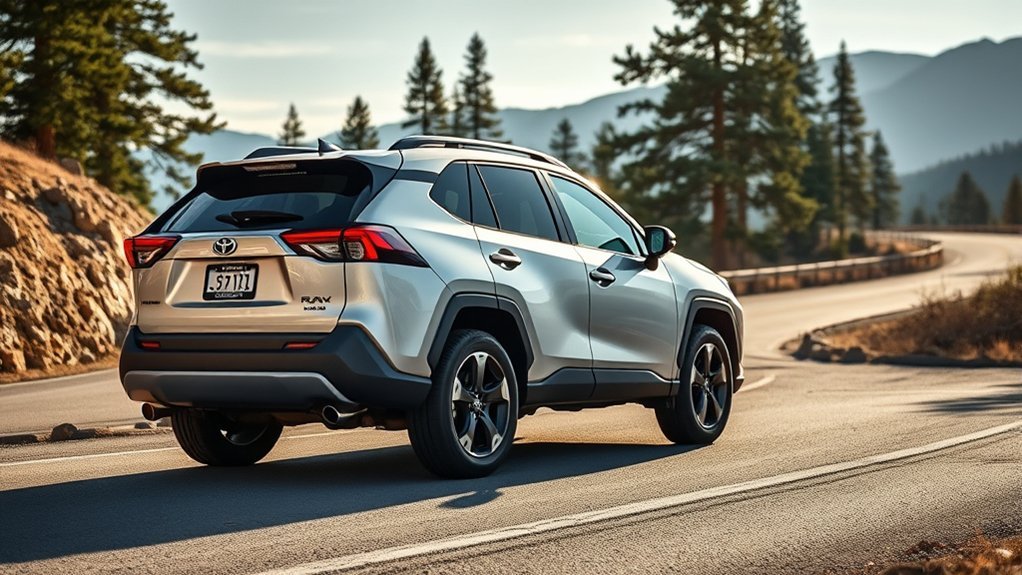
You can expect a Toyota RAV4 Sport to last about 200,000 to 250,000 miles with steady care. Toyota’s broader reliability record supports that target, and long-life vehicle studies often rank Toyota models well for high-mileage use.
Some owners report RAV4 models passing 300,000 miles. Treat those stories as helpful examples, not a guarantee. A RAV4 that gets oil changes, fluid checks, tire rotations, brake service, and prompt repairs has a much better chance of reaching high mileage.
Your driving style also matters. Smooth acceleration, calm braking, and warm engine operation reduce stress on the engine, transmission, brakes, and suspension. Rough roads, heavy loads, and skipped service can shorten the life of any RAV4 Sport.
Which Toyota RAV4 Sport Models Does This Guide Cover?
This guide mainly applies to older Toyota RAV4 Sport models, especially third-generation RAV4 models sold with four-cylinder and V6 engine choices. These are the versions most buyers mean when they ask about a RAV4 Sport lifespan.
Toyota sold different trims and engine choices by market and model year. Always check your owner’s manual, vehicle identification number (VIN), and service records before you rely on any general maintenance or towing advice.
If you own a newer RAV4 with a sport-style package or appearance trim, use this article for general longevity guidance only. Your exact service intervals, oil type, towing limit, and dashboard systems may differ.
Essential Factors That Maximize RAV4 Sport Longevity
To help your Toyota RAV4 Sport last as long as possible, focus on three habits: regular service, quality parts, and calm driving. These simple choices can prevent many expensive problems before they start.
You should also keep records for every service visit and repair. A clear service history helps you track patterns, spot missed work, and support resale value.
Regular Maintenance Schedule
Follow the manufacturer’s maintenance schedule in your owner’s manual. Many RAV4 schedules call for service visits every 5,000 miles or six months, while oil change timing can vary by engine, oil type, and driving use.
If you tow, drive short trips, sit in traffic, or use dusty roads, your RAV4 may need more frequent service. Ask a trusted mechanic to apply the severe-use schedule when your driving pattern fits those conditions.
Routine service should include oil and filter checks, tire rotations, brake inspections, fluid checks, belt checks, and filter replacement when needed. Small service work costs far less than engine or transmission repair.
Quality Parts Usage
Use quality parts when you repair your Toyota RAV4 Sport. Good filters, fluids, brake parts, belts, hoses, and ignition parts help protect the systems that decide long-term reliability.
Original equipment manufacturer (OEM) parts can help maintain factory fit and performance. Good aftermarket parts can also work well, but cheap or incorrect parts may create new problems.
Keep a record of parts, fluids, and repair dates. This simple habit helps your mechanic find issues faster during future service.
Driving Habits Impact
Your driving habits can add or remove years from your RAV4 Sport’s life. Gentle acceleration and steady braking reduce stress on the engine, transmission, brakes, tires, and suspension.
Avoid frequent short trips when you can. Short drives may stop the engine from reaching full operating temperature, which can increase moisture and fuel dilution in the oil.
Check tire pressure, rotate your tires, and avoid loads beyond Toyota’s rated limits. These habits help protect the drivetrain, steering, brakes, and suspension.
Driving Conditions Impacting RAV4 Mileage
Driving conditions shape how long your Toyota RAV4 Sport lasts. Long, steady highway drives usually create less wear than short stop-and-go city trips.
Rough roads, potholes, gravel, and off-road use can wear suspension parts, tires, wheel bearings, and underbody parts faster. Heat, snow, road salt, and heavy rain can also affect corrosion, fluids, rubber parts, and electrical connections.
You can reduce that wear with regular inspections. Ask your mechanic to check the underbody, brakes, suspension, tires, and fluids if you drive in harsh conditions.
Performance Comparison of RAV4 Sport’s Engine Options: 4-Cylinder vs. V6

The Toyota RAV4 Sport’s four-cylinder and V6 options suit different drivers. The four-cylinder gives you simpler daily driving and better fuel economy. The V6 gives you stronger acceleration and better towing ability when properly equipped.
| Engine | Power | Transmission | EPA Fuel Economy Context | Best For |
|---|---|---|---|---|
| 2.5L four-cylinder | 179 hp | 4-speed automatic | Up to 21 city / 28 highway mpg on 2012 2WD models | Daily driving and lower fuel use |
| 3.5L V6 | 269 hp | 5-speed automatic | About 19 city / 26 highway mpg on 2012 models | Stronger acceleration and towing |
Engine Power Output Comparison
The 2.5-liter four-cylinder engine makes 179 horsepower. It works well for commuting, errands, and normal highway driving.
The 3.5-liter V6 engine makes 269 horsepower. It feels stronger when you merge, climb hills, carry passengers, or tow within the rated limit.
Both engines can last well with proper care. The best choice depends on how you drive, what you carry, and how much fuel cost matters to you.
Fuel Efficiency Analysis
The United States government fuel economy database lists the 2012 RAV4 2WD four-cylinder at 21 mpg city and 28 mpg highway. The 4WD four-cylinder version lists 21 mpg city and 27 mpg highway.
The 2012 V6 lists about 19 mpg city and 26 mpg highway. That means the V6 gives you more power, but it usually uses more fuel in daily driving.
If you drive mostly in town, the four-cylinder may suit you better. If you tow, carry more weight, or want stronger passing power, the V6 may feel worth the fuel tradeoff.
Performance Under Load
Load changes how a RAV4 Sport feels. Extra weight makes the engine, transmission, brakes, tires, and cooling system work harder.
- The four-cylinder usually suits light cargo and normal passenger use.
- The V6 gives stronger acceleration with passengers or cargo.
- Properly equipped V6 models can tow up to 3,500 pounds.
- Four-cylinder models commonly have a lower tow rating, often about 1,500 pounds.
Check your exact owner’s manual before towing. A tow package, drivetrain, market, and model year can change the limit.
Top Maintenance Tips for RAV4 Longevity
Regular maintenance gives your Toyota RAV4 Sport the best chance to reach high mileage. Start with the owner’s manual, then adjust your service plan for your driving conditions.
Check oil level, coolant, brake fluid, transmission fluid, belts, hoses, tires, brakes, and lights on a set schedule. Fix leaks early, because low fluid can damage major parts fast.
Use the correct oil grade and fluid type for your exact engine. Also keep maintenance receipts, since they help you prove care and spot missed work later.
How to Tell If Your RAV4 Sport Needs Quick Care?
Your RAV4 Sport will often warn you before a small issue becomes a major repair. Watch for warning lights, leaks, smells, vibrations, noises, and changes in braking or steering.
Do not keep driving if the vehicle feels unsafe. Pull over when it’s safe, check the owner’s manual, and call a mechanic or roadside help when needed.
Warning: Stop driving and get help if you notice brake failure, overheating, heavy smoke, major fluid loss, or a flashing check engine light.
Dashboard Warning Lights
Your Toyota RAV4 Sport uses dashboard warning lights to alert you to possible problems. When a warning light appears, check the owner’s manual and act quickly.
- Check Engine Light: Signals an engine or emissions system issue that needs diagnosis.
- Tire Pressure Monitoring System (TPMS) Light: Warns you about low tire pressure or a sensor issue.
- Battery Warning Light: Points to a charging system or battery problem.
- Brake Warning Light: May signal low brake fluid, parking brake status, or brake system trouble.
Ignoring warning lights can turn a small repair into a major failure. Schedule service soon, especially if the light flashes or the vehicle drives poorly.
Unusual Driving Sensations
Your senses can catch issues before warning lights appear. Vibrations, pulling, shaking, soft brakes, delayed shifting, or strange smells all deserve attention.
Unresponsive steering can point to suspension, steering, tire, or alignment issues. Grinding or knocking sounds may signal brake, engine, wheel bearing, or drivetrain problems.
A sudden drop in power also needs quick diagnosis. Early service can protect the engine, transmission, and catalytic converter from more damage.
What RAV4 Sport Owners Say About Longevity
RAV4 Sport owners often praise the model for durability, simple utility, and long-term value. Many owner reports mention 200,000-plus miles with regular service and timely repairs.
You should still treat owner reports as personal experiences. Mileage alone does not tell you if a used RAV4 Sport is healthy.
- Strong service records support high-mile ownership.
- Routine oil and fluid service helps protect the engine and transmission.
- Rust inspection matters in snow-belt or coastal areas.
- Gentle driving can reduce wear on brakes, tires, and suspension.
A well-kept RAV4 Sport can serve you for years. A neglected one can become costly even with lower mileage.
Comparing RAV4 Sport to Other Toyota Models in Longevity

The Toyota RAV4 Sport fits Toyota’s wider reputation for durability, but it does not always rank at the top of Toyota’s longest-lasting models. Larger Toyota SUVs often perform very well in 250,000-mile longevity studies.
That does not make the RAV4 Sport a weak choice. It remains a practical compact SUV with strong long-term potential when you maintain it well.
Compare each used Toyota by condition, not only by model name. A clean RAV4 Sport with service records can make a smarter buy than a poorly maintained model with a stronger reputation.
Signs Your RAV4 Sport Needs Immediate Attention?
Your Toyota RAV4 Sport can serve you well for years, but you need to act fast when safety or drivability changes. Watch for these signs:
- Dashboard warning lights: A light can signal engine, brake, tire, battery, or safety system trouble.
- Unusual sounds: Grinding, knocking, squealing, or clunking can point to serious wear.
- Lower engine performance: Hesitation, stalling, rough idle, or weak acceleration needs diagnosis.
- Fluid leaks: Oil, coolant, brake fluid, or transmission fluid leaks can cause major damage.
- Brake changes: A soft pedal, vibration, pulling, or longer stops can signal a safety issue.
Tips for Extending the Life of Your Toyota RAV4 Sport
Use your owner’s manual as your maintenance baseline. Then make the schedule stricter if you tow, drive short trips, sit in traffic, or face extreme heat, cold, salt, or dust.
Keep your fuel level from staying near empty for long periods. A very low tank can make the fuel pump work harder and may pull debris from the bottom of the tank.
Wash the underbody after winter salt exposure. Rust can damage brake lines, suspension mounts, exhaust parts, and body structure.
Most of all, fix small issues early. A small leak, old belt, weak battery, or worn tire can create bigger trouble if you wait too long.
Frequently Asked Questions
How Many Miles Will a Toyota RAV4 Last?
A Toyota RAV4 can often last 200,000 to 250,000 miles with proper care. Some examples go farther, but maintenance history, rust, driving style, and repair quality decide the final result.
Which Year to Stay Away From RAV4?
Do not reject a RAV4 by year alone. Some early 2000s models have owner-reported engine control module and transmission concerns, and some 2019 models have transmission-related complaints on NHTSA’s complaint database. Check the VIN, recalls, service records, inspection report, and test drive results before you buy.
What Toyota Has the Longest Life Expectancy?
Toyota SUVs such as the Sequoia often rank very high in longevity studies that measure the chance of reaching 250,000 miles. Smaller Toyota models like the RAV4, Corolla, Camry, and Prius can also last a long time when owners maintain them well.
What Is the Weakness of the Toyota RAV4?
Common weak points depend on the model year, mileage, and service history. On older RAV4 Sport models, you should check for rust, oil leaks, suspension wear, transmission behavior, brake condition, and past recall work.
Vehicle Safety Disclaimer: This article is for informational purposes only and does not replace a professional inspection or repair advice. Always consult a qualified mechanic before you drive a vehicle with warning lights, brake issues, leaks, overheating, or unsafe handling.
Conclusion
A Toyota RAV4 Sport can last a long time when you give it steady care. Follow the owner’s manual, fix small issues early, and pay attention to warning signs before they grow into major repairs.
If you plan to buy one used, focus on service records, rust condition, fluid leaks, and a clean test drive. Choose the best-maintained example you can find, and your RAV4 Sport can stay useful for many miles ahead.
References
- The Toyota RAV4: Canada’s popular home-grown compact SUV — Toyota Canada, 2012
- 2012 Toyota RAV4 fuel economy — FuelEconomy.gov, U.S. Department of Energy and U.S. Environmental Protection Agency
- 2012 Toyota RAV4 owner manuals and warranty information — Toyota Owners
- Longest-lasting cars study — iSeeCars, 2025
- 2019 Toyota RAV4 complaints database — National Highway Traffic Safety Administration