20″ Fat E-Bike Tires Review
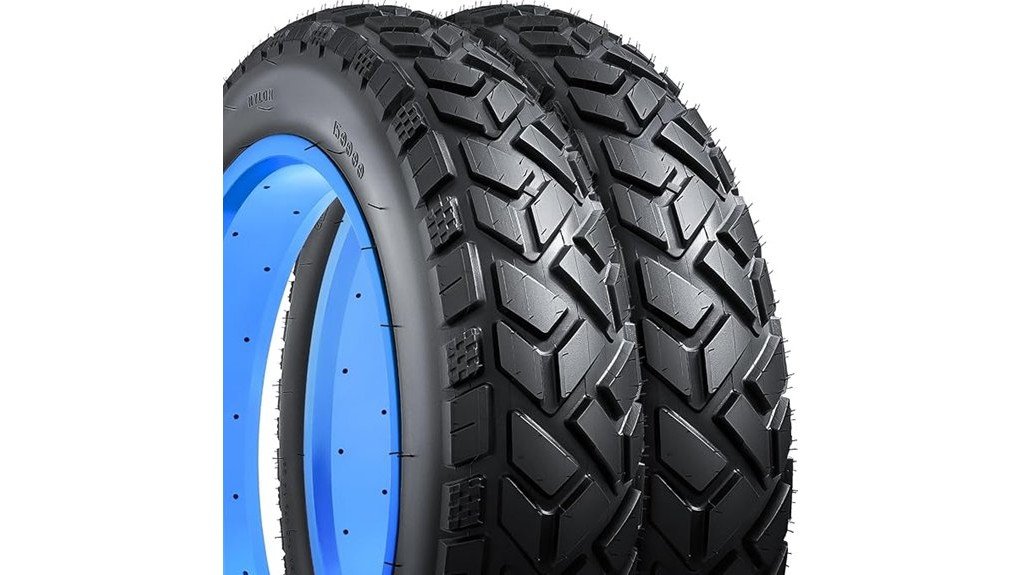
Ride feel depends on width, a 20×4 tire at 20 PSI (140 kPa / 1.4 bar) adds stability and air volume for commutes and mixed trails, while 20×3 feels slimmer and can feel nimbler. Which fits? Check rim compatibility: use 20×4.0 or 20×3.0 sizing. An all-terrain directional tread improves grip on pavement and loose dirt. Install by seating the bead evenly and inspecting for wire issues. Key takeaways: start near 20 PSI, avoid overloads, store flat. There’s more to compare.
Key Takeaways
- Review 20×4 fat e-bike tires for stability, comfort, and improved shock absorption on mixed pavement and trails.
- Compare 20×4 vs 20×3: 20×4 adds air volume and steadiness, while 20×3 feels slimmer and more nimble.
- Assess tread patterns and traction: directional all-terrain designs improve cornering, braking, and control on loose surfaces.
- Check tire PSI setup: around 20 PSI (140 kPa / 1.4 bar) balances ride feel and protects tire structure.
- Confirm rim compatibility, and follow install best practices to ensure even bead seating, durability, and warranty coverage.
Ride Feel, Comfort, and Terrain Limits
Fit and ride quality depend on tire size and pressure. With 20×4-inch fat tires, inflated to 20 PSI, the rider gets balanced cushioning for smoother commutes and trails.
Comfort levels stay steady because the wide 4-inch footprint spreads load, reducing harsh hits.
What terrain can they handle? Their all-terrain directional tread and block pattern target mixed surfaces, from gravel paths to light off-road.
Buyers should stay within practical limits, avoiding extreme overloads and rough abuse, to protect the tire’s soft wire and folded structure.
Takeaways
- 20×4 dimensions, 20 PSI base
- Improved ride quality and comfort levels
- Best for mixed roads, trails, and light off-road
Choose 20X4 Vs 20X3 for Your E-Bike
Which one fits the riding style, 20×4 or 20×3?
Riders choose based on goals, terrain mix, and comfort needs. A 20×4 tire generally adds stability and more air volume, which supports tire performance across mixed surfaces.
Riders choose based on goals, terrain mix, and comfort needs; a 20×4 tire adds stability and more air volume for mixed-surface performance.
A 20×3 tire keeps things slimmer, often giving a steadier feel on faster mixed rides. Buyers should also consider weight difference, since wider tires typically weigh more and can affect acceleration.
Fit first matters, since the rims must match 20×4.0 or 20×3.0 e-bike sizing.
- Priority: stability with 20×4
- Priority: nimble handling with 20×3
- Check: rim and size compatibility
- Weigh: tire performance vs weight difference
Traction and Tread Pattern: Road vs Off-Road
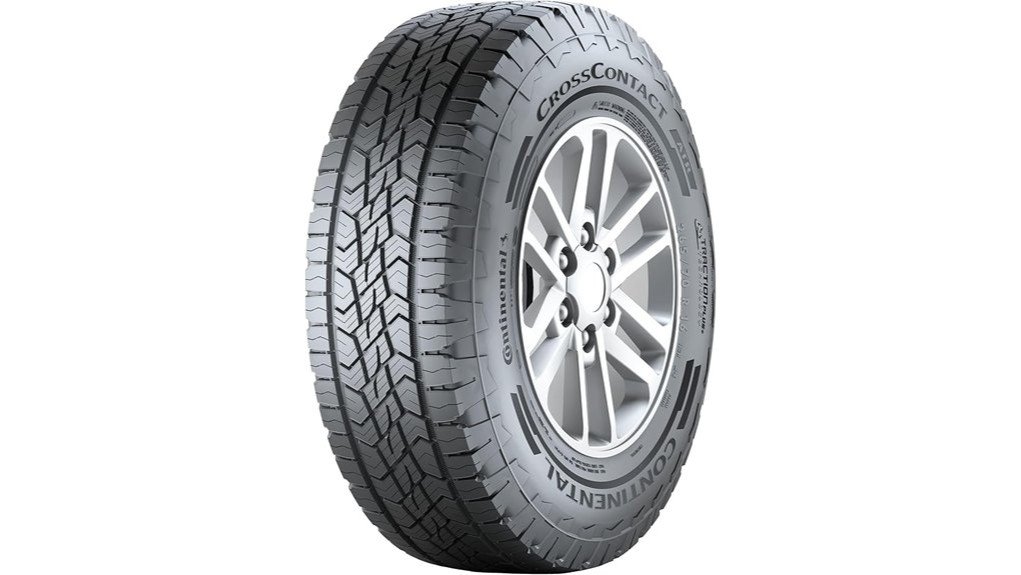
When comparing traction and tread pattern for 20″ fat e-bike tires, the key difference is how the all-terrain directional tread and block-shaped grain engage the surface.
On paved roads, those blocks help the tire bite in turns and under braking, boosting tire performance without forcing harsh feel.
Off-road, directional grooves clear loose dirt and help prevent wandering, so riders get steadier grip in snow, sand, and trail ruts.
For buyer value, tread durability matters: consistent block contact spreads wear, and the tread’s design supports longer service across mixed terrain.
Quick takeaways
- Road: strong cornering and braking traction
- Off-road: better control in loose surfaces
- Look for good tread durability for mixed riding
How to Install + Set the Right PSI
Install and set PSI correctly first, because the tire is designed to run at 20 P.S.I (140 KPA / 1.4 BAR) for a 20×4 or 20×3 fat e-bike setup.
Set PSI to 20 (140 kPa / 1.4 bar) for proper 20×4/20×3 fat e-bike tire performance.
For installation tips, the buyer should align the 20-inch tire on a clean rim, then check the steel wire lip for bends or damage.
For pressure settings, they should use a reliable gauge, start at 20 P.S.I, and fine-tune only within safe limits for comfort and grip.
- Confirm rim is burr-free before fitting
- Seat bead evenly, then inflate gradually
- Recheck PSI after short rolling
- Match PSI to rider weight and conditions
Storage, Durability Tips, and 365-Day Warranty
Storage solutions + durability maintenance
- Store unfolded or lightly folded in breathable bags
- Avoid sharp bends, chemicals, and moisture
- Inspect for steel-wire bends before use
Warranty
They include a 365-day warranty against manufacturing defects.
Frequently Asked Questions
Are These Tires Compatible With Any 20-Inch Fat Bike Rim?
Yes, these tires are broadly compatible with many 20-inch fat bike rims, but the fit depends on rim width.
They’re sized for 20×4.0 (and mention 20×3.0) fat setups, and they’re designed to run at about 20 PSI for grip and control.
Buyer guidance: confirm the rim matches a fat-bike width that supports 4.0 tires, then inspect the rim and tire lip before mounting.
- Match rim width to 4.0 tires
- Inflate to 20 PSI before riding
- Check for rim burrs and tire wire damage
Do They Include Inner Tubes, or Are Tubes Sold Separately?
Do they include inner tubes?
They do not list inner tubes as included. The package includes two 20 x 4.0 fat bike tires****.
So buyers should plan to purchase inner tubes separately if using a tube setup.
Buyer guidance
- Check tire type, 20 x 4.0 or 20 x 3.0 fitment needs.
- For tire installation, have valves and tubes ready.
- For puncture repair, stocking tubes can reduce downtime.
What’s the Maximum Rider Weight These Tires Safely Support?
These tires’ safe maximum rider weight is not stated in the provided specs, but correct tire pressure (about 20 P.S.I.) and proper weight distribution are key to staying within design limits.
For buyer guidance, riders should follow the e-bike manufacturer’s max load for 20×4 or 20×3 rims, since tire load ratings vary by tire construction.
Use caution on extreme off-road and avoid overloading.
Takeaways
- No explicit max rider weight listed
- Set tire pressure to spec
- Match e-bike max load capacity
Will They Work on Wet Pavement and Prevent Slipping?
Yes, they can help on wet conditions, but no tire guarantees zero slipping.
The all-terrain directional tread and block-shaped grain pattern are built for tire traction on mixed surfaces. For the best grip on wet pavement, the rider should keep the tire at 20 PSI (140 KPA/1.4 BAR) and avoid hard braking on slick sections.
Buyer takeaways
- Fit: 20 x 4.0 or 20 x 3.0
- Tread: directional, blocks for grip
- Key: correct inflation for tire traction
How Do I Tell if the Tire Needs Replacement After Wear?
Tire replacement is needed when clear signs appear.
Check tread depth: if the block pattern is worn smooth or noticeably thinner, grip drops for wet, dirt, and snow.
Inspect sidewall cracks, especially near the rim edge; any splitting or fraying means don’t keep riding.
Also watch for bulges, repeated flats, or the tire folding or unseating easily.
Confirm fit for 20×4.0 or 20×3.0 bikes.
- Replace for worn tread depth
- Replace for sidewall cracks or bulges
- Replace after repeated flats
Conclusion
Conclusion (Quick Buyer Takeaway)
These 20″ fat e-bike tires (20 x 4.0 or 20 x 3.0) balance comfort and control for mixed terrain, with an all-terrain directional tread for paved and loose surfaces. At about 20 PSI, riders get responsive handling without sacrificing ride quality. Choose 20×4 for softer, grippier feel, and 20×3 for slightly lighter, quicker response. With soft-wire setup and a 365-day warranty, they’re practical upgrades for daily trails.
Takeaway bullets:
- Best matched to fat e-bike and light off-road use
- Recommended pressure: ~20 PSI
- Sizes: 20×4.0 vs 20×3.0 for different ride feel