
The emissions system in your Toyota Supra is essential for minimizing harmful pollutants and complying with regulations. It includes components like catalytic converters, oxygen sensors, and EGR systems. Understanding how these parts work can improve your vehicle’s efficiency and emissions performance. You’ll need specific drive cycles to pass emissions tests effectively. Regular maintenance is important to prevent issues. Explore how to troubleshoot common emissions problems and upgrade components for enhanced performance.
Understanding the Emissions System in the Toyota Supra
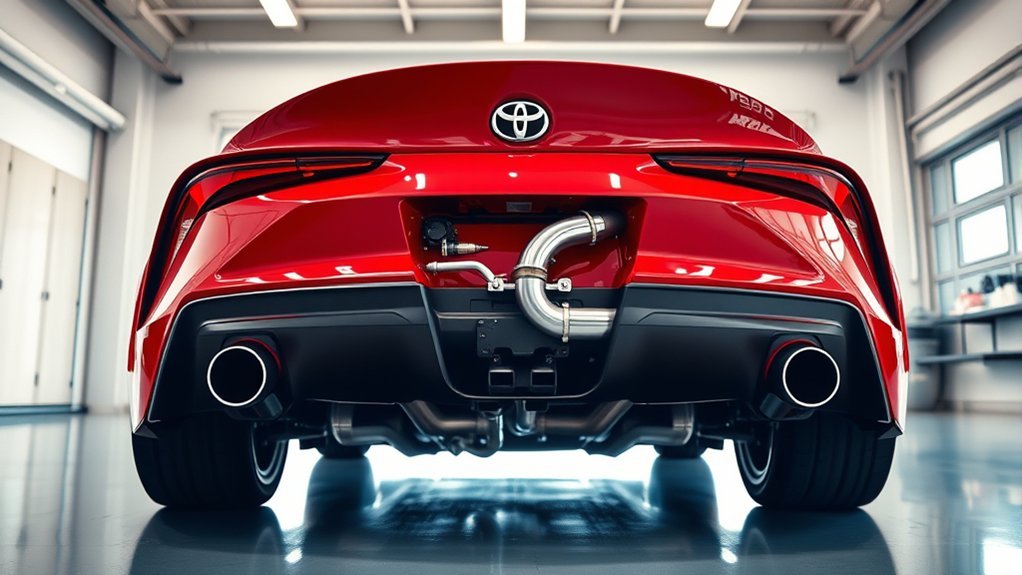
Understanding the emissions system in your Toyota Supra is essential for maintaining its performance and meeting environmental standards. The system consists of critical components like the catalytic converter, oxygen sensors, and the evaporative emissions control system. These elements work in unison to minimize harmful emissions, guaranteeing compliance with regulations.
When you take your Supra for a test drive, you’ll need to take into account specific drive cycles, especially for models from 1996 to 2002. The EGR monitor requires idling for 10 minutes, followed by steady driving between 43-56 mph for 3-5 minutes. For oxygen sensor monitoring, maintain a speed above 25 mph for at least 50 seconds, repeating this process for ten cycles. Additionally, the evaporative monitor mandates a cold soak period of 8 hours, coupled with precise temperature and fuel level conditions. Understanding these requirements empowers you to guarantee your Supra operates efficiently and sustainably.
Passing Emissions Tests: Drive Cycles
To pass emissions tests, it is crucial to follow specific drive cycles tailored to your Toyota Supra’s emissions system. Adhering to emissions regulations means understanding the required monitoring systems and their testing procedures. For the EGR monitor, idle your vehicle for 10 minutes if the intake air temperature (IAT) is below 50°F, then drive steadily between 43-56 mph for 3-5 minutes. The catalyst drive cycle necessitates engine coolant temperatures above 176°F, followed by a steady drive at 40-55 mph for 3-7 minutes. Verify your fuel level is between 1/2 and 3/4 full for the evaporative monitor, with a cold soak of 8 hours. Finally, for the oxygen sensor, maintain a speed above 25 mph for at least 50 seconds, allowing 2 minutes of idling before driving at 40-70 mph for 3 minutes. By meticulously following these steps, you’ll optimize your chances of passing emissions tests.
Key Components: Catalytic Converters and Their Function
Catalytic converters are essential components in the Toyota Supra’s emissions system, playing a significant role in reducing harmful pollutants. They convert toxic gases like carbon monoxide and hydrocarbons into less harmful substances, such as carbon dioxide and water vapor, through a chemical reaction. The Supra features advanced catalytic converter types, particularly in models from 1996 to 2002, which work in tandem with air-fuel sensors to enhance combustion and lower emissions.
For peak performance, the exhaust temperature must exceed 400°F (204°C). However, the lifespan of your catalytic converter can vary based on fuel quality and engine health, with replacements typically needed after 100,000 to 150,000 miles. Replacement costs can be significant, so addressing any issues early can enhance your vehicle’s performance and emissions efficiency. A malfunctioning converter may trigger the check engine light and lead to increased emissions, impacting your vehicle’s compliance with emissions testing.
How Oxygen Sensors Impact Emissions Control Efficiency
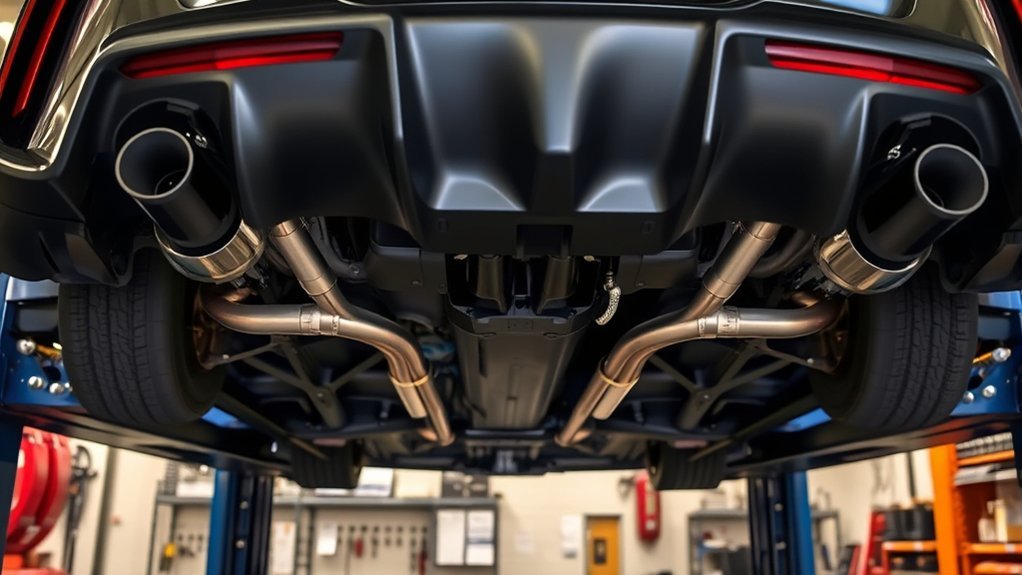
Oxygen sensors play an essential role in enhancing your Toyota Supra’s emissions control system by continuously monitoring the oxygen levels in the exhaust gases. These sensors adjust the air-fuel mixture, ensuring efficient combustion and minimizing emissions. A malfunctioning sensor can lead to increased emissions, decreased fuel efficiency, and potential failure of emissions tests due to improper mixture ratios.
Most modern Supers utilize various oxygen sensor types, typically located before and after the catalytic converter. Regular maintenance is important; you should replace sensors every 60,000 to 100,000 miles to maintain peak performance. The engine control unit (ECU) relies on data from these sensors to make real-time adjustments, increasing efficiency across diverse driving conditions.
| Sensor Type | Replacement Frequency | Diagnostic Trouble Codes |
|---|---|---|
| Upstream Sensor | 60,000 – 100,000 miles | P0131, P0132, P0133, P0134 |
| Downstream Sensor | 60,000 – 100,000 miles | P0135, P0141 |
| Wideband Sensor | 60,000 – 100,000 miles | P2195, P2196 |
| Heated Sensor | 60,000 – 100,000 miles | P0137, P0138 |
| Zirconia Sensor | 60,000 – 100,000 miles | P0140, P0143 |
EGR Systems: Enhancing Efficiency and Reducing Emissions
The Exhaust Gas Recirculation (EGR) system in your Toyota Supra plays a critical role in reducing NOx emissions by redirecting exhaust gases back into the intake. This process not only enhances fuel efficiency but also contributes to better overall engine performance. However, it’s essential to understand common EGR issues and guarantee regular maintenance to prevent carbon buildup that can hinder its effectiveness.
EGR Functionality Explained
In modern vehicles like the Toyota Supra, the Exhaust Gas Recirculation (EGR) system plays an essential role in reducing nitrogen oxide (NOx) emissions and enhancing engine efficiency. This system recirculates a portion of exhaust gas into the intake, lowering combustion temperatures under specific engine conditions. The engine control unit (ECU) actively monitors EGR functionality, ensuring proper flow and operation. Any failure can lead to increased emissions and diminished performance. Regular EGR system maintenance, including thorough EGR flow testing and checking for blockages, is crucial for compliance with emissions standards. Additionally, EGR technology advancements have improved system effectiveness, emphasizing the importance of considering fuel quality and engine temperature in emissions diagnostics.
Benefits of EGR Systems
EGR systems notably enhance engine efficiency while reducing harmful emissions. By recirculating exhaust gases, these systems lower combustion temperatures, effectively minimizing nitrogen oxide (NOx) formation. This contributes to cleaner air and compliance with environmental standards. You’ll experience improved fuel efficiency, potentially increasing your miles per gallon (MPG) performance.
| EGR Technology Benefits | EGR Maintenance Tips |
|---|---|
| Reduces NOx emissions | Regularly inspect EGR valves |
| Enhances combustion efficiency | Clean components to prevent clogging |
| Increases torque and power | Replace faulty parts promptly |
| Promotes compliance with regulations | Monitor for performance issues |
Implementing EGR performance enhancements can greatly elevate your driving experience while maintaining environmental responsibility. Prioritize EGR maintenance for ideal results.
Common EGR Issues
When a vehicle’s EGR system malfunctions, it can lead to significant performance issues and increased emissions. Common problems in your Toyota Supra may include EGR valve clogging due to carbon buildup effects. This can reduce engine efficiency and trigger check engine lights, particularly noticeable during acceleration and idle conditions. To maintain peak function, regular EGR valve maintenance, including cleaning or replacement, is essential. Pay attention to sensor malfunction symptoms as well; a failing EGR temperature sensor can disrupt proper operation, causing heightened emissions. Diagnosing EGR issues involves checking vacuum leaks, inspecting hoses, and performing functional tests to verify everything operates within specified parameters. Addressing these concerns promptly can liberate your vehicle’s potential and enhance its overall performance.
Why Regular Maintenance Matters for Your Emissions System
Regular maintenance of your emissions system is vital because it directly impacts vehicle performance and environmental compliance. Confirming that components like the catalytic converter and oxygen sensors operate at peak efficiency is key to passing emissions testing. By adhering to the maintenance schedule in the 1982 Toyota Maintenance Manual, you can prevent costly repairs and guarantee compliance with emissions regulations.
Routine inspections help identify potential issues such as leaks or malfunctioning sensors. If left unaddressed, these problems can increase emissions and reduce fuel efficiency. Understanding the unique diagnostic procedures for your 1982 model, including manual testing for EFI systems, is essential to maintaining proper emissions performance.
A clean and efficient emissions system not only supports environmental standards but also enhances overall vehicle performance, contributing to better fuel economy and increased vehicle longevity. Prioritize maintenance to liberate your driving experience and make sure your Supra remains a reliable performer.
Troubleshooting Common Emissions Issues in the Supra
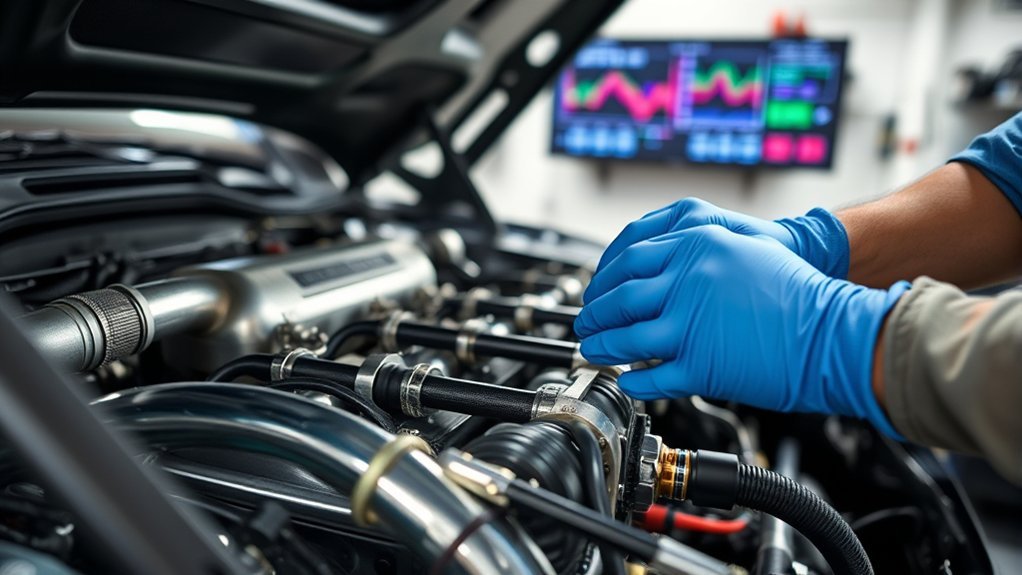
While diagnosing emissions issues in your Toyota Supra, it’s crucial to pay attention to the oxygen sensors, as they play a significant role in monitoring air-fuel ratios. Start with emissions diagnostics to pinpoint malfunctions. If you’re not achieving the necessary readings, sensor calibration might be required. Verify your vehicle is driven above 25 mph for accurate testing.
Next, check the EGR (Exhaust Gas Recirculation) system, as a malfunction can increase NOx emissions and harm performance. Look for exhaust leaks, which can skew diagnostic results and hinder proper function.
Complete the required drive cycles post-reset to confirm all emissions monitors are ready for testing; this often involves multiple cycles under specific speed ranges. Finally, maintain regular upkeep—replace air filters and spark plugs timely to optimize combustion and prevent emissions-related failures. Your diligence in these areas will help liberate your Supra from emissions troubles.
Upgrading Emissions Components for Better Performance
Upgrading emissions components can greatly enhance your Toyota Supra’s performance without compromising compliance with environmental regulations. Consider installing a high-performance exhaust system, like a four-inch titanium option, to improve exhaust flow and reduce back pressure. This kind of performance tuning not only elevates your engine’s potential but maintains compliance.
Next, a high-efficiency catalytic converter maximizes exhaust gas flow, yielding better horsepower and torque while adhering to emissions standards. Retrofitting modern air-fuel ratio sensors allows for precise fuel mixture adjustments, promoting efficient combustion and lower emissions output.
Incorporating an upgraded EGR system can considerably enhance engine efficiency, especially in turbocharged setups, while curbing nitrogen oxide emissions. Finally, don’t overlook regular maintenance; timely replacement of components like oxygen sensors guarantees peak performance and compliance. By utilizing these aftermarket parts, you’ll reveal your Supra’s true capabilities while respecting environmental obligations.
Environmental Impact and Compliance: Why It Matters
Understanding the environmental impact of your Toyota Supra and guaranteeing compliance with emissions regulations is vital for both legal operation and ecological responsibility. Vehicles considerably contribute to harmful pollutants that degrade air quality and exacerbate climate change. By implementing effective emissions reduction strategies, you can help limit carbon monoxide, nitrogen oxides, and hydrocarbons released into the atmosphere.
The regulatory compliance importance can’t be overstated; agencies like the EPA mandate emissions tests to guarantee vehicles meet established standards. Properly functioning emissions control systems, including catalytic converters and oxygen sensors, play a vital role in minimizing exhaust emissions. Neglecting these systems can lead to increased tailpipe emissions, fines, and failed inspections, jeopardizing your vehicle’s legal operation. By maintaining your Supra’s emissions systems, you’re not just adhering to regulations; you’re actively contributing to air quality improvement and promoting public health and environmental sustainability.
Frequently Asked Questions
Why Is the Toyota Supra Not in Need for Speed?
The Toyota Supra isn’t in Need for Speed due to licensing issues, limiting your access to its performance. Fan reactions highlight disappointment, as many desire the iconic car’s inclusion in the beloved car game franchise.
What Paint Code Is Deep Jewel Green Supra?
The paint code for Deep Jewel Green is 6M3. Understanding this color history enhances your Supra customization options, ensuring you achieve that rich, metallic finish collectors and enthusiasts highly value. Always specify 6M3 for accuracy.
How Fast Is a Toyota Supra 0 to 60?
Supra’s stunning speed showcases superior performance, with modern models achieving 0 to 60 mph in under 4 seconds. Acceleration comparisons reveal impressive benchmarks, making this iconic car a thrilling choice for those craving liberation on the road.
Will the 2026 Supra Have a 5.0 L V8?
The 2026 Supra likely won’t feature a 5.0 L V8. Current engine specifications focus on turbocharged inline-six options, balancing performance with efficiency, while any future V8 performance would need to meet strict emissions regulations.
Conclusion
To summarize, maintaining your Toyota Supra’s emissions system is like tending to a finely tuned engine—neglect it, and performance and compliance suffer. Just as a musician wouldn’t skip tuning their instrument before a concert, you shouldn’t overlook regular check-ups for your emissions components. With a proactive approach, you’ll not only guarantee your Supra meets emissions standards but also enhances its overall efficiency and longevity, allowing you to enjoy the drive while minimizing your environmental footprint.