E-Bike Fat Tire Review: Performance and Durability
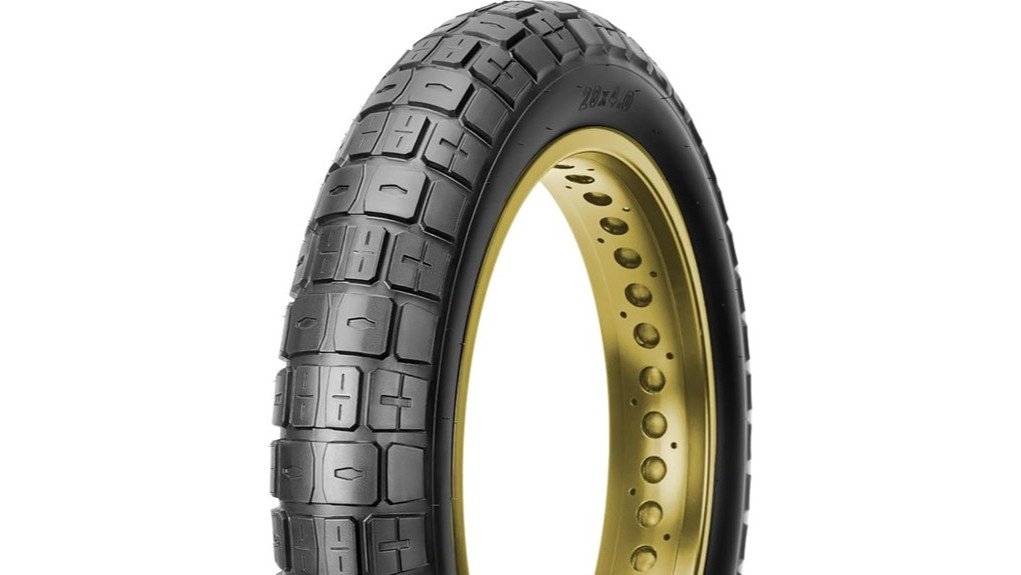
What should buyers expect from a 20×4.0 in (100/90-406) e-bike fat tire? It fits many bikes, rated up to 440 lb (200 kg), and runs at 15–30 psi for daily use on sand, packed dirt, and loose gravel. A tapered center helps speed on accel, while large interlocking knobs boost grip and limit noise and vibration. High-density rubber and puncture protection support durability, but pressure checks and sidewall monitoring matter. Next, they should compare front vs rear swap timing and pressure tuning.
Key Takeaways
- Delivers predictable traction on sand, packed dirt, and loose gravel with a tapered center for stable acceleration.
- Balances grip and rolling efficiency using large interlocking knobs and secondary grooves.
- Reduces noise and vibration with airflow-breaking tread blocks and even center contact over bumps.
- Built for durability with high-density, puncture-resistant rubber and a compound that promotes consistent wear.
- Maintains performance by checking 15–30 PSI regularly and swapping/replacing tires based on tread and traction.
E-Bike Fat Tire Traction and Rolling Performance
Quick fit and performance notes** These 20×4.0 inch (100/90-406) fat tires install quickly on front or rear wheels, making daily swapping simple.
At 15–30 psi (100–200 kPa), they balance traction efficiency with efficient rolling for riders who want predictable control.
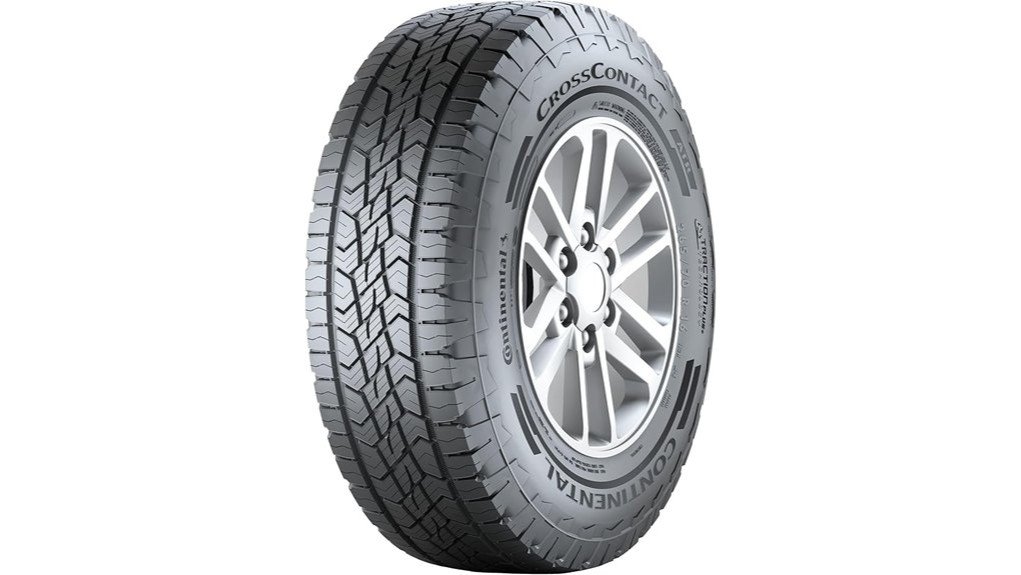
Large interlocking knobs and secondary grooves improve grip when conditions change, supporting surface adaptability on sand, packed dirt, and loose gravel.
Large interlocking knobs and secondary grooves boost grip on sand, packed dirt, and loose gravel as conditions shift.
A tapered center profile helps keep speed potential steady during acceleration and climbing, up to a 440 lb (200 kg) load rating.
Buyer takeaways
- Pressure: 15–30 psi
- Tire size: 20×4.0
- Use: spare replacement, daily riding
How Tread Design Reduces Noise and Vibration
A well-designed tread can noticeably reduce both noise and vibration for an e-bike rider, especially on rough routes. Interlocking knobs and secondary grooves break up airflow and smooth impacts, so less sound travels through the frame.
This tire’s tread efficiency supports steady forward motion while limiting harsh chatter over gravel, roots, and worn pavement. Center-tapered knobs also help keep contact more even, reducing rhythmic bumping at speed.
How does it feel? Riders get calmer, more controlled handling through vibration dampening, without changing fit.
Quick buyer takeaways:
- Works on front or rear
- 20×4.0 inch size
- Run 15–30 PSI.
Durability Testing: Puncture Protection and Rubber Build
What makes this tire durable in day-to-day use?
Durability testing focuses on puncture resistance and rubber longevity under real trail debris and commute grit. The 20×4.0 inch tire uses high-density rubber and dedicated puncture protection, designed to resist flats while supporting up to 440 lbs. A high-quality compound targets steady wear, even when cornering and braking often.
| Check | What to look for |
|---|---|
| Debris impacts | Consistent casing feel |
| Fast wear signs | Even tread scuffing |
| Sidewall stress | No cracking or bubbles |
Buyer takeaways
– Choose this tire for daily spare use, front or rear.
Choose the Right Pressure for Your E-Bike Fat Tire
Choosing the right air pressure helps a 20×4.0 inch (100/90-406) e-bike fat tire handle predictably, and it also affects comfort, grip, and how long the tread lasts.
How should a rider start? Check the tire’s 15–30 PSI (100–200 kPa, 1.0–2.0 bar) range and match load needs up to 440 lbs (200 kg).
For daily commutes and mixed pavement, many choose the middle range, then refine with pressure adjustment based on feel and traction.
For soft sand or snow, slightly lower pressure can smooth vibration, while still supporting the wheel.
Include consistent tire maintenance for even wear.
Quick takeaways
- Stay within 15–30 PSI
- Adjust in small steps
- Recheck regularly for tread life
Front vs. Rear E-Bike Fat Tire: When to Swap
Swapping front versus rear e-bike fat tires is mostly about matching traction, wear, and ride feel to where the tire does the most work.
When should a rider swap, for tire longevity and seasonal swapping? Rear tires wear faster under power, braking, and rider load, especially on 20×4.0 in (100/90-406) setups rated to 440 lbs (200 kg).
Rear tires wear faster from power and braking—so swap when traction or tread drops, especially on 20×4.0 in setups.
Front tires can last longer, so buyers should rotate or replace based on tread depth and punctures.
- Swap rear first if acceleration feel drops.
- Swap front if cornering slips.
- Plan seasonal swapping before harsh weather.
Quick takeaways
– Check knobs, grooves, and sidewall damage.
Frequently Asked Questions
Are These Tires Tubeless-Ready, or Do I Need Tubes?
These tires are not described as tubeless-ready in the provided specs, so a rider should plan on using tubes unless the sidewall or seller explicitly states “tubeless” compatibility.
Key facts: 20×4.0 in (100/90-406), 15–30 PSI, max load 440 lb.
For buyer value, confirm rim compatibility and bead fit before purchase.
For safe tire maintenance, check pressure often, and use careful riding techniques on rough ground.
- Use tubes unless labeled tubeless-ready
- Verify rim bead compatibility
- Maintain 15–30 PSI regularly
What’s the Recommended PSI for Rider Weight and Terrain?
Takeaways
- Adjust within 15–30 PSI.
- Softer terrain, lower pressure.
- Heavier riders, higher pressure.
How Often Should I Replace Fat Tires Due to Tread Wear?
How often should fat tires be replaced? It depends on miles, pressure, and ride surface.
For tread wear, most riders plan replacement when knobs flatten and traction drops, often every 1,500–3,000 miles.
Use tread maintenance checks weekly, and watch for cracking or sidewall wear. If the tire has wear indicators, use them as a clear replacement cue.
This 20×4.0 (100/90-406) tire, rated to 440 lbs, fits daily spare use.
Takeaways
- Inspect tread maintenance often
- Replace near flattened knobs
- Use wear indicators if available
Will This Tire Fit My Wheel Rim Size and E-Bike Model?
[Fit Check] Yes, it should fit if the rim supports the correct tire size.
Does tire compatibility depend only on model name? This tire is 20×4.0 inch (100/90-406) with a 15–30 PSI range and 440 lb max load.
Match rim specifications for a 406 mm bead seat. It installs on front or rear of compatible e-bikes needing 20×4.0 fat tires.
Takeaways: check 406 mm, verify width, confirm PSI range, confirm 200 kg load.
How Do These Tires Handle Wet Ice, Sand, and Gravel?
Wet ice: traction control is moderate, thanks to the 20×4.0 in 100/90-406 knobs, but slow down and use correct tire pressure (15–30 PSI).
Sand: tapered center tread helps forward drive and reduces slipping.
Gravel: interlocking knobs and secondary grooves improve winter handling and resist side slip.
For purchase value, consider these tires a solid all-surface spare, for front or rear use, rated up to 440 lbs (200 kg).
Takeaways
- Fit: 20×4.0 in only
- Pressure: 15–30 PSI
- Use: wet ice, sand, gravel, daily rides
Conclusion
Conclusion: Is This Tire a Practical Upgrade?
For most riders, a 20×4.0 fat e-bike tire can be a strong fit when traction and durability matter. The wide pressure range, 440 lb max load, and puncture-focused rubber build support daily commuting and mixed terrain like gravel and rough paths. Tread design helps balance grip with quieter, smoother rolling. But will it match your ride goals—comfort, stability, or low noise?
Takeaways:
- Choose correct pressure for surface type
- Use as front or rear replacement