Does The Toyota RAV4 Prime Qualify For Federal Tax Credit? (explained)
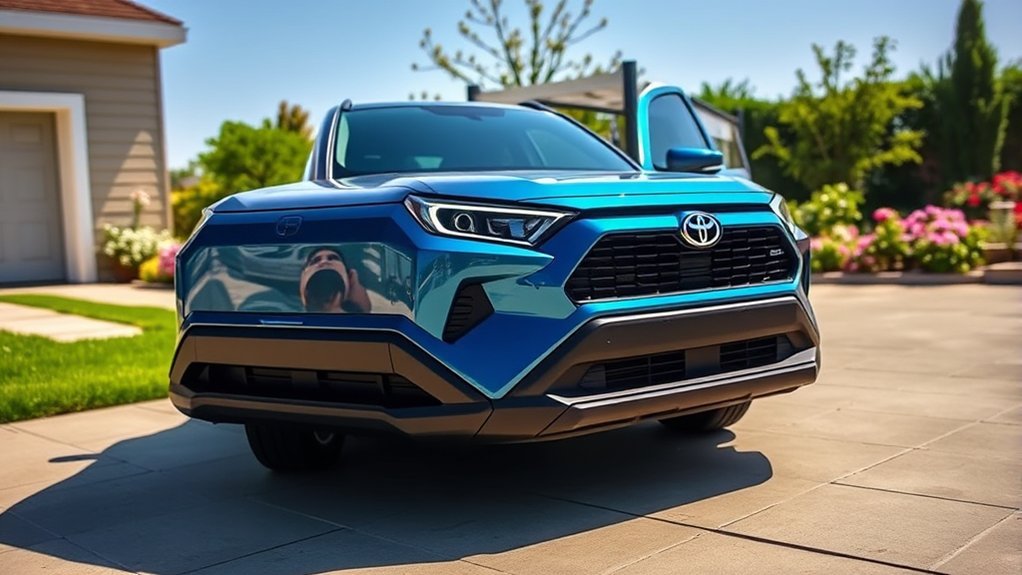
The Toyota RAV4 Prime doesn’t qualify for the federal tax credit because its assembly happens in Japan, missing the North American manufacturing requirement set by the Inflation Reduction Act. This act tightened eligibility rules, making final assembly and battery production requirements essential for tax credits. Unfortunately, this means you won’t benefit from potential savings through federal incentives. There are alternatives available, and exploring your options could be advantageous, so keep exploring for more information.
Understanding the Federal Tax Credit Eligibility for the RAV4 Prime
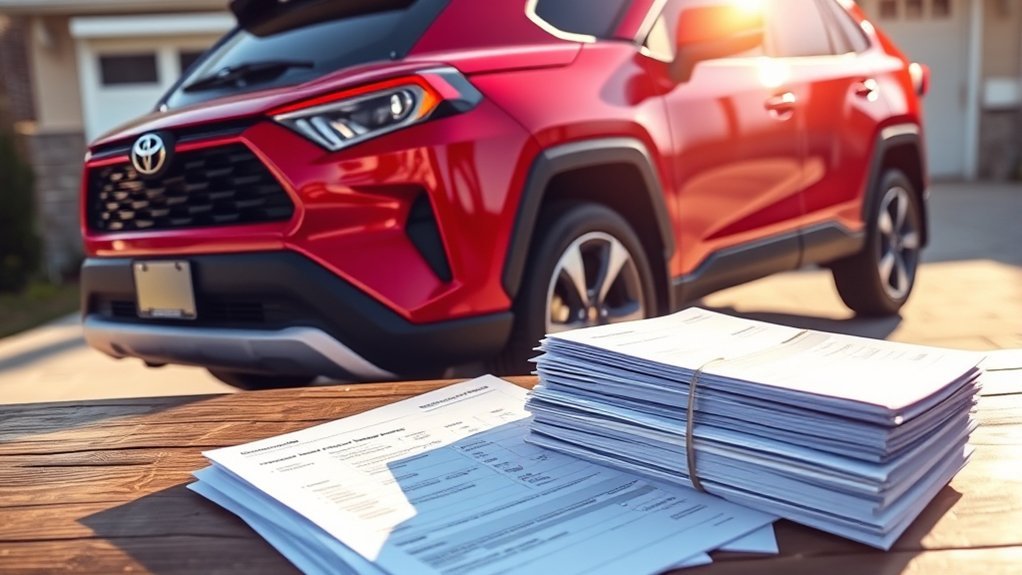
When considering the Toyota RAV4 Prime, you might wonder why it doesn’t qualify for the federal tax credit. The key issue lies in its assembly location—Japan—where it fails to meet the North American assembly requirement mandated for eligible vehicles. This criterion became even more stringent with the Inflation Reduction Act, which reshaped the landscape for federal tax credits. Despite lifting the 200,000 vehicle cap on tax credits, the RAV4 Prime remains ineligible due to its manufacturing location.
As a prospective buyer, it’s essential to explore local incentives or rebates that may still be available. While the federal tax credit is a significant benefit for many electric car buyers, local programs could still offer financial support. Understanding these nuances empowers you to make an informed choice and liberates you from potential misconceptions about the RAV4 Prime’s financial viability in your budget.
How Does the Inflation Reduction Act Affect RAV4 Prime EV Incentives?
How considerably does the Inflation Reduction Act reshape the landscape for EV incentives, particularly for the Toyota RAV4 Prime? This legislation introduces stricter guidelines that directly impact the federal EV tax credit eligibility for vehicles like the RAV4 Prime. Since its final assembly takes place in Japan, the RAV4 Prime falls short of the North American assembly requirement, effectively disqualifying it from tax credits.
| Criteria | Requirement | RAV4 Prime Status |
|---|---|---|
| Final Assembly Location | Must be in North America | Fails to qualify |
| Battery Component Production | Must be in North America | Fails to qualify |
| Manufacturer Sales Cap | No longer limited | Not applicable |
| Future Eligibility | Assembly relocation needed | Currently disqualified |
To regain eligibility, Toyota would need to shift assembly to the U.S. and meet new battery production standards.
Why the RAV4 Prime Fails to Meet Tax Credit Requirements
Despite its popularity, the Toyota RAV4 Prime fails to qualify for federal tax credits due to its assembly location in Japan, which doesn’t meet the North American manufacturing requirement set by the Inflation Reduction Act. Here are three key reasons why:
- Final Assembly: The RAV4 Prime’s final assembly occurs overseas, directly violating eligibility criteria for tax credits.
- North American Requirement: The Inflation Reduction Act mandates that vehicles must be manufactured in North America to qualify, a rule the RAV4 Prime cannot satisfy.
- Stricter Guidelines: New assembly and battery production guidelines complicate the RAV4 Prime’s chances further, requiring significant changes to Toyota’s manufacturing processes.
Due to these factors, the RAV4 Prime misses out on potential savings for buyers seeking liberation through eco-friendly investments. Unless Toyota shifts its manufacturing strategy, the RAV4 Prime’s eligibility for the federal tax credit remains out of reach.
What Alternatives Exist for RAV4 Prime Buyers?
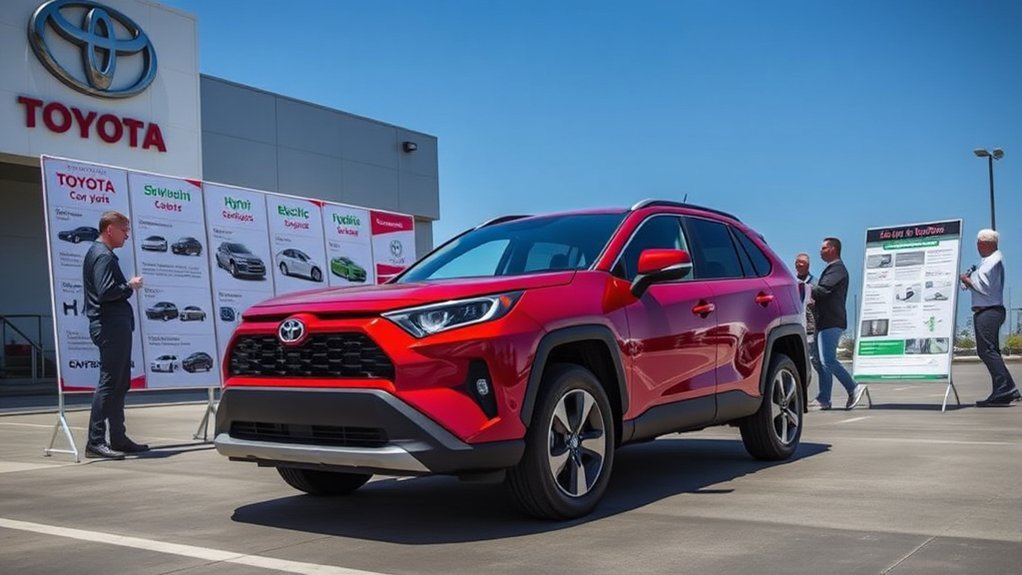
For buyers who were hoping to take advantage of federal tax credits with the Toyota RAV4 Prime, the lack of eligibility can be disappointing. Fortunately, there are several qualifying vehicles worth considering. The Ford Escape Plug-In Hybrid, for instance, not only features a spacious interior but also qualifies for federal tax credits thanks to its North American assembly. Similarly, the Hyundai Tucson Plug-In Hybrid provides comparable benefits while meeting tax credit criteria. If you’re looking for family-friendly options, the Kia Sorento Plug-In Hybrid and Chrysler Pacifica Hybrid are excellent choices, both offering ample space and versatile functionality. For those leaning towards fully electric models, the Chevrolet Bolt and Nissan Leaf stand out, each providing significant savings on fuel and maintenance while qualifying for tax credits. Exploring these alternatives can help you find the right vehicle that aligns with your needs and financial goals.
Key Considerations for RAV4 Prime Buyers Without Tax Credit
While the absence of a federal tax credit can be a setback for potential RAV4 Prime buyers, it’s crucial to weigh other factors that contribute to the vehicle’s overall value. Here are three key considerations:
- Fuel Efficiency: The RAV4 Prime offers impressive fuel efficiency, saving you money on gas over time, which can offset its higher upfront cost.
- Local Incentives: Check for any local incentives or rebates that could help reduce your overall expenses, even without the federal tax credit.
- Financing Options: Explore different financing options to guarantee that the RAV4 Prime fits your budget while maximizing its long-term value compared to other eligible EVs.
Ultimately, while the federal tax credit might be missing, focusing on these aspects can help you make an informed decision about your car buying journey. Embrace the freedom that comes with understanding your options!
Frequently Asked Questions
Does the Toyota RAV4 Prime Qualify for Tax Credits?
The RAV4 Prime doesn’t qualify for tax credits due to federal regulations on assembly. However, its hybrid features and energy efficiency ratings still offer benefits, enhancing consumer savings and promoting a positive environmental impact.
Which Cars Qualify for the $7500 EV Tax Credit?
Currently, only select electric vehicles and the Chrysler Pacifica Hybrid qualify for the $7,500 EV tax credit. These eco-friendly vehicles support sustainable transportation options, enhancing personal finance strategies through government tax policies and clean energy savings.
Do Any Toyotas Qualify for the EV Tax Credit?
No, currently no Toyotas qualify for the EV tax credit. To take advantage of tax incentives and enjoy the benefits of energy efficiency and green technology, you might explore other hybrid vehicles that meet eligibility criteria.
How Do I Claim My $7500 Hybrid Tax Credit?
To claim your $7,500 hybrid tax credit, guarantee your vehicle meets eligibility requirements, gather necessary tax forms, and file by deadlines. Consulting a tax advisor can help you navigate state incentives and maximize credit amounts.
Conclusion
In the end, while the Toyota RAV4 Prime offers impressive features, it doesn’t qualify for the federal tax credit—leaving buyers in a bit of a pickle. However, don’t let that dampen your enthusiasm; there are plenty of alternatives out there that can still give you great value. As you explore your options, remember that sometimes the best journeys take unexpected turns—so keep your eyes peeled for the perfect fit!