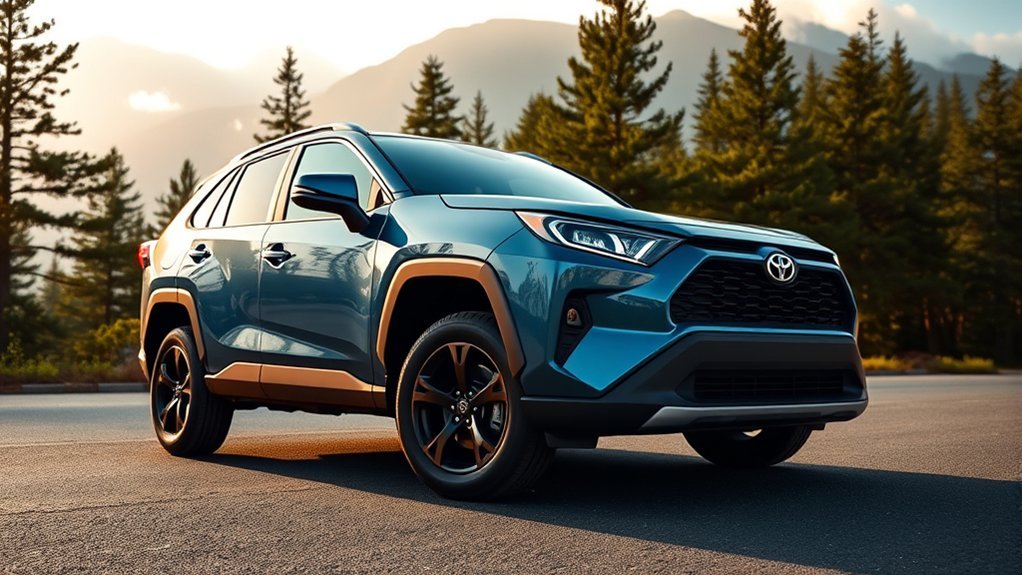
The Toyota RAV4 is a solid choice if you’re looking for reliability, practicality, and fuel efficiency. It boasts a spacious cargo area and a strong reputation for longevity, with annual maintenance costs lower than the competition. However, the interior design can feel a bit bland and less spacious compared to rivals. If you want to know more about its performance, upcoming updates, or if the hybrid model is right for you, keep exploring.
What Makes the Toyota RAV4 a Popular Choice?
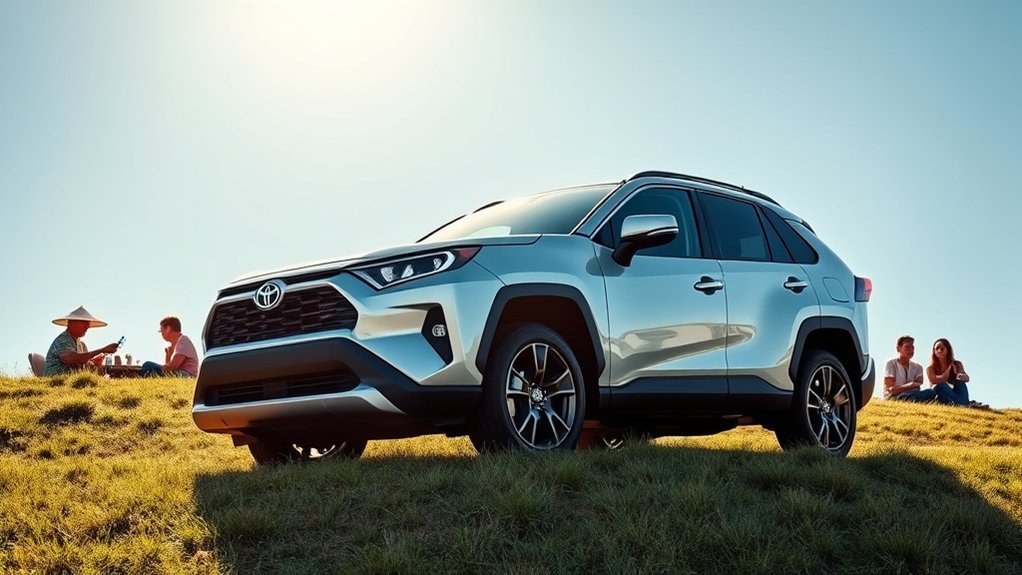
When considering an SUV, it’s hard to overlook the Toyota RAV4, as it seamlessly combines practicality with performance. One of its standout features is the hybrid model, achieving up to 44 mpg combined, making it a fuel economy champion. This efficiency doesn’t compromise reliability; the RAV4 boasts a RepairPal rating of 4.5 out of 5, ensuring peace of mind for drivers.
In terms of practicality, the spacious cargo area offers 37.8 cubic feet, expandable to 70.4 cubic feet with the rear seats folded, catering to families and active lifestyles alike. Safety features abound, further solidifying its appeal across demographics, from families to older couples. The 2026 model enhances this with modern interior features like a digital instrument cluster and a large touchscreen. Ultimately, the Toyota RAV4 stands out as a compact SUV that delivers on multiple fronts, making it a popular choice among diverse drivers.
How Does the Interior Design Compare to Competitors?
How does the Toyota RAV4’s interior design stack up against its competitors? While the RAV4 offers a practical layout and decent cargo space, its interior design leaves something to be desired. The cabin features hard plastics, which may feel cheap compared to rivals like the Mazda CX-5 and Subaru Forester, known for their refined aesthetics.
Here’s a quick comparison:
| Feature | Toyota RAV4 | Competitors (e.g., Mazda CX-5, Honda CR-V) |
|---|---|---|
| Interior Quality | Functional, bland | Upscale, refined |
| User-Friendly Controls | Mostly intuitive | More accessible, thoughtful design |
| Cargo Space | 37.8 – 70.4 cu ft | Competitive, but less passenger space |
Although its cargo space remains competitive, the RAV4’s cramped cabin and uneven design elements may deter those seeking a more inviting and spacious environment.
How Does the RAV4’s Engine Noise Compare to Competitors?
When you compare the RAV4’s engine noise to its competitors, you’ll notice it stands out for all the wrong reasons. The loud, gritty sound of the gas model can be a distraction, especially against quieter rivals like the Hyundai Tucson. Even the hybrid variant, while quieter, doesn’t fully elevate the cabin experience to match its price point.
Engine Sound Comparison
While the Toyota RAV4 excels in various performance aspects, its engine sound sets it apart from competitors in a less favorable light. The RAV4’s engine produces a raucous, gritty noise that can be more intrusive than rivals like the Hyundai Tucson, which features a quieter cabin. Although the hybrid variants reduce engine noise, they still fall within the average range for vehicles around $30,000, highlighting room for improvement in sound insulation. Competitors like the Subaru Forester and Mazda CX-5 deliver a more refined driving experience with lower cabin noise levels, enhancing ride comfort. Despite its rougher sound profile, the RAV4’s performance and fuel efficiency often offset this auditory drawback for many drivers.
Noise Level Ratings
The Toyota RAV4’s engine noise stands out as a key factor in its overall driving experience, especially when compared to competitors. While the hybrid version does lower engine noise levels, the RAV4 still struggles with noise levels that don’t align with its $30,000 price tag. Here’s how it stacks up:
- Raucous engine sound contributes to a noisier cabin experience.
- Road and wind noise remain prevalent, making it louder than rivals.
- Competitors like Subaru Forester and Mazda CX-5 offer a more refined ride.
- Average noise ratings highlight significant areas of improvement.
- The compact SUV segment generally excels in quieter cabins.
If you’re seeking a peaceful drive, the RAV4 might not be your best choice.
How Does the RAV4’s Ride Feel on the Road?
When you take the RAV4 on the road, you’ll notice its bump absorption quality isn’t as refined as some competitors, leaving the ride feeling jumpy at times. The steering is light and direct, making it easy to maneuver, but it can also feel a bit unstable. While the cabin does a decent job of isolating noise, the overall ride may not meet the comfort expectations you have for a compact SUV.
Bump Absorption Quality
Although you might expect a smooth ride from a vehicle in the RAV4’s price range, the reality is that its bump absorption quality has taken a hit compared to earlier models. While the Toyota RAV4 absorbs bumps reasonably well, it can feel jumpy on certain surfaces, making the ride less comfortable than anticipated. Compared to competitors, the RAV4 lacks the refinement and cabin comfort typically found in similarly priced SUVs.
Key points to take into account include:
- Abrupt ride quality on some pavement types
- Reasonable bump absorption, but not exceptional
- Hybrid version offers quieter driving, yet doesn’t resolve issues
- Lacks refinement compared to Subaru Forester and Mazda CX-5
- Overall ride quality falls short of expectations for its price
Steering Responsiveness Assessment
While driving the 2026 Toyota RAV4, you’ll notice its light and direct steering, which makes maneuvering in tight spaces a breeze. This steering responsiveness enhances your urban driving experience, allowing for quick turns and easy parking. However, at highway speeds, you might feel the steering become slightly imprecise, leading to a sense of wandering that can detract from overall stability. The ride quality isn’t as refined compared to some competitors, resulting in a somewhat jumpy experience on uneven surfaces. Fortunately, the low hood and upright seating position improve visibility, granting you better road awareness. Overall, the 2026 RAV4 offers a blend of agility and practicality, making it suitable for various driving environments.
Cabin Noise Levels
The 2026 Toyota RAV4’s ride experience is particularly affected by cabin noise levels, which can impact your overall comfort on the road. While the hybrid version offers a quieter ride, the engine noise in the standard model can be quite pronounced. Here’s what you can expect:
- Raucous engine noise, especially compared to competitors like the Hyundai Tucson
- Subdued road and wind noise, but still present
- Average cabin sound levels despite the price point
- Declining ride quality, leading to a jumpy experience on rough surfaces
- Potential drawbacks in passenger comfort due to overall noise levels
Ultimately, while the RAV4 provides a decent driving experience, its cabin noise levels may not meet your expectations for interior comfort.
What’s New in the 2026 Toyota RAV4 Model?
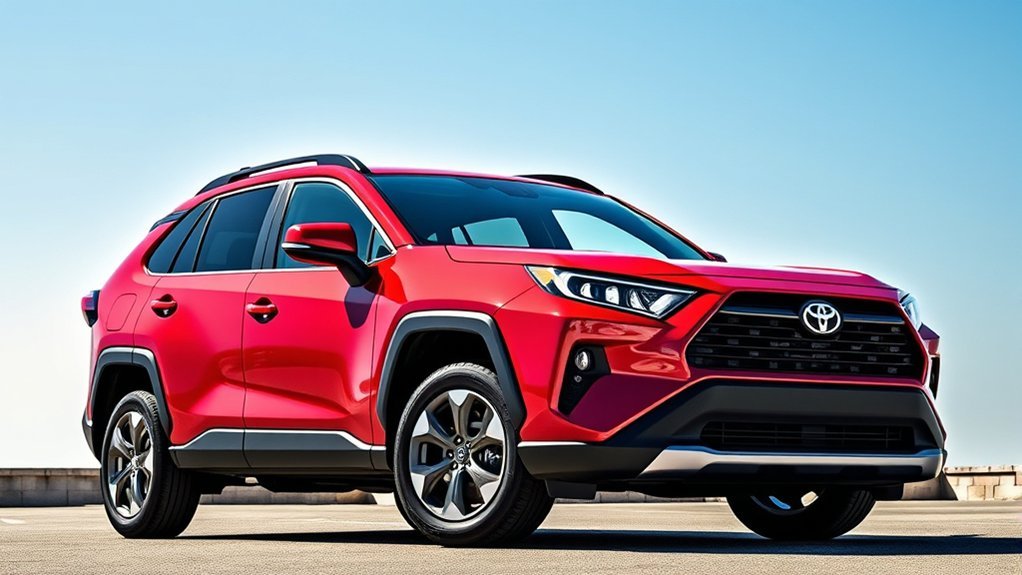
As Toyota aims to meet evolving consumer demands, the 2026 RAV4 undergoes a significant transformation with a complete redesign that shifts to an all-hybrid lineup, eliminating nonhybrid powertrains. The new 2026 Toyota RAV boasts impressive features, including enhanced fuel efficiency and innovative technology.
Here’s a quick overview of the key updates:
| Feature | Details |
|---|---|
| Powertrain | All-hybrid lineup |
| Horsepower | Up to 236 hp (PHEV: 320 hp) |
| Fuel Efficiency | Up to 44 mpg combined |
| Touchscreen Display | Up to 12.9 inches |
| Trim Options | Adventure-ready Woodland, GR Sport |
With these updates, the RAV4 Hybrid is designed for those seeking efficiency and performance. The addition of diverse trim options guarantees there’s something for everyone, whether you’re looking to explore nature or enjoy a sporty drive. Embrace the future with the 2026 RAV4!
Why the Toyota RAV4 Hybrid Might Be a Better Option?
Choosing the Toyota RAV4 Hybrid can offer significant advantages, especially if you prioritize fuel efficiency and performance. This SUV stands out for several reasons:
- Achieves up to 44 mpg combined, making it a cost-effective choice for fuel-conscious drivers.
- Delivers 236 horsepower, allowing for brisk acceleration with a 0-60 mph time of just 7.1 seconds.
- Offers a quieter driving experience due to reduced engine noise compared to the standard model.
- Backed by a robust warranty covering hybrid components for 10 years or 150,000 miles, enhancing its reliability rating.
- Provides various trim options to suit your safety and comfort needs.
The Toyota RAV4 Hybrid not only excels in efficiency but also combines performance with a commitment to long-term reliability, making it a compelling choice for anyone seeking a versatile and dependable vehicle.
How Reliable Is the Toyota RAV4?
Reliability is a standout feature of the Toyota RAV4, making it an attractive option for those who want peace of mind in their vehicle choice. The 2026 RAV4 boasts a predicted reliability rating of 86 out of 100 from Consumer Reports, underscoring its dependability. Toyota ranks third among 22 brands for new-car reliability, further solidifying this compact SUV’s reputation.
| Metric | RAV4 Ratings |
|---|---|
| Reliability Rating | 86/100 (Consumer Reports) |
| RepairPal Rating | 4.5/5 |
| Average Maintenance Cost | $367 |
| Average Compact SUV Cost | $465 |
| Expected Lifespan | ~200,000 miles |
With an annual maintenance cost lower than the average compact SUV, the RAV4 offers great value. Many owners report minimal issues, allowing for a long lifespan and consistent performance.
What to Consider When Buying a RAV4?
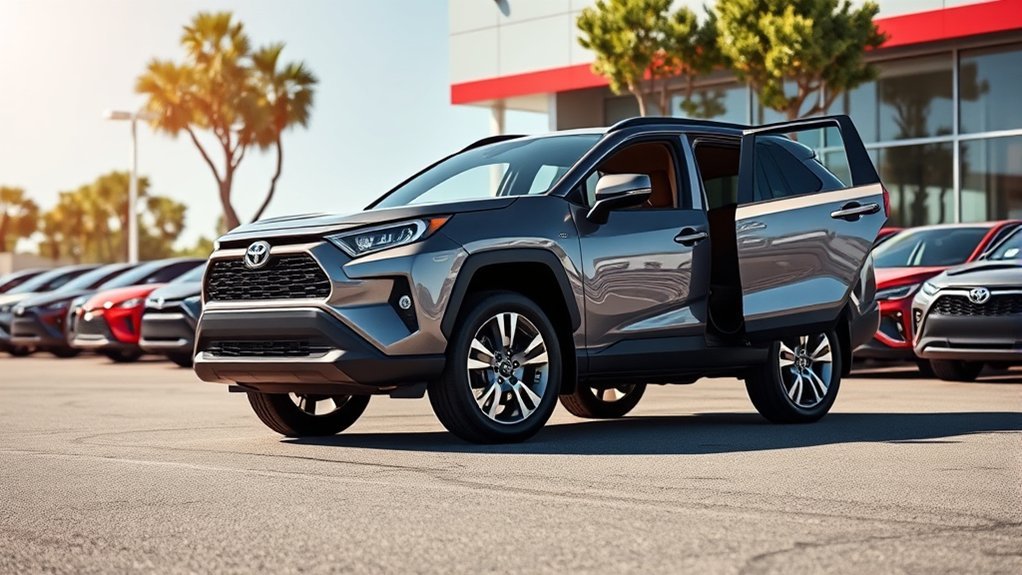
What factors should you weigh when buying a Toyota RAV4? Understanding these elements can help you make a well-informed decision.
- New Features: The 2026 model will have enhanced power, technology, and safety features.
- RAV4 Trim Levels: Consider options like the XLE Premium for a good mix of value and features, starting at $36,100.
- Hybrid Versions: The hybrid-only lineup offers impressive fuel efficiency, boasting up to 44 mpg combined.
- Reliability: With a RepairPal rating of 4.5 out of 5, you can expect lower maintenance costs averaging $367 annually.
- Cargo Area: Verify the cargo space meets your needs for trips or everyday use.
Frequently Asked Questions
Is the Toyota RAV4 a Reliable Car?
Yes, the Toyota RAV4 offers impressive reliability with high customer satisfaction, low maintenance costs, strong safety ratings, excellent fuel efficiency, solid resale value, positive performance reviews, and extensive warranty coverage for peace of mind.
What Are the Negatives of a RAV4?
The RAV4’s fuel economy is decent, but its noise levels are high, and interior space feels cramped. Maintenance costs can add up, and the technology features don’t always impress, impacting overall driving experience and resale value.
What Year to Stay Away From RAV4?
To avoid pitfalls, steer clear of 2013-2014 RAV4 model years. Engine issues and lower safety ratings can hurt resale value and performance. Prioritize newer models for reliable maintenance costs and enhanced technology features that elevate owner experiences.
What Are Common Problems With Toyota RAV4?
Common problems with the Toyota RAV4 include engine issues, transmission problems, electrical failures, and rust concerns. You might also notice brake wear, suspension noise, and unsatisfactory interior quality, despite its decent fuel efficiency.
Conclusion
To sum up, the Toyota RAV4 stands out as a reliable and versatile choice in the crowded SUV market. With over 4 million units sold in the U.S. since its debut, it’s clear why so many drivers trust this model. The 2026 updates enhance its appeal, while the hybrid option offers eco-friendly efficiency. If you’re considering a new vehicle, the RAV4’s balance of comfort, performance, and reliability makes it worth serious consideration for your next purchase.