Direct Injection Vs Port Injection: Everything You Need to Know
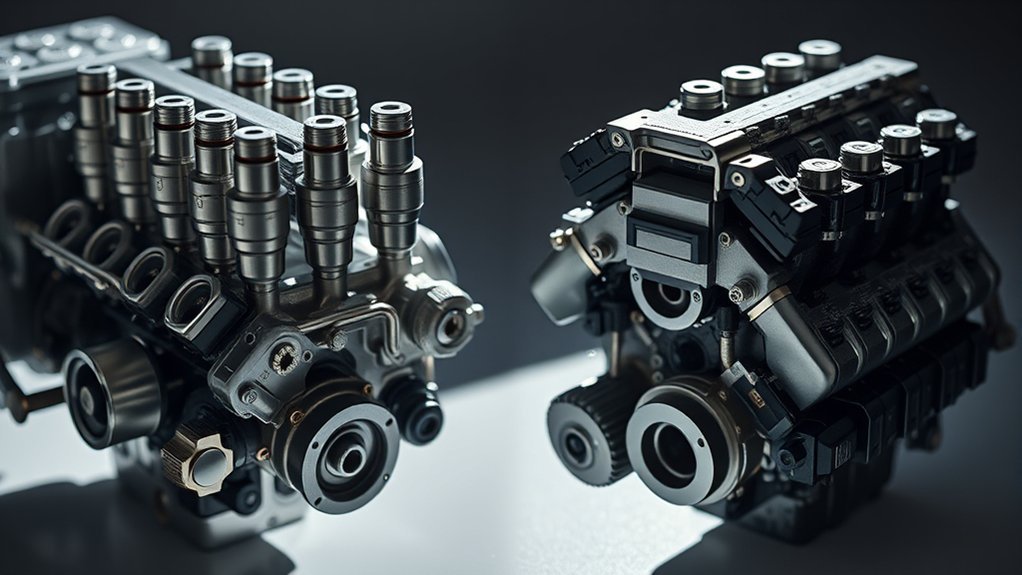
When comparing direct injection and port injection, you’ll find key differences that impact engine performance and efficiency. Direct injection delivers fuel directly into the combustion chamber, enhancing combustion efficiency and power output, while port injection sprays fuel into the intake manifold, benefiting engine cleanliness but reducing power. Each system has unique advantages for fuel efficiency and emissions. Understanding these differences can help you choose the right system for your needs; keep exploring to uncover more details.
What Is Fuel Injection and How Does It Work?
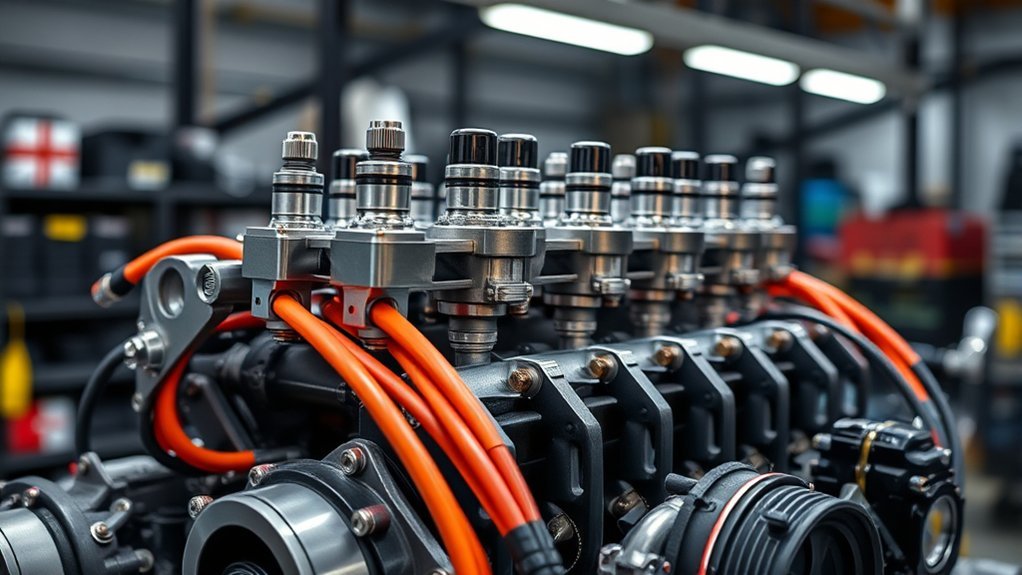
Fuel injection is a critical technology that enhances engine performance and efficiency by introducing fuel directly into the combustion process. This system replaces earlier carburetor setups, optimizing fuel delivery for better results. There are two primary types of fuel injection: direct injection engines and port injection engines.
In direct injection systems, fuel is injected straight into the combustion chamber at high pressure, resulting in improved combustion efficiency, enhanced fuel economy, and reduced emissions. This method is particularly effective at meeting modern emissions regulations. Conversely, a port injection engine delivers fuel into the intake manifold or cylinder head, allowing for a more uniform air-fuel mixture but generally with less efficiency than direct injection.
Understanding these differences in fuel injection technology can empower you to appreciate how your vehicle operates and its performance capabilities, promoting a sense of liberation through informed choices.
The Evolution of Fuel Injection Systems in Vehicles
As automotive engineering evolved, the shift from carburetors to fuel injection systems marked a pivotal moment in enhancing vehicle performance and efficiency. The introduction of fuel injectors in the 1930s signaled a revolutionary change in fuel delivery for internal combustion engines. By the 1980s, advancements made fuel injection systems ubiquitous, improving engine performance. Significantly, direct injection technology, originating from World War II fighter aircraft, has now become standard in modern engines.
To illustrate this evolution, consider the following table:
| Year | Technology | Impact |
|---|---|---|
| 1930s | First Diesel Injectors | Shift from carburetors to fuel injection |
| 1980s | Widespread Adoption | Enhanced performance and efficiency |
| 2000s | Direct Injection | Improved combustion efficiency |
| 2010s | Dual Injection | Optimized fuel economy and reduced emissions |
This ongoing evolution reflects a commitment to improving emissions standards and combustion efficiency in vehicles.
Direct Injection Explained: Mechanism and Benefits
In direct injection systems, fuel is injected directly into the combustion chamber at pressures that can reach up to 2,200 psi, optimizing the atomization process. This mechanism greatly enhances combustion efficiency, leading to improved performance and fuel economy. Additionally, the cooler air/fuel mixture generated during this process reduces engine knocking and enhances cold start performance, making it a compelling choice for modern engines.
Fuel Injection Mechanism Overview
The mechanism of direct injection (DI) revolutionizes the way engines manage fuel delivery, injecting fuel directly into the combustion chamber at pressures that can reach up to 2,200 psi. This high-pressure system enhances combustion efficiency and power output, allowing for better control of the air-fuel mixture. Unlike port injection, which relies on the heat of intake valves for atomization, direct injection utilizes high-pressure jets to create a fine mist, optimizing combustion. DI enables higher compression ratios, contributing to a cooler air/gas mixture that improves overall engine performance, particularly during cold starts. Additionally, the design of direct injection systems helps prevent carbon buildup on valves, ensuring cleaner operation over time compared to traditional port injection systems.
Performance and Efficiency Benefits
While evaluating performance and efficiency, direct injection (DI) stands out for its ability to optimize combustion and power output. By injecting fuel directly into the combustion chamber at pressures up to 2,200 psi, DI enhances combustion efficiency, resulting in improved fuel economy and lower emissions.
| Feature | Direct Injection | Port Injection |
|---|---|---|
| Power Output | Up to 740 horsepower | Approximately 675 horsepower |
| Cold Start Performance | Excellent | Moderate |
| Fuel Volume Requirement | Lower | Higher |
Although port injection may clean engine valves more effectively, its reliance on fuel volume can displace air, reducing power output. In contrast, DI maintains a higher compression ratio, liberating your engine’s full potential. Rights Reserved.
Port Injection: How It Differs From Direct Injection
Although many modern engines utilize direct injection for its efficiency, port injection remains a viable alternative that fundamentally differs in its fuel delivery method. In port injection, fuel is delivered into the intake manifold or cylinder head, relying on valve heat for atomization. This method tends to be less efficient than direct injection, which employs high pressures for ideal fuel mixing and combustion.
One of the key port injection advantages is its ability to naturally clean engine valves with each spray, contrasting with direct injection’s tendency to cause carbon build-up. However, port injection drawbacks include the need for higher fuel volumes, which can displace air and negatively impact power output. BTR’s findings illustrate this, showing a significant horsepower reduction when switching to port injection. Common applications for port injection include older gasoline engines and many naturally aspirated vehicles, where its benefits can be effectively leveraged.
Why Dual Injection Systems Might Be Right for You
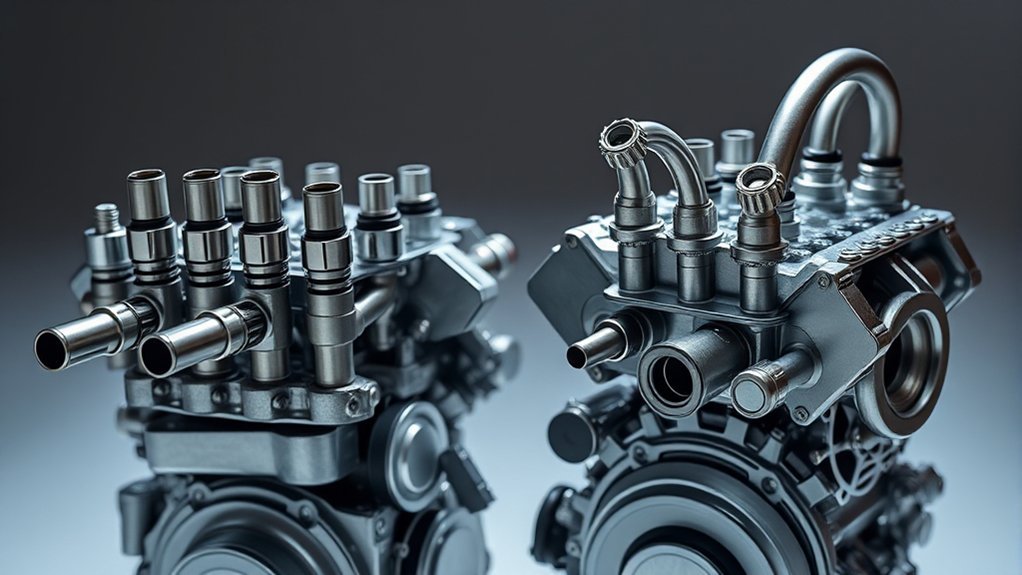
If you’re looking for ideal performance from your engine, a dual injection system could be the solution. By combining direct and port injection, you benefit from enhanced fuel economy and reduced emissions, making it an environmentally friendly choice. This hybrid approach not only maximizes combustion efficiency but also guarantees cleaner engine operation, addressing both power and sustainability.
Enhanced Fuel Economy
As drivers increasingly seek ways to enhance fuel economy without sacrificing performance, dual injection systems emerge as a promising solution. These systems optimize fuel delivery by combining direct and port injection methods, leading to several advantages:
- Improved combustion efficiency through a balanced fuel mix.
- Enhanced performance at cold starts, boosting engine responsiveness.
- Cleaner intake valves, thanks to the natural cleaning effect of port injection.
- Significant fuel economy improvements, appealing to environmentally-conscious drivers.
Reduced Emissions Benefits
When evaluating your vehicle’s environmental impact, dual injection systems present a compelling option due to their ability to considerably reduce emissions. These systems leverage both direct and port injection technologies, combining their strengths for peak performance. Direct injection enhances combustion efficiency, lowering emissions during operation, while port injection cleans engine valves, ensuring sustained performance. By adapting fuel delivery based on driving conditions, dual injection effectively implements emission reduction strategies, minimizing harmful pollutants. In addition, higher compression ratios achievable with direct injection contribute to enhanced fuel efficiency, further reducing emissions. Ultimately, the dual injection advantages provide a balanced solution that meets both performance and environmental factors, making it a wise choice for conscientious drivers aiming to lessen their carbon footprint.
Power and Performance: Direct Injection vs. Port Injection
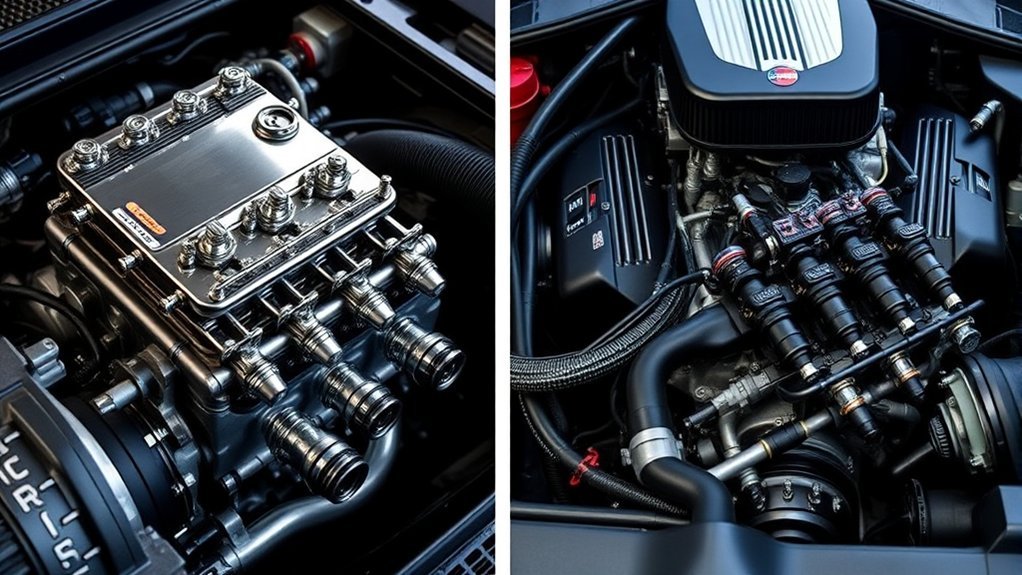
While both direct injection and port injection systems aim to enhance engine performance, direct injection engines consistently demonstrate superior power output and efficiency. Here’s why you should consider direct injection for your performance upgrades:
- Power Output: Direct injection engines produce about 740 horsepower, while port injection typically drops this to 675 horsepower, showing a 9% reduction.
- Airflow Efficiency: Direct injection systems achieve 451 grams per second of airflow, surpassing the 420 grams per second of port systems.
- Ideal Injection Timing: Peak performance is achieved with injection after TDC and before BDC, enhancing charge evaporation and cooling.
- Hybrid Configurations: Testing a half-direct, half-port setup yielded only 707 horsepower, underscoring direct injection’s advantages.
For those interested in engine tuning and exploring various fuel types, shifting to direct injection could liberate your vehicle’s true performance potential.
Comparing Fuel Efficiency and Emissions of Direct vs. Port Injection?
Direct injection and port injection not only influence power output but also play significant roles in fuel efficiency and emissions. When you consider fuel economy comparisons, direct injection systems often outperform port injection, achieving up to a 15% improvement in specific driving conditions due to enhanced combustion efficiency and higher compression ratios. This precision in fuel delivery leads to lower CO2 emissions, making direct injection a more environmentally friendly option.
However, port injection offers distinct advantages in emissions testing, as it naturally cleans intake valves with each spray, potentially mitigating carbon build-up and benefiting long-term emissions performance. While port injection may require more fuel volume to sustain power, it can still contribute positively to emissions over time. Ultimately, understanding these dynamics helps you make informed choices about fuel systems, balancing fuel efficiency and emissions for your vehicle’s needs.
When to Choose Each Injection Type?
Choosing the right injection type for your engine requires careful consideration of your specific performance needs and driving conditions. Here’s a quick injection types comparison to guide your decision:
- Direct Injection: Choose this for enhanced combustion efficiency and better fuel economy, especially in high-power applications. It’s ideal if you want improved performance and lower emissions.
- Port Injection: Opt for this if engine cleanliness is your priority, as it prevents carbon build-up on valves, promoting better fuel system maintenance.
- Dual Injection Systems: Consider these if you want to balance both types, optimizing performance while reducing emissions.
- Frequent Cold Starts: If you often face cold starts, direct injection delivers a cooler air/gas mixture for better performance.
Future Trends in Fuel Injection Technology
As you look to the future of fuel injection technology, emerging hybrid systems that combine direct and port injection will likely gain traction, optimizing both performance and efficiency. You’ll also notice advancements in electric fuel injection, which aim to provide precise control over fuel delivery, enhancing combustion and reducing emissions. Staying informed about these trends will be essential for understanding how they impact engine performance and environmental compliance.
Emerging Hybrid Systems
While the automotive industry continues to innovate, emerging hybrid fuel injection systems are setting a new standard for engine performance and efficiency. By utilizing a single fuel circuit, these systems effectively combine direct and port injection, leading to:
- Enhanced cold start performance.
- Improved combustion efficiency.
- Dynamic switching based on driving conditions.
- Better compliance with emission regulations.
These hybrid technology advancements are essential for fuel system integration, allowing manufacturers to optimize engine performance. By addressing emissions challenges while boosting overall output and responsiveness, these systems represent a significant leap forward in engine technology. As you consider your next vehicle, understanding these innovations will help you appreciate the future of fuel injection systems and their impact on driving experience.
Electric Fuel Injection Advancements
Emerging hybrid fuel injection systems set the stage for the next phase of innovation in electric fuel injection technology. You’ll witness a significant integration of advanced sensors, enhancing real-time fuel delivery and engine performance. With AI optimization, systems will predict and adjust injection parameters, leading to improved efficiency and reduced emissions. Moreover, piezoelectric advancements are revolutionizing injectors, offering faster response times and more precise fuel atomization than traditional solenoid types. These innovations aim to support the adoption of alternative fuels, such as hydrogen and biofuels, by ensuring efficient combustion processes. As fuel injection technology evolves, expect a seamless blend of performance and sustainability, liberating the potential of modern engines while minimizing their environmental impact.
Conclusion: Maximizing Performance With Fuel Injection Choices
Choosing the right fuel injection system is essential for maximizing engine performance, especially when considering the notable advantages of direct injection over port injection. Here’s how you can enhance your setup:
- Prioritize Direct Injection: It consistently outperforms port injection, offering up to 65 more horsepower and better fuel efficiency.
- Refine Timing: Confirm injection occurs after TDC and before BDC for effective charge cooling and enhanced combustion efficiency.
- Consider Hybrid Systems: A combination of direct and port injection can yield impressive power outputs, like the 707 horsepower seen in BTR’s tests.
- Evaluate Engine Compatibility: Your choice should align with your engine’s design and tuning needs to achieve peak performance tuning.
Frequently Asked Questions
What Is the Difference Between Port and Direct Injection?
The difference between port and direct injection lies in fuel delivery mechanisms; direct injection optimizes injector placement advantages for efficiency, while port injection enhances valve cleaning, affecting performance tuning implications and overall engine output capabilities.
Does Direct Injection Make More Power Than Port Injection?
Direct injection engines produce about 740 horsepower, outperforming port injection by roughly nine percent. In your fuel efficiency analysis, consider these power output comparisons, as they greatly influence engine performance factors and overall driving experience.
What Are the Downsides of Direct Injection?
Direct injection can lead to carbon buildup issues, reduced fuel atomization efficiency, and higher maintenance costs. These factors may compromise engine longevity and performance, making it essential to weigh the benefits against potential drawbacks.
What Are the Three Types of Injectors?
You’ve got three main fuel injector types: port fuel injectors, direct fuel injectors, and dual fuel injectors. Each design variation offers unique performance benefits, optimizing engine efficiency, power output, and emissions based on your needs.
Conclusion
In the world of fuel injection, choosing the right system can make all the difference—after all, “you get what you pay for.” Direct injection offers enhanced efficiency and power, while port injection provides better throttle response and reduced emissions. By understanding the strengths and weaknesses of each system, you can make informed decisions that align with your driving needs. Embrace these advancements in technology to maximize your vehicle’s performance and efficiency on the road.