Mk2: Complete Toyota Supra Guide
Mk2 Supra Guide: Specs, Rust, Reliability, Buying Tips, and Upgrades
What’s in This Article
- Understanding the Mk2 Supra: Key Features and Specs
- Mk2 Supra Mechanical Reliability: What You Should Know
- Common Rust Issues to Watch Out For in Your Mk2 Supra
- Essential Maintenance Tips for Your Mk2 Supra
- Key Factors to Consider When Buying a Mk2 Supra
- Smart Mk2 Supra Modifications That Improve the Car
- Resources and Support From the Mk2 Supra Community
- Frequently Asked Questions
A clean Mk2 Toyota Supra can feel like a perfect 1980s sports coupe, but rust and old repairs can turn one into a costly project fast. Toyota sold the A60 Celica Supra for the 1982 model year with a 2.8-liter 5M-GE twin-cam straight-six, sharp pop-up headlights, and rear-wheel drive. This guide shows you what to check before you buy, how to judge reliability, and which upgrades make sense.
Quick Answer
The Mk2 Supra, also called the A60 Celica Supra, gives you a balanced mix of classic Toyota reliability, rear-wheel-drive handling, and 1980s style. You should inspect rust first, then check service records, engine health, electrical items, suspension wear, and trim condition. A well-maintained car makes a better buy than a modified car with unknown work.
Key Takeaways
- Check rust before you judge mileage, paint, wheels, or engine upgrades.
- Review service records for oil, coolant, brake fluid, differential fluid, and timing belt work.
- Test every electrical feature because age can create hard-to-trace faults.
- Choose a cleaner stock car over a heavily modified car unless the seller proves the work.
- Use Supra forums and specialist shops to confirm parts fitment before you spend money.
Understanding the Mk2 Supra: Key Features and Specs
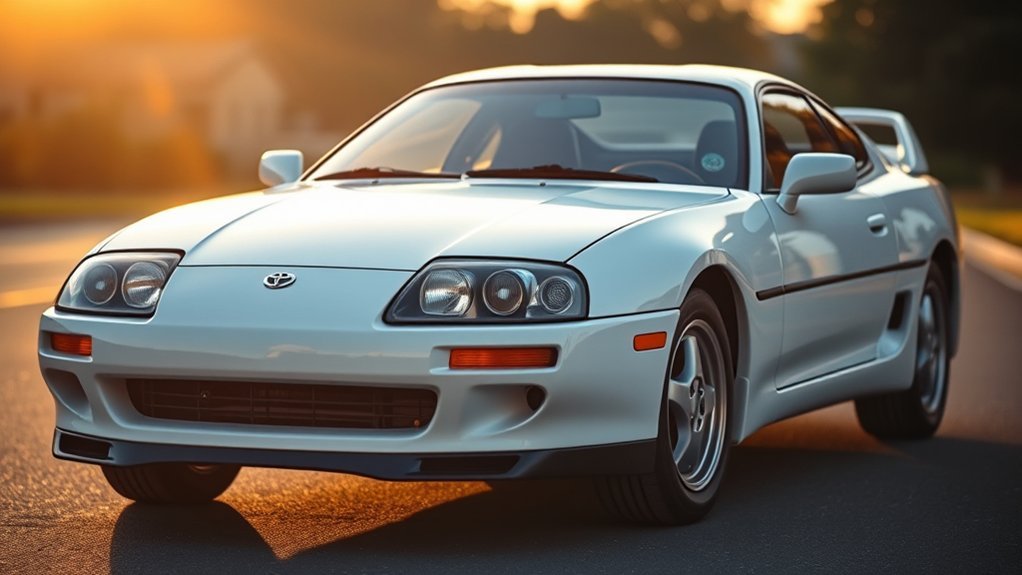
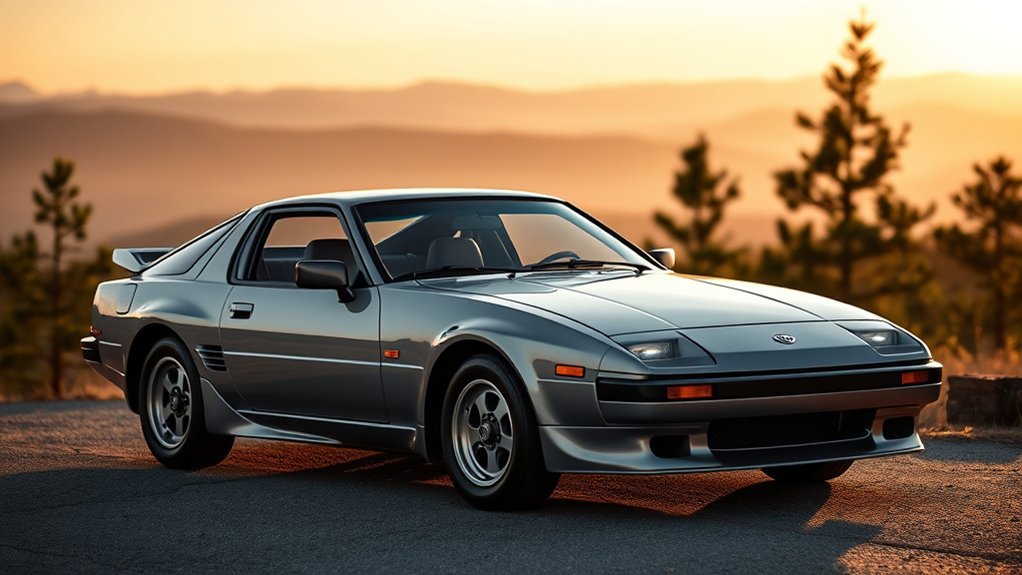
The Mk2 Supra, also known as the A60 Celica Supra, marked a major step in Toyota’s sports coupe history. Toyota’s global archive says the Celica Supra made its U.S. debut as a 1982 model with a 2,759 cc 5M-GE six-cylinder dual overhead camshaft (DOHC) engine.
The A60 kept the Celica link in its name, but it offered a longer front end, a smooth inline-six engine, and a more upscale grand touring feel. Toyota also gave it retractable headlights, independent rear suspension, and a sharper look than the first-generation car.
North American output started at 145 hp for 1982 and reached 161 hp by 1985, according to Toyota’s official Supra history. Early P-type models leaned toward performance with wider wheels and flares, while L-type models leaned toward comfort. Details can vary by year and market, so verify the exact trim before you buy.
Mk2 Supra Mechanical Reliability: What You Should Know
The Mk2 Supra can give you strong reliability when prior owners maintained it well. Age matters more than reputation now, so you should judge each car by records, inspection results, and how it drives.
The 5M-GE engine has a good reputation, but old seals, old coolant, overheating history, and neglected service can still cause trouble. Ask for proof of regular oil changes, cooling system care, brake service, and timing belt work.
Common Engine Issues
Focus your engine check on signs that show age, heat, or poor service. A cold start and a warm idle can tell you a lot before you drive the car.
- Check for coolant loss, milky oil, exhaust smoke, and overheating signs.
- Look for oil smoke on startup, which can point to worn valve seals.
- Inspect belts, hoses, vacuum lines, and fuel lines for cracks or leaks.
- Test charging, lighting, gauges, switches, and pop-up headlight operation.
Maintenance Best Practices
Change the oil, coolant, brake fluid, transmission fluid, and differential fluid on schedule. Old fluids can damage parts even when the car has low mileage.
Inspect the W58 manual transmission for smooth shifts, noise, and leaks. Check the automatic transmission for clean shifts and proper kickdown. Keep records for each service so you can track what you did and what still needs attention.
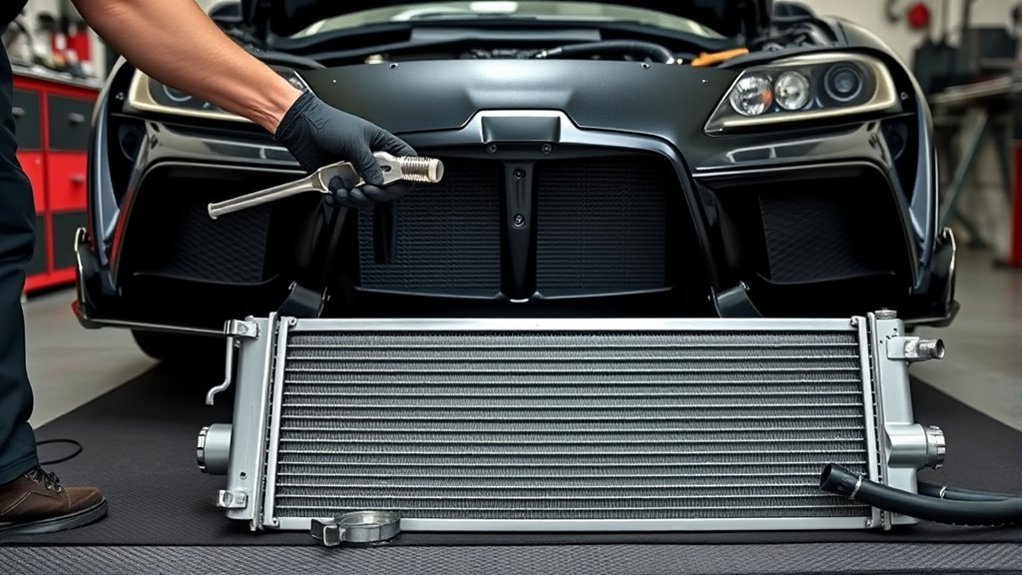
Pay close attention to the cooling system. Replace weak hoses, a tired thermostat, or a clogged radiator before heat damages the engine.
Common Rust Issues to Watch Out For in Your Mk2 Supra
Rust can decide whether a Mk2 Supra deserves your money. These cars now have decades of weather, storage, repairs, and hidden moisture behind them.
Check these areas with a flashlight before you fall in love with the car:
- Rear hatch: Inspect the lower edge, glass area, and seams.
- Trunk and spare tire well: Lift mats and check for trapped water.
- Rear wheel wells: Look around the arches, inner lips, and speaker areas.
- Rocker panels and lower body trim: Watch for bubbles, filler, and soft metal.
- Sunroof and roof edges: Check drains, seals, and nearby paint.
Surface rust may need simple treatment, but structural rust can cost more than the car itself. Ask a body shop to inspect any car with bubbling paint, patched floor sections, or fresh undercoating that hides metal condition.
Essential Maintenance Tips for Your Mk2 Supra
Keeping your Mk2 Supra in good shape starts with simple, steady care. Replace wear items before they fail, and don’t wait for small leaks to become large repairs.
Start with fluid changes. Fresh oil, coolant, transmission fluid, differential fluid, and brake fluid help protect the drivetrain and braking system.
Inspect the timing belt, water pump, accessory belts, ignition parts, and fuel system if the service history looks thin. Check rubber bushings, steering joints, shocks, and brake hoses because age can weaken them even on a clean car.
Keep an eye on rust issues around the rear hatch, sunroof, lower panels, and rear arches. Early repairs cost less than cutting out serious corrosion later.
Review service records before you plan upgrades. You should fix maintenance gaps first, then spend money on performance parts.
Key Factors to Consider When Buying a Mk2 Supra
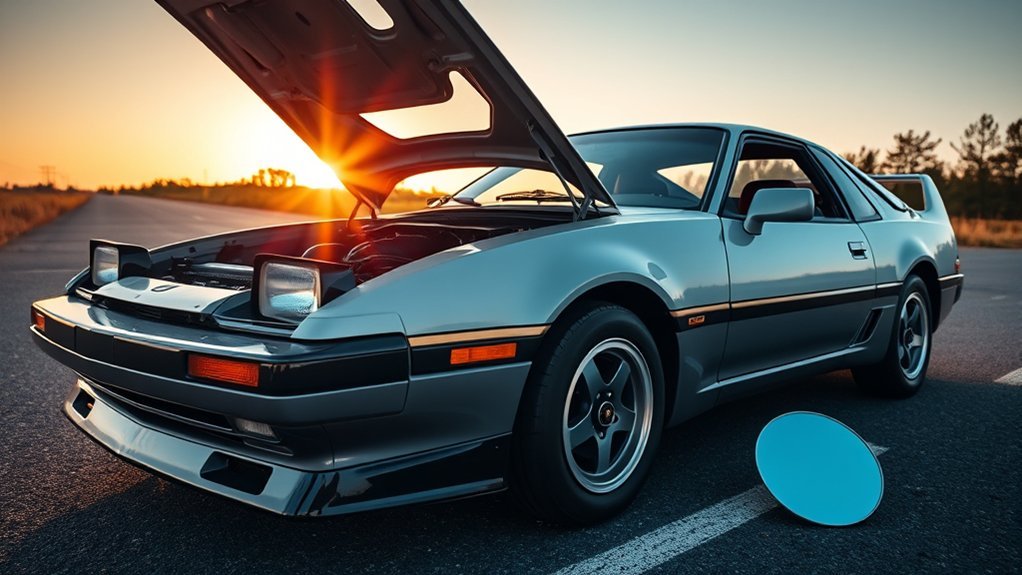
When you shop for a Mk2 Supra, condition should outrank mileage, color, and trim. A solid body and clear records often save you more money than a cheap purchase price.
- Rust condition: Check the hatch, arches, rockers, floor, spare tire well, and sunroof area.
- Engine health: Look for overheating history, smoke, coolant leaks, oil leaks, and rough running.
- Electrical function: Test lights, windows, gauges, climate controls, wipers, locks, and pop-up headlights.
- Trim and interior parts: Inspect dash cracks, seat wear, missing panels, and hard-to-find trim.
- Model details: Confirm whether the car matches its P-type or L-type equipment for its year and market.
Take the car on a proper test drive if the seller allows it. Listen for drivetrain whine, suspension clunks, brake pull, steering play, and exhaust leaks.
Ask a qualified mechanic or classic Toyota specialist to inspect the car before you buy. A pre-purchase inspection can reveal hidden rust, poor wiring, old crash repairs, and unsafe modifications.
Smart Mk2 Supra Modifications That Improve the Car
Good Mk2 Supra upgrades should make the car safer, sharper, and easier to enjoy. Start with maintenance, brakes, tires, and suspension before you chase more power.
Engine Performance Upgrades
The 5M-GE responds best when you first restore lost performance. Fix vacuum leaks, ignition wear, fuel delivery issues, and cooling problems before adding power parts.
- Exhaust refresh: Replace damaged or restrictive parts with a well-built system.
- Intake maintenance: Clean or replace worn intake parts and cracked hoses.
- Cooling upgrades: Use a healthy radiator, fan system, thermostat, and hoses.
- Careful tuning: Match fuel, ignition, and airflow changes so the engine runs safely.
Turbocharging can add power, but it also adds heat, fuel demand, and tuning risk. If you want boost, work with a builder who understands older Toyota engines.
Warning: Don’t add major power upgrades until you confirm the brakes, tires, suspension, cooling system, and fuel system can handle them.
Suspension and Handling Enhancements
Suspension upgrades can make the Mk2 Supra feel tighter without harming its classic character. Choose parts that match your tire size, road quality, and driving style.
Adjustable coilovers can help you set ride height and damping, but poor setup can make the car worse. Quality shocks, fresh bushings, proper alignment, and healthy steering parts often give you better results for street driving.
Larger sway bars, strut braces, and polyurethane bushings can sharpen response. Use them carefully because too much stiffness can reduce grip on rough roads.
Resources and Support From the Mk2 Supra Community
The Mk2 Supra community can help you learn faster and avoid costly mistakes. Toyota Celica Supra and Supra forums contain years of owner experience on repairs, parts, swaps, and restoration choices.
Use these resources when you need help:
- Owner forums: Search old threads before you ask a question.
- Factory manuals and brochures: Confirm specs, wiring, and service steps.
- Specialist parts sellers: Check fitment before you order rare parts.
- Local classic Toyota groups: Find mechanics, body shops, and used parts.
Community advice can help, but you should still verify safety-critical work with a professional. Brakes, fuel lines, steering, suspension, and wiring deserve expert checks.
Frequently Asked Questions
What Year Is Supra Most Desirable?
For the Mk2 Supra, many buyers prefer 1984 and 1985 P-type manual cars because they combine later updates with the classic A60 look. Condition matters more than year, so a clean, documented L-type can beat a rusty P-type.
Can a 6’5″ Guy Fit in a Supra?
A 6’5″ driver may fit, but comfort depends on seat condition, sunroof, body shape, and driving position. Sit in the exact car before you buy it because headroom and legroom can feel tight.
Which Supra Is the Rarest?
The rarest Supra depends on market, trim, and generation. The Turbo-A belongs to the later A70 generation, not the Mk2, so don’t use that claim to judge an A60 Celica Supra.
Why Is the 1993 Supra so Expensive?
The 1993 Supra belongs to the A80 generation, which gained fame from its 2JZ engine, tuning potential, and collector demand. That market differs from the Mk2 Supra market, so compare A60 cars against other clean A60 examples.
Safety Disclaimer: This article gives general information only and does not replace professional mechanical advice. Always ask a qualified mechanic to inspect safety-critical systems before you buy, drive, or modify a vehicle.
Conclusion
The best Mk2 Supra to buy is the one with a solid body, clear records, and safe mechanical condition. Check rust first, then verify engine health, electrical function, suspension wear, and service history.
Plan upgrades only after you fix maintenance gaps. With careful inspection and steady care, your Mk2 Supra can stay reliable, fun, and true to the Toyota sports coupe legacy.
References
- 2024 GR Supra Celebrates 45 Years of Legendary Power – Toyota Pressroom, 2023
- Motor Trend Names Celica Supra ’82 Import Car of the Year – Toyota Motor Corporation, 1982
- History of the Toyota Supra – Toyota UK Magazine, updated 2024
- 1982 to 1986 Toyota Celica Supra Set the Bar for Japanese GT Imports – DrivingLine, 2019
- Toyota Celica Supra Forum – CelicaSupra.com, accessed 2026