
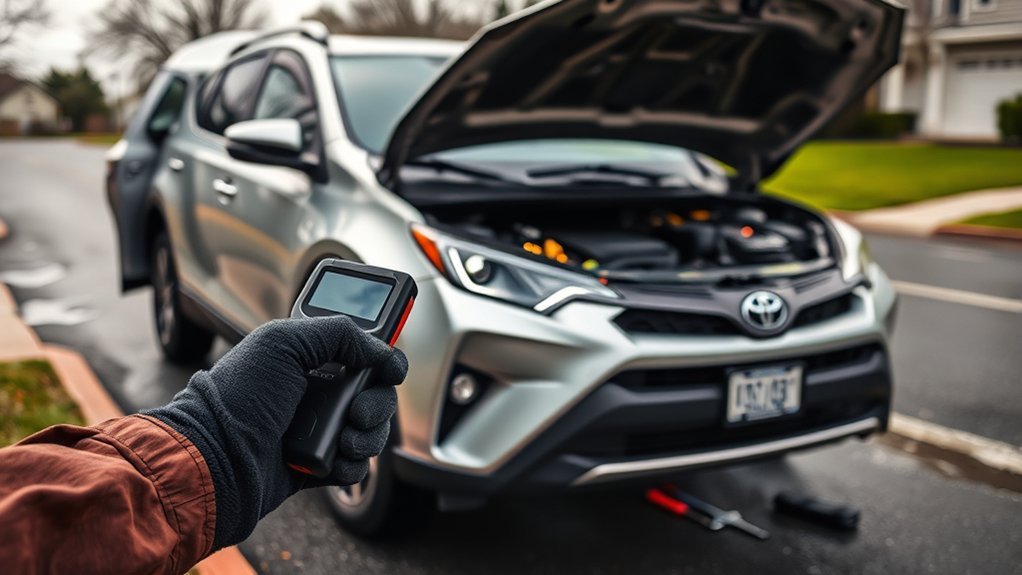
If you own a Toyota RAV4, you might face several common issues. These include transmission problems like rough shifting, excessive oil consumption, and electrical failures such as infotainment screen freezes. You should also watch for frequent O2 sensor failures, which can affect fuel economy. Additionally, keep an eye out for brake and suspension issues. Understanding these challenges can help you maintain your RAV4 better. Explore further to uncover solutions and more important information.
Common Issues RAV4 Owners Face
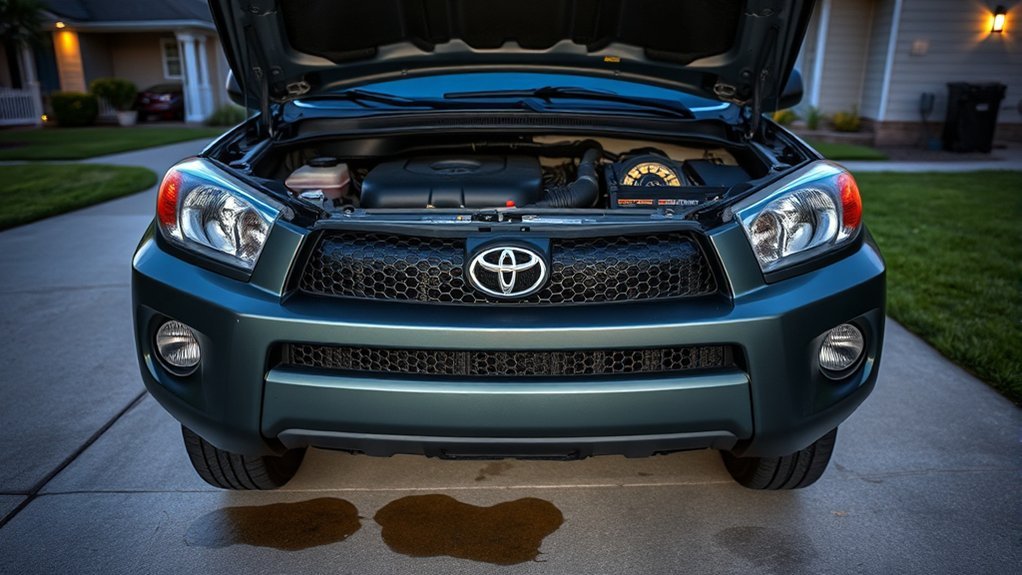
When you own a Toyota RAV4, you might encounter several common issues that can affect your driving experience. Transmission problems often arise, especially in earlier models, leading to rough shifting and hesitation at low speeds. If your RAV4 is an older model with high mileage, you might find these issues more pronounced. Electrical failures are another concern; frozen infotainment screens and battery drain can disrupt your daily drive. In addition, brake and suspension problems, like squeaky brakes and rear alignment issues, can compromise safety and comfort. Finally, frequent O2 sensor failures can result in poor fuel economy and activate the check engine light, signaling a need for attention. Recognizing these common issues early can empower you to seek solutions, ensuring your RAV4 continues to deliver the reliability and performance you expect. Stay proactive and informed to enjoy a liberating driving experience with your vehicle.
Excessive Oil Consumption: Causes and Solutions
If you’re noticing a drop in oil levels or seeing smoke from your exhaust, your Toyota RAV4 might be facing excessive oil consumption. This issue, often linked to worn piston rings or valve seals, can seriously impact your engine’s performance. To keep your vehicle running smoothly, regular maintenance and close monitoring of oil levels are essential.
Common Symptoms Noted
Have you noticed your Toyota RAV4 requiring frequent oil top-ups or emitting smoke during acceleration? These common symptoms can indicate excessive oil consumption, particularly in the 2004-2008 models. Addressing these signs early can save you from costly repairs down the line. Here are some symptoms to watch for:
- Frequent oil top-ups between changes.
- Engine warning lights illuminating on your dashboard.
- Visible smoke from the exhaust during acceleration.
- A rough idle, stalling, or loss of power.
If you experience any of these issues, consider using diagnostic tools like OBDII scanners to identify potential problems. Being proactive about these common symptoms can lead to timely solutions and a more liberating driving experience.
Potential Causes Explained
Excessive oil consumption in your Toyota RAV4 can stem from several underlying issues, each requiring attention to prevent further complications. Common causes include worn piston rings, valve seals, or engine sludge buildup. These problems can lead to constant oil top-ups and even engine damage if ignored.
| Symptoms | Potential Causes | Solutions |
|---|---|---|
| Engine warning light | Worn piston rings | Consult a qualified mechanic |
| Smoke from exhaust | Valve seal issues | Regular oil changes |
| Frequent oil changes needed | Engine sludge buildup | Use synthetic oil |
Recommended Maintenance Practices
While you may not think much about oil consumption, adopting recommended maintenance practices can make a significant difference in your Toyota RAV4’s performance and longevity. To combat excessive oil consumption, consider implementing these essential practices:
- Regular Oil Changes: Use synthetic oil every 10,000 miles or 12 months, and mineral oil every 5,000 miles or 6 months.
- Monitor Oil Levels: Check your oil regularly and top up as needed to avoid severe engine issues.
- Use High-Quality Oil: Invest in reputable oil brands to guarantee peak engine protection.
- Address Issues Promptly: If you notice excessive oil consumption, investigate possible causes like worn piston rings or valve seals immediately.
Catalytic Converter Software Issues
Wondering why your Toyota RAV4’s dashboard lights up with a warning for the catalytic converter? It might just be a case of catalytic converter software issues, particularly in models from 1996, 2001-2005, and 2007. These software faults can trigger false alarms, leading you to believe there’s a serious problem when there isn’t. Genuine catalytic converter issues usually come with clear symptoms like poor performance, starting troubles, or a sulfur smell.
To save yourself unnecessary costs, it’s essential to diagnose the problem accurately. Using an OBDII diagnostic tool can help you determine whether it’s really a software glitch or a mechanical failure. Regular checks after 50,000 miles can also guarantee your catalytic converter remains in good health. By addressing these software issues promptly, you can avoid the expensive replacement of a perfectly functioning component, empowering yourself to take control of your vehicle’s health.
Frequent O2 Sensor Failures in RAV4: What to Watch For
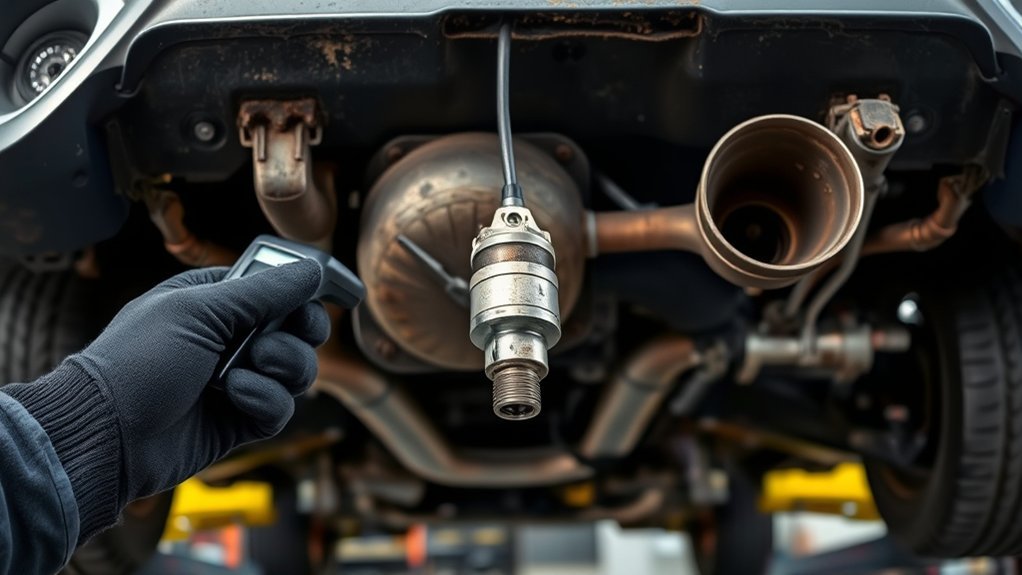
If you own a Toyota RAV4, you might encounter frequent O2 sensor failures that can greatly affect your driving experience. These issues often arise at higher mileage and can lead to several noticeable symptoms. Here are some key signs to watch for:
- Poor fuel economy: Notice a dip in gas mileage? A failing O2 sensor could be the culprit.
- Hesitation during acceleration: If your RAV4 struggles to pick up speed, it’s time to investigate.
- Check engine light: An illuminated warning light is an essential prompt to run a diagnostic test (OBDII).
- Performance issues: Malfunctioning O2 sensors can disrupt your vehicle’s fuel/air mixture, impacting performance.
Addressing frequent O2 sensor failures promptly through regular maintenance checks can liberate you from further complications. Replacement is typically straightforward and cost-effective, allowing you to maintain your RAV4’s efficiency and performance.
EVAP System Errors: Symptoms and Fixes
As you drive your Toyota RAV4, you might notice the check engine light illuminating, a common sign of EVAP system errors that shouldn’t be ignored. The EVAP (Evaporative Emission Control) system plays an essential role in preventing gasoline vapors from entering the atmosphere. If you own a 1998, 2002, 2005, 2011, or 2013 model, watch for symptoms like a faulty fuel tank, EVAP canister issues, or a malfunctioning fuel tank pressure sensor.
Diagnosing these errors usually involves an OBDII scanner to identify specific error codes. Once you pinpoint the problem, repairs often include replacing components like the gas cap or the EVAP canister. Regular maintenance and inspections can prevent these costly repairs and help keep your emissions in check. Addressing EVAP system errors not only enhances your RAV4’s performance but also supports environmental integrity.
Manufacturer Recalls: What RAV4 Owners Need to Know
While enjoying the reliability of your Toyota RAV4, it is crucial to stay informed about any manufacturer recalls that could impact your vehicle’s safety and performance. Here’s what you need to know:
- Fire Risks: From 2013 to 2018, several models faced recalls due to potential fire hazards associated with 12-volt batteries.
- Brake Issues: In 2019, RAV4 Hybrids were recalled for brake-booster pump non-compliance, affecting assist and stability control.
- Fuel Pump Concerns: Numerous models were recalled for low-pressure fuel pump issues, which could cause engine stalling.
- NHTSA Database: The National Highway Traffic Safety Administration maintains a database where you can check if your RAV4 is subject to any recalls.
Make sure to contact your dealer for any necessary remedial work to keep your vehicle safe and compliant with these manufacturer recalls. Staying informed empowers you as an owner!
How to Navigate Lemon Law Claims for Your RAV4?

Steering through Lemon Law claims for your Toyota RAV4 can feel overwhelming, but understanding the basics is the first step. You’ll need to document every repair attempt and interaction with the dealer to build a strong case. Seeking legal assistance can greatly improve your chances of a successful outcome, so don’t hesitate to reach out for help.
Lemon Law Basics Explained
If you’ve found yourself dealing with persistent issues in your Toyota RAV4, understanding the Lemon Law can be a game changer. This law protects you from significant defects that can’t be resolved after reasonable repair attempts. Here’s how to navigate a lemon law claim:
- Know the Criteria: Familiarize yourself with the Song-Beverly Consumer Warranty Act’s requirements for lemon claims.
- Document Everything: Keep detailed records of repair orders and symptoms to support your case.
- Seek Legal Help: Consult a Lemon Law attorney to evaluate your situation and gather evidence.
- Understand Financial Benefits: Winning your claim can recover attorneys’ fees and costs, giving you financial protection as you seek justice.
Documenting Repair Attempts
Documenting repair attempts is essential when pursuing a Lemon Law claim for your Toyota RAV4. Keep a detailed log of all interactions with your dealer, including dates, issues reported, and service orders. This documentation not only highlights your ongoing concerns but also strengthens your case under California’s Song-Beverly Consumer Warranty Act. Make sure to note follow-up visits and any responses you receive, as these can reveal the extent of the defect’s impact on your vehicle’s use, value, or safety. Collecting this evidence is key to qualifying for repurchase, replacement, or cash compensation. By meticulously documenting repair attempts, you empower yourself in steering through the Lemon Law process and seeking the liberation you deserve from a faulty vehicle.
Seeking Legal Assistance
When facing persistent issues with your Toyota RAV4, knowing how to effectively navigate Lemon Law claims can make all the difference. Here’s how to approach it:
- Document Everything: Keep meticulous records of repair orders, service days, and symptoms.
- Understand State Laws: Research your state’s specific Lemon Law criteria, like California’s Song-Beverly Act, which offers robust protections.
- Consult an Attorney: Engaging a Lemon Law attorney can bolster your case, helping to gather evidence and negotiate with manufacturers.
- Know Your Rights: If successful, you might recover attorney fees, making legal assistance financially viable.
Navigating these steps can empower you to claim your rights and seek a repurchase or replacement for your RAV4.
Frequently Asked Questions
What Are the Biggest Problems With the Toyota RAV4?
The biggest problems with the Toyota RAV4 include engine issues like excessive oil consumption and rough performance, along with transmission troubles and electrical failures. Staying informed helps you navigate these challenges effectively and maintain your vehicle’s reliability.
What Are the Best Years for a RAV4?
If you’re eyeing a RAV4, consider 2016 and 2018 for their unmatched reliability. These years combine durability and advanced features, ensuring you enjoy a smooth ride while embracing freedom on the road.
Do RAV4S Have Transmission Problems?
Yes, RAV4s can have transmission issues, especially in older models. You might notice rough shifting or hesitation. Regular diagnostics can help catch these problems early, preventing costly repairs and ensuring a smoother driving experience.
What Year to Avoid Toyota RAV?
You should avoid the 2004-2008 models due to excessive oil consumption and the 2006 model for transmission issues. Prioritize model reliability to guarantee a smoother, safer driving experience and decrease the likelihood of costly repairs.
Conclusion
To sum up, while the Toyota RAV4 is generally a reliable vehicle, it’s crucial to be aware of common issues like excessive oil consumption and O2 sensor failures. Notably, over 30% of RAV4 owners report experiencing at least one of these problems. Staying informed about potential recalls and knowing your rights under lemon laws can save you time and money. By being proactive, you can guarantee your RAV4 remains a dependable companion on the road.