Does the Toyota RAV4 Have Rear Air Conditioning?
Rear-seat cooling can feel weak in a Toyota RAV4, even when the air conditioner works well up front. Many RAV4 models send air to the back through rear passenger vents or airflow from the front vents, but rear comfort depends on trim, settings, cabin heat, and airflow path. This guide explains how RAV4 rear air conditioning works, what can reduce rear airflow, and how you can help rear passengers stay cooler.
Quick Answer
Many Toyota RAV4 models have rear-seat air vents, but most do not give rear passengers separate temperature controls. Cooling can feel weaker in the back if ECO mode, vent direction, cabin heat, or blocked vents limit airflow. Keep the center vents open, use recirculation at first, and check the rear vent area for blocked airflow.
Key Takeaways
- Many RAV4 models offer rear-seat vents, but rear controls vary by model year and trim.
- Weak rear cooling often comes from blocked vents, poor vent direction, ECO settings, or heat-soaked cabin surfaces.
- Rear passengers usually depend on the main front climate controls for temperature and fan speed.
- Window tinting, recirculation, and regular cabin filter changes can improve rear-seat comfort.
- Low refrigerant, weak airflow, or strange noises should prompt a professional heating, ventilation, and air conditioning inspection.
Common Problems With Rear Air Conditioning In The RAV4
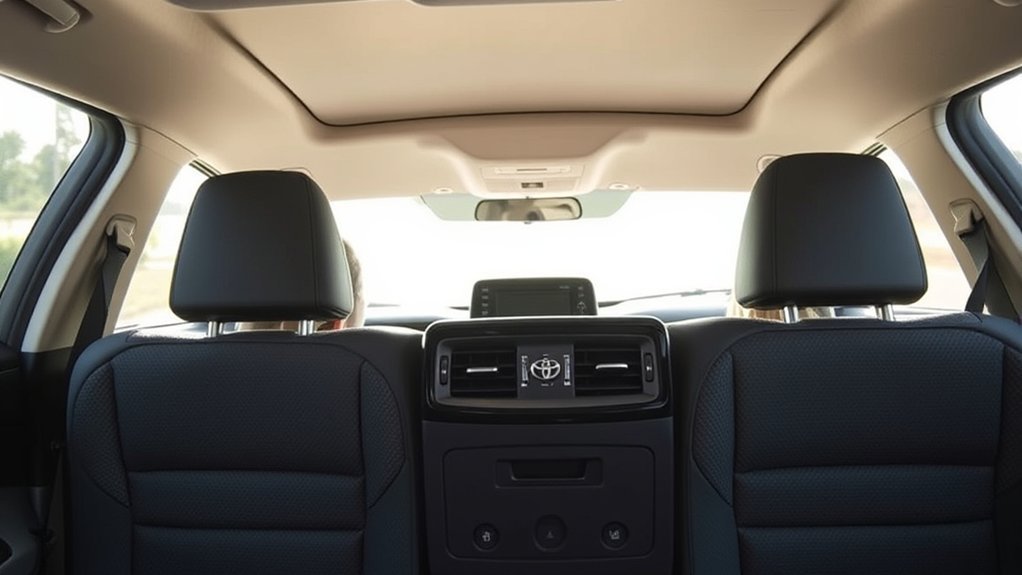
When you’re cruising in your Toyota RAV4, rear passengers may not feel the same cold air you feel up front. The most common complaint is weak airflow from the rear-seat area, especially on hot days or when the cabin has been parked in direct sun.
Several things can cause this problem. The rear vents may be partly closed, blocked by bags, or covered by the front seats. ECO mode or efficiency-focused climate settings can also reduce how hard the system works.
Some RAV4 models also lack separate rear temperature controls. That means rear passengers depend on the main climate settings in the front row.
Note: Rear air conditioning features can vary by RAV4 model year, trim, market, and package.
How To Troubleshoot Rear Air Vent Issues?
If your Toyota RAV4 rear vents feel weak, start with the simple checks before assuming a major repair. Most rear airflow problems come from settings, closed vents, or blocked air paths.
Check HVAC Settings
Start by checking the heating, ventilation, and air conditioning (HVAC) settings. Set the system to cool, raise the fan speed, and choose a mode that sends air through the dashboard vents.
If your RAV4 has an automatic climate mode, test both Auto mode and manual fan control. Some drivers get stronger rear airflow when they increase fan speed by hand.
If your vehicle has an ECO climate setting, turn it off during the first few minutes of cooling. You can turn it back on after the cabin temperature drops.
Inspect Air Vent Blockages
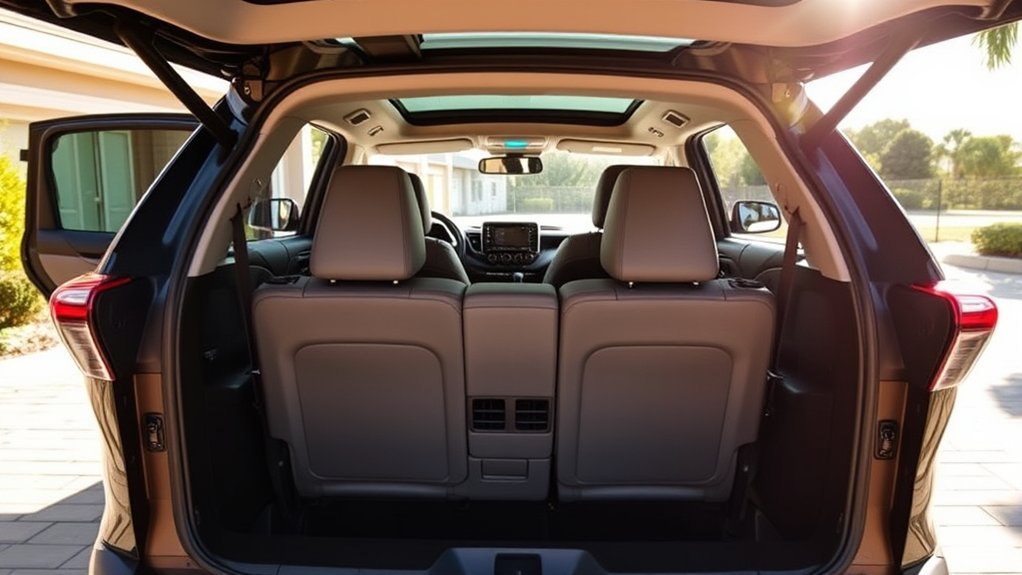
Check the rear seating area for items that block the vent openings. Bags, jackets, floor mats, child seats, and seat covers can reduce airflow to rear passengers.
Make sure the center vents stay open and pointed toward the cabin. If your RAV4 has vents at the back of the center console, check that the vent wheels or sliders sit in the open position.
If airflow still feels weak, inspect the cabin air filter. A dirty filter can reduce airflow through the whole system, not just the rear vents.
Before You Assume The Rear AC Is Broken
A warm rear seat does not always mean the air conditioner has failed. The rear area often cools more slowly because it sits farther from the main evaporator and fan assembly.
Try these quick checks first:
- Start the system on recirculation for faster cabin cooling.
- Open the front center vents and aim them toward the rear cabin.
- Raise the fan speed for the first few minutes of driving.
- Park in shade or use a windshield sunshade when possible.
- Replace the cabin air filter if airflow feels weak from all vents.
Real User Experiences With RAV4 Rear Air Conditioning
RAV4 owners often share mixed feedback about rear-seat cooling. Some drivers say their rear passengers feel comfortable once the vehicle starts moving and the fan speed increases.
Other owners say the back seat can stay warm during very hot weather. This can happen when the vehicle sits in the sun, the windows absorb heat, or the front vents do not direct enough air toward the rear.
Many owners suggest keeping the center vents open and using window tinting to reduce cabin heat. These simple changes can help rear passengers feel cooler without changing the HVAC system.
Effective Strategies To Improve Rear Seat Cooling
Improving rear seat cooling in your Toyota RAV4 can make a big difference during hot weather. Start with airflow, then reduce heat entering the cabin.
| Strategy | What To Do | Why It Helps |
|---|---|---|
| Use Front Vents | Keep the center vents open and aim them toward the rear cabin. | It sends more cool air toward rear passengers. |
| Use Recirculation | Turn on recirculation during the first few minutes of cooling. | It cools cabin air faster than hot outside air. |
| Add Window Tinting | Use legal tint that meets your local rules. | It reduces heat and sunlight in the rear cabin. |
| Use Clip-On Fans | Add a safe removable fan for more air movement. | It helps rear passengers feel cooler. |
| Maintain The HVAC System | Replace the cabin filter and service the system when needed. | It helps the system keep steady airflow. |
These steps will not turn a basic climate system into a separate rear climate zone. Still, they can improve comfort for kids, pets, and adult passengers in the back seat.
Pro tip: Cool the cabin with the doors open for a short moment before driving if the RAV4 sat in direct sun.
Comparing Rear Air Conditioning Features Across RAV4 Trim Levels
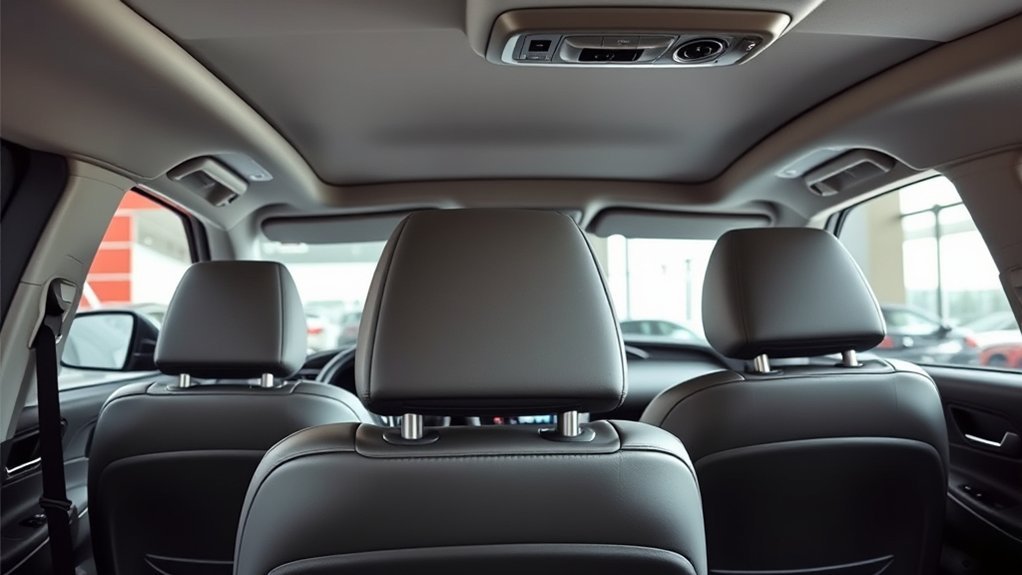
Rear air conditioning features can differ across Toyota RAV4 trims and model years. Some models include rear-seat vents, while others rely more on airflow from the front vents.
Higher trims often include more comfort features, such as automatic climate control or extra seat comfort options. But rear passengers still may not get their own separate temperature controls.
Before buying a specific RAV4, check the window sticker, owner’s manual, or Toyota feature list for that exact model. Trim names alone can vary by year and region.
When To Get Professional AC Service
Call a qualified technician if the rear vents have almost no airflow while the front vents also feel weak. This can point to a clogged cabin filter, blower issue, blend door fault, or other HVAC problem.
You should also get service if the air never gets cold, the system makes new noises, or you notice a musty smell. Low refrigerant, leaks, or electrical faults need proper tools and training.
Warning: Do not vent refrigerant or open sealed AC lines at home, because refrigerant service requires proper equipment and safe handling.
Engaging With The RAV4 Community For Air Conditioning Solutions
The RAV4 community can help you compare real owner experiences with rear air conditioning. Owners often share tips about vent settings, window tinting, cabin filters, and model-specific comfort issues.
Forum discussions can also help you spot patterns across model years and trims. Treat those reports as helpful experience, not as a replacement for your owner’s manual or a technician’s diagnosis.
If you join a discussion, include your model year, trim, climate settings, and the exact symptom. Clear details help other owners give better answers.
Frequently Asked Questions
Does the RAV4 Have Rear AC?
Many Toyota RAV4 models have rear-seat vents, but rear AC features vary by model year and trim. Most RAV4 models use the main front climate system rather than a separate rear climate system.
How to Turn on Backseat AC in Toyota RAV4?
Turn on the main air conditioner, set the fan speed high, and choose the dashboard vent mode. If your RAV4 has rear vent controls, open the rear vents and aim them toward the passengers.
Why Is My RAV4 Rear AC Not Blowing Hard?
Weak rear airflow often comes from closed vents, blocked vent paths, low fan speed, ECO climate settings, or a dirty cabin filter. Check those items before you schedule service.
Does ECO Mode Affect RAV4 Air Conditioning?
ECO settings can reduce climate system output in some driving conditions to save energy or fuel. If the rear seat feels warm, turn ECO climate settings off until the cabin cools down.
What Is the Most Common Problem With a Toyota RAV4?
Common RAV4 problems depend on model year, mileage, maintenance history, and engine type. For an AC concern, focus first on airflow, cabin filter condition, refrigerant performance, and vent settings.
Conclusion
The Toyota RAV4 can provide rear-seat cooling, but the results depend on your exact model and how you use the climate controls. Start with the easy fixes: open the vents, increase fan speed, use recirculation, and check for blocked airflow. If the whole system feels weak or warm, schedule a proper HVAC inspection. With the right settings and routine care, your RAV4 can keep rear passengers more comfortable on warm drives.