Toyota RAV4 Eco Mode Explained
Toyota RAV4 Eco Mode vs Normal Mode: Which Should You Use?
Choosing the wrong drive mode won’t damage your Toyota RAV4, but it can make your trip feel less smooth or less efficient. Eco mode helps you drive gently and save fuel, while Normal mode gives you a balanced feel for daily roads. This guide explains how each mode works, when to use it, and what trade-offs you should expect.
Quick Answer
Use Eco mode when you want smoother acceleration and better fuel-saving behavior during calm city driving. Use Normal mode when you want a more natural throttle feel for daily driving, highway merging, hills, or mixed roads. Toyota describes Normal mode as a blend of fuel economy and performance, while Eco mode helps maximize fuel efficiency.
Key Takeaways
- Eco mode softens throttle response, so acceleration feels slower and smoother.
- Normal mode gives you a balanced drive for most daily trips.
- Eco mode may reduce climate control power to support better fuel use.
- Your real fuel savings depend on traffic, speed, weather, load, tires, and driving style.
Quick verdict: Choose Eco mode if fuel savings and smooth city driving matter most. Choose Normal mode if you want easier acceleration and a more responsive feel.
Key Features of Eco Mode in the Toyota RAV4
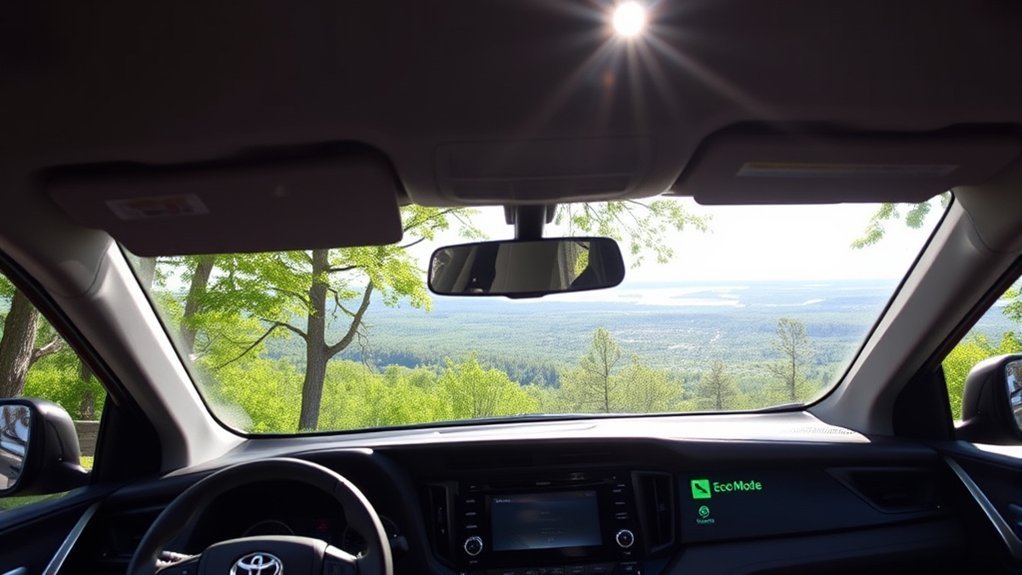
When you turn on Eco mode in the Toyota RAV4, the vehicle changes how it responds to your right foot. The accelerator feels less sharp, so you need more pedal travel for the same response. This smoother feel can help you avoid quick starts that waste fuel.
Toyota says Eco mode helps maximize fuel efficiency. Toyota quick reference guides also describe Eco drive mode as useful for trips with frequent acceleration. That makes it a smart choice for city streets, slow traffic, and calm commutes.
Eco mode can also affect the heating, ventilation, and air conditioning (HVAC) system on some RAV4 models. The system may reduce heating or cooling output to save energy. If the cabin feels too warm or too cold, switch back to Normal mode or adjust the climate settings.
How Normal Mode Affects Your Driving Experience
Normal mode gives your Toyota RAV4 a balanced feel. Toyota describes it as a mode that blends fuel economy with performance. You get smoother daily driving without the slower pedal feel that Eco mode can create.
Use Normal mode when you drive on highways, climb hills, merge into faster traffic, or carry extra weight. It gives you a more direct response when you press the accelerator. That can make the RAV4 feel easier to control in mixed road conditions.
Normal mode does not force you to drive aggressively. You can still get good fuel economy by keeping steady speed, braking early, and avoiding hard acceleration. Your habits matter more than the mode alone.
Eco vs. Normal Mode Fuel Efficiency
Eco and Normal modes both support efficient driving, but they use different methods. Eco mode changes throttle response and may reduce climate control demand. Normal mode keeps the drive more balanced, which can work better when road speed changes often.
| Feature | Eco Mode | Normal Mode |
|---|---|---|
| Throttle Response | Softer and slower | Balanced and more direct |
| Best Use | City driving and frequent acceleration | Daily driving and mixed roads |
| Fuel Use | Can help reduce fuel use | Can stay efficient with smooth driving |
| Climate Control | May reduce energy demand | Keeps a more normal comfort feel |
| Driving Feel | Calm and relaxed | More natural and responsive |
Don’t expect Eco mode to guarantee a fixed miles per gallon (MPG) gain. Traffic, tire pressure, wind, cargo weight, outside temperature, and your driving style all affect fuel economy.
Choosing the Right Mode for Your Driving Needs

Choose Eco mode when you want smooth, fuel-minded driving. It works best when you don’t need quick acceleration, such as in traffic, residential streets, parking lots, and steady city routes.
Choose Normal mode when you want the RAV4 to feel more responsive. It works well for highway ramps, hills, passing, bad weather judgment calls, or any trip where you want faster pedal response.
Note: Always choose the mode that helps you drive smoothly and safely for the current road, traffic, and weather.
Can Eco Mode Hurt Performance?
Eco mode does not remove engine power, but it can make the RAV4 feel slower because it softens accelerator response. You may notice this most when you merge, pass, or climb a hill.
Switch to Normal mode when you need a quicker response. You can change between Eco and Normal mode while driving, but make the change only when you can do it without distraction.
Common Driver Feedback on Eco and Normal Modes
Driver feedback often comes down to feel. Some RAV4 owners like Eco mode because it makes city driving smoother and less jumpy. Others prefer Normal mode because the accelerator feels more natural.
Use feedback as a guide, not as proof of guaranteed fuel savings. Your own route gives you the best answer. Try each mode for a full tank on similar routes, then compare your trip computer results.
| Feature | Eco Mode | Normal Mode |
|---|---|---|
| Driving Experience | Smoother in slow traffic | More responsive overall |
| Fuel Efficiency | Helps support lower fuel use | Balances fuel use and response |
| Throttle Response | Slower pedal feel | Quicker pedal feel |
| Driving Habits | Best for relaxed driving | Best for varied roads |
| Road Conditions | Good for urban routes | Good for highways and hills |
Your best choice depends on your route, comfort needs, and how much response you want from the accelerator.
Frequently Asked Questions
What Is the Difference Between Eco and Normal Mode?
Eco mode softens accelerator response and helps the RAV4 favor fuel-saving behavior. Normal mode gives you a balanced drive that blends fuel economy with better response.
What Does Normal Mode Do in RAV4?
Normal mode gives your RAV4 its standard daily driving feel. It keeps acceleration more natural than Eco mode while still supporting efficient driving habits.
Can I Switch From Eco to Normal While Driving?
Yes, you can switch from Eco to Normal mode while driving in most RAV4 models. Do it only when the road gives you enough time and space to stay focused.
What Drive Mode Should I Drive In?
Use Eco mode for relaxed city driving and fuel-saving trips. Use Normal mode for daily mixed driving, highway merging, hills, and times when you want a quicker response.
Does Eco Mode Save Gas on the Highway?
Eco mode can help if you keep a steady speed and avoid hard acceleration. At higher highway speeds, wind, terrain, tire pressure, and driving style may affect fuel economy more than the selected mode.
Conclusion
Eco mode works best when you want calm driving and better fuel-saving behavior. Normal mode works best when you want a balanced response for everyday roads. Try both modes on the same regular route, then compare how the RAV4 feels and how much fuel you use. Once you know the difference, you can choose the right mode before each trip with more confidence.
References
- 2025 Toyota RAV4 Drive Modes: Toyota Motor Sales, U.S.A., 2025.
- 2025 Toyota RAV4 Quick Reference Guide: Toyota Motor Sales, U.S.A., 2025.
- Toyota RAV4 Driving Mode Select Switch Owner’s Manual: Toyota Owner’s Manual reference page.