The best 275/70R18 tires for towing have a load index that covers your axle weights, a sturdy LT build, and a tread that matches where you drive. For mostly paved towing, the RBP Guarantor H/T and Prinx HiCountry HT2 are the highway-terrain picks. The SUMMIT Trail Climber AT02, Barkley Rammus X/T and Lexani TerrainBeast AT are for gravel, snow or rougher roads.
Disclosure: some links are Amazon affiliate links; we may earn a commission at no extra cost to you.
Size basics: 275/70R18 is a 275 mm wide tire with a 70 percent sidewall on an 18-inch wheel, roughly 33.2 inches tall. A load index of 125 means up to 3,640 lb per tire; 122 means 3,300 lb. Always match the tire to the sizes and load ratings on your door-jamb placard.
| RBP Guarantor H/T All Season LT275/70R18 125/122Q E Light Truck Tire | 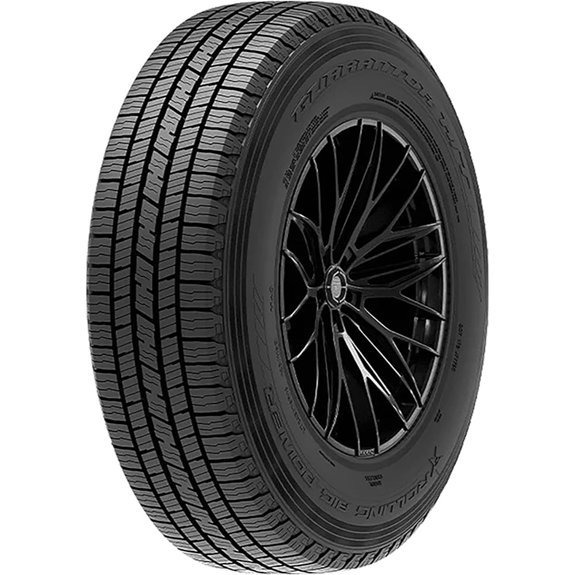 | Best Highway Tow | Tire Type: Highway terrain all-season | Tire Size: LT275/70R18 | Load Index: 125/122 | VIEW LATEST PRICE | Read Our Analysis |
| SUMMIT Trail Climber AT02 LT275/70R18 Tire | 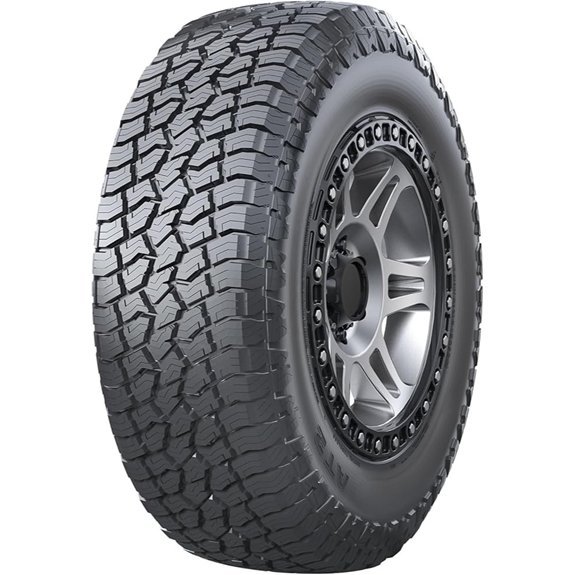 | Best All-Terrain | Tire Type: All-terrain year-round | Tire Size: LT275/70R18 | Load Index: Not listed | VIEW LATEST PRICE | Read Our Analysis |
| Barkley Rammus X/T All-Terrain Mud Truck Tire | 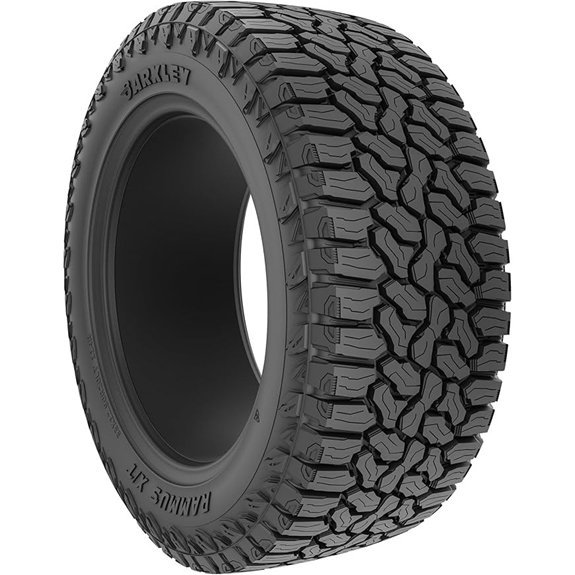 | Best Off-Road | Tire Type: All-terrain mud off-road | Tire Size: LT275/70R18 | Load Index: 125/122 | VIEW LATEST PRICE | Read Our Analysis |
| Prinx HiCountry HT2 Highway LT275/70R18 125/122S E Light Truck Tire | 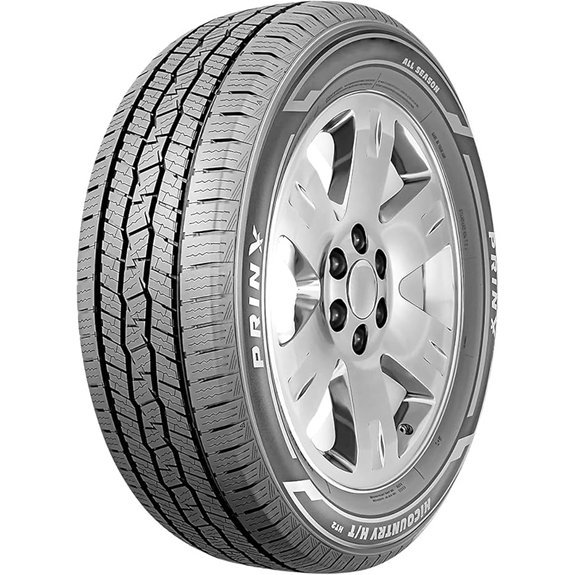 | Best Highway Value | Tire Type: Highway all-season | Tire Size: LT275/70R18 | Load Index: 125/122 | VIEW LATEST PRICE | Read Our Analysis |
| LEXANILXSTAT1870010 TerrainBeast AT Tire 275/70R18 125S Black Sidewall | 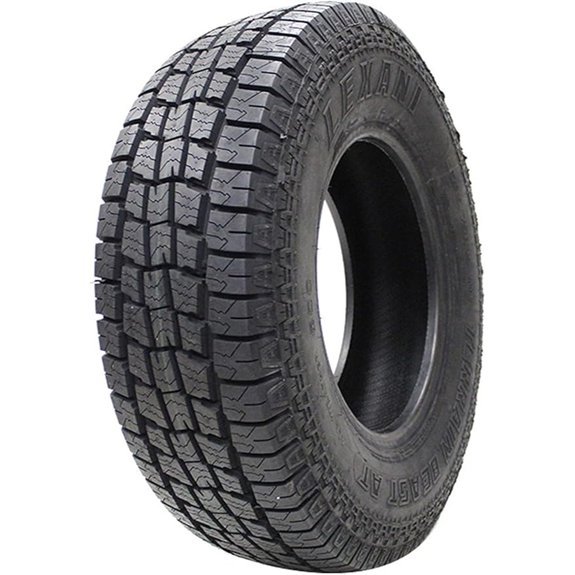 | Best Stable Ride | Tire Type: All-terrain | Tire Size: 275/70R18 | Load Index: 125 | VIEW LATEST PRICE | Read Our Analysis |
More Details on Our Top Picks
RBP Guarantor H/T All Season LT275/70R18 125/122Q E Light Truck Tire
A highway-terrain, all-season LT tire in LT275/70R18, listed as 125/122Q with an E load range (10-ply rating). It suits towing mostly on pavement, where a symmetrical tread and a quiet-ride design matter more than off-road bite. The Amazon listing mentions a 60,000-mile limited warranty; confirm the terms before you buy.
- Tire Type: Highway-terrain all-season
- Tire Size: LT275/70R18
- Load Index: 125/122 (per listing title)
- Load Range: E (10-ply rating)
- Tread: Symmetrical
- Warranty: Per listing; confirm terms
Pros
- All-season highway terrain suits dry and wet conditions
- Symmetrical tread reduces road noise
- Optimized design cuts vibration
Cons
- Light truck tire requires proper inflation
- Highway terrain limited for off-road use
SUMMIT Trail Climber AT02 LT275/70R18 Tire
An all-terrain LT275/70R18 with deep lugs, staggered shoulder blocks and sidewall biters. It makes sense if your tow rig also sees gravel, ruts or snow. The listing describes it as Three Peak Mountain Snowflake rated, but the load index and ply rating are not shown, so check the sidewall or ask the seller before using it on a heavy trailer.
- Tire Type: All-terrain
- Tire Size: LT275/70R18
- Load Index: Not listed
- Load Range: Not listed
- Snow Rating: 3PMSF (per listing)
- Warranty: Per listing; confirm terms
Pros
- Aggressive all-terrain tread handles loose ground
- Staggered blocks and sidewall biters grip ruts
- Three Peak Mountain Snowflake certified
Cons
- All-terrain may reduce highway traction
- Aggressive pattern increases road noise
Barkley Rammus X/T All-Terrain Mud Truck Tire
A hybrid all-terrain/mud tire in LT275/70R18, listed as 125/122R with a 10-ply rating. Large interlocking blocks and deep voids favor dirt, gravel and sand. It is the least highway-oriented pick here, so choose it when your towing includes unpaved roads or job sites. Warranty terms vary by listing, so confirm them before buying.
- Tire Type: All-terrain / mud hybrid
- Tire Size: LT275/70R18
- Load Index: 125/122 (per listing)
- Load Range: 10-ply rating (per listing)
- Tread: Aggressive, deep voids
- Warranty: Per listing; confirm terms
Pros
- 125/122R load rating handles extreme terrain
- 10-ply strength supports heavy towing
- Interlocking blocks bite dirt and gravel
Cons
- Mud tire performance limited on highways
- Reinforced sidewalls add weight
Prinx HiCountry HT2 Highway LT275/70R18 125/122S E Light Truck Tire
A highway-terrain LT275/70R18, listed as 125/122S with an E load range. The closed shoulder is meant to limit irregular wear, and the siping adds all-season grip. It is the value pick for pavement-heavy towing; ply rating and warranty are not shown on the listing data we have, so verify them before you buy.
- Tire Type: Highway all-season
- Tire Size: LT275/70R18
- Load Index: 125/122 (per listing title)
- Load Range: E (per listing title)
- Tread: Closed shoulder, multiple sipes
- Warranty: Not listed
Pros
- Smart highway value for tow vehicles
- Rigid shoulder reduces irregular wear
- Wide footprint boosts wet grip
Cons
- Highway focus limits off-road capability
- Multiple siping may affect durability
LEXANILXSTAT1870010 TerrainBeast AT Tire 275/70R18 125S Black Sidewall
An all-terrain tire in 275/70R18, listed with a 125S rating and a 33.2-inch overall diameter, which matches the size math for this tire. The asymmetrical tread has deep shoulder grooves and siping to temper road noise. It also comes in a black-sidewall finish. Confirm the ply or load range with the seller, since the listing title shows only the 125 load index.
- Tire Type: All-terrain
- Tire Size: 275/70R18
- Load Index: 125 (single)
- Speed Rating: S
- Diameter: About 33.2 in
- Warranty: Not listed
Pros
- 125 load index and 10-ply build handle weight
- Asymmetrical tread provides directional grip
- Closed grooves improve steering feel
Cons
- 33.2-inch diameter fits specific trucks
- Siping may require more frequent replacement
Factors to Consider When Choosing 275 70R18 Tires for Towing

When you choose 275/70R18 tires for towing, you need to check the load rating first so the tires can safely handle your trailer weight. You should also look for tow-friendly tread patterns, strong wet traction, and reinforced sidewalls that stay stable under stress. Don’t overlook heat resistance, since towing builds heat fast and can wear out weaker tires sooner.
Load Rating Matters
Load rating matters because it tells you how much weight each tire can safely carry, which is critical when you’re towing heavy trailers or hauling loads. When you choose 275/70R18 tires, check the load index first; a 125 rating supports up to 3,850 pounds per tire, giving you the strength you need for demanding jobs. You should also look for a higher ply rating, like 10-ply, because it boosts durability and helps resist punctures under stress. Match the tire’s load capacity to your vehicle’s towing limits so you don’t create a safety gap. If you overload the tires, you’ll see faster wear, weaker handling, and a greater chance of tire failure while towing.
Tow-Friendly Tread Patterns
Tow-friendly tread patterns can make a real difference in how confidently your 275/70R18 tires handle a trailer. You’ll usually want a symmetrical or non-directional tread because it helps keep handling stable and predictable under load. If you tow on dirt, gravel, or jobsite roads, look for deep lugs and aggressive blocks that bite harder and maintain traction. Larger voids also help clear mud and debris, so the tire keeps working instead of packing up and slipping. A closed shoulder design can reduce uneven wear and support long-term durability when you’re towing often. If winter hauling matters, choose a tire with the Three Peak Mountain Snowflake rating for added grip and control in severe snow.
Wet Traction Control
Wet traction matters just as much as tread layout when you’re towing with 275/70R18 tires. You need strong wet grip to cut hydroplaning risk and keep your trailer tracking straight in rain. Look for deeper tread blocks and symmetrical or aggressive patterns, since they move water away more effectively and help the tire bite into slick pavement. Siping also matters because those tiny slits add extra edges for traction when the road turns glossy. A higher ply rating can help the tire hold the contact patch more consistently under load, which supports control on wet roads. Don’t ignore tread depth, either; once it wears down, wet stopping and cornering get worse fast, especially when you’re hauling heavy.
Sidewall Strength
A tire’s sidewall is the backbone of towing stability, and with 275/70R18s you need enough strength to carry heavy trailer loads without excessive flex. When you tow, a stronger sidewall helps you keep the tire planted, reduces sway, and protects against deformation under weight. Look for higher ply ratings, like 10-ply options, because they usually give you tougher construction and better puncture resistance. Tires built for towing also use reinforced sidewalls to hold shape when you’re pulling hard. You should also pay attention to aspect ratio; a lower ratio often means a stiffer sidewall and less movement. Keep your tires properly inflated, since low pressure can damage the sidewall and compromise towing safety.
Heat Resistance
Beyond sidewall strength, heat resistance is one of the biggest factors in towing safety. When you tow heavy loads, your tires work harder and build more heat, which can lead to failure or even a blowout. You should look for 275 70R18 tires built with compounds that shed heat efficiently and hold up under stress. A 10-ply rating can help because it adds structural support and improves thermal durability. Tread depth and pattern matter too, since they help maintain traction while cutting excess friction. Keep your tire pressure where it should be, because under-inflation traps heat and shortens tire life fast. If you want safer towing, prioritize tires that stay cool, stay strong, and keep performing under load.
Highway Ride Stability
For highway towing, stability starts with the tire’s footprint, and a 275 mm section width gives you more contact with the road to help reduce sway. That wider footprint helps your rig stay planted when a trailer pushes from behind. Look for a symmetrical tread, since it supports predictable traction and steady handling while you’re hauling. A closed, rigid shoulder also matters because it resists uneven wear and helps you track straight at speed. If you tow heavy loads often, choose a tire with a 10-ply construction for added strength and load capacity. You’ll also appreciate optimized tread patterns that cut road noise, so you can stay focused, reduce fatigue, and keep your tow setup calm on long highway runs.
Winter Weather Grip
When winter roads turn slick, your 275 70R18 tires need more than basic all-season traction to tow safely. Look for the Three Peak Mountain Snowflake symbol, since it shows the tire’s ability to handle severe snow and ice better. An aggressive tread with deep lugs and staggered shoulder blocks bites into packed snow and helps you keep control under load. Softer rubber compounds stay flexible in freezing temperatures, so they grip better than hard compounds. You should also check the void pattern; it moves slush and water away from the contact patch and lowers hydroplaning risk. Reinforced sidewalls add toughness on rough, frozen roads, so you can tow with more confidence when conditions get ugly.
Tread Life Warranty
After winter grip, tread life warranty is another key factor to weigh when choosing 275/70R18 tires for towing. You should treat it as a clue to how well a tire can handle load, heat, and long miles. A 60,000-mile warranty usually signals stronger construction and better durability for heavy hauling. If you’re looking at 10-ply options, you’ll often see longer coverage because they’re built for added pressure and weight. Read the fine print, though, since some warranties only cover specific wear patterns or stay valid if you rotate and maintain the tires on schedule. A limited warranty still helps, giving you peace of mind while you test real-world performance.
Related reading:
- Tire Pressure for Towing: Vehicle & Trailer Guide
- How to Set Tire Pressure for Heavy Loads and Towing
- Best Tires for Towing: Trailer Tires vs Tow-Vehicle Tires
Frequently Asked Questions
How Do 275 70R18 Tires Affect Towing Fuel Economy?
275 70R18 tires can slightly reduce your towing fuel economy if they’re heavier, wider, or more aggressive, because you’ll use more energy rolling and accelerating. Proper inflation and low rolling resistance help you save fuel.
Can These Tires Improve Trailer Sway Control?
Yes, they can help a bit, but they won’t be a magic wand. You’ll improve sway control more with proper load rating, inflation, alignment, and trailer setup. Tires support stability; your whole towing system keeps it steady.
What Tire Pressure Is Best for Towing Heavy Loads?
You’ll usually want to run the tire pressure on the sidewall max when towing heavy loads, unless your truck maker specifies less. Check it cold, then adjust for load, temperature, and traction needs.
Do 275 70R18 Tires Fit Factory Tow Packages?
Yes, 275/70R18 tires often fit factory tow packages, like keys sliding into a well-worn lock, but you should verify wheel clearance, load rating, and suspension specs so you don’t rub or overload your setup.
How Often Should Towing Tires Be Rotated?
You should rotate towing tires every 5,000 to 7,500 miles, or with each oil change. You’ll even out wear, improve handling, and help them last longer under heavy loads and frequent towing.
Conclusion
When you’re towing, your tires become the bridge between your truck and the load behind it. Choose the 275/70R18 set that matches your hauling needs, and you’ll feel the difference in every mile. A strong H/T or light-truck all-terrain can symbolize steady footing, while the wrong tire can turn confidence into strain. Pick wisely, keep them aired right, and you’ll pull with more control, more comfort, and a lot less worry on the road.
What to Check Before Buying Tow Tires in 275/70R18
Match the tire to the load first, then to the terrain. These are the points that matter most for towing.
Load index and load range
Weigh the loaded truck and trailer. Divide each axle weight by two, and choose a tire whose load index is higher than that number. Light truck tires in load range E are built for higher inflation and heavier loads than standard passenger tires.
Tread pattern
Highway-terrain tires give the quietest, most stable ride on pavement. All-terrain and mud-terrain tires add grip on gravel and dirt but are noisier and can wear faster on the road.
Sidewall and heat
Towing builds heat, and under-inflation makes it worse. Check pressures cold, and replace tires with cracked sidewalls or uneven wear. See our general towing tire guide for more.
Winter traction
If you tow in snow, look for the Three Peak Mountain Snowflake symbol on the sidewall. Of these picks, only the SUMMIT is listed with it.
Warranty
Mileage warranties differ by seller and often require rotation records. Read the terms on the listing before you rely on one.
Quick Fit Checklist
- Confirm 275/70R18 on your tire placard or owner’s manual
- Check the load index against your heaviest axle weight
- Check wheel-well clearance if you are changing from the stock diameter
- Pick highway-terrain for pavement, all-terrain for mixed roads
- Set cold pressure to the placard and recheck before each trip
Frequently Asked Questions
What load index do I need for 275/70R18 towing tires?
Add up your loaded axle weights, divide by two, and pick a load index that exceeds it with a margin. A 125 index carries 3,640 lb per tire and 122 carries 3,300 lb, but your door-jamb placard and trailer weights decide what you actually need.
What tire pressure should I use when towing?
Start with the cold pressure on your vehicle’s door-jamb placard, and follow the owner’s manual for towing or heavy-load pressures. Do not simply inflate to the maximum number on the sidewall, which can hurt ride and traction.
Are all-terrain tires fine for towing on the highway?
Yes, many are, as long as the load index and load range cover your weights. Expect more road noise and sometimes faster center wear than a highway-terrain tire, which is why the RBP and Prinx picks suit pavement-heavy towing.
Will 275/70R18 tires fit my truck or SUV?
They are a common size on 18-inch wheels of many half-ton and three-quarter-ton trucks, but fitment depends on the wheel width, offset and suspension. Check the tire placard and your owner’s manual, and test clearance if you change from the stock size.
How often should I rotate towing tires?
Follow your manual, but 5,000 to 7,500 miles is a common interval. Towing loads the rear tires harder, so regular rotation and pressure checks help even out wear. A good tire pressure gauge makes the checks easy.
Bottom Line
For pavement-heavy towing, start with the RBP Guarantor H/T or Prinx HiCountry HT2. For gravel, snow or job sites, look at the SUMMIT, Barkley or Lexani, and verify the load rating before you buy. Also see our 275/60R20 tires for the Ram 1500 if you are weighing a different size.