Orange Seal Tubeless Tire Sealant Review
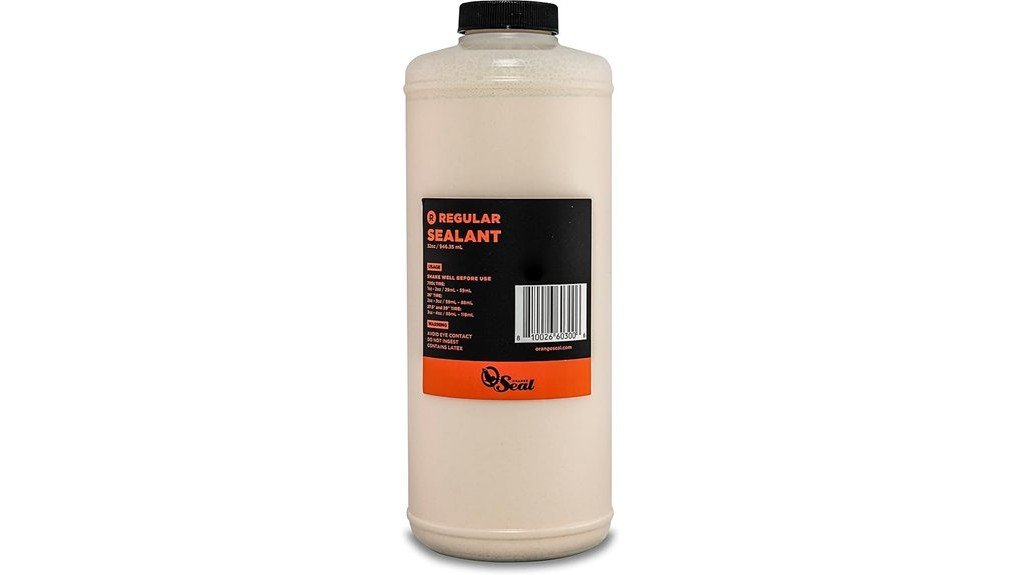
Orange Seal Tubeless Tire Sealant is a latex-based option for mountain, road, gravel, cyclocross, and e-bike setups. It seals punctures up to 1/4 inch and slices up to 3/4 inch, while helping create a reliable airtight tubeless system. The formula coats the inside of the tire evenly, supports bead-to-rim sealing, and works with tubeless-ready and UST tires, including aluminum and carbon rims, even in temperatures down to 11°F. More details follow below.
Key Takeaways
- Orange Seal is a versatile latex-based tubeless sealant for road, gravel, mountain, cyclocross, and e-bike setups.
- It seals small punctures quickly and can handle holes up to 1/4 inch and slices up to 3/4 inch.
- The formula coats tires evenly, helps maintain airtight bead sealing, and works with tubeless-ready and UST tires.
- It performs reliably in varied conditions, including temperatures as low as 11°F.
- Broad rim and tire compatibility, plus strong puncture protection, make it a solid value for tubeless riders.
What Is Orange Seal Tubeless Sealant?
Orange Seal Tubeless Tire Sealant is a versatile latex-based sealant made for mountain, road, gravel, cyclocross, and e-bike setups. It uses natural latex to coat the inside of a tire, helping seal small punctures and support airtight tubeless systems.
For riders seeking liberation from frequent flats, the sealant benefits include broad compatibility with tubeless-ready and UST tires, plus protection against rubber breakdown.
Application tips matter, so careful dosing and even distribution improve coverage at the bead and casing. The formula is designed for varied compounds, making it a practical choice for mixed riding conditions and regular maintenance.
How Does Orange Seal Tubeless Sealant Perform?
In actual use, the sealant is built to handle a wide range of riding conditions, and it does so with practical, measurable performance.
It supports mountain, road, gravel, cyclocross, and e-bike setups, so riders can keep moving with more freedom and less worry. Its natural latex formula coats the tire interior evenly, which helps preserve tire integrity and supports clean bead-to-rim sealing.
Sealant longevity is solid, and temperature performance remains dependable down to 11°F.
Compatible with major tubeless-ready and UST tires, it offers broad fit, steady function, and consistent results across different rubber compounds.
How Does Orange Seal Handle Punctures and Slices?
Built to stop damage before it becomes a ride-ending problem, Orange Seal handles punctures with a clear, practical range of protection. It seals holes up to 1/4 inch and slices up to 3/4 inch, giving riders a dependable layer of puncture prevention.
That means sharp trail debris or road grit is less likely to end a ride early, and the wheel keeps moving with minimal interruption. Natural latex helps the sealant bond fast, which supports sealant longevity and steady performance over time.
The result is a straightforward defense that helps riders stay free to keep rolling.
How Compatible Is Orange Seal With Tires and Rims?
Compatibility is one of Orange Seal’s strongest practical advantages, because it is designed to work with all major tubeless-ready and UST tire brands across mountain, road, gravel, cyclocross, and e-bike setups.
It supports many tire types, and it bonds well with common rim materials such as aluminum and carbon. The sealant’s latex base helps it spread evenly inside the casing, so bead sealing stays dependable and the system feels open and secure.
For riders seeking freer movement from flat-risk anxiety, that broad fit is notable. It also adapts to varied rubber compounds, keeping compatibility broad and practical.
Is Orange Seal Tubeless Sealant Worth Buying?
So, is Orange Seal Tubeless Sealant worth buying? For riders seeking freedom from flats, the answer is often yes.
In user experience, it seals punctures up to 1/4 inch and cuts up to 3/4 inch, while working in temperatures as low as 11°F. It uses natural latex, bonds well to rubber, and seals bead-to-rim gaps from the inside out.
In product comparison, it stands out for broad compatibility with tubeless-ready and UST tires, plus mountain, gravel, road, cyclocross, and e-bikes.
For practical reliability, it helps preserve tire integrity and reduce breakdown.
Frequently Asked Questions
How Often Should Orange Seal Sealant Be Refreshed?
Orange Seal sealant should be refreshed every two to six months, depending on heat and riding frequency. Sealant longevity improves with regular checks; maintenance tips include topping off sooner in dry climates for tire freedom.
Can Orange Seal Be Used in Extreme Winter Conditions?
Yes, it can. Like a lantern holding steady in a frozen storm, its winter performance remains dependable down to 11°F, while sealant durability helps preserve freedom to ride when roads and trails turn harsh.
Does Orange Seal Stain Rims or Tires?
Staining is generally minimal, and staining prevention is aided by prompt cleanup after use. Rim compatibility remains broad, so he or she can expect little discoloration when applied correctly, preserving freedom to ride without worry.
How Much Sealant Should I Add per Tire?
They should add about 2 to 4 ounces per tire, depending on size, and then check tire pressure after sealant application. More volume suits larger tires, helping riders move freely with dependable protection.
Is Orange Seal Safe for Carbon Rims?
Yes—carbon rim compatibility is generally strong, and sealant performance stays reliable when applied correctly. The key concern remains cleanliness and rim tape integrity. With proper setup, it offers freedom from flats without threatening carbon rims.
Conclusion
Orange Seal Tubeless Tire Sealant stands out as a practical, broad-use option for riders who want steady puncture protection without much fuss. Its ability to seal holes up to 1/4 inch, and cuts as large as 3/4 inch, gives it a clear performance edge in everyday riding. The formula remains effective down to 11°F, which matters in cold conditions. For most tubeless setups, it offers a dependable balance of compatibility, durability, and ease.