LiQuiTube Tire Sealant Review: A Game Changer
Disclosure: As an Amazon Associate, we earn from qualifying purchases. If you click a link on this page and make a purchase, we may receive a small commission at no extra cost to you.
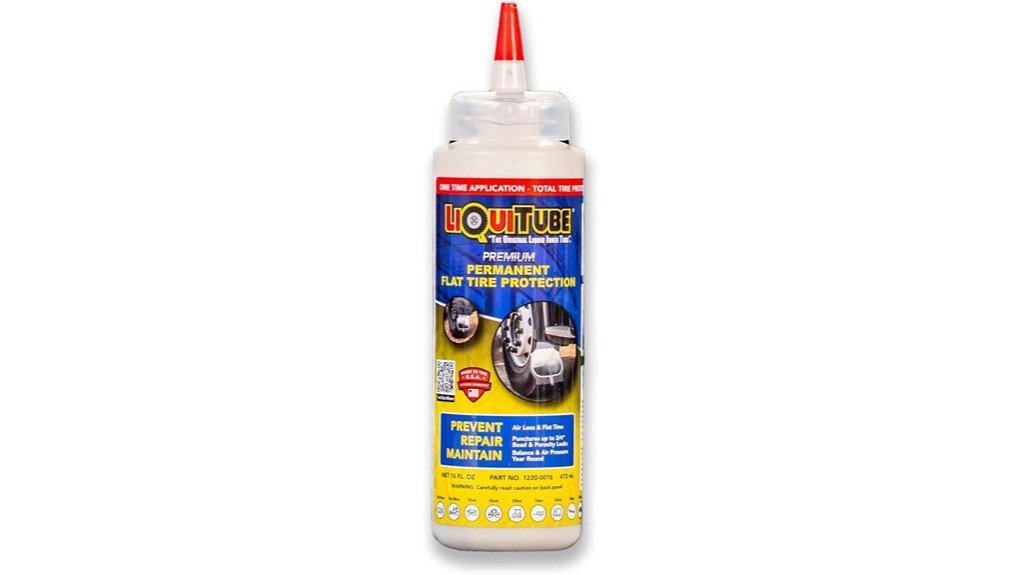
LiQuiTube Tire Sealant Review
Flat tires on heavy equipment can stop your work cold, whether you run semi trucks, tractors, or skid steers across job sites. LiQuiTube Tire Sealant offers a liquid solution that coats the tire interior and seals damage from the inside. This review explains how the product performs, where it delivers the most value, and whether it fits your maintenance routine.
Our Verdict
Rating: 8/10
Best For: Fleet managers and equipment operators who run semi trucks, tractors, skid steers, ATVs, trailers, and mowers in gravel, mud, or farm conditions and want fewer flat tire interruptions.
Bottom Line: LiQuiTube Tire Sealant seals punctures up to 3/4 inch and helps stop bead, rim, and porosity leaks in both tubeless tires and tubes. You still need regular pressure checks and inspections, but it can reduce roadside repairs and support steadier uptime in demanding work.
| Specification | Detail |
|---|---|
| Brand | LiQuiTube |
| Product Type | Heavy-duty tire sealant |
| Maximum Puncture Size | Up to 3/4 inch in heavy ply tires |
| Compatible Tire Types | Tubeless tires and tubes |
| Recommended Applications | Semi trucks, tractors, skid steers, ATVs, trailers, mowers |
| Key Functions | Seals punctures, bead leaks, rim leaks, and porosity leaks |
What Is LiQuiTube Tire Sealant?
LiQuiTube Tire Sealant is a heavy-duty liquid tire protector formulated for tubeless tires and tubes. It creates an internal coating that activates when pressure forces the formula into a puncture or leak point, forming a plug that helps keep the tire inflated.
The product targets industrial and off-road equipment that faces frequent debris and rough surfaces. It works across semi trucks, tractors, skid steers, ATVs, trailers, and mowers, and it addresses punctures up to 3/4 inch in heavy ply tires along with bead, rim, and porosity leaks.
You apply it once to gain ongoing protection that supports longer tire life and fewer emergency stops. The straightforward installation and broad vehicle compatibility make it a practical addition to preventive maintenance for high-use equipment.
Who It’s For
- Fleet managers who oversee semi trucks and trailers and want to lower the number of flat tire repairs on job sites and highways.
- Operators of tractors, skid steers, and mowers who work in fields, gravel yards, or muddy conditions and need reliable tire performance without constant interruptions.
- ATV owners and workers who run equipment in off-road or farm settings and value added protection against punctures and air loss.
Who Should Skip It
- Owners of standard passenger cars or light-duty trucks who may find lighter consumer sealants better suited to their driving conditions.
- Anyone expecting a completely hands-off fix, since you must still check tire pressure regularly and inspect for new damage.
- Users who prefer to avoid any internal residue in tires with sensitive TPMS sensors until they confirm full compatibility with their setup.
How LiQuiTube Stops Tire Flats
The sealant stays liquid inside the tire and activates the moment a puncture or leak occurs. Pressure pushes the formula into the damage site, where it forms a plug that stops air from escaping. You gain protection without needing to stop work immediately for every small incident.
It closes punctures up to 3/4 inch in heavy ply tires and also helps seal bead, rim, and porosity leaks. This range of coverage supports tires that operate on gravel, mud, and uneven ground where sharp objects and abrasion are common.
For you, the result is fewer roadside stops, steadier inflation, and less reliance on outside repairs during demanding shifts or seasonal work.
Where LiQuiTube Works Best
This sealant is built for heavy-duty and off-road use where tire damage happens often and downtime costs add up quickly. You will see the strongest results on equipment that operates in gravel yards, muddy job sites, farm fields, and similar rough terrain.
It fits tubeless tires and tubes across semi trucks, tractors, skid steers, ATVs, trailers, and mowers. The formula helps maintain pressure even after encountering debris, giving you more consistent performance when your vehicles or equipment stay in motion for long periods.
By addressing punctures up to 3/4 inch plus bead, rim, and porosity leaks, it supports wheels that keep turning reliably across demanding conditions.
How It Performs in Real Use
On a Job Site
When your skid steer or tractor encounters debris in a gravel yard or muddy field, the sealant can plug the puncture and help the tire stay inflated. You can often finish the task or reach a safer spot for inspection instead of dealing with an immediate flat that halts progress.
For Fleet Operations
Fleet managers use it across trucks and trailers to reduce unexpected air loss during daily routes. Combined with regular pressure checks, the product supports more predictable schedules and fewer emergency service calls when vehicles operate in areas with higher puncture risks.
During Seasonal or Storage Periods
For mowers, ATVs, and trailers used seasonally, applying the sealant before storage or peak use periods helps protect against slow leaks that appear after sitting. You return to equipment that holds pressure better and requires fewer last-minute fixes.
Why Fleets Use LiQuiTube Tire Sealant
Fleet managers choose this sealant because it combines puncture protection, air retention, and simpler tire maintenance in one product. It helps cut downtime across vehicles that see constant or heavy use in challenging environments.
The formula seals punctures up to 3/4 inch and assists with bead, rim, and porosity leaks in both tubeless tires and tubes. That coverage matters for trucks, tractors, and trailers that move through debris-prone areas and need dependable pressure to stay productive.
You gain stronger overall efficiency and measurable cost savings from fewer unexpected repairs when you add it to a regular preventive maintenance plan.
How to Install and Maintain It
Installing LiQuiTube is designed to be straightforward so crews can add protection without long delays. You add the sealant through the valve stem or directly into the tire, then inflate to the recommended pressure so the formula coats the inner surface evenly.
Follow these tips for tubeless tires, tubes, and heavy ply casings:
- Start with a clean valve to allow smooth flow.
- Rotate the tire slowly to help the sealant spread inside.
- Confirm the tire holds a firm footprint and maintains pressure on rough ground.
For best results, check tire pressure on a regular schedule, inspect for new damage, and reapply after major tire service. This routine keeps your equipment moving with less downtime and more consistent performance.
Pros and Cons
Pros
- Seals punctures up to 3/4 inch in heavy ply tires for broad protection in rough conditions.
- Works in both tubeless tires and tubes, giving you versatility across many equipment types.
- Also helps seal bead, rim, and porosity leaks in addition to punctures.
- Simple installation through the valve stem or direct application saves time for crews and operators.
- Supports reduced downtime and steadier tire pressure for fleets and high-use equipment.
Cons
- Requires regular tire pressure checks and reapplication after major service to maintain full effectiveness.
- May leave residue inside the tire that needs cleaning during repairs.
- Not a substitute for routine inspections and proper tire maintenance practices.
Is It Worth the Price?
LiQuiTube Tire Sealant delivers practical value for operators and fleets where downtime from flats carries a real cost. The ability to handle larger punctures and multiple leak types in heavy-duty and off-road tires justifies its place in preventive maintenance programs for industrial and farm equipment.
You get the strongest return when your vehicles or machinery operate in debris-heavy or rough terrain on a regular basis. For lighter or occasional use on standard passenger tires, the benefits may be more limited compared to products made specifically for those conditions.
Overall, it represents a worthwhile investment when you weigh the time and expense saved from avoided roadside repairs and extended tire service life in demanding environments.
How It Compares to Alternatives
If your needs center on standard passenger vehicles or lighter use, other tire sealants formulated for consumer applications may provide adequate protection with simpler formulations. For heavy equipment and larger puncture risks, LiQuiTube focuses on industrial durability and broader leak coverage that lighter products often do not match.
Buyers who prioritize maximum uptime across trucks, tractors, and off-road equipment will find this option aligns with those priorities, while those seeking the easiest possible solution for everyday on-road driving may prefer alternatives designed for lighter-duty tires.
Frequently Asked Questions
How Long Does LiQuiTube Remain Effective After Installation?
LiQuiTube can remain effective for extended periods after proper installation. You should check tire pressure regularly and reapply after major tire service to keep the protective coating working as intended.
Is LiQuiTube Safe for High-Speed Highway Driving?
When used as directed, it can help maintain tire inflation after minor damage and support stability during highway driving. It is not a replacement for proper tire maintenance, and you should always follow your vehicle manufacturer’s safety guidelines.
Can LiQuiTube Be Removed if a Tire Needs Repair?
Yes, technicians can typically remove the sealant during a tire repair. The process may require cleaning residue from the interior so a proper patch or fix can restore reliable performance.
Does LiQuiTube Affect Tire Sensors or TPMS Systems?
It generally does not harm tire pressure monitoring systems, though residue could occasionally affect sensor readings. Confirm compatibility with your specific tires and vehicle if you rely on TPMS for daily monitoring.
What Temperature Conditions Work Best for Storing LiQuiTube?
Store LiQuiTube in a cool, dry place between 40°F and 80°F. Keep the container sealed and away from direct sunlight, freezing temperatures, or extreme heat to preserve the formula.
The Bottom Line
LiQuiTube Tire Sealant is a practical choice if you manage heavy-duty or off-road equipment and want help reducing flat tire downtime. It seals punctures up to 3/4 inch and addresses bead, rim, and porosity leaks across tubeless tires and tubes, delivering clear benefits for fleets and operators in rough conditions. If your work stays limited to light-duty or passenger vehicles, or if you want a zero-maintenance option, other products may serve you better.
Ready to Buy?