Fat Tire 20×4.0/26×4.0 Inch Review
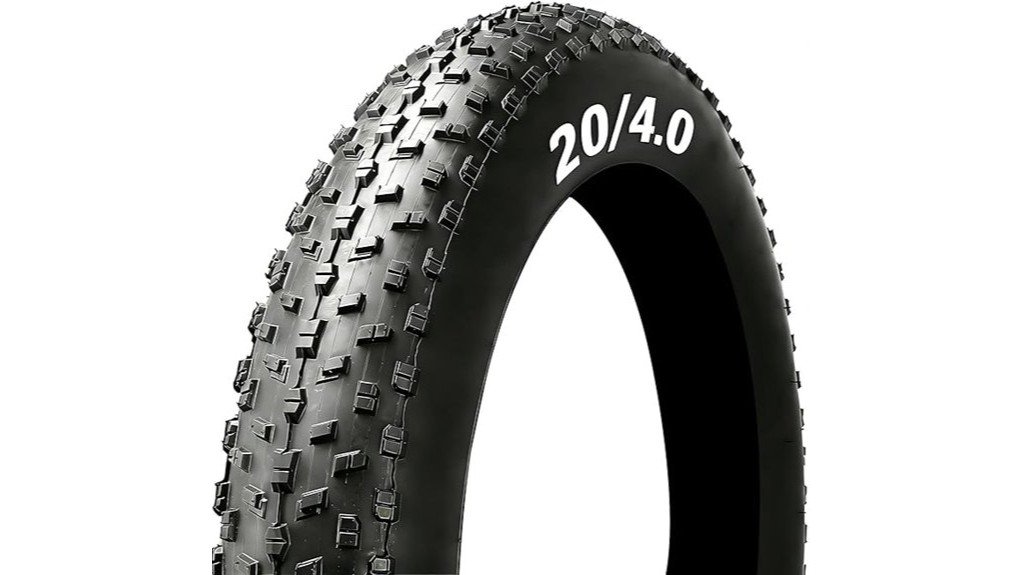
[Fit?] Fat Tire 20×4.0 (also 26×4.0) is a clincher for fat-bike and wide electric MTBs, with 20 PSI max and 30 TPI. [Grip?] Dual tread grooves help tracking on loose dirt, snow, sand, and beach paths, with better corner stability when leaning. [Compatibility?] Confirm rim specs for fat/wide wheels, correct bead type, and clearance before buying. [Durability?] Reinforced rubber targets puncture resistance, and running near 20 PSI can reduce flats. If they want a clear fit check, continue to learn more.
Key Takeaways
- Overview of the tire’s 20×4.0 and 26×4.0 sizes, built for fat bikes and wide electric MTBs.
- Review highlights tread behavior: strong straight grip plus stable cornering from biomimetic dual-function grooves.
- Notes pressure handling details, emphasizing the 20 PSI max and how near-cap inflation can reduce flats.
- Covers durability and puncture resistance, including engineered rubber and reinforced tread for mixed terrain use.
- Explains compatibility requirements: clincher-only, correct fat/wide rim fit, and front/rear clearance checks before purchase.
Fat Tire 20×4.0 Fit: Size, PSI, TPI Limits
To confirm proper fit, the buyer should match the tire’s stated dimensions and inflation limits before purchase.
For this Fat Tire 20×4.0, size compatibility means a rim and frame made for 20×4.0 inches, common on fat bikes and wide electric MTB setups.
The tire is rated for up to 20 PSI max, so tire pressure should stay within that limit for safe handling and off-road control.
TPI is 30, which supports a balanced sidewall feel.
Quick checks
- Confirm 20×4.0 dimensions
- Stay at or below 20 PSI
- Verify wheel type, clincher
How the Tread Grips Straight Lines and Corners
After confirming the tire is truly a 20×4.0 clincher and staying at or below the 20 PSI max rating, tread shape becomes the next factor that affects control.
Once you’ve verified a true 20×4.0 clincher and stayed within 20 PSI, tread shape is the next key to better control.
A dual-function tread uses biomimetic grooves to improve tread performance on straight rides, keeping the bike tracking predictably even on loose surfaces.
As the rider leans, the side tread blocks engage, boosting corner stability. For buyers, this means better confidence when shifting from flat ground to turns, on off-road trails, snow, sand, or beach paths.
Quick takeaways
- Straight grip improves tracking
- Side bite supports turns
- Designed for trail and all-terrain use
Fat Tire 20×4.0/26×4.0 Compatibility & Rim Fit
| Fit check | What to verify |
|---|---|
| Size match | 20×4.0, then 26×4.0 options |
| Bead type | Clincher only |
| Wheel type | Fat bike / wide-wheel rims |
| Max pressure | 20 PSI cap |
| Rim specifications | Width within fat-bike range |
- Check dimensions before purchase
- Confirm front/rear rim compatibility
Puncture Resistance and Durability in Real Use
How well does this tire hold up when rides get rough? In real world performance, the Fat Tire 20×4.0/26×4.0 focuses on puncture resistance and long-lasting tread, based on engineered rubber and reinforced tread flexibility.
User experiences on trails, snow, and beach paths often note fewer flats when pressure stays near 20 PSI max. It is built to reduce cuts from sharp gravel.
- Max inflation: 20 PSI
- TPI: 30, denser build
- Reinforced compound for wear
- Off-road and trail durability
Quick takeaways
- Prioritize correct pressure for best durability
- Expect steadier reliability across mixed terrain
Who Should Buy: and Who Should Skip This Tire
Who Should Buy This Tire?
This tire suits riders who want freedom beyond smooth pavement, especially urban riders pairing fat-bike style traction with everyday stability.
Buyers should consider weight considerations, since 20×4.0/26×4.0 tires are bulkier and may feel heavier than standard widths.
Who Should Skip This Tire?
It may not fit shoppers needing light, narrow street performance or tight wheel clearance.
It’s a folding clincher with 30 TPI and up to 20 psi, so very fast road commuters may prefer lower-volume options.
Also, confirm sizing before purchase; wheel rims are not included.
Takeaways
- Best for trails, snow, sand, beach use
- Check fit, clearance, and weight goals
Frequently Asked Questions
Is This Tire Compatible With My Wheel Size Besides 20X4.0?
Yes. This tire is made for 20×4.0, so tire compatibility depends on matching wheel measurements.
It also claims fit on wide frames for certain formats, but it should not be assumed to fit other sizes safely.
Buyer guidance: confirm your rim diameter and tire bead seat match 20 inch, and check width targets near 4.0.
It’s a clincher, max 20 PSI, good for fat bikes and off-road.
What’s the Recommended PSI for Sand, Snow, and Trail Riding?
Recommended PSI by riding conditions
For this tire, the max inflate is 20 PSI.
For better float and control, riders typically run lower tire pressure by riding conditions:
- Sand: ~6–10 PSI
- Snow: ~4–8 PSI
- Trail (mixed terrain): ~10–16 PSI
Buyer guidance takeaways
- Lower PSI increases contact patch.
- Adjust within the 20 PSI limit for comfort and traction.
- Recheck pressure before rides.
How Does Folding Affect Tire Strength After Unfolding and Installing?
How does folding affect tire strength after unfolding and installing?
Folding mechanics mainly change how the tire is transported, not its core structure. After unfolding, the compound may briefly relax, which can help the tread seat evenly on rims.
For tire durability, they should inspect the 20×4.0 size, keep within the 20 PSI max, and confirm fit before riding.
Takeaways
- Unfold 1–2 days to flatten
- Check for creases or damage
- Install correctly for best performance
Can This Tire Handle Tubeless Setups or Only Inner Tubes?
Tubeless or inner tubes?
This replacement tire is listed as a clincher and is intended for inner tubes, not for tubeless systems.
While some riders adapt tubeless setups with sealant and tape, compatibility is not confirmed here.
For buyer confidence, they should verify wheel rim tubeless readiness first, then match the tire pressure limits (up to 20 PSI) and evaluate puncture resistance for their off-road use.
Takeaways
- Clincher: inner tubes expected
- Tubeless: not guaranteed
- Max inflate: 20 PSI
How Long Does the Tread Typically Last Under Heavy Off-Road Use?
How long does the tread last under heavy off-road use?
Under heavy off-road use, tread wear often becomes noticeable after about 300–700 miles, depending on rider weight, PSI (up to 20 PSI max), and rock or sand frequency—like a roadmap that fades with every trip.
The tread’s compound supports steady off-road performance on mixed trails, but aggressive turning speeds wear.
Takeaways
- Expect 300–700 miles typical tread wear
- Faster on loose rock, slower on packed trails
- Check alignment and pressure to extend life
Conclusion
Conclusion: Is this tire a good fit?
This Fat Tire 20×4.0/26×4.0 clincher targets all-terrain riding with dual-purpose tread, 30 TPI casing, and up to 20 PSI max, making it steady for straight lines and predictable in corners. It suits fat bikes, e-bikes, wide MTB use, and even snow or beach setups when your rim matches. Think of it like a tire “bridge,” linking grip and durability for daily mixed conditions.
Quick takeaways
- Good traction across changing terrain
- Build favors puncture reliability and wear
- Buy only if your rim supports the 20×4.0/26×4.0 fit