Armstrong Tru-Trac HT Tire Review
Disclosure: As an Amazon Associate, we earn from qualifying purchases. If you click a link on this page and make a purchase, we may receive a small commission at no extra cost to you.
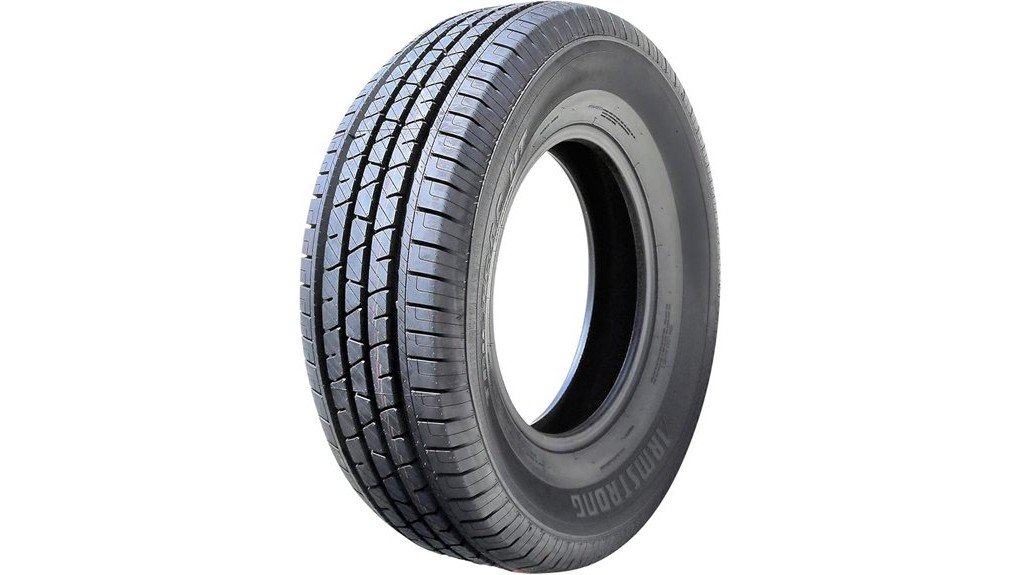
Armstrong Tru-Trac HT LT225/75R16 Tire Review
Light truck drivers need tires that can handle heavier loads while delivering stable handling and comfort over long highway miles. The Armstrong Tru-Trac HT LT225/75R16 combines a 10-ply E-load range build with a non-directional tread focused on wet traction and reduced noise. This review looks at its key specs, real-world highway behavior, and overall value so you can see if it matches your driving priorities.
Our Verdict
Rating: 8/10
Best For: Light truck owners who drive mostly on highways, occasionally haul loads, and want reliable wet traction with a long warranty.
Bottom Line: You get strong 2,649 lb per tire load capacity, good water evacuation from the channel design, and a quieter ride from the shoulder bar. It gives up some deep snow performance and is not built for off-road use.
| Specification | Detail |
|---|---|
| Brand | Armstrong |
| Model | Tru-Trac HT |
| Size | LT225/75R16 |
| Load Range | E (10-ply) |
| Load Index | 115 |
| Maximum Load | 2,649 lbs per tire |
| Maximum Pressure | 80 PSI |
| Speed Rating | T |
| Tread Depth | 11.11 mm |
| Overall Diameter | 29.3 inches |
| Tread Design | Non-directional |
| Warranty | 65,000-mile limited |
What Is the Armstrong Tru-Trac HT LT225/75R16?
The Armstrong Tru-Trac HT is an all-season radial tire built specifically for light trucks and SUVs. It uses a 10-ply E-load range construction in the LT225/75R16 size, giving it the strength to support up to 2,649 pounds per tire at 80 PSI. This places it in the highway terrain category, focused on paved road performance rather than off-road or severe winter use.
Its standout elements include continuous open and lateral channels that help move water away from the contact patch, plus a shoulder bar that contributes to lower road noise. The non-directional tread and 11.11 mm depth support a balance of wet traction and even wear, while the low rolling resistance footprint aims to improve efficiency on steady highway drives.
With a T speed rating and 29.3-inch overall diameter, it suits daily commuting and light hauling where predictable handling and comfort matter most. The 65,000-mile limited warranty adds peace of mind for long-term ownership.
Who It’s For
- Light truck drivers who carry heavier loads or tow light trailers and need the extra margin of a 10-ply E-load range tire rated for 2,649 lbs.
- Highway commuters who want reduced road noise from the shoulder bar design and confident wet handling from the channel layout.
- Value-focused buyers looking for a long 65,000-mile warranty on a tire sized LT225/75R16 with practical all-season capability.
Who Should Skip It
- Anyone who regularly drives in deep snow or icy conditions, since it lacks the aggressive blocks of a true winter tire.
- Off-road or trail users who need deeper lugs and more rugged sidewalls for loose surfaces.
- Drivers seeking maximum tread life under very heavy abuse or high-speed performance beyond the T rating.
Wet Traction and Highway Stability
The Armstrong Tru-Trac HT LT225/75R16 uses continuous open and lateral channels to move water away under load. This design helps you maintain better grip on wet highways, especially at the 225/75R16 size with its 29.3-inch diameter and 11.11 mm tread depth.
Highway stability benefits from the optimized footprint, which supports composed lane changes and gentle curves. You experience a more car-like ride that reduces harshness and fatigue on longer commutes.
The E-load range construction adds confidence when roads are wet and you are carrying typical light truck weights, as the tire maintains its shape and contact patch effectively.
Noise and Rolling Resistance in Real Driving Conditions
This tire is engineered to control everyday drive noise while supporting better rolling efficiency. Quieter tires make highway commuting less fatiguing, particularly during steady speed travel.
The shoulder bar helps reduce hum, and the optimized footprint promotes smoother rotation. At the LT225/75R16 dimensions, the 11.11 mm tread depth and E-range stability contribute to consistent contact with the road.
To maximize these benefits, keep pressures at or below the 80 PSI maximum, rotate the tires regularly, and drive smoothly through corners. These habits help preserve even wear and the intended quiet performance.
Load Capacity, Speed Rating, and Warranty
For light truck use, the E-load range and load index of 115 deliver up to 2,649 lbs of capacity per tire when inflated to 80 PSI. This gives you clear, predictable limits for loaded driving.
The T speed rating supports stable highway performance within its designed range. The 65,000-mile limited warranty backs the tire for extended use, helping you plan ahead with confidence.
How It Performs in Real Use
On Daily Highway Commutes
The combination of low rolling resistance and shoulder bar construction keeps noise levels manageable during long drives at highway speeds. You benefit from stable tracking and reduced fatigue, thanks to the 29.3-inch diameter and non-directional tread that maintains consistent contact.
When Carrying Loads or Light Towing
The 10-ply E construction and 2,649 lb capacity per tire provide the strength needed for frequent hauling. As long as you respect the vehicle’s overall towing limits and maintain proper inflation up to 80 PSI, the tire supports composed handling even when the truck is weighted.
In Wet Weather
Open channels and lateral grooves work to clear water, giving you improved stability on rainy pavement. The 11.11 mm tread depth offers reliable all-season grip for typical wet conditions without the compromises of a dedicated winter tire.
Pros and Cons
Pros
- Strong 2,649 lb per tire load capacity from the 10-ply E-load range handles light truck demands effectively.
- Open and lateral channels improve water evacuation for more confident wet highway driving.
- Shoulder bar design helps lower road noise for a quieter, less fatiguing ride.
- 65,000-mile limited warranty provides solid coverage for long-term highway use.
- Low rolling resistance footprint supports smoother efficiency on steady highway miles.
Cons
- Limited traction in deep snow because it is an all-season tire without winter-specific tread blocks.
- Moderate 11.11 mm tread depth may not last as long under very heavy loads or aggressive use.
- Not designed for off-road or muddy conditions due to its highway-focused tread pattern.
Is It Worth the Price?
The Armstrong Tru-Trac HT offers practical value in the light truck highway all-season segment. Its E-load range, wet traction features, and substantial warranty give you meaningful capability without the higher cost of premium brands.
For drivers who spend most of their time on paved highways and need reliable load support, the tire justifies its positioning through predictable performance and long coverage. You get concrete benefits like the 115 load index and channel design that tie directly to daily usability.
Light truck owners focused on commuting and occasional hauling will find the most value here, especially if a quiet ride and wet weather confidence rank high on their list.
How It Compares to Alternatives
If your driving includes more off-road or loose surface time, all-terrain tires such as the Falken Wildpeak A/T provide deeper lugs and better versatility at the cost of some highway refinement. For buyers who want maximum tread life and premium construction, options from brands like Michelin deliver longer wear but at a higher price.
The Armstrong Tru-Trac HT stands out for light truck drivers who want a quiet, stable highway tire with strong E-load specs and a generous warranty, all while staying in a more accessible value range.
Frequently Asked Questions
Is This Tire Suitable for Light-Duty Towing and Frequent Highway Hauling?
Yes, the Armstrong Tru-Trac HT LT225/75R16 works well for light-duty towing and frequent highway hauling as long as you stay within your vehicle’s towing capacity and the tire’s limits.
Each tire supports up to 2,649 lbs at 80 PSI thanks to the E-load range and 115 load index. The non-directional tread and 11.11 mm depth help maintain steady performance on wet highways during loaded trips.
How Does the Tru-Trac HT Handle Snow Compared to True Winter Tires?
It manages light snow with dependable all-season traction from its compound and wet-oriented channels, but it is not a dedicated winter tire.
Expect shorter grip on packed snow and slower recovery in slush compared to tires with aggressive winter tread blocks. For deeper snow, true winter tires will outperform this model.
What Is the Recommended Rotation Pattern and Typical Rotation Interval?
Rotate the tires every 6,000 to 8,000 miles, or sooner if you notice uneven wear. A forward-then-back pattern works well since the tread is non-directional.
This interval helps maintain even tread depth across the 11.11 mm and supports the full 65,000-mile warranty potential. If your rims are staggered, switch to a cross pattern as needed.
Can I Use These Tires With Existing Rims and TPMS Sensors?
Yes, you can use these tires with existing rims if the rim width matches the recommended range for LT225/75R16, typically around 6 inches, and the bolt pattern plus load rating are compatible.
They also work with most TPMS sensor systems. The sensors are usually valve-mounted, and you may need to reset or reprogram them after installation for proper monitoring.
Does the 65,000-Mile Warranty Require Proof of Regular Maintenance?
The limited warranty generally does not demand proof of maintenance for every claim, but you must use and maintain the tires according to the manufacturer’s guidelines.
Keeping records of rotations, pressure checks up to 80 PSI, and proper loading helps support any warranty claim and protects your investment in the long run.
The Bottom Line
The Armstrong Tru-Trac HT LT225/75R16 gives light truck drivers a solid highway tire with E-load strength, effective wet traction channels, and a quiet shoulder bar design, all backed by a 65,000-mile warranty. It earns an 8/10 for everyday reliability on paved roads and light hauling, though drivers in heavy snow or off-road conditions should look elsewhere.
Ready to Buy?