

The Toyota RAV4’s 4WD system automatically kicks in when it detects slippage, providing you with enhanced traction and stability in various driving conditions. It seamlessly switches between front-wheel drive and all-wheel drive for improved fuel efficiency, engaging the lock button for a 50:50 torque split in slippery situations. This system is designed for everyday driving needs, excelling in rain and snow. There’s even more to discover about its features and maintenance tips to keep your RAV4 performing at its best.
What You Need to Know About the RAV4 4WD System
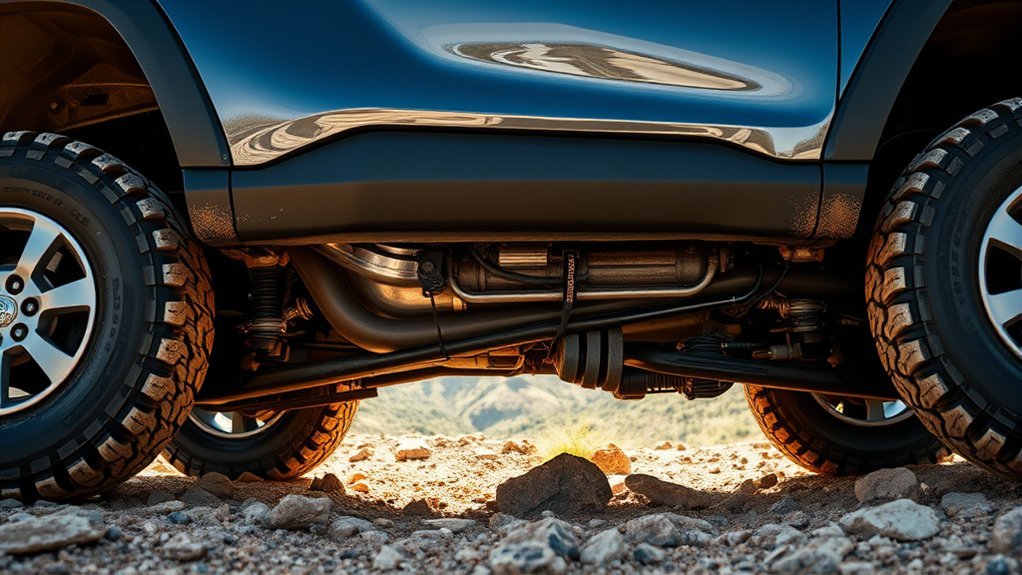
When considering the Toyota RAV4’s 4WD system, it is vital to understand that its automatic all-wheel drive (AWD) capability activates seamlessly based on slippage detection, so you won’t need to manually engage it. This system excels in providing traction control, particularly when traversing snowy conditions. When the front wheels start to slip, power shifts to the rear wheels, enhancing stability and control. The RAV4’s design focuses on improved snow performance, making it a reliable companion for winter adventures.
For those who crave liberation while driving, the RAV4’s AWD system allows for effortless maneuvering in adverse weather without sacrificing fuel efficiency. The lock button enables you to maintain 4WD until speeds hit 25 mph, ensuring maximum traction in tricky situations. However, remember that regular maintenance and quality tires are essential for maximizing this system’s potential and embracing the freedom of the open road.
How Does the RAV4 4WD System Engage in Slippery Conditions?
Although you may not notice it, the Toyota RAV4’s 4WD system engages automatically in slippery conditions, thanks to advanced accelerometers that detect slippage. This automatic all-wheel drive (AWD) system seamlessly switches between front-wheel drive (FWD) and AWD, optimizing fuel efficiency while enhancing traction when you need it most. When the roads turn treacherous, the system anticipates slippage and activates proactively, especially when paired with high-quality tires that grip the surface better.
If you prefer more control, you can use the lock button to engage 4WD mode, maintaining a 50:50 torque split for extra stability until you exceed 25 mph. However, while this technology boosts your confidence in snowy conditions, it’s essential to drive intelligently. Over-reliance on AWD can lead to risky situations, so stay aware and use your RAV4’s capabilities wisely, enjoying the liberation it offers on slippery roads.
The Role of the Lock Button in RAV4’s 4WD Operation
The lock button in the Toyota RAV4’s 4WD system is a powerful tool that gives you greater control in challenging driving conditions. When you engage the lock button, it guarantees a balanced 50:50 power distribution between the front and rear wheels, enhancing traction markedly. This feature is particularly beneficial in slippery or off-road situations, allowing you to maintain consistent 4WD mode until you reach 25 mph.
Once you exceed that speed, the system automatically reverts to front-wheel drive to optimize fuel efficiency. This design not only aids traction control by harnessing both brakes and the 4WD system but also empowers you to navigate tough terrains confidently. Understanding how to utilize the lock button effectively is essential for maximizing your RAV4’s performance, giving you the freedom to tackle adverse weather or light off-road adventures with ease.
RAV4’s 4WD vs. Traditional 4WD: Key Differences

While both the Toyota RAV4’s all-wheel drive (AWD) system and traditional 4WD have their merits, they cater to different driving needs and environments. The RAV4’s AWD system automatically engages when it detects slippage, making it user-friendly and ideal for urban or suburban settings. In contrast, traditional 4WD often requires manual engagement and is built for extreme off-road scenarios, offering a more robust torque split for serious adventurers.
Moreover, the RAV4’s system excels in fuel efficiency, which is vital for everyday driving. It features a lock button that maintains a 50:50 torque split at speeds below 25 mph, ensuring best performance without unnecessary strain on the engine. If you’re looking for a reliable vehicle that balances light off-road capability with everyday practicality, the RAV4’s AWD system is your go-to choice, while traditional 4WD suits those who crave rugged terrain adventures.
Real-World Experiences Driving the RAV4 in Snowy Conditions
When driving the RAV4 in snowy conditions, you’ll likely appreciate its automatic all-wheel drive system that kicks in during slippage, enhancing traction considerably. Many users share positive experiences, especially when equipped with quality winter tires, allowing for confident navigation on snow-covered roads. However, it’s worth noting that some drivers have encountered challenges on steep hills or heavy snowfall, sparking conversations about the RAV4’s capabilities and best practices in winter driving.
Traction Performance Insights
Driving a Toyota RAV4 in snowy conditions reveals just how capable its automatic all-wheel drive (AWD) system can be. This system engages during slippage, ensuring you maintain traction performance when maneuvering slick, snow-covered roads. Here are a few insights from real-world experiences:
- Ground Clearance: With 200 mm (8 inches) of ground clearance, the RAV4 manages snow accumulations up to a foot effectively.
- Winter Tires: Using quality winter or all-season tires enhances grip and stability, boosting your confidence in harsh conditions.
- Driving Habits: Performance can vary based on your driving habits and local snow removal efforts, so exercise caution, especially on steep hills.
While the RAV4 is impressive, it may not handle severe weather as well as higher-capability off-road vehicles.
User Experiences Shared
Experiences shared by RAV4 owners reveal a common theme: confidence in tackling snow-covered roads. Many users report significant traction improvements when compared to front-wheel drive vehicles, especially with quality winter or all-season tires. The RAV4’s automatic all-wheel drive system engages during slippage, delivering steady performance. Its rear differential enhances stability, though some drivers note limitations in turning and braking on icy surfaces. With a ground clearance of 200 mm (8 inches), the RAV4 handles snow depths of up to a foot, but caution is advised in deeper drifts. While many appreciate its capabilities, some consider higher-capability off-road vehicles for extreme winter conditions, particularly on steep hills where snow removal can impact drivability.
Essential Maintenance Tips for the RAV4 4WD System
To keep your Toyota RAV4’s 4WD system performing at its best, regular maintenance is vital. By staying proactive, you can guarantee reliability and enhance your driving experience. Here are a few key maintenance tips:
- Check fluid levels: Low fluid can harm performance and lead to damage over time.
- Inspect tire condition: Worn or poor-quality tires can compromise the effectiveness of your AWD system in various conditions.
- Maintain brakes: Good brakes are essential, as the 4WD system relies on them to manage wheel slip and improve traction.
Don’t forget to familiarize yourself with the AWD lock feature to maximize its use in challenging conditions. Regular maintenance checks for the 4WD system can help you address potential issues before they escalate. By following these tips, you’ll enjoy a safer and more liberating driving experience in your RAV4.
Frequently Asked Questions About the RAV4 4WD System
Curious about how the Toyota RAV4’s 4WD system works? The RAV4 features an automatic all-wheel drive (AWD) system that activates seamlessly during slippage, enhancing traction when you need it most. This proactive system uses accelerometers to monitor conditions and adjust torque distribution, ensuring stability across various terrains.
You can also engage the lock button to maintain 4WD mode until you reach 25 mph, which is ideal for challenging environments. It’s particularly effective in snowy or slippery conditions, outperforming front-wheel drive (FWD). However, while the RAV4’s AWD excels in everyday driving, it’s not designed for extreme off-roading.
Frequently Asked Questions
How Does a Toyota RAV4 4 Wheel Drive Work?
In your Toyota RAV4, all-wheel drive activates when slippage occurs, enhancing traction control for varying driving conditions. Keep up with regular maintenance tips to guarantee peak performance, especially in challenging weather situations like snow.
How to Use 4WD in Toyota RAV4?
To harness your RAV4’s 4WD, switch to the appropriate settings based on terrain. Remember driving tips like smooth acceleration, and keep up with maintenance for peak performance—freedom awaits on any road you choose!
What’s the Most Common Problem With a Toyota RAV4?
The most common problems with a Toyota RAV4 include engine performance concerns, common transmission problems, electrical system failures, and reliability issues. Staying informed and proactive can help you tackle these challenges effectively.
Do You Have to Be in Neutral to Switch to 4WD Toyota?
You don’t need to be in neutral to switch to 4WD in your Toyota. The system engages automatically based on driving conditions, giving you off-road capabilities without the hassle of manual adjustments or system maintenance.
Conclusion
In a world where slippery roads can feel like a dance on ice, the RAV4’s 4WD system steps in, providing the stability you need. With its smart engagement and the trusty lock button, you’re equipped to tackle whatever nature throws your way. By understanding the nuances of this system and keeping up with maintenance, you’ll glide through snowy conditions with confidence. So, embrace the journey, and let your RAV4 lead you on your next adventure!