
Does The Toyota RAV4 Have Transmission Problems? (explained)
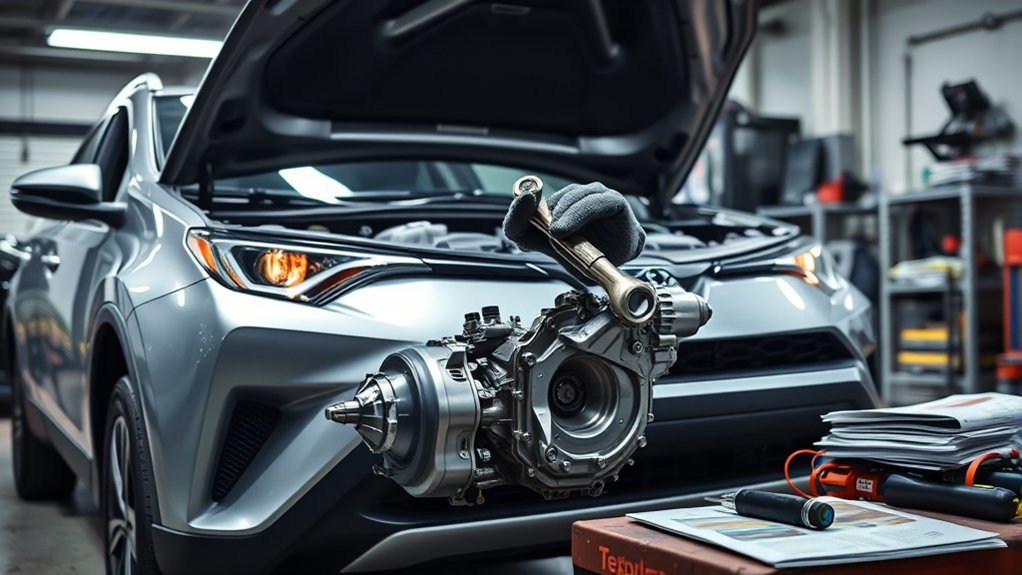
Yes, the Toyota RAV4 has experienced transmission problems across various models, particularly from 2001 to 2021. Common issues include harsh shifts, delayed engagement, and fluid leaks. Depending on the model year, factors like faulty ECU units, worn clutches, and failed seals might be at fault. Regular maintenance can help mitigate these issues, but it’s essential to recognize symptoms early on. If you’re curious about specific symptoms and solutions, there’s more to explore.
Understanding Transmission Problems in the Toyota RAV4
Have you ever wondered why some Toyota RAV4 owners report transmission issues? The reality is, transmission problems have cropped up across various model years, with the 2013-2018 models facing significant challenges. Owners often experience harsh shifts, delayed engagement, and lurching, largely due to worn clutches or faulty torque converters. Additionally, from 2005-2018, many RAV4s suffered from transmission fluid leaks caused by failed seals or cracked pans, leaving unsightly puddles under your vehicle. If you own a 2019-2021 RAV4, you might hear whining or humming noises, stemming from defective planetary bearings. Toyota has acknowledged these issues, issuing Technical Service Bulletins (TSBs) and recalls to address them. While extended warranties for faulty ECU units exist for earlier models, it’s essential to recognize these common symptoms to safeguard your driving experience and guarantee your vehicle’s safety.
Identifying Common Symptoms of RAV4 Transmission Problems
Identifying transmission problems in the Toyota RAV4 can save you time and money on costly repairs. Common symptoms to watch for include harsh or snatching shifts, especially in models from 2001 to 2005, where faulty ECU or valve body pressure signals may be at play. From 2013 to 2018, you might notice delayed engagement or lurching when shifting from Park to Drive, often linked to worn clutches or a malfunctioning torque converter. If you see red puddles under your vehicle, that’s a sign of potential transmission fluid leaks, typically caused by failed seals in models from 2005 to 2018. For 2019 to 2021 models, listen for whining, humming, or shuddering noises at low speeds, which may indicate defective planetary bearings. Finally, overheating issues can arise in e-CVT hybrids, often due to aging transmission fluid or inadequate cooling systems. Stay alert to these signs!
Key Causes of RAV4 Transmission Problems
While driving your Toyota RAV4, it’s essential to understand the key causes of transmission problems that can arise across different model years. In older models (2001–2005), you might experience harsh shifts due to faulty ECU or valve body pressure signals. If you own a model from 2013 to 2018, be alert for delayed engagement or lurching, often caused by worn clutches or torque converter issues. Transmission fluid leaks are common in models from 2005 to 2018, typically resulting from failed seals or cracked pans, leaving red puddles beneath your vehicle. Recent models (2019–2021) may produce whining or shuddering noises, indicating defective planetary bearings. Additionally, overheating issues in e-CVT hybrids or some 8-speed models can lead to limp mode, often stemming from poor cooling systems or aging transmission fluid. Staying informed can help you mitigate these problems and maintain your RAV4’s performance.
Toyota’s Response to RAV4 Transmission Complaints

Toyota has taken significant steps to address transmission complaints related to the RAV4, particularly in models with known issues like harsh shifting and delayed engagement. They’ve acknowledged the problems and issued Technical Service Bulletins (TSBs) to guide repairs. For 2001-2003 RAV4 models, Toyota initiated a recall for faulty ECU units, providing an extended warranty of 10 years or 150,000 miles.
To tackle gear-whine and shift problems, the ZJC program offers software updates and bearing replacements. If you’re facing persistent transmission defects, Toyota has established lemon law and dealer settlement programs, allowing for buy-back options. It’s important to document your transmission issues thoroughly. By doing so, you can seek assistance from Toyota and explore arbitration or legal options if necessary. This proactive approach helps guarantee that RAV4 owners can address their concerns and regain confidence in their vehicles.
How to File a Lemon Law Claim for Your RAV4?
If you’ve encountered persistent transmission issues with your RAV4 and are considering a Lemon Law claim, it’s important to understand the steps involved in the process. Start by documenting all defects, noting dates and mileage to create a clear record of your transmission problems. Request written repair records from your dealers, as these documents are essential to substantiate your claims. Next, notify Toyota in writing via a certified letter to formally communicate the ongoing issues with your vehicle. If needed, file for state arbitration through your local DMV; this often precedes litigation under state Lemon Laws. Additionally, it’s wise to engage legal counsel before your vehicle’s warranty expires to preserve your rights. By following these steps, you increase your chances of a successful Lemon Law claim, granting you the liberation you seek from the troubles of your RAV4’s transmission issues.
Repair Options for RAV4 Transmissions
When facing transmission issues with your RAV4, understanding warranty coverage options is essential, as it can greatly offset repair costs. Many repairs can be expensive, especially for hybrid models where costs may exceed $6,000. You’ll want to weigh these factors carefully to make informed decisions about your vehicle’s maintenance and repair strategies.
Warranty Coverage Options
Many RAV4 owners may not realize the warranty coverage options available for addressing transmission issues. For 2001–2003 models, Toyota offers an extended warranty that covers faulty ECU units for up to 10 years or 150,000 miles, specifically targeting known transmission defects. Additionally, Technical Service Bulletins (TSBs) provide documented repair solutions, which dealerships must implement. If you face transmission defects within the warranty period, consider filing a Lemon Law claim, which can lead to compensation or buyback options. Given that repair costs for hybrid e-CVT transmissions can exceed $6,000, having robust warranty coverage is essential. Keep detailed records of all repair attempts to bolster your claims and guarantee your rights are protected.
Repair Cost Considerations
Understanding repair costs for RAV4 transmissions is essential for owners facing potential issues. Repair costs for hybrid e-CVT transmissions can soar above $6,000 due to their specialized components, while standard automatic repairs typically range from $1,500 to $3,500. Regular transmission fluid replacement every 30,000 to 60,000 miles is vital for preventing costly repairs and extending transmission life.
Here’s a quick overview of potential repair costs:
| Repair Type | Estimated Cost |
|---|---|
| Hybrid e-CVT Transmission | $6,000+ |
| Standard Automatic Repair | $1,500 – $3,500 |
| Transmission Fluid Replacement | $150 – $300 |
| Warranty Coverage | Depends on model |
| Lemon Law Claims | Varies |
Consider these factors to make informed decisions about your RAV4’s transmission.
Real Owner Experiences With RAV4 Transmission Issues
While maneuvering city traffic, countless RAV4 owners have reported frustrating transmission issues, particularly with the 2019 model. Many drivers experience lurching and hesitation during low-speed acceleration, especially from a stop at traffic lights. This struggle with automatic transmissions often leads to an awkward driving experience, particularly when the air conditioning is on. Some RAV4 owners have discovered that gentle throttle application can help minimize lurching, and a few have noted improved performance in Sport mode compared to ECO mode.
A Technical Service Bulletin (TSB) was issued to address these transmission issues, but feedback on its effectiveness has been mixed. Community forums are buzzing with RAV4 owners sharing their experiences and troubleshooting tips, showcasing a collective concern over transmission reliability across various model years. It’s clear that many drivers are maneuvering through this issue, seeking solutions to enhance their driving experience.
How to Prevent Transmission Problems in Your RAV4

To prevent transmission problems in your RAV4, it is crucial to stay proactive about maintenance and driving habits. Start by regularly changing the transmission fluid every 30,000 to 60,000 miles, which helps maintain peak performance and prevents overheating issues. Use the correct type of transmission fluid specified in your owner’s manual; the wrong fluid can lead to costly repairs.
Be mindful of your driving habits—avoid aggressive acceleration and sudden braking, as these can strain the transmission and cause premature wear. Additionally, keep an eye out for warning signs like slipping gears or unusual noises; addressing these issues promptly can prevent minor problems from escalating. Finally, monitor your transmission temperature. If your vehicle enters limp mode due to overheating, check the cooling system and fluid levels immediately. By following these tips, you’ll enhance your RAV4’s longevity and reliability.
When to Seek Professional Help for RAV4 Transmission Troubles?
Even with proper maintenance, transmission issues can still arise in your RAV4. Recognizing when to seek professional help is essential for your vehicle’s longevity and performance. Here are signs that indicate you should consult a mechanic:
- Harsh or snatching shifts, particularly in 2001-2005 models, may signal a faulty ECU or valve body pressure requiring professional diagnosis.
- Delayed engagement or lurching when shifting from Park to Drive in 2013-2018 models often points to worn clutches or torque converter faults, necessitating a mechanic’s evaluation.
- Transmission fluid leaks under your RAV4, especially in 2005-2018 models, could indicate seal or pan issues that need addressing.
Ignoring these symptoms can lead to further damage, so don’t hesitate to seek expert assistance. Early intervention can save you time and money, ensuring your RAV4 runs smoothly.
Frequently Asked Questions
Does RAV4 Have Transmission Problems?
Yes, RAV4s can have transmission problems, including shifting issues and transmission fluid leaks. To maintain your vehicle, regularly check fluid levels, address any unusual noises promptly, and consider professional inspections for ideal performance.
What Is the Most Common Problem With a Toyota RAV4?
The most common problem with your Toyota RAV4 involves reliability issues, often marked by complaints about transmission performance. Regular maintenance, like fluid checks, can help mitigate these concerns and keep you driving smoothly.
Which Year of Toyota RAV4 to Avoid?
You should avoid the 2013, 2014, and 2015 Toyota RAV4 models. They commonly face issues like delayed shifting and complaints about drivability, which could lead to frustrating driving experiences and potential repair costs.
How Long Does a Toyota RAV4 Transmission Last?
A Toyota RAV4’s transmission can last 150,000 to 200,000 miles, but factors like maintenance and driving habits matter. Watch for signs of failure, and follow maintenance tips to keep it running smoothly.
Conclusion
In conclusion, while the Toyota RAV4 is generally reliable, transmission problems can arise, affecting your driving experience. Staying informed about symptoms and potential causes can help you catch issues early. With proper maintenance and timely action, you can minimize the risk of complications. So, isn’t it worth taking the time to understand your vehicle’s needs? By being proactive, you can enjoy your RAV4’s performance for years to come without unnecessary stress.