How To Fix VSC And 4WD Light On Toyota RAV4
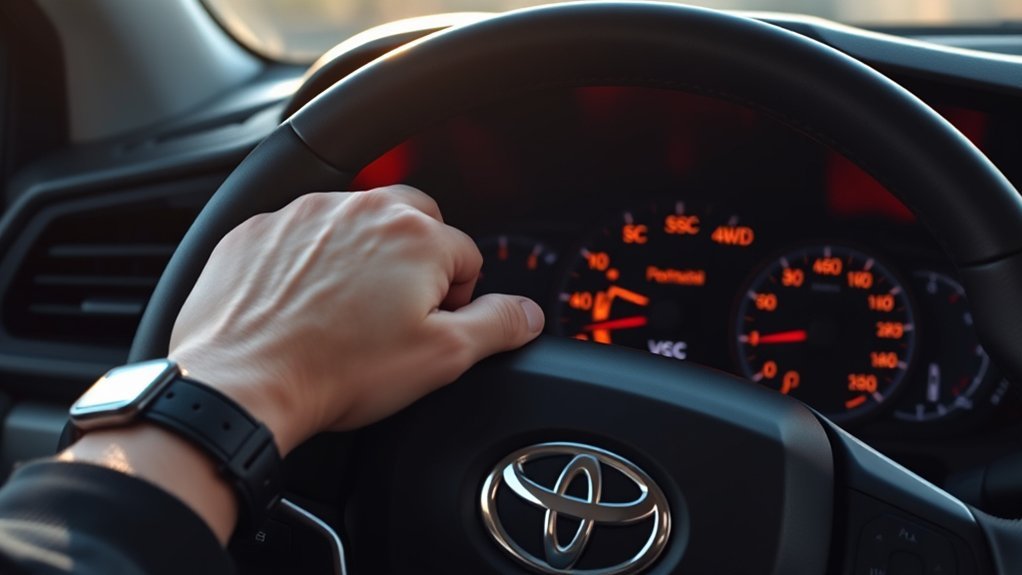
To fix the VSC and 4WD lights on your Toyota RAV4, start by checking the gas cap; a loose cap can trigger warning lights. Next, inspect wheel speed sensors for damage or loose connections. Use an OBD-II scanner to retrieve any diagnostic codes that can pinpoint specific issues, such as faulty sensors or low brake fluid. Once you identify the problem, take the necessary steps to fix it. Find out more about troubleshooting further.
What Do VSC, Check Engine, and 4WD Lights Mean?
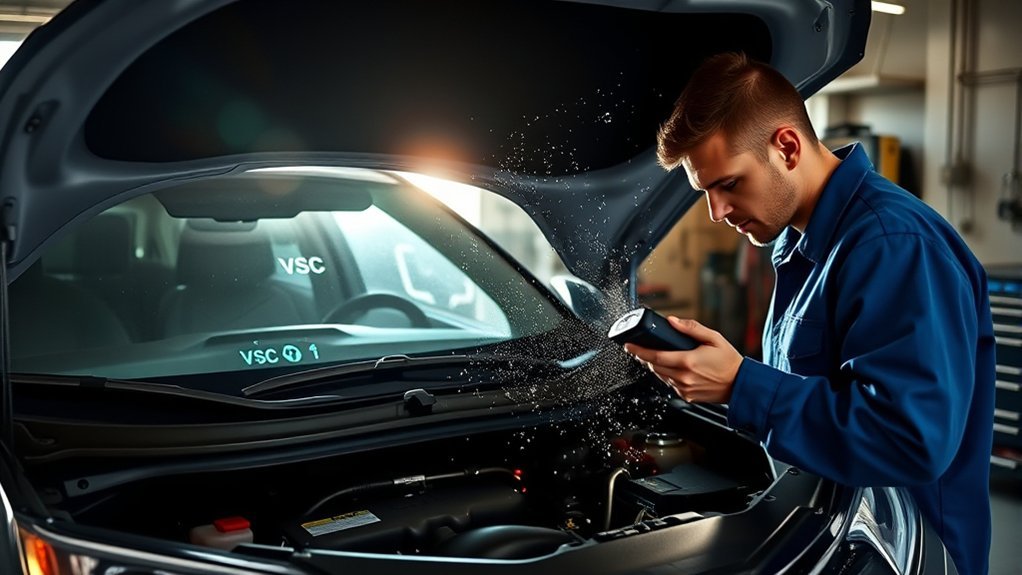
When the VSC, Check Engine, and 4WD lights illuminate on your Toyota RAV4, it signals potential issues that could affect your vehicle’s performance. The VSC light indicates that the Vehicle Stability Control system is actively working to enhance traction, often due to engine performance problems or sensor malfunctions. The Check Engine Light (CEL) means the Engine Control Module has detected a fault, which can range from minor concerns like a loose gas cap to serious issues like engine misfires. The 4WD light suggests a malfunction in the four-wheel drive system, often linked to the same engine performance or sensor issues. Defective components like O2 sensors may contribute to these alerts, and diagnostic code retrieval is essential for identifying the specific problems.
Discover Common Causes of VSC and 4WD Activation
Understanding the common causes of VSC and 4WD light activation on your Toyota RAV4 can help you address potential issues before they escalate. One of the primary culprits is the Engine Control Module (ECM), which may detect performance problems like faulty O2 sensors or a defective charcoal canister filter. A malfunctioning wheel speed sensor accounts for 63% of VSC and ABS warning light reports, impacting your vehicle’s stability and traction control. Additionally, issues like a loose gas cap, brake pedal switch failures, or low brake fluid levels can also trigger these warning lights. By identifying these common causes early, you can guarantee your RAV4 remains safe and reliable on the road.
Using an OBD-II Scanner to Diagnose Your RAV4
To effectively diagnose your RAV4’s VSC and 4WD warning lights, start by choosing the right OBD-II scanner compatible with your vehicle. Once you’ve connected the scanner, you’ll need to interpret the Diagnostic Trouble Codes (DTCs) it retrieves, as these codes pinpoint the specific issues at hand. Understanding these codes is essential for addressing the root causes of the warning lights and ensuring your vehicle’s peak performance.
Choose The Right Scanner
Choosing the right OBD-II scanner is essential for diagnosing the VSC and 4WD lights on your Toyota RAV4. A good scanner will help you read diagnostic trouble codes (DTCs) from your vehicle’s Engine Control Module (ECM), guiding you towards the issues at hand. Here’s what to take into account:
- Verify it reads both OBD-II and manufacturer-specific codes.
- Look for a scanner that covers stability control and four-wheel drive systems.
- Check if local auto parts stores like AutoZone offer free scanning services.
- Choose one that provides clear, user-friendly displays.
- Document the retrieved codes for further research.
With the right scanner, you’ll be empowered to tackle those pesky VSC and 4WD light issues effectively.
Interpreting Diagnostic Codes
When you connect an OBD-II scanner to your Toyota RAV4, you’ll retrieve diagnostic trouble codes (DTCs) that pinpoint issues with the VSC and 4WD systems. These diagnostic codes typically start with ‘P’ followed by up to four digits, like P0137 for an O2 sensor issue. Many auto parts stores offer free code scanning, so you can obtain these engine codes without extra costs. Once you have the codes, you can research their meanings or consult a mechanic for a detailed diagnosis. Remember, while you can clear warning lights by resetting the codes or disconnecting the battery, it’s essential to address the underlying issues to prevent the lights from reactivating.
Troubleshooting Steps for VSC and 4WD Warning Lights
Start troubleshooting by checking the tightness of your gas cap, as a loose cap can trigger the VSC and 4WD warning lights. Next, inspect the wheel speed sensors on each wheel, since faulty sensors are a common cause of these alerts. Addressing these issues can help you identify and resolve the underlying problems effectively.
Check Gas Cap Tightness
A common issue that can trigger the VSC and 4WD warning lights on your Toyota RAV4 is a loose or improperly sealed gas cap. This affects the vehicle’s evaporative emission control system, so checking it is crucial. Here are steps to guarantee a proper seal:
- Make sure the gas cap clicks securely into place; a single click can indicate a poor seal.
- If the cap seems tight, inspect the rubber O-ring for damage or dirt.
- Clean the O-ring if necessary to improve sealing.
- After adjusting or replacing the gas cap, drive a short distance to reset the onboard diagnostics.
- Regularly check the gas cap to prevent unwanted warning lights and maintain peak vehicle performance.
Inspect Wheel Speed Sensors
After ensuring your gas cap is secure, the next step is to inspect the wheel speed sensors, as they play an essential role in the operation of the VSC and 4WD systems. Start by checking each sensor for physical damage, loose connections, or dirt buildup, which can cause inaccurate readings and trigger warning lights. Research shows that 63% of VSC and ABS alerts are linked to faulty wheel speed sensors, underscoring their significance in vehicle diagnostics. To pinpoint issues, connect an OBDII code reader to your RAV4 and scan for relevant error codes. This targeted approach will help you address any sensor malfunctions effectively, ensuring your stability systems function as intended and preventing unexpected alerts.
Next Steps After Scanning Your RAV4
Once you’ve scanned your RAV4 and noted the diagnostic trouble codes (DTCs), it’s vital to analyze them for specific issues causing the VSC and 4WD lights to illuminate. Focus on these critical areas based on the trouble codes:
- Check the gas cap for tightness to guarantee proper pressure.
- Inspect the condition of the O2 sensor for faults.
- Evaluate wheel speed sensors for operational integrity.
- If EVAP system codes appear, examine the charcoal canister and lines for leaks.
- After addressing identified issues, clear the codes using an OBDII scanner.
Monitor if the warning lights return; this indicates whether further diagnosis is required or if the Control Module needs attention. Stay proactive to maintain your RAV4’s performance.
Preventive Maintenance Tips to Avoid Future Warning Lights
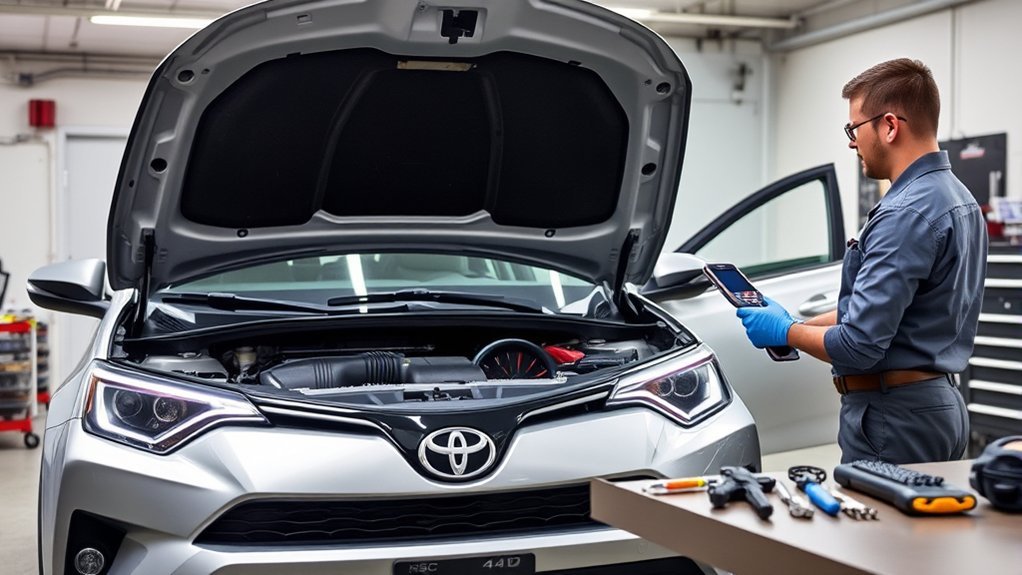
To keep your Toyota RAV4’s VSC and 4WD lights from illuminating in the future, it’s crucial to implement regular preventive maintenance. Start by checking and tightening the gas cap to avoid triggering the Check Engine Light, which affects both systems. Schedule routine maintenance every 5,000 to 7,500 miles to guarantee all components, including sensors and brakes, function properly. Clean the Mass Air Flow sensor periodically, as dirt can lead to performance issues and warning lights. Inspect and replace worn ignition components and spark plugs to prevent misfires that might activate multiple alerts. Finally, monitor your battery’s condition, replacing it every 4-5 years to prevent electrical problems that could cause warning lights to illuminate.
Frequently Asked Questions
What Would Make a Slip VSC and All Wheel Drive Light Come On?
Common causes for the Slip VSC and all-wheel drive lights include sensor issues, low brake fluid, or a loose gas cap. For troubleshooting, check these elements and follow maintenance tips to guarantee peak vehicle performance.
How Much Does It Cost to Fix VSC on a Toyota?
Fixing your VSC system can feel like maneuvering through a maze. Repair costs usually range from $75 to $1,000, depending on common issues. Regular maintenance tips, like checking your gas cap, can save you money.
What Does the VSC Light Mean on a Toyota RAV4?
The VSC light on your Toyota RAV4 indicates warning signs of instability. Understanding the VSC system’s functions and following troubleshooting tips is essential for maintaining safety and performance during challenging driving conditions.
How to Reset Traction Control Light on Toyota RAV4?
To reset your traction control light, follow the reset procedure: turn the ignition to “ON,” press the brake pedal eight times, and watch your dashboard indicators. Prioritize vehicle safety to guarantee smooth journeys ahead.
Conclusion
To sum up, addressing the VSC and 4WD lights on your Toyota RAV4 is essential for maintaining peak performance. Think of it as tuning a finely crafted instrument; neglecting these alerts can lead to bigger issues down the road. By using an OBD-II scanner and following the troubleshooting steps, you can swiftly diagnose and resolve the problem. Remember, regular maintenance is your best friend in keeping those warning lights at bay and ensuring a smooth ride.