

Quit smoking cold turkey by choosing a quit date within the next seven days and telling key people so you’re accountable. Remove every cue—cigarettes, lighters, ashtrays—and clean spaces to cut smoke triggers. Plan your first 72 hours: stock water, gum, and healthy snacks, and list quick distractions. When a craving hits, run a 5‑minute drill: 10 slow breaths, 2 minutes of movement, then sip or chew until it passes. Keep going to learn trigger plans, withdrawal fixes, and slip resets.
Pick a Cold Turkey Quit Date (Next 7 Days)

Some people wait for the “perfect” moment, but cold turkey works best when you set a clear quit date within the next seven days and commit to it.
Pick a day you can protect, then treat the countdown as training. Use the days before your quit date to rehearse freedom: notice triggers, practice saying “no,” and lock in simple motivation strategies like setting reminders, planning distractions, and scheduling supportive check-ins.
Pick a protected quit day, then train for it: spot triggers, practice “no,” and schedule reminders, distractions, and check-ins.
If you smoke heavily, taper your intake slightly each day leading up to the date to soften the landing and reduce early withdrawal intensity without dragging out the process.
Tell friends, family, and coworkers your quit date so they can encourage you and keep you accountable.
Before the day arrives, clear your environment—trash cigarettes, lighters, ashtrays, and backups—so your space matches your decision. You’re not waiting; you’re choosing.
List Your Reasons to Quit Cold Turkey
With your quit date set, lock in your commitment by writing down the specific reasons you’re quitting cold turkey and keeping them visible. This list becomes your anchor when cravings hit, and it keeps you focused on liberation, not negotiation.
Cold turkey works for many because it ends “just one” thinking, and studies suggest about 10–15% stay quit for at least six months. You’ll also notice fast health benefits—like improved lung function and lower blood pressure within days—which reinforces your momentum.
- Breathe easier and protect your heart with rapid health benefits
- Save money and reclaim time you used to spend smoking
- Prove to yourself you can face cravings head-on and win
- Break the cycle of “one more” that keeps addiction alive
- Choose personal empowerment: you’re in control, not tobacco
Remove Smoking Cues: Cigs, Lighters, Ashtrays
Get rid of smoking cues right now: discard cigarettes and vapes, and clear out every lighter and ashtray.
Research shows that removing these triggers lowers temptation and reduces relapse risk, especially in the first 7–10 days.
Keep your home, car, and workplace tobacco-free, and swap the reach-for-it habit with gum or a stress ball when cravings hit.
Discard Cigarettes And Vapes
- Empty every pack, pod, and disposable—no backups
- Check coat pockets, car consoles, drawers, and bags
- Trash nicotine gum you bought as “permission” to slip
- Replace the spot you used to store gear with water or mints
- Tell a friend you’ve cleared it, so you’ll stay accountable
Clear Ashtrays And Lighters
Once you’ve dumped every cigarette and vape, finish the reset by clearing out ashtrays, lighters, and any other smoking gear that still signals “it’s time for a smoke.”
Put ashtrays out of sight or toss them, collect every lighter and matches from cars, patios, bags, and junk drawers, and wipe down spots that smell like smoke so they don’t cue cravings.
This matters because environmental triggers drive automatic habits. Research shows that removing smoking cues can lower relapse risk and make urges fade faster.
Replace the hand-to-mouth routine with smoking alternatives: mints, gum, a straw, or a stress ball. Keep them where you used to keep lighters.
Re-clean weekly, especially entryways and car interiors. Every cleared surface is a vote for freedom.
Plan Your First 72 Hours Cold Turkey
Your first 72 hours matter most because withdrawal typically peaks here, so you’ll set up your space, plan for cravings, and line up immediate support before urges hit.
Clear every tobacco item, stock healthy snacks, schedule quick distractions like a short walk (most cravings pass in 3–5 minutes), and use deep breathing or mindfulness to ride out stress.
Keep your reasons for quitting visible and text or call a supportive person when irritability spikes so you don’t face it alone.
[Products Worth Considering]
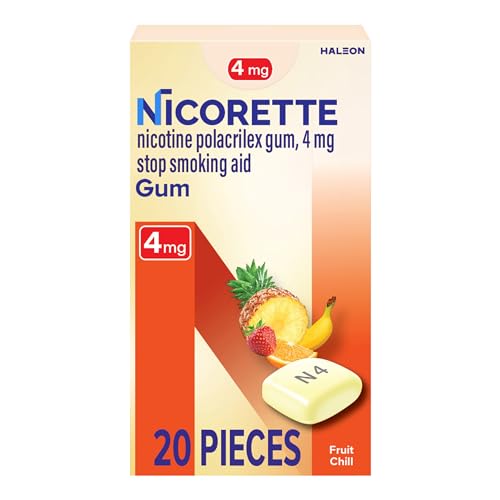
One package of 20 pieces of Fruit Chill flavored Nicorette 4 mg Nicotine Gum to Help Quit Smoking – Stop Smoking Aid

ACTIVE INGREDIENT: This product contains nicotine polacrilex, a stop smoking aid; compares to the active ingredient in Nicorette Gum

ACTIVE INGREDIENT IN NICOTINE GUM: This product contains nicotine polacrilex (equal to 4 mg nicotine), a stop smoking aid, which compares to the active ingredient in Nicorette Gum.
Set Up Your Space
Because the first 72 hours tend to bring the strongest withdrawal symptoms, set up a smoke-free environment that makes the healthy choice the easy choice: remove cigarettes, e-cigarettes, lighters, and ashtrays from your home, office, and car; stock quick substitutes like fruit, cut vegetables, and sugar-free gum; line up distractions such as movies, walks, or simple tasks; tell friends, family, and coworkers you’re quitting so they can back you up; and pick a go-to stress plan (deep breathing or light activity) to ride out cravings without smoking.
Choose visible cues that reinforce freedom and healthy alternatives.
- Bag and trash tobacco gear now
- Clean fabrics and air out rooms
- Pack snacks and gum within reach
- Preload playlists, books, or chores
- Text your support team today
Prepare For Cravings
Even with a smoke-free space, the first 72 hours cold turkey can hit hardest, since cravings and withdrawal symptoms often peak in this window. You can stay free by planning for urges before they arrive.
Start with trigger identification: note the times, places, emotions, and routines that usually lead you to smoke (coffee, driving, stress, after meals).
Then pair each trigger with distraction techniques: brisk walks, push-ups, a quick shower, a hobby, or a short task that keeps your hands busy. Stock sugar-free gum, mints, or crunchy snacks for oral satisfaction.
When anxiety or irritability rises, use deep breathing or brief mindfulness—inhale 4, hold 2, exhale 6.
Remember: a craving typically lasts 3–5 minutes; ride it with your plan.
Build Immediate Support
While nicotine levels drop quickly after your last cigarette, the first 72 hours often bring peak withdrawal—so line up support before you need it.
Tell two people you trust your quit date and what helps you most, then ask them to check in. Strong support networks reduce isolation and keep your commitment visible when cravings spike.
Choose one or two accountability partners who’ll answer fast, not judge, and remind you why you’re doing this: freedom.
- Text a friend before each high-risk time (coffee, commute, breaks)
- Schedule a walk, workout, or hobby block when urges hit
- Prep cut fruit, gum, and water to keep hands and mouth busy
- Save a quitline number and call at the first slip-thought
- Book a counselor session for coping tools tailored to you
Spot Cold Turkey Triggers Ahead of Time

When do your cravings hit hardest—during stress at work, a night out with friends, or the same routines where you used to smoke? Those patterns aren’t random; they’re your craving triggers. You’ll stay freer when you spot them before they ambush you.
Cravings aren’t random; they follow your triggers. Spot the patterns early, and you’ll stay freer before they ambush you.
Start a simple trigger journal for one week. Each time an urge hits, note the time, place, people, what you were doing, and your emotional responses (anxiety, boredom, anger, relief-seeking). This helps you separate nicotine withdrawal from the situation that’s cueing it.
Then map your high-risk moments: being around other smokers, drinking alcohol, driving certain routes, or taking breaks where smoking used to fit. Plan to avoid or modify these situations early on—change the break location, skip the bar, or bring a non-smoking friend.
Remember: cravings usually peak and pass in 3–5 minutes, so prepare for that window.
Beat Cold Turkey Cravings in 5 Minutes
Because most cigarette cravings crest and fade within just 3–5 minutes, you don’t need willpower marathons—you need a ready-to-run mini plan you can execute on autopilot.
When the urge spikes, treat it like a timed drill: start a 5‑minute countdown and run your craving management script until the wave passes.
- Do 10 slow breaths: inhale 4, hold 2, exhale 6 to calm your body fast.
- Move for 2 minutes: brisk walk, stairs, or light squats to burn off tension.
- Swap your hands and mouth: sip water, chew gum, or use a lozenge for rapid relief.
- Hit a prepared distraction list: puzzle, quick chore, hobby, or text/call a friend.
- Change your scene: step outside, switch rooms, or wash your face to break cues.
These distraction techniques aren’t tricks; they’re repeatable reps that buy you freedom, one craving at a time.
[Products Worth Considering]

Effective Smoking Cessation Aid: Helps reduce nicotine cravings and withdrawal symptoms to support your quit smoking journey.

ACTIVE INGREDIENT IN NICOTINE GUM: This product contains nicotine polacrilex (equal to 2 mg nicotine), a stop smoking aid, which compares to the active ingredient in Nicorette Gum.
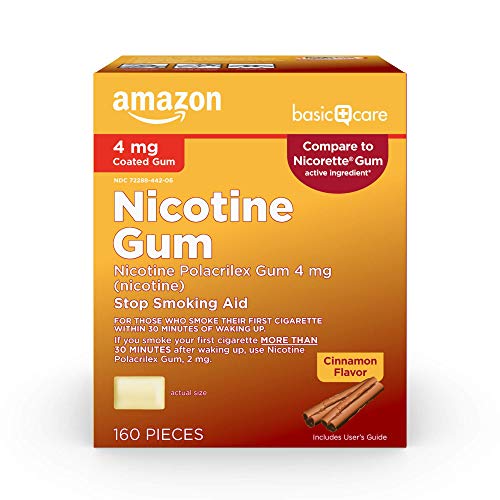
ACTIVE INGREDIENT IN NICOTINE GUM: This product contains nicotine polacrilex (equal to 4 mg nicotine), a stop smoking aid, which compares to the active ingredient in Nicorette Gum.
Manage Withdrawal and Slips in Week 1
Those 5‑minute craving drills will carry you far, but Week 1 also brings broader withdrawal symptoms that can hang around between urges. Expect irritability, anxiety, and foggy focus; they’re common and often peak within two weeks. Use evidence‑based coping strategies: hydrate, move your body, and consider nicotine replacement therapy if symptoms feel unmanageable. If you slip—one puff or an e‑cig hit—don’t call it failure. Stop immediately, restate your reasons, and reset your plan the same minute. Weight may creep up (often 7–10 pounds), so keep quitting first, then lean on protein snacks, fruit, and walks.
| Trigger | What you feel | What you do |
|---|---|---|
| Morning coffee | urge | switch drink, breathe |
| Stress text | anxiety | 10 squats, water |
| After meals | restlessness | brush teeth, gum |
| Driving | autopilot | playlist, mints |
[Products Worth Considering]
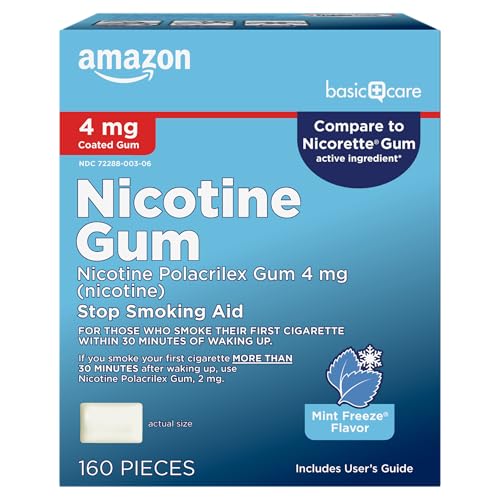
ACTIVE INGREDIENT IN NICOTINE GUM: This product from Amazon Basic Care contains nicotine polacrilex, stop smoking aid; compare to Nicorette Gum active ingredient

ACTIVE INGREDIENT IN NICOTINE GUM: Contains nicotine polacrilex, a stop smoking aid; compares to the active ingredient in Nicorette Gum

ACTIVE INGREDIENT IN NICOTINE GUM: This product contains nicotine polacrilex (equal to 4 mg nicotine), a stop smoking aid, which compares to the active ingredient in Nicorette Gum.
Frequently Asked Questions
Is It Better to Quit Nicotine Cold Turkey or Gradually?
You’ll do best with what you can sustain: cold turkey vs. gradual both work. Cold turkey can boost success but hits harder nicotine withdrawal; gradual softens symptoms but may prolong cravings. Choose the path you’ll commit to.
How to Get Rid of Nicotine Asap?
You can’t magic nicotine away overnight, but you can speed clearance: hydrate hard, exercise daily, and eat antioxidant-rich produce. Skip alcohol/caffeine. Use NRT if needed. These detox methods ease nicotine withdrawal and fuel liberation.
Conclusion
You’ve set your quit date, cleared your space, and mapped the first 72 hours—the toughest stretch, but it passes. Expect cravings to spike, then fade like waves sliding back from shore. When one hits, breathe, sip water, move your body, and wait five minutes; urges typically peak and drop quickly. If you slip, you don’t fail—you learn: name the trigger, reset now, and keep going. Your next smoke-free hour starts.







Leave a Reply